

Dry milk, also known as powdered milk, is an excellent pantry staple due to its long shelf life and versatility. Proper storage of dry milk is essential to maintain its freshness, flavor, and nutrient value.
Whether you’re using it for baking, cooking, or as a backup dairy alternative, understanding the best methods to store dry milk can help you avoid waste and ensure it stays usable for an extended period. In this blog post, we’ll walk you through the steps on how to store dry milk so that you can get back to using it in no time! So grab your tools, and let’s get started!
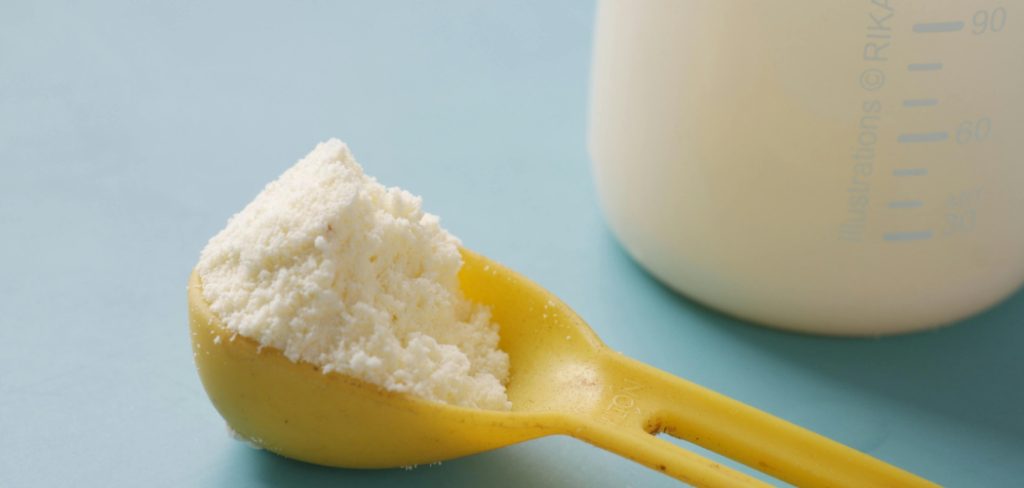
What is Dry Milk (Powdered Milk)?
Dry milk, also known as powdered milk, is a dairy product made by removing all the water from fresh milk through a drying process. This results in a fine, dry powder that retains the nutritional benefits of milk while offering an extended shelf life. Powdered milk contains essential vitamins and minerals such as calcium, vitamin D, and protein, making it a convenient and versatile ingredient for various recipes.
It is commonly used in baking, cooking, and as a long-lasting substitute for fresh milk. Due to its low moisture content, dry milk is less prone to spoilage, making it an excellent option for emergency supplies or travel.
Types of Dry Milk and Shelf Life
Dry milk comes in various types to suit different needs and preferences. The most common varieties include nonfat dry milk, whole dry milk, and specialty milk powders such as lactose-free or plant-based options. Nonfat dry milk, made by removing most of the fat content, has a longer shelf life and is ideal for storage purposes.
Whole dry milk, retaining its natural fat, offers a richer taste but has a slightly shorter shelf life due to the fat content. Specialty milk powders cater to dietary restrictions and preferences, providing alternatives for those with lactose intolerance or seeking plant-based solutions.
When stored properly in a cool, dry place and in an airtight container, nonfat dry milk can last anywhere from 12 to 18 months, while whole dry milk typically lasts about 6 to 12 months. For extended storage, vacuum-sealing or using oxygen absorbers can further prolong shelf life. It is essential to check packaging for manufacturer-recommended dates and to monitor for any signs of spoilage, such as changes in color or smell, before use.
10 Methods How to Store Dry Milk
1. Store in Airtight Containers to Prevent Moisture Exposure
One of the most crucial steps in storing dry milk is keeping it in an airtight container. Exposure to air and humidity can cause clumping, spoilage, and microbial contamination. Once you open the original packaging, immediately transfer the dry milk to a clean, dry, airtight container made of glass, plastic, or metal with a secure seal.
Avoid using containers that are difficult to close tightly or have loose lids. This barrier helps prevent moisture from entering and keeps the milk powder dry, maintaining its shelf life and quality.
2. Keep in a Cool, Dry Place
Dry milk is highly sensitive to heat, which can degrade its nutrients and cause fats to oxidize, leading to off-flavors. To preserve its integrity, always store the powder in a cool, dry location away from direct sunlight, stoves, or heating vents. A pantry or a kitchen cabinet located far from heat sources is ideal.
Consistent temperature control is vital; fluctuating temperatures can cause condensation inside the container, which may lead to spoilage. Aim to store dry milk at or below room temperature for optimal results.
3. Store in the Refrigerator for Extended Freshness
Although not required, refrigerating dry milk can extend its shelf life by several months. The cooler environment slows down the oxidation of fats and prevents spoilage. Place the airtight container in the main compartment of the refrigerator, not in the door, to maintain a stable temperature.
This method is especially beneficial if you live in a humid or hot climate. Before each use, allow the container to come to room temperature to avoid condensation forming inside, which could compromise the powder’s texture and longevity.
4. Freeze for Long-Term Storage
For even longer preservation, freezing dry milk is highly effective. Freezing does not affect the quality of the milk powder, and it prevents the degradation caused by heat and oxygen. Place the dry milk in a vacuum-sealed or freezer-safe airtight container, ensuring that all excess air is removed. Label the container with the date of storage.
When you need to use it, allow the container to thaw at room temperature before opening it to avoid moisture accumulation. Frozen dry milk can last well over a year without losing quality.
5. Use Vacuum Sealing for Maximum Protection
Vacuum sealing is one of the best ways to store dry milk, especially in bulk. By removing all air from the packaging, vacuum sealing significantly reduces oxidation and moisture exposure, which are primary causes of spoilage.
Use a vacuum sealer with food-safe bags and divide the dry milk into portions for easier use. This method is excellent for long-term storage and helps retain freshness, flavor, and nutrients. Once sealed, the vacuum packs can be stored in the pantry, fridge, or freezer depending on your needs.
6. Divide into Small Portions for Convenience and Freshness
Rather than storing all your dry milk in one large container, it’s more practical and safer to divide it into smaller portions. Each time you open a container, you expose the contents to air and moisture. By using smaller containers, you only open what you need while keeping the rest sealed and protected.
This method is especially useful for households that use dry milk sporadically. It reduces waste, helps maintain freshness, and ensures you always have a usable supply on hand.
7. Store Away from Strong Odors
Dry milk can absorb odors from its surroundings, which can affect its taste and overall quality. Avoid storing it near strong-smelling foods or cleaning products such as onions, garlic, spices, or household chemicals. Instead, place it in a neutral-smelling storage area.
Use containers that are not only airtight but also odor-resistant to ensure that the flavor of the dry milk remains pure. This is especially important when storing dry milk for baking or beverages where its taste will be prominent.

8. Label Containers with Expiry and Storage Dates
Whether you are storing dry milk in the pantry, refrigerator, or freezer, always label the containers with the date you first stored it and the expected expiration or best-by date. This helps you use the oldest portions first and ensures that none of your supply is forgotten and wasted.
If you’ve vacuum-sealed or portioned the milk into smaller bags, label each one accordingly. Keeping track of storage dates is a key part of maintaining food safety and planning your inventory effectively.
9. Use Desiccant Packs or Oxygen Absorbers for Enhanced Protection
For long-term storage, especially in humid environments, adding food-safe desiccant packs or oxygen absorbers to the container can significantly enhance the shelf life of dry milk. Desiccant packs absorb moisture, while oxygen absorbers prevent oxidation. Both help protect the powder from spoilage caused by environmental factors. Be sure to only use absorbers specifically rated as food-safe and never consume or reuse them.
This method is ideal for emergency food supplies or bulk storage situations where freshness over many months is critical.
10. Rotate Stock Using the First-In, First-Out (FIFO) Method
Proper rotation is key to managing any stored food, including dry milk. Practice the “First-In, First-Out” (FIFO) method by using older stock before newer purchases. Arrange your containers so that the oldest ones are at the front and the newest ones are at the back.

This ensures that none of your dry milk sits unused for too long, reducing the risk of spoilage and waste. Regularly check your stored supplies to make sure everything is still within its best-by date and inspect containers for signs of moisture or spoilage.
Safety Considerations
When storing dry milk or any food product, it is crucial to maintain proper safety protocols to prevent contamination and spoilage. Always store dry milk in a clean, airtight container to keep out moisture, pests, and airborne contaminants. Keep the containers in a cool, dry, and dark location, as exposure to heat, humidity, and light can degrade the quality and nutritional value of the product.
Be sure to label containers with the purchase or packaging date for easier inventory management. Additionally, avoid using damaged or compromised packaging, as it may lead to contamination. If you notice any unusual odors, discoloration, or clumping in your stored dry milk, discard it immediately to avoid potential health risks. Prioritizing these safety measures ensures the long-term usability and safety of your supplies.
Conclusion
Dry milk is a valuable pantry staple that, when stored correctly, can remain fresh and usable for months or even years. Using airtight containers, keeping it cool and dry, refrigerating or freezing when appropriate, and avoiding exposure to moisture, light, heat, and odors are all vital strategies.
Vacuum sealing, portioning, labeling, and using desiccant packs can further enhance longevity, especially in bulk or long-term storage situations. Thanks for reading our blog post on how to store dry milk! We hope you found it helpful and informative.

About
Diane Lo is a distinguished figure in the world of kitchen innovation and culinary design, with over a decade of expertise creating functional and sustainable kitchen environments. Her professional focus lies in merging ergonomic spatial planning with modern culinary technology, fostering kitchen layouts that are both highly practical and aesthetically refined. As the lead expert at Kitchenub, Diane Lo delves into the art and science of kitchen organization, appliance selection, and workflow efficiency, inspiring home cooks and professional designers alike.
Education
Royal Melbourne Institute of Technology (RMIT University) (Melbourne, Australia) Associate Degree in Interior Design and Spatial Planning Focus on sustainable kitchen layouts, user-centric design, and ergonomic efficiency. Gained hands-on experience in high-traffic commercial kitchen modeling and advanced space-saving architecture.
Nottingham Trent University (United Kingdom) Bachelor’s in Product Design and Culinary Architecture (Honors) Specialized in the intersection of kitchen technology and lifestyle design. Participated in major industry collaborations, working with premium appliance manufacturers and cabinetry firms to gain real-world insights into modern kitchen workflows.
Publications and Impact
At Kitchenub, Diane Lo shares her expert insights on kitchen renovation processes, material durability, and strategies for achieving peak culinary productivity. Her writing effectively bridges the gap between professional culinary needs and home design, making it an essential resource for those looking to transform their kitchen into a highly efficient and welcoming heart of the home.