

Cleaning stove top grates is an essential part of maintaining a clean and functional kitchen. Over time, grease, food residue, and spills can build up on the grates, making them not only unsightly but also less efficient. With the right techniques and supplies, you can easily restore your grates to their original condition, ensuring your cooking area stays hygienic and presentable. This document will provide a comprehensive guide on how to clean stove top grates, covering essential tools, installation techniques, and tips for achieving the best result.
The Importance of Cleaning Stove Top Grates
Regularly cleaning your stove top grates is essential for maintaining a safe and efficient kitchen. Over time, accumulated grease and food debris can become a fire hazard, potentially igniting during cooking. Additionally, dirty grates can negatively impact the performance of your burners, leading to uneven heat distribution or even clogging.
Clean grates also contribute to a more hygienic cooking environment, reducing the risk of bacteria and unpleasant odors. Furthermore, a well-maintained stove top enhances the overall appearance of your kitchen, making it a more enjoyable space to prepare meals. By prioritizing the cleanliness of your stove top grates, you can ensure both safety and functionality in your cooking area.
Safety Precautions Before Cleaning
Before you begin cleaning your stove top grates, it’s essential to take a few safety precautions to ensure the process goes smoothly and safely. First, ensure that all burners are completely turned off and have had sufficient time to cool down to avoid burns or injuries. Disconnect the stove from the power source if it’s electric, or shut off the gas supply if it’s gas-powered, to eliminate any risk of accidental ignition.
Always use gloves when handling cleaning agents to protect your skin from irritation, and work in a well-ventilated area if you’re using strong cleaning chemicals. By following these precautions, you can clean your stove top grates effectively while minimizing risks.
10 Methods How to Clean Stove Top Grates
1. Ensure the Stove is Off and Cool
Before attempting to clean stove top grates, safety must come first. Make sure all burners are turned off and that the stove has completely cooled. Hot grates can cause burns or make handling difficult, while cleaning products applied to a hot surface can create harmful fumes or damage the stove finish. Ensuring the grates are cool sets a safe foundation for effective cleaning and prevents accidents.
2. Remove Grates from the Stove
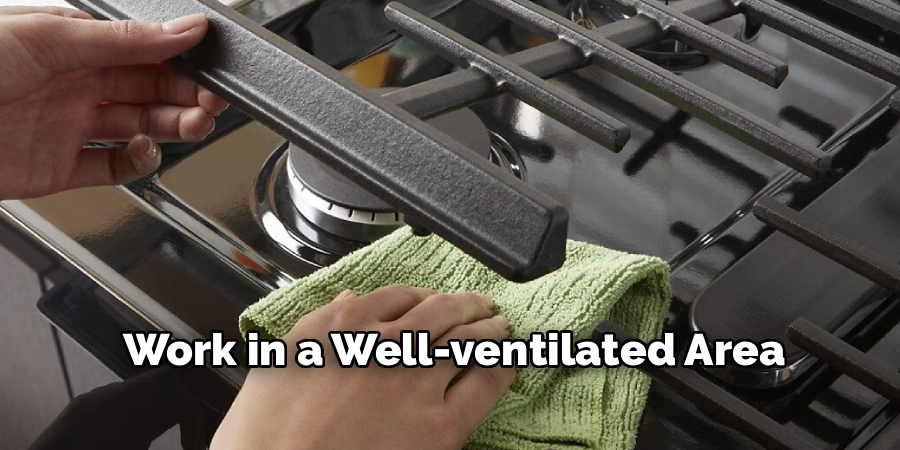
Lift the grates carefully from the stove top and place them on a work surface covered with a towel or protective mat. Removing the grates completely allows access to all surfaces for thorough cleaning and prevents damage to the stove itself. This step also provides an opportunity to inspect the grates for cracks, rust, or excessive wear that may require replacement.
3. Soak Grates in Warm, Soapy Water
Fill a sink, tub, or large basin with warm water and add a few drops of mild dish soap. Submerge the grates and allow them to soak for at least 15 to 30 minutes. Soaking softens stuck-on grease, grime, and food particles, making them easier to remove without vigorous scrubbing. For heavily soiled grates, extend the soaking time or add a bit of baking soda to enhance the degreasing effect.
4. Scrub with a Non-Abrasive Brush or Sponge
After soaking, use a non-abrasive sponge, nylon scrub brush, or soft-bristle toothbrush to scrub the grates thoroughly. Focus on areas with stubborn grease or baked-on food. Circular motions and gentle pressure help lift residue without scratching the grates’ surface. Avoid steel wool or harsh abrasives that can damage coatings or cast iron finishes, ensuring the grates remain functional and visually appealing.
5. Use a Baking Soda and Vinegar Paste for Stubborn Stains
For particularly tough spots, create a paste using baking soda and water, or combine it with a small amount of vinegar. Apply the paste to the stained areas and let it sit for 10 to 15 minutes. Then scrub gently to lift the residue. Baking soda acts as a mild abrasive while vinegar helps dissolve grease, making this combination highly effective for removing stubborn grime from stove grates.
6. Rinse Thoroughly with Clean Water
After scrubbing, rinse the grates under warm running water to remove all soap, baking soda, and vinegar residues. Leftover cleaning agents can cause a soapy taste during cooking or damage the finish over time. Proper rinsing ensures the grates are completely clean and safe for contact with cookware and food.
7. Dry Grates Completely
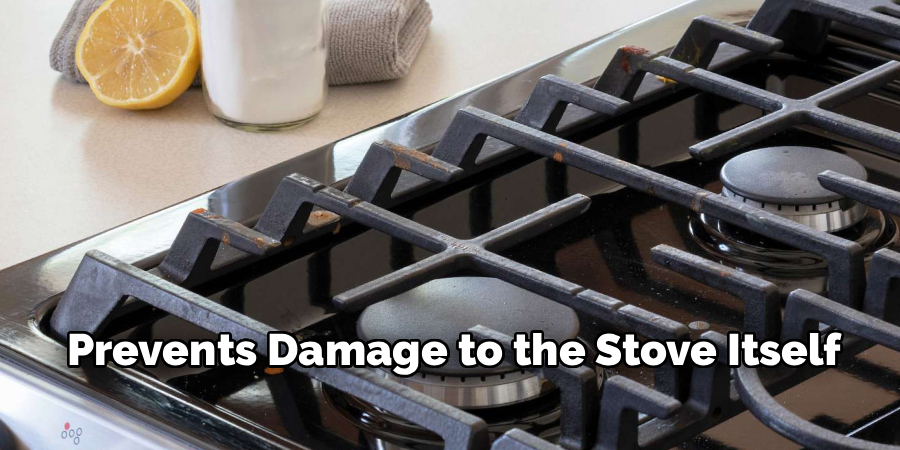
Dry the grates thoroughly with a soft, lint-free cloth or allow them to air dry. Moisture left on cast iron or metal grates can cause rusting or corrosion over time. Ensuring the grates are fully dry before reinstalling them protects their longevity and maintains optimal performance during cooking.
8. Apply a Light Coating of Oil (Optional)
For cast iron grates, consider applying a thin layer of vegetable oil or mineral oil after drying. This helps prevent rust, keeps the surface smooth, and makes future cleaning easier. Wipe off any excess oil to avoid sticky residues. This step is particularly useful for grates that are frequently exposed to moisture or heavy use.
9. Clean the Stove Surface Beneath the Grates
While the grates are removed, take the opportunity to clean the stove top beneath them. Wipe the surface with warm, soapy water or a suitable stove cleaner, removing crumbs, spills, and grease. Dry the surface thoroughly before replacing the grates. Cleaning the underlying area ensures overall stove hygiene and prevents grime from quickly transferring back onto the grates.
10. Reinstall Grates and Maintain Regular Cleaning
Once the grates are clean and dry, carefully place them back onto the stove top, ensuring they are properly seated over the burners. Regular maintenance, such as wiping down the grates after each use and performing a deeper clean weekly or monthly depending on usage, prevents buildup of grease and grime. Consistent care prolongs the life of the grates, ensures even heating during cooking, and keeps the stove looking pristine.

Maintenance and Upkeep
Maintaining your stove and its components is essential for both functionality and longevity. Beyond routine cleaning, inspect your stove periodically for any signs of wear or damage, such as cracks in the grates or clogged burner ports. Replace worn parts promptly to ensure safety and proper performance.
Additionally, avoid using harsh chemicals or abrasive tools during cleaning, as they can damage the finish and reduce the lifespan of the stove. If possible, use stove liners or protective mats to catch spills and make cleanup easier. By establishing a regular maintenance schedule and addressing issues promptly, you can keep your stove in optimal condition for years to come.
Alternative Methods and Tips
If you’re looking for more ways to maintain your stove and keep it functioning efficiently, consider a few alternative methods and additional tips. For example, using natural cleaning solutions like a mix of vinegar and baking soda can be an effective and eco-friendly way to tackle grease and grime. Always allow your stove to cool completely before cleaning to avoid burns or accidental damage.
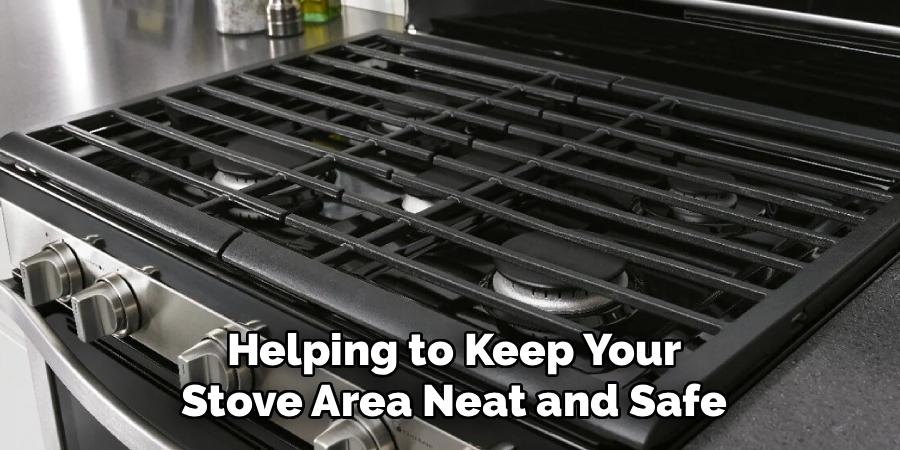
For electric stoves, avoid excessive moisture around heating elements, as it can cause electrical issues. Likewise, for gas stoves, ensure the gas supply is turned off before handling the burners or other components. Regularly checking for gas leaks using soapy water around the connections can help prevent dangerous situations. Finally, organizing cooking tools and supplies nearby can minimize accidental spills or distractions, helping to keep your stove area neat and safe.
When to Contact a Professional
While routine stove maintenance can often be handled at home, certain situations warrant the assistance of a professional. If you notice persistent gas odors, it could indicate a leak that requires immediate attention from a licensed technician. Similarly, if your electric stove experiences issues such as faulty wiring or sparks, it’s safer to call in a professional rather than attempting repairs yourself. Strange noises, uneven heating, or an inability to ignite burners may also signal underlying problems that need expert evaluation. By seeking professional help in these cases, you can ensure your stove operates safely and efficiently for years to come.
Conclusion
By following these ten methods, you can safely and effectively clean stove top grates, restoring their appearance, functionality, and longevity. From safety precautions and soaking to gentle scrubbing, using baking soda and vinegar for tough stains, rinsing, drying, and optional oiling, these steps provide comprehensive guidance for keeping your stove grates clean and well-maintained.
Regular attention to this essential component ensures optimal cooking performance and a hygienic kitchen environment. Now that you know how to clean stove top grates. While it does take a few steps each time, hopefully, now you understand the process and why it’s worth taking the extra step to make sure your floor is properly cared for. So don’t wait any longer, take action today!

About
Diane Lo is a distinguished figure in the world of kitchen innovation and culinary design, with over a decade of expertise creating functional and sustainable kitchen environments. Her professional focus lies in merging ergonomic spatial planning with modern culinary technology, fostering kitchen layouts that are both highly practical and aesthetically refined. As the lead expert at Kitchenub, Diane Lo delves into the art and science of kitchen organization, appliance selection, and workflow efficiency, inspiring home cooks and professional designers alike.
Education
Royal Melbourne Institute of Technology (RMIT University) (Melbourne, Australia) Associate Degree in Interior Design and Spatial Planning Focus on sustainable kitchen layouts, user-centric design, and ergonomic efficiency. Gained hands-on experience in high-traffic commercial kitchen modeling and advanced space-saving architecture.
Nottingham Trent University (United Kingdom) Bachelor’s in Product Design and Culinary Architecture (Honors) Specialized in the intersection of kitchen technology and lifestyle design. Participated in major industry collaborations, working with premium appliance manufacturers and cabinetry firms to gain real-world insights into modern kitchen workflows.
Publications and Impact
At Kitchenub, Diane Lo shares her expert insights on kitchen renovation processes, material durability, and strategies for achieving peak culinary productivity. Her writing effectively bridges the gap between professional culinary needs and home design, making it an essential resource for those looking to transform their kitchen into a highly efficient and welcoming heart of the home.