

Keeping your Greenpan pots and pans clean is essential for maintaining their performance and longevity. Unlike traditional cookware, Greenpan features a non-stick ceramic coating that requires special care to avoid damage. Proper cleaning techniques not only keep the surface in pristine condition but also ensure that your cookware remains safe and effective for everyday use. This guide will walk you through the best practices of how to clean greenpan pots and pans easily and effectively.
What Makes GreenPan Cookware Unique
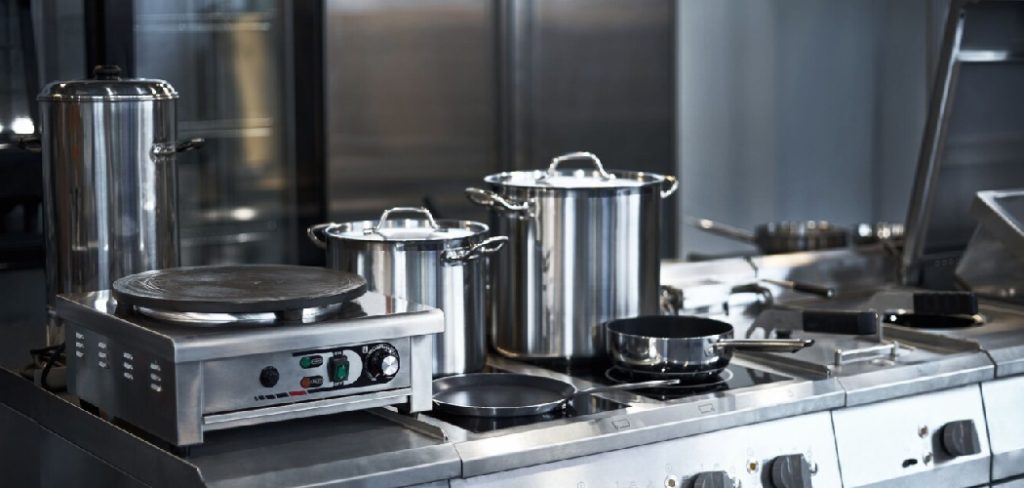
GreenPan cookware stands out due to its innovative and sustainable design. At the heart of its uniqueness is the Thermolon ceramic non-stick coating, which is derived from sand rather than conventional plastics used in traditional non-stick cookware. This coating is free from harmful chemicals such as PFAS, PFOA, lead, and cadmium, ensuring that GreenPan products are both safe and environmentally friendly. Additionally, GreenPan cookware is designed to withstand high temperatures without releasing toxic fumes, making it a healthier choice for cooking. Its durability, coupled with even heat distribution and easy cleanup, makes GreenPan a reliable and eco-conscious alternative for modern kitchens.
Difference between Ceramic Nonstick and Traditional Teflon
One of the key differences between ceramic nonstick and traditional Teflon lies in their composition and environmental impact. Ceramic nonstick coatings, like those used in GreenPan cookware, are derived from natural materials and are free of harmful chemicals such as PFAS and PFOA. Teflon, on the other hand, traditionally contains such chemicals, which can be harmful to both health and the environment, especially when exposed to high heat. Additionally, ceramic nonstick is made to withstand higher temperatures without breaking down or releasing toxic fumes, offering a safer cooking experience. While both provide nonstick properties, ceramic coatings are often considered the more sustainable and healthier option for modern kitchens.
10 Methods How to Clean Greenpan Pots and Pans
1. Wash with Warm Soapy Water After Each Use
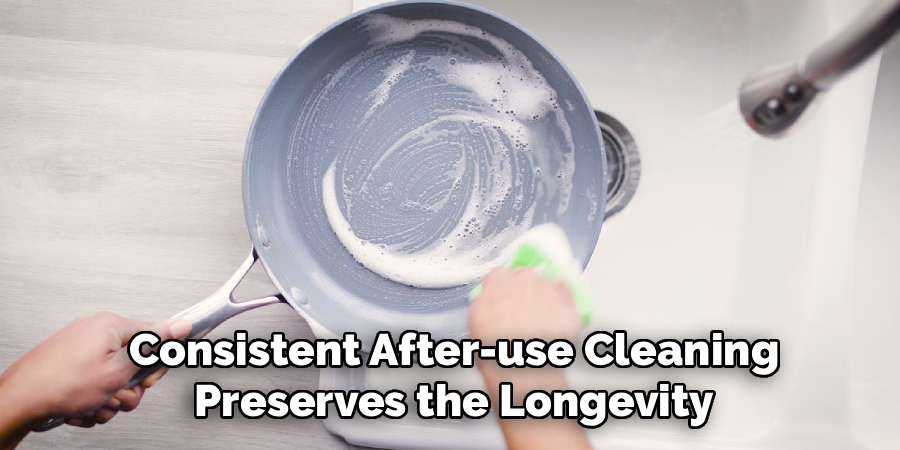
Routine cleaning of GreenPan cookware should always start with warm, soapy water immediately after use. This basic yet crucial step helps remove food residues and grease before they harden and adhere to the ceramic surface. Use a soft sponge or cloth—never steel wool or abrasive pads—as GreenPan’s ceramic coating, though durable, can lose its nonstick effectiveness if scratched. Gently lather the surface and thoroughly rinse with warm water, then dry with a soft towel to avoid water spots. Consistent after-use cleaning preserves the longevity and appearance of your pans.
2. Allow the Pan to Cool Before Washing
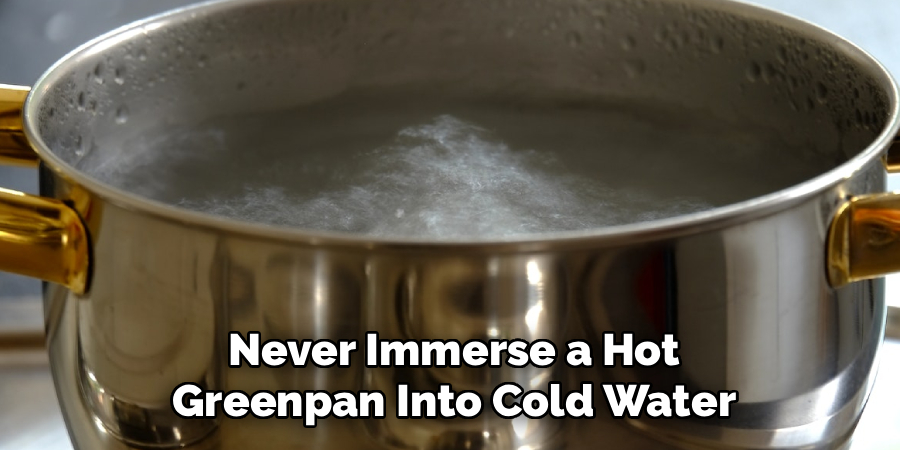
Never immerse a hot GreenPan into cold water or place it under a running tap right after cooking. Sudden temperature changes can cause the pan to warp or damage the ceramic coating. Instead, allow the pan to cool to room temperature before cleaning. This ensures the structural integrity of the cookware and makes food residues easier to clean without applying unnecessary force. Patience in this step not only extends the life of the pan but also helps maintain its smooth, nonstick surface.
3. Use Baking Soda for Stubborn Stains
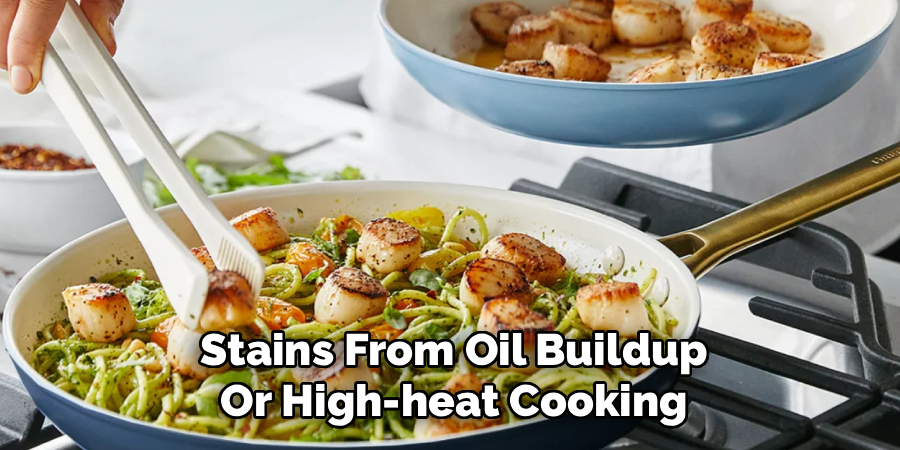
Over time, GreenPan pots and pans may develop stains from oil buildup or high-heat cooking. For such cases, a baking soda paste works as a gentle yet effective cleaner. Mix baking soda with a few tablespoons of water to form a thick paste. Apply it to stained areas and let it sit for 15 to 20 minutes. Then, gently scrub with a non-abrasive sponge in circular motions. Rinse thoroughly and dry. This natural cleaning method avoids harsh chemicals while restoring the pan’s pristine surface.
4. Avoid Harsh Cleaners and Abrasives
GreenPan’s ceramic coating is free from PFAS, PFOA, lead, and cadmium, making it a safer and more environmentally friendly choice. However, its nonstick layer can degrade if exposed to harsh chemical cleaners or scouring powders. Never use bleach, oven cleaner, or abrasive scrubbing agents on your GreenPan. Such substances can wear down the nonstick layer, leading to sticking issues over time. Stick to mild dish soap, water, and soft cleaning tools to maintain the integrity of the surface.
5. Clean the Exterior with Care
While most users focus on the interior, the exterior of GreenPan cookware also requires attention. Spills and splashes from cooking can cause the outer surface to become greasy or stained. Use the same warm water and dish soap solution for the exterior, but make sure to avoid soaking the pan’s handle (especially if it’s wood or stainless steel). A soft cloth or non-abrasive sponge works best for cleaning around handles and rims without causing scratches. Dry the pan completely after washing to maintain its polished finish.
6. Remove Burnt Food with a Soak
Burnt food stuck to the bottom of a GreenPan can be frustrating, but soaking can loosen debris without damaging the surface. Fill the pan with warm water and add a teaspoon of dish soap. Let it soak for 30 to 60 minutes. Afterward, use a wooden spoon or silicone spatula to lift off softened food particles. Never scrape the pan with metal utensils. If any residue remains, repeat the soaking process rather than scrubbing too hard. This method protects the nonstick layer while effectively removing burnt food.
7. Dry Thoroughly After Washing
Once your GreenPan is clean, it is essential to dry it completely before storing. Water left on the surface, especially around the base or rim, can lead to mineral deposits or rust (if the handle is metal). Use a soft, lint-free cloth or towel to wipe the pan dry. For best results, you can place the pan on a low-heat burner for a minute or two to evaporate any remaining moisture, especially around the handle joints. Proper drying helps keep your cookware looking new and prevents long-term damage.
8. Clean the Base of the Pan Gently
The base of a GreenPan—the part that comes in contact with burners—can collect soot, grease, or discoloration over time. To clean it, use a mixture of water, dish soap, and white vinegar. Apply the solution using a soft cloth and gently wipe the surface. If buildup persists, a paste made from baking soda and water can be applied and left for a few minutes before scrubbing lightly with a non-scratch sponge. Avoid using hard metal brushes on the base to prevent scratching or damaging induction markings.
9. Avoid Dishwasher Use for Longevity
Although some GreenPan cookware is labeled dishwasher-safe, handwashing is always the better choice for preserving the ceramic coating. Dishwashers use high heat, aggressive detergents, and prolonged soaking that can reduce the lifespan of the nonstick layer. Over time, repeated dishwasher cycles may cause the ceramic to deteriorate, leading to dullness or sticking. If you do use a dishwasher occasionally, place the pan on the top rack and use a mild detergent. However, regular handwashing is always recommended for optimal care.
10. Perform Periodic Deep Cleans
Even with daily care, GreenPan cookware benefits from a deep clean every few weeks, especially if you notice diminished nonstick performance. Create a cleaning solution using one part vinegar to three parts water, bring it to a gentle boil in the pan, and then let it cool. Pour out the solution and wash the pan with mild dish soap and a soft sponge. This method helps dissolve any built-up residues or mineral films that may interfere with the pan’s performance. Follow up by lightly oiling the surface with a paper towel and heating it gently to help restore some nonstick properties.
Alternative Methods and Tips
If vinegar is not available, a baking soda paste can be an effective alternative for cleaning your nonstick pan. Mix baking soda with a small amount of water to create a paste, then gently scrub the pan’s surface using a soft sponge. This method can help lift stubborn stains or residue without damaging the nonstick coating.
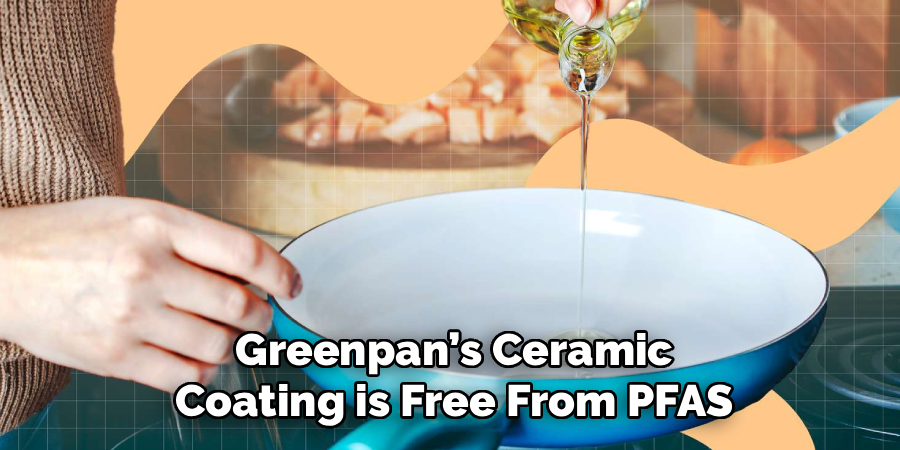
For daily maintenance, avoid using metal utensils or abrasive cleaning tools that can scratch the coating. Instead, opt for silicone, wooden, or nylon utensils, and wash the pan by hand with warm water and mild dish soap. Prolong the lifespan of your pan by allowing it to cool completely before washing, as sudden temperature changes can warp the material.
Lastly, consider using moderate heat settings when cooking. High temperatures can degrade the nonstick surface over time, reducing its effectiveness. By following these simple tips and using gentle alternatives you can keep your nonstick cookware performing at its best for years to come.
Conclusion
Caring for GreenPan pots and pans involves a mindful blend of gentleness, patience, and consistency. By using these 10 carefully crafted methods, you can preserve the brilliance of the ceramic nonstick surface, ensuring long-lasting performance, food safety, and cooking satisfaction. From routine rinsing to deep cleans and proper drying, each step plays a vital role in keeping your cookware clean and effective for years. Embracing these simple yet thorough practices will reward you with healthy meals and a kitchen full of cookware that always looks and performs its best. Thanks for reading our blog post on how to clean greenpan pots and pans! We hope you found it helpful and informative.

About
Diane Lo is a distinguished figure in the world of kitchen innovation and culinary design, with over a decade of expertise creating functional and sustainable kitchen environments. Her professional focus lies in merging ergonomic spatial planning with modern culinary technology, fostering kitchen layouts that are both highly practical and aesthetically refined. As the lead expert at Kitchenub, Diane Lo delves into the art and science of kitchen organization, appliance selection, and workflow efficiency, inspiring home cooks and professional designers alike.
Education
Royal Melbourne Institute of Technology (RMIT University) (Melbourne, Australia) Associate Degree in Interior Design and Spatial Planning Focus on sustainable kitchen layouts, user-centric design, and ergonomic efficiency. Gained hands-on experience in high-traffic commercial kitchen modeling and advanced space-saving architecture.
Nottingham Trent University (United Kingdom) Bachelor’s in Product Design and Culinary Architecture (Honors) Specialized in the intersection of kitchen technology and lifestyle design. Participated in major industry collaborations, working with premium appliance manufacturers and cabinetry firms to gain real-world insights into modern kitchen workflows.
Publications and Impact
At Kitchenub, Diane Lo shares her expert insights on kitchen renovation processes, material durability, and strategies for achieving peak culinary productivity. Her writing effectively bridges the gap between professional culinary needs and home design, making it an essential resource for those looking to transform their kitchen into a highly efficient and welcoming heart of the home.