

Avocado oil is a versatile and nutrient-rich oil that has gained popularity for both cooking and skincare applications. Proper storage is essential to maintain its quality, flavor, and nutritional benefits over time. Understanding the best practices for storing avocado oil can help extend its shelf life and ensure you get the most out of this healthy oil.
In this blog post, we’ll walk you through the steps on how to store avocado oil so that you can get back to using it in no time! So grab your tools, and let’s get started!
Does Avocado Oil Go Bad?
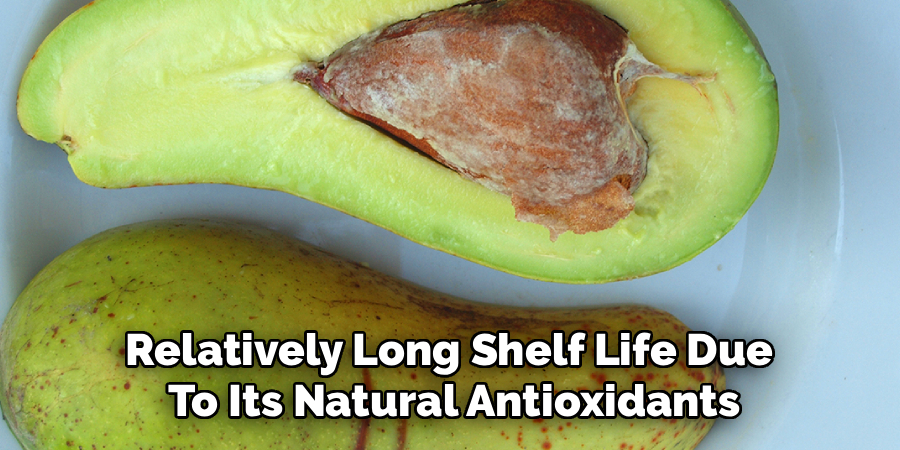
Like any natural oil, avocado oil can go bad over time if not stored properly. Although it has a relatively long shelf life due to its natural antioxidants, exposure to light, heat, and air can accelerate the degradation process. Signs that your avocado oil has gone bad incude a rancid smell, off taste, or a cloudy appearance even when stored in a cool environment.
To ensure freshness, always check the expiration date on the bottle and store the oil in a dark, cool place—ideally in a tightly sealed container to minimize contact with oxygen. With proper care, high-quality avocado oil can remain fresh for up to 12 months after opening.
Typical Shelf Life of Unopened and Opened Bottles
Unopened bottles of avocado oil generally have a shelf life of 18 to 24 months if stored in optimal conditions. The oil remains stable due to its sealed packaging, which prevents exposure to light, heat, and oxygen.
Once opened, however, the shelf life reduces to approximately 6 to 12 months, depending on how well it is stored. Ensuring the bottle is tightly sealed after each use and kept in a cool, dark place can help extend its freshness and prevent spoilage.
10 Methods How to Store Avocado Oil
1. Store Avocado Oil in a Cool, Dark Place
One of the most fundamental methods for storing avocado oil is to keep it in a cool, dark location, such as a pantry or kitchen cabinet. Exposure to heat and light accelerates the degradation of oil, which results in rancidity and a loss of nutritional value. Avocado oil contains monounsaturaed fats, which are more stable than polyunsaturated fats but still vulnerable to oxidation.
To maintain its integrity, the oil should be kept away from stovetops, ovens, and windowsills. Ideal storage conditions range from 10°C to 21°C (50°F to 70°F). A pantry that remains consistently cool throughout the day is optimal. Storing avocado oil this way ensures its freshness for several months after opening.
2. Use Dark-Colored or Opaque Bottles
Avocado oil should always be stored in dark-colored or opaque containers to shield it from harmful ultraviolet (UV) rays. UV light speeds up the oxidation process, reducing the oil’s shelf life and potentially turning it rancid. Manufacturers typically sell high-quality avocado oil in dark green or amber bottles for this exact reason.
If you buy your oil in a clear bottle or in bulk, consider transferring it to a darker glass bottle before storage. This simple switch can significantly improve the oil’s longevity by preventing light exposure. Additionally, always make sure the bottle is tightly sealed to keep out air and moisture.
3. Seal the Container Tightly After Each Use
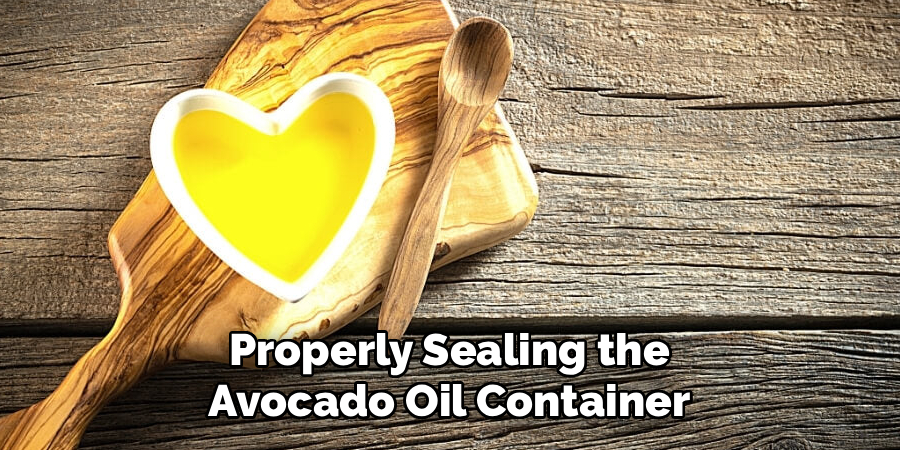
Properly sealing the avocado oil container after each use is crucial to preventing air exposure, which leads to oxidation and spoilage. When air comes into contact with the oil, it breaks down its chemical structure and causes the flavor to deteriorate over time. Always twist the cap on firmly and check for any leaks or loose lids.
If your bottle has a spout or pourer, be sure it has a cap or plug that can be secured after pouring. For extra precaution, you may place a piece of plastic wrap over the mouth of the bottle before sealing it. Reducing air contact will maintain freshness and flavor for longer periods.
4. Store in the Refrigerator for Extended Shelf Life
While avocado oil does not require refrigeration, keeping it in the refrigerator can prolong its shelf life, especially in warmer climates. This is particularly helpful if you live in a region where the ambient room temperature exceeds 21°C (70°F) for extended periods. Refrigerated avocado oil may become cloudy or solidify due to the cold temperature, but this does not harm the oil or indicate spoilage.
It will return to a clear, pourable consistency once brought to room temperature. If you plan to store your oil for several months, refrigeration is one of the best ways to retain its nutritional value and prevent spoilage.
5. Avoid Storing Near Heat Sources
One of the most common mistakes people make when storing avocado oil is placing it near heat-producing appliances like stoves, ovens, or microwaves. Even brief exposure to heat can cause the oil to break down more quickly, compromising both taste and health benefits. Instead, select a storage spot well away from any sources of heat.
For instance, a cabinet across the kitchen or a drawer that stays relatively cool throughout the day is a better choice. Heat exposure can be cumulative and gradual, so consistent care in choosing the right storage location will ensure your oil remains fresh and effective.
6. Transfer to Smaller Bottles After Opening
If you purchase avocado oil in a large container but only use it occasionally, transferring a portion into a smaller bottle for daily use can help minimize air exposure to the full batch. Each time the large container is opened, it allows air to seep in, accelerating oxidation.
By separating it into smaller, tightly sealed bottles, you reduce how often the main container is opened. This technique is especially useful for households that use avocado oil primarily for dressings or occasional cooking rather than regular use. It’s also easier to handle and pour smaller bottles, reducing the chances of spills or contamination.
7. Always Use Clean Utensils When Handling Oil
Another effective method for preserving avocado oil is to ensure cleanliness when using it. Avoid dipping used or wet utensils into the oil, as this introduces contaminants and moisture that can hasten spoilage. Always pour the oil directly from the bottle instead of scooping it out or transferring it with spoons or brushes.

If you need to use a utensil, make sure it’s clean and dry. Contaminants, especially from water or food particles, can lead to bacterial growth or alter the oil’s chemical composition. Maintaining sanitary handling practices will help extend the oil’s quality and safety.
8. Check Expiration and Use-By Dates
When purchasing or storing avocado oil, always check the expiration or “best by” date printed on the bottle. Even unopened oil can degrade over time, especially if improperly stored. Make a habit of using older bottles first, and write the opening date on the label so you can track its age.
While avocado oil generally remains usable for 6 to 12 months after opening, using it within this timeframe ensures optimal taste and nutritional benefit. If you detect an off smell, bitter flavor, or cloudy consistency that doesn’t clear at room temperature, the oil may have turned and should be discarded.
9. Avoid Frequent Temperature Fluctuations
Another important factor in avocado oil storage is maintaining a consistent temperature. Repeated cycles of heating and cooling can compromise the oil’s stability. For example, storing it in a cabinet that gets warm during the day and cool at night causes condensation to form inside the bottle.
This moisture can contribute to spoilage. For best results, pick a storage location where the temperature is steady. Avoid moving the oil between warm and cold environments, such as from a hot kitchen counter to a refrigerator and back again. Stability is key in preserving the oil’s integrity.
10. Consider Vacuum-Sealing or Nitrogen Flushing for Long-Term Storage
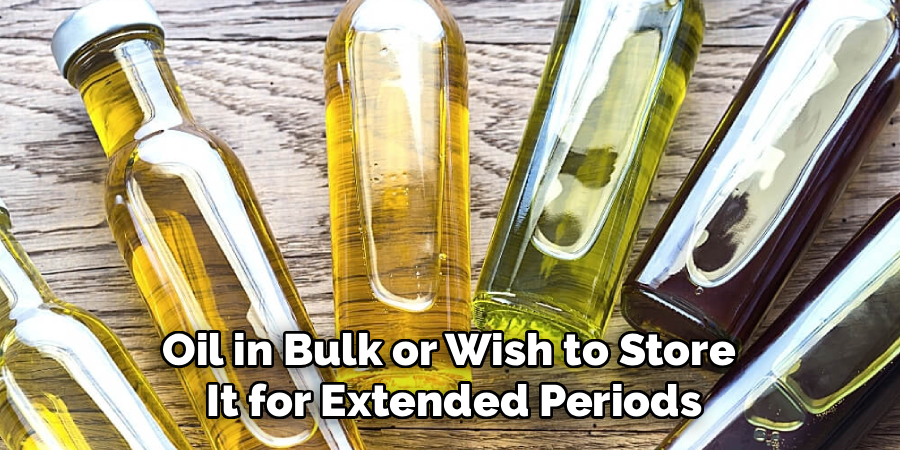
For those who purchase avocado oil in bulk or wish to store it for extended periods, vacuum sealing or nitrogen flushing can be an excellent method. Nitrogen flushing displaces oxygen inside the bottle, creating a vacuum-like environment that drastically slows oxidation.
Some commercial brands already use this process before sealing their products. At home, vacuum-sealing equipment designed for liquids can serve the same purpose. This method is especially useful for high-end oils or when storing oil in emergency food supplies. Though more advanced, these methods ensure your avocado oil remains as fresh and potent as possible for long durations.
Conclusion
Storing avocado oil properly is essential to preserving its rich, buttery flavor and potent health benefits. From using dark glass bottles and sealing containers tightly to refrigeration and avoiding heat exposure, each method serves a distinct purpose in combating oxidation and spoilage. By implementing these storage strategies, you can ensure your avocado oil stays fresh and functional for cooking, skincare, or nutritional use.
Thanks for reading our blog post on how to store avocado oil! We hope you found it helpful and informative.

About
Diane Lo is a distinguished figure in the world of kitchen innovation and culinary design, with over a decade of expertise creating functional and sustainable kitchen environments. Her professional focus lies in merging ergonomic spatial planning with modern culinary technology, fostering kitchen layouts that are both highly practical and aesthetically refined. As the lead expert at Kitchenub, Diane Lo delves into the art and science of kitchen organization, appliance selection, and workflow efficiency, inspiring home cooks and professional designers alike.
Education
Royal Melbourne Institute of Technology (RMIT University) (Melbourne, Australia) Associate Degree in Interior Design and Spatial Planning Focus on sustainable kitchen layouts, user-centric design, and ergonomic efficiency. Gained hands-on experience in high-traffic commercial kitchen modeling and advanced space-saving architecture.
Nottingham Trent University (United Kingdom) Bachelor’s in Product Design and Culinary Architecture (Honors) Specialized in the intersection of kitchen technology and lifestyle design. Participated in major industry collaborations, working with premium appliance manufacturers and cabinetry firms to gain real-world insights into modern kitchen workflows.
Publications and Impact
At Kitchenub, Diane Lo shares her expert insights on kitchen renovation processes, material durability, and strategies for achieving peak culinary productivity. Her writing effectively bridges the gap between professional culinary needs and home design, making it an essential resource for those looking to transform their kitchen into a highly efficient and welcoming heart of the home.