

A galley kitchen is a highly efficient, streamlined layout designed to maximize functionality in a compact space. Named after the kitchens found on ships, this design typically features two parallel countertops with a walkway in between, making every essential within easy reach.
Whether you have a small apartment or simply prefer a minimalist layout, organizing a galley kitchen effectively can help you make the most of the space while ensuring convenience and style. This guide explores the key aspects of how to organize a galley kitchen.
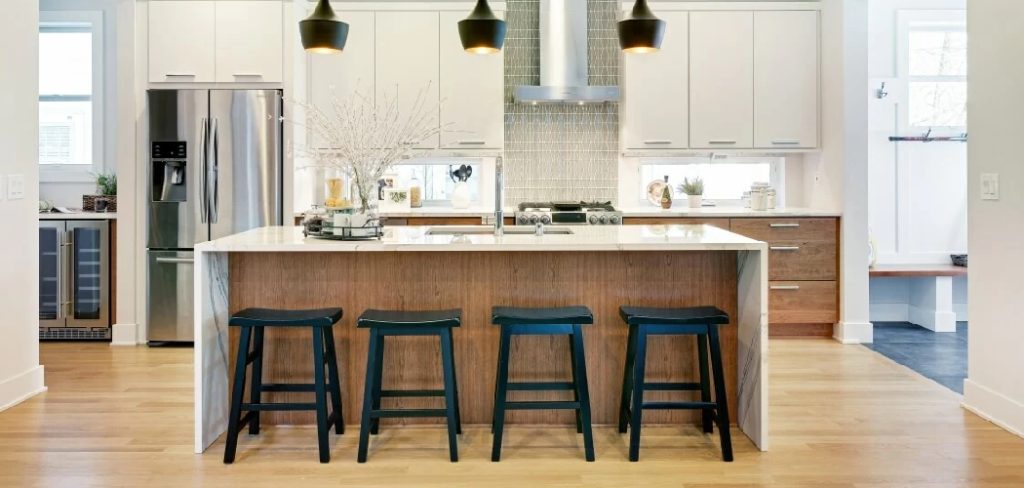
What Is a Galley Kitchen and Uniqueness of It
A galley kitchen is a long, narrow kitchen layout characterized by two parallel countertops with a walkway or corridor in between. This design mimics the efficient and compact kitchens found on ships, where space is limited and functionality is paramount. The linear format encourages a practical work triangle, often positioning the sink, stove, and refrigerator within close proximity to enhance workflow. This layout is particularly suited for smaller homes or apartments, maximizing available space while maintaining a stylish and organized appearance.
10 Methods How to Organize a Galley Kitchen
1. Maximize Vertical Storage with Wall-Mounted Shelving and Hooks
In a galley kitchen, where horizontal space is limited, utilizing the vertical plane becomes essential for effective organization. Installing open shelving above countertops or near cooking areas allows frequently used items like spices, dishes, or small appliances to be stored within easy reach without cluttering precious counter space.
Additionally, wall-mounted hooks or magnetic strips can be employed to hang utensils, pots, pans, or even cutting boards. These vertical storage solutions not only free up drawer and cabinet space but also create a tidy, accessible kitchen environment.
Keeping often-used tools at eye level minimizes unnecessary movement and enhances cooking efficiency, which is particularly beneficial in a narrow, confined area like a galley kitchen.
2. Use Drawer Organizers and Dividers for Better Accessibility
Drawers in galley kitchens can quickly become chaotic if not organized properly. To avoid rummaging through clutter, invest in drawer organizers and dividers tailored to your needs. Utensils, measuring spoons, baking tools, and even small gadgets can each have designated compartments that simplify access and storage.
Customizable dividers allow flexibility as your kitchen needs evolve. Neatly arranged drawers not only improve functionality but also contribute to a sense of order and calm. This method is especially important in a galley kitchen where space is tight and efficiency is crucial.
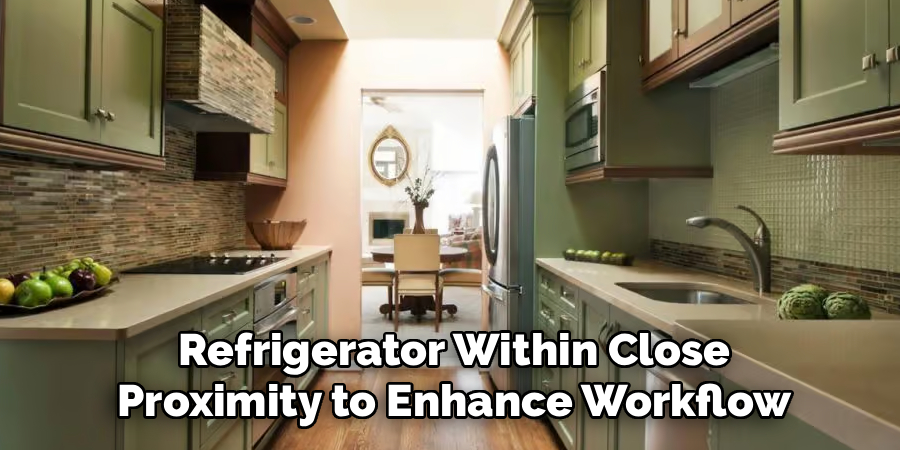
3. Adopt the Zone Method for Strategic Functionality
Organizing a galley kitchen by functional zones—such as prep, cook, clean, and store—enhances workflow and minimizes unnecessary movement. For example, place cutting boards, knives, and mixing bowls near prep areas, while pots, pans, and spatulas should reside close to the stove.
Dishes, drying racks, and cleaning supplies belong near the sink, and dry goods or containers should be near food storage zones. By categorizing kitchen tasks and storing items accordingly, this method ensures that everything needed for a particular task is within arm’s reach, reducing congestion and increasing overall efficiency.
4. Choose Slim and Stackable Storage Containers
In a compact kitchen, bulky storage items can consume valuable space. Opt for slim, stackable containers for dry goods, leftovers, and pantry items. Clear plastic or glass containers with tight-fitting lids make it easier to see contents, avoid duplicates, and keep everything fresh.
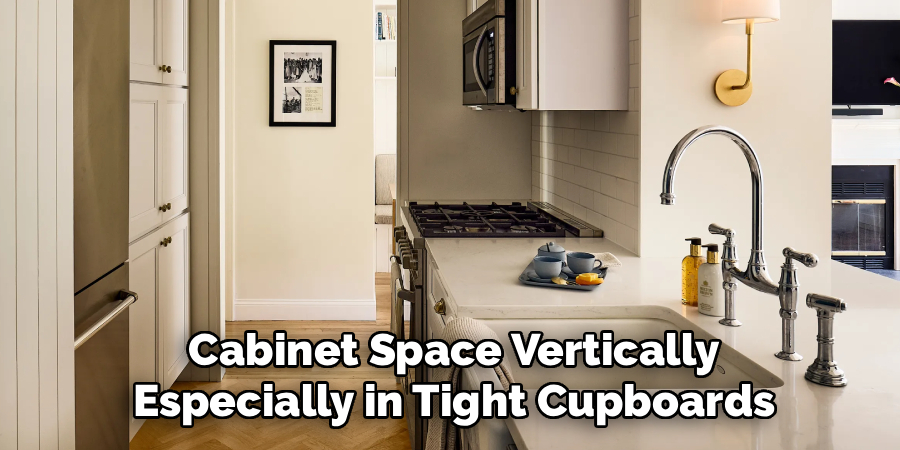
Stacking containers of uniform size maximizes shelf and cabinet space vertically, especially in tight cupboards. Labeling these containers adds another layer of organization and helps maintain order over time. This method minimizes visual clutter and enhances the aesthetic harmony of your galley kitchen.
5. Install a Pull-Out Pantry or Rolling Cart
For galley kitchens lacking a dedicated pantry, a pull-out pantry installed between cabinets or a slim rolling cart can make all the difference. These vertical, narrow solutions can house a surprising number of canned goods, jars, and snacks without occupying much floor space.
Pull-out units offer quick access to contents while keeping everything neatly hidden when not in use. A rolling cart can also serve multiple purposes—such as extra prep space, a mobile pantry, or even a beverage station. These additions bring a significant boost in storage while maintaining the flow and minimalism of the kitchen layout.
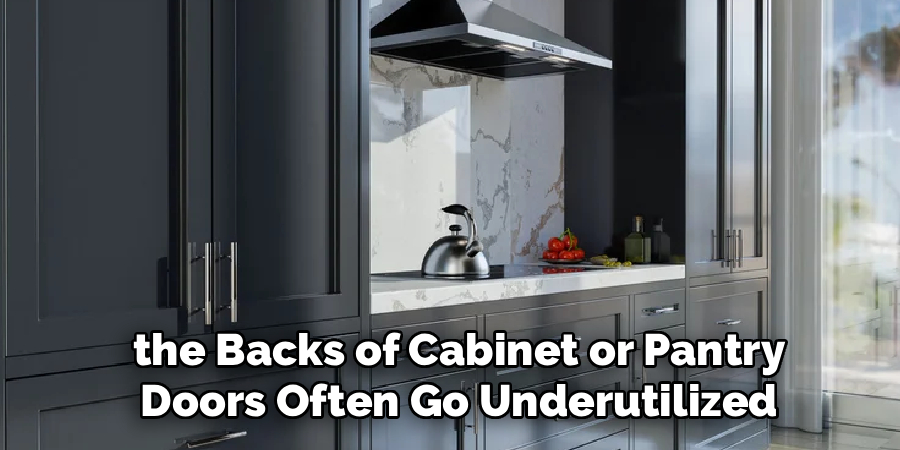
6. Utilize the Backs of Cabinet and Closet Doors
Every inch counts in a galley kitchen, and the backs of cabinet or pantry doors often go underutilized. Install over-the-door organizers, wire racks, or adhesive hooks to hold pot lids, dish towels, spice jars, or cleaning supplies. These hidden storage solutions are perfect for lightweight items and keep clutter off the counters.
They make the most of unused space while keeping essentials easily accessible. By capitalizing on these small, often-overlooked areas, your galley kitchen will feel more spacious and functionally optimized.
7. Keep Countertops Clear by Storing Small Appliances Wisely
Countertop space is highly valuable in a galley kitchen, and it can quickly become overwhelmed by small appliances. To maintain a clean, organized look, store items like toasters, blenders, and coffee makers in lower cabinets or designated appliance garages.
Only keep essentials that are used daily on the counter, and store less frequently used gadgets out of sight. This not only frees up workspace for meal preparation but also makes the kitchen feel less cramped. Clear countertops also allow more light reflection, visually expanding the narrow space of a galley kitchen.
8. Implement a One-In, One-Out Rule
A successful organizational strategy in any small kitchen is the discipline of owning only what you truly need. The one-in, one-out rule encourages mindful purchasing by requiring that for every new item added—such as a gadget, container, or dish—an old one must be removed. This method helps curb clutter and ensures that storage space is never overwhelmed. Regularly evaluating what you use and what you don’t makes organization more sustainable and keeps your galley kitchen running efficiently without overflow.
9. Add Under-Shelf Baskets or Risers
To optimize cabinet space, under-shelf baskets and risers offer an ingenious way to add layers within your existing shelving. These additions create additional platforms for stacking mugs, dishes, or canned items, preventing wasted vertical space inside cupboards.
Risers are especially useful in storing plates and bowls of different sizes, while under-shelf baskets can hold lids, snacks, or even linens. These tools allow you to keep categories of items separated and easy to access, reducing clutter and frustration during meal prep or cleanup.
10. Rotate and Refresh Items Seasonally
Finally, consider organizing your galley kitchen seasonally. Items used more frequently during a specific time of year—such as slow cookers in winter or grilling tools in summer—should be moved to more accessible areas when in use and stored away during their off-season. Rotating these items allows you to make room for what matters most at the moment, keeping your kitchen dynamic and clutter-free. Seasonal organization also gives you an opportunity to reassess expired foods, worn-out utensils, and non-essentials, ensuring your limited space remains current and functional year-round.
Troubleshooting Common Issues
Even with a well-organized kitchen, certain challenges can arise during day-to-day use. One common issue is difficulty finding specific items when needed. To address this, consider implementing clear labels for containers, bins, and shelves, or creating a simple inventory list for frequently used items.
Another problem is overcrowding in drawers or cabinets, which can make it hard to access what you need. This can often be resolved by using drawer dividers, tiered organizers, or even adding wall-mounted storage solutions. Additionally, keeping high-traffic surfaces tidy can be a challenge, especially in busy households.
Regularly dedicating time to declutter countertops and keeping only the essentials visible not only improves functionality but also creates a visually calming workspace. By identifying and resolving these common issues, your kitchen can remain efficient and enjoyable to use.
When to Contact a Professional
While many kitchen organization tasks can be handled independently, there are times when contacting a professional may be the best option. For instance, if you’re planning a significant kitchen remodel, a professional organizer or designer can help optimize your space and ensure that it meets both your functional and aesthetic needs. Additionally, if storage issues persist despite your efforts, a professional can assess your kitchen layout and recommend custom solutions, such as built-in cabinetry or specialized storage systems. Furthermore, for those with limited time or physical constraints, hiring a professional can streamline the process and create a tailored, efficient space without added stress.

Conclusion
Organizing a galley kitchen requires strategic thinking, creative storage solutions, and consistent maintenance. By utilizing vertical space, implementing functional zones, choosing efficient containers, and staying disciplined about clutter, you can transform even the narrowest of kitchens into a highly functional, stylish, and efficient space. Thanks for reading our blog post on how to organize a galley kitchen! We hope you found it helpful and informative.

About
Diane Lo is a distinguished figure in the world of kitchen innovation and culinary design, with over a decade of expertise creating functional and sustainable kitchen environments. Her professional focus lies in merging ergonomic spatial planning with modern culinary technology, fostering kitchen layouts that are both highly practical and aesthetically refined. As the lead expert at Kitchenub, Diane Lo delves into the art and science of kitchen organization, appliance selection, and workflow efficiency, inspiring home cooks and professional designers alike.
Education
Royal Melbourne Institute of Technology (RMIT University) (Melbourne, Australia) Associate Degree in Interior Design and Spatial Planning Focus on sustainable kitchen layouts, user-centric design, and ergonomic efficiency. Gained hands-on experience in high-traffic commercial kitchen modeling and advanced space-saving architecture.
Nottingham Trent University (United Kingdom) Bachelor’s in Product Design and Culinary Architecture (Honors) Specialized in the intersection of kitchen technology and lifestyle design. Participated in major industry collaborations, working with premium appliance manufacturers and cabinetry firms to gain real-world insights into modern kitchen workflows.
Publications and Impact
At Kitchenub, Diane Lo shares her expert insights on kitchen renovation processes, material durability, and strategies for achieving peak culinary productivity. Her writing effectively bridges the gap between professional culinary needs and home design, making it an essential resource for those looking to transform their kitchen into a highly efficient and welcoming heart of the home.