

Non-stick griddles are a game-changer in the kitchen, offering an easy and efficient way to cook anything from pancakes to grilled cheese. However, maintaining their non-stick surface requires proper cleaning techniques to ensure they stay in great condition without losing their ability to prevent food from sticking. Cleaning a non-stick griddle is simple, but it requires careful steps to avoid damaging the delicate coating. If you’re wondering how to clean non stick griddle surfaces effectively, this guide will walk you through the entire process to keep your griddle spotless and functional for years.
Start by allowing the griddle to cool completely before beginning the cleaning process. Once cooled, use a soft cloth or sponge with warm, soapy water to gently wipe the surface. Avoid using abrasive scrubbers or steel wool, as these can scratch and damage the non-stick coating. For stubborn residue, create a baking soda paste by mixing baking soda and a small amount of water, and use it to softly scrub the area. Rinse thoroughly with warm water and dry completely with a clean towel to prevent water spots. Regular maintenance like this will not only preserve the non-stick quality but also extend the life of your griddle.
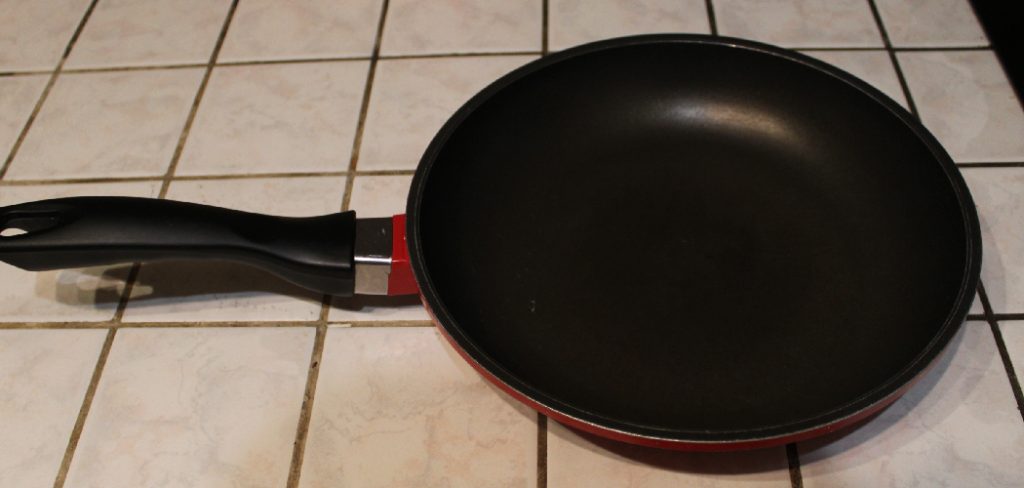
Cleaning a Non-Stick Griddle
To properly clean a non-stick griddle, you will need the following items:
- Warm water
- Mild dish soap or non-abrasive cleaner
- Soft sponge or cloth
- Plastic scraper (optional)
First, let the griddle cool down completely before beginning the cleaning process. This is important to avoid damaging the non-stick coating.
Next, fill your sink or a large container with warm water and add a small amount of mild dish soap or non-abrasive cleaner. Submerge the soft sponge or cloth into the soapy water and wring out any excess liquid.
Gently scrub the surface of the griddle in circular
Why Proper Cleaning Extends the Life of Your Non-Stick Griddle
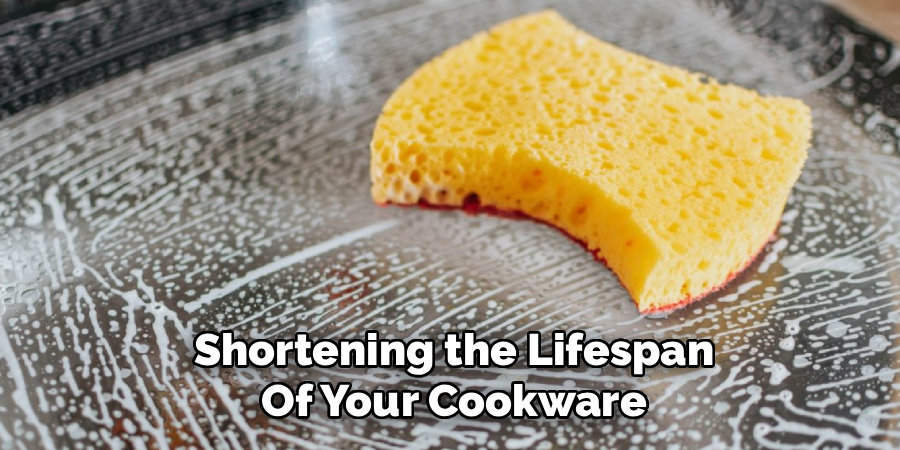
When it comes to non-stick cookware, proper cleaning is essential. Incorrect cleaning methods, such as using abrasives or metal utensils, can degrade the non-stick layer, leading to food sticking and shortening the lifespan of your cookware. By following the right steps, you’ll not only preserve the non-stick surface but also prevent the buildup of grease and residue that can negatively impact your food’s taste and quality. With the right care, your non-stick griddle will remain a reliable cooking tool in your kitchen for a long time.
Here are some additional tips for properly maintaining and caring for your non-stick griddle:
- Avoid using metal utensils when cooking on your non-stick griddle. Instead, opt for silicone, plastic, or wooden utensils that won’t scratch or damage the surface.
- When cleaning your griddle, use a soft sponge or cloth to avoid scratching the non-stick coating. You can also use a mild dish soap and warm water to gently clean any residue or grease.
- It’s important to dry your griddle thoroughly after washing it. Excess moisture left on the surface can cause rusting or other damage over time.
- If you notice any scratches or chips on the non-st
9 Effective Steps on How to Clean Non Stick Griddle
Whether you spilled batter or accidentally left oil marks behind, this section will provide a comprehensive, step-by-step guide for cleaning your non-stick griddle. Follow these easy steps to maintain both its cleanliness and functionality.
Step 1: Allow the Griddle to Cool Completely
After cooking, resist the urge to clean your non-stick griddle immediately. Cleaning it while it’s still hot can result in burns and might warp the surface if exposed to cold water. Allow the griddle to cool down completely to make handling it safer and more effective. A cool griddle is also less likely to experience thermal shock, which could compromise its integrity over time.
Once cooled, use a soft cloth or paper towel to gently wipe away any loose crumbs or food residue before moving on to the cleaning process.
Step 2: Use a Damp Cloth for Light Cleaning
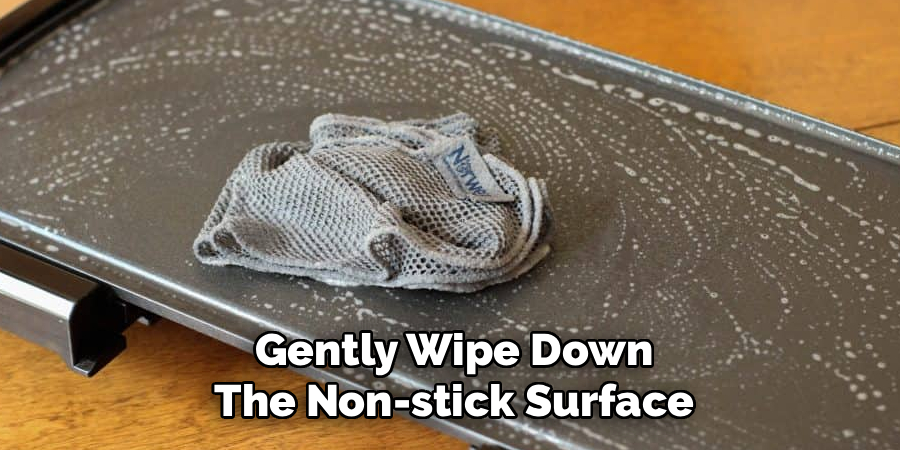
For minor messes, like grease splatters or light food stains, a simple damp cloth may be all you need. Wet the cloth with warm water, wring it out, and gently wipe down the non-stick surface.
If needed, add a drop of mild dish soap to create a soapy lather. Avoid aggressive scrubbing, as this could scratch the griddle’s non-stick coating. A microfiber cloth is ideal for this step because it lifts away dirt without causing harm.
Step 3: Handle Stubborn Residue with a Soft Sponge
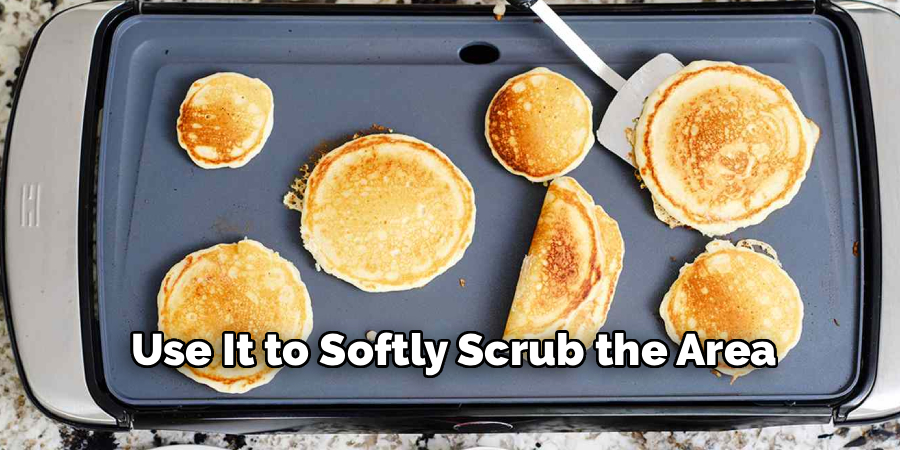
If food particles are stuck to the surface, tackle them using a soft, non-abrasive sponge. Moisten the sponge in warm, soapy water and gently scrub the stained areas in a circular motion. The key is to be gentle—pressing too hard might damage the coating.
For harder-to-remove residue, soak a damp towel in soapy water and lay it directly over the griddle’s surface for about 15 minutes. This can help to loosen baked-on food without requiring excessive elbow grease.
Step 4: Avoid Using Abrasive Cleaning Tools
One of the most important steps in cleaning a non-stick griddle is steering clear of abrasive tools. Never use steel wool, harsh scouring pads, or metal utensils on the griddle, as these can scratch and wear down the non-stick surface.
Stick to sponges or nylon scrubbing pads labeled safe for non-stick cookware. These tools effectively clean without causing harm, preserving your griddle’s performance and appearance.
Step 5: Rinse Thoroughly to Remove Soap Residue
After cleaning with soap and water, it’s crucial to rinse away any remaining soap residue to avoid buildup. Use warm water to thoroughly rinse the surface, ensuring no suds are left behind.
Soap residue can affect the taste of your food if not properly removed, so take the time to rinse carefully. Once cleaned, allow the griddle to dry completely or towel-dry it with a soft cloth.
Step 6: Tackle Grease Buildup
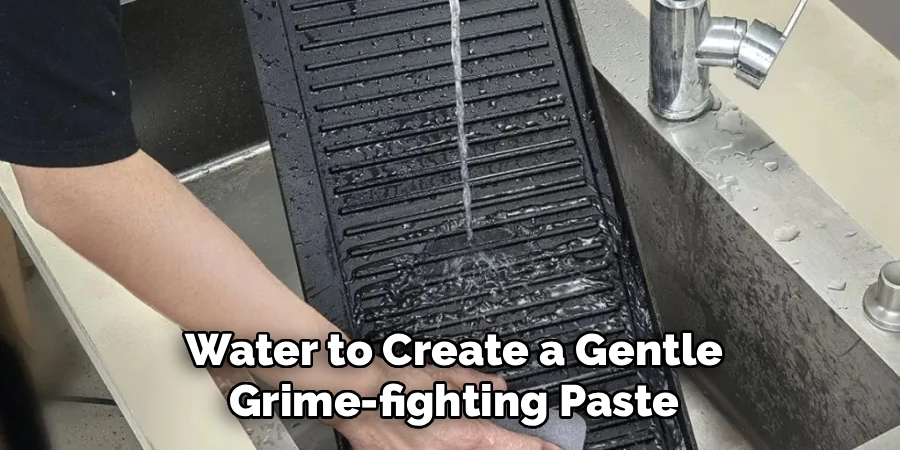
If your non-stick griddle has accumulated grease stains over time, you’ll need to address them before they set and become permanent. Mix equal parts baking soda and water to create a gentle, grime-fighting paste. Apply the paste lightly to greasy areas, then rub it on the surface with a soft cloth. Always rinse thoroughly afterward to ensure no residue is left behind.
For especially resilient grease stains, white vinegar, diluted with water, can act as a natural degreaser. This eco-friendly solution helps dissolve oil while being safe for non-stick surfaces.
Step 7: Clean the Edges and Handles
Don’t overlook the edges and handles of your griddle—they can collect grease and grime, too. Use a damp sponge or cloth to wipe these areas, ensuring that your entire griddle is clean and residue-free.
Pay attention to any grooves or small crevices in the handles, as food particles and oils can easily get trapped there. A small brush or soft toothbrush can help you clean these hard-to-reach spots effectively.
Step 8: Season the Griddle Occasionally
Seasoning isn’t just for cast iron griddles—it can also benefit your non-stick variety. Lightly rub a small amount of neutral cooking oil, like vegetable or canola, over the griddle surface after cleaning and drying. This step helps maintain the non-stick coating and adds an extra layer of protection against wear and tear.
Season lightly and use only a thin layer of oil to avoid sticky residue buildup. Do this periodically, especially if your griddle begins to lose its non-stick performance.
Step 9: Store Your Non-Stick Griddle Properly
After cleaning, it’s vital to store your non-stick griddle correctly to prevent scratches or damage. Avoid stacking it directly with other cookware unless you’ve placed a protective layer, like a cloth or silicone mat, between each piece.
Proper storage ensures that the non-stick surface remains flawless and ready for your next culinary adventure.
Common Mistakes to Avoid
Even with proper use and care, certain mistakes can damage your non-stick griddle or reduce its performance. Here are some common pitfalls to steer clear of:
Using Metal Utensils
Avoid using metal spatulas, forks, or knives on your non-stick griddle, as they can scratch or chip the coating. Opt for silicone, wooden, or heat-resistant plastic utensils instead.
Overheating
Exposing your griddle to excessively high temperatures can weaken the non-stick surface over time. Always follow the manufacturer’s recommended heat settings to prolong its lifespan.
Skipping Pre-Cleaning
Cooking on a dirty griddle can lead to food residue buildup and uneven cooking. Ensure the surface is properly cleaned before each use to maintain optimal performance.
Harsh Cleaning Methods
Scrubbing your non-stick griddle with abrasive pads or harsh cleaners can ruin the coating. Stick to gentle sponges and mild detergents for cleaning.
Improper Storage
Failing to use protective layers when storing your griddle with other cookware can result in scratches or dents. Always take care to store it properly as outlined earlier.
By avoiding these mistakes, you can extend the life of your non-stick griddle and ensure it delivers the best cooking results every time.
Frequently Asked Questions
1. Can I Use Dishwasher to Clean My Non-Stick Griddle?
While some non-stick griddles are labeled dishwasher-safe, hand washing is always the preferred method. Dishwashers can expose the griddle to harsh detergents and high temperatures that may deteriorate the coating over time. Hand washing with a gentle sponge and mild soap is safer and more effective in preserving the non-stick surface.
2. Why Does Food Stick to My Non-Stick Griddle After Cleaning?
Several factors can cause food to stick, even after cleaning. Overheating the griddle can not damage the non-stick coating, making it less effective over time. Residual grease or soap may also affect the surface. Ensure you rinse thoroughly after cleaning and avoid using high heat during cooking.
3. How Can I Remove Burnt Food Without Damaging the Surface?
For burnt food, avoid the temptation to scrape aggressively. Using a soft sponge, gently scrub the surface until all residue is removed. Baking soda paste can also be effective for cleaning stubborn burns.
4. Is Seasoning Necessary for Non-Stick Griddles?
Seasoning helps maintain the griddle’s non-stick properties by creating an additional protective layer. While not required after every use, seasoning occasionally can improve your griddle’s long-term performance. Use a light coating of oil after cleaning and drying to achieve the best results.
5. How Often Should I Clean My Non-Stick Griddle?
You should clean your non-stick griddle after every use to remove grease and food particles. Regular cleaning prevents buildup and keeps the surface in optimal condition. For lighter use, deep cleaning with a baking soda paste or vinegar solution can be done monthly.
Conclusion
A non-stick griddle is an essential kitchen tool, but it requires proper care to remain efficient and durable. By learning how to clean non stick griddle surfaces correctly, you can extend its lifespan and ensure effortless cooking every time. Remember to be gentle, use the right materials, and maintain a regular cleaning routine. With these steps, your griddle will stay in peak condition, ready to deliver evenly cooked meals for years to come. Why not start cleaning your non-stick griddle today and enjoy hassle-free cooking tomorrow?
As you continue to use your non-stick griddle, it is important to also keep an eye out for any signs of wear and tear. Over time, the non-stick coating may begin to chip or peel off, reducing its effectiveness in preventing food from sticking. If you notice this happening, it may be time to replace your griddle.
In addition to regular cleaning and maintenance, there are a few other tips that can help keep your non-stick griddle in top condition. When cooking, avoid using metal utensils as they can scratch and damage the surface of the griddle. Instead, opt for silicone or wooden utensils which are gentler on the coating.

About
Diane Lo is a distinguished figure in the world of kitchen innovation and culinary design, with over a decade of expertise creating functional and sustainable kitchen environments. Her professional focus lies in merging ergonomic spatial planning with modern culinary technology, fostering kitchen layouts that are both highly practical and aesthetically refined. As the lead expert at Kitchenub, Diane Lo delves into the art and science of kitchen organization, appliance selection, and workflow efficiency, inspiring home cooks and professional designers alike.
Education
Royal Melbourne Institute of Technology (RMIT University) (Melbourne, Australia) Associate Degree in Interior Design and Spatial Planning Focus on sustainable kitchen layouts, user-centric design, and ergonomic efficiency. Gained hands-on experience in high-traffic commercial kitchen modeling and advanced space-saving architecture.
Nottingham Trent University (United Kingdom) Bachelor’s in Product Design and Culinary Architecture (Honors) Specialized in the intersection of kitchen technology and lifestyle design. Participated in major industry collaborations, working with premium appliance manufacturers and cabinetry firms to gain real-world insights into modern kitchen workflows.
Publications and Impact
At Kitchenub, Diane Lo shares her expert insights on kitchen renovation processes, material durability, and strategies for achieving peak culinary productivity. Her writing effectively bridges the gap between professional culinary needs and home design, making it an essential resource for those looking to transform their kitchen into a highly efficient and welcoming heart of the home.