

Concrete countertops have become an increasingly popular choice among homeowners, interior designers, and builders. Their durability, distinctive texture, and ability to be customized for contemporary or industrial decor make them a standout feature in both kitchens and bathrooms.
As with any major investment in your home, maintaining your concrete countertops is key to ensuring years of daily use and enjoyment. Unlike pre-fabricated surfaces, concrete requires a unique approach to cleaning due to its porous nature and the sealants used to protect it.
Learning how to clean concrete countertops effectively is crucial not only for preserving their attractive appearance but also for extending their lifespan. While concrete is naturally strong, it can be susceptible to stains, scratches, and etching if not properly cared for. This comprehensive, step-by-step guide will equip you with the best practices to keep your counters looking pristine.
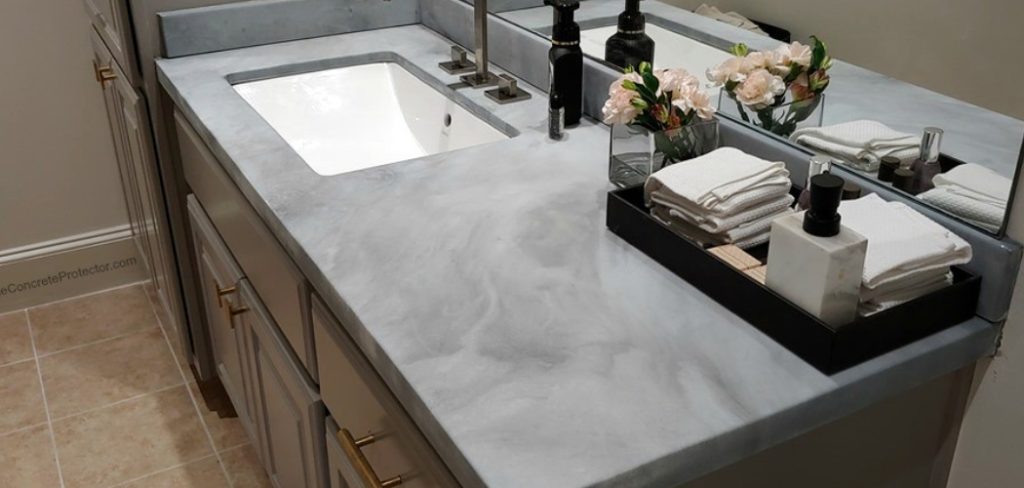
Whether you’re new to concrete surfaces or looking for streamlined maintenance tips, you’ll discover actionable advice and expert-backed insights to tackle everyday messes and stubborn stains safely. By the end of this guide, you’ll have the confidence to care for your countertops so they can remain a highlight of your space for years to come.
Understanding Concrete Countertops
Concrete countertops are sought after for their strength and versatility, but understanding their unique properties is essential for proper care.
Characteristics of Concrete
Unlike other countertop materials, concrete is naturally porous. This means it contains tiny holes that can absorb liquids if not properly sealed. Its texture can be smooth or slightly rough, and it may be pigmented to achieve almost any desired color. Concrete’s remarkable durability is one of its main selling points; it resists heat, can handle heavy use, and can be molded to fit nearly any shape or size.
However, the very attributes that make concrete attractive—porosity and custom design—also pose challenges. If the countertop’s sealant wears thin or is improperly applied, concrete can quickly become susceptible to water damage, staining, and even bacterial growth. Understanding this helps clarify why a safe, gentle cleaning approach is required.
Common Stains and Build-Up
Concrete countertops, particularly those installed in kitchens, are regularly exposed to liquids, oils, food residues, and more. These substances can seep into micro-pores or cracks in the sealant, causing stains that are difficult to remove with conventional methods.
Common culprits include red wine, coffee, acidic foods, greases, and even hard water spots. Over time, such stains can dull the surface and create unsightly marks if not promptly and thoughtfully addressed.
Preparing to Clean Your Concrete Countertops
Cleaning concrete countertops begins with effective preparation, ensuring that you do not inadvertently harm the surface or spread grime.
Start by removing all objects—appliances, dishes, decor, and anything else—off the countertop. Having a clear surface lets you spot any debris or spills that need special attention.
Next, use a soft, dry cloth or microfiber duster to gently remove crumbs, dust, and loose particles. This initial pass prevents bits of grit from scratching the sealant during wet cleaning. Microfiber is ideal because it captures fine dust without abrading the finish.
Choosing the right cleaning products is vital. Avoid cleaners that are acidic (such as vinegar or lemon), contain ammonia or bleach, or are abrasive. These can degrade the sealer or etch the concrete itself. Instead, select gentle, pH-neutral cleaners formulated for use on natural or stone surfaces. If you’re not sure if a cleaner is suitable, test it on a small, inconspicuous area first. For day-to-day upkeep, diluted mild dish soap in warm water is both safe and effective.
By starting with a fresh, carefully prepared surface, you lay the groundwork for efficient and lasting cleaning of your concrete countertops.
Daily Cleaning Routine
A daily cleaning ritual helps fend off the build-up of grime and protects the longevity of your countertops.
Gentle Cleaning Steps
After meal prep, snacks, or any activity that could leave residue behind, wipe down the countertop using a soft cloth or non-abrasive sponge. Mix a few drops of mild dish soap in a bowl of warm water. Dip your cloth or sponge into the solution, wring it out so it’s damp (not dripping), and gently wipe the entire surface in a circular motion.
Rinse the sponge with clean water, then wipe the surface again to clear away any soapy residue. Finally, dry the countertop with a lint-free towel. This helps prevent water spots and maintains the polished look of the sealer.

Avoiding Common Mistakes
It’s tempting to reach for heavy-duty cleaning agents to tackle tough messes, but these can do more harm than good. Avoid bleach, ammonia-based products, and harsh degreasers. Not only can these strip away the protective sealer, but they may also discolor the concrete itself.
Refrain from using scrubbing pads, steel wool, or abrasive powders. These can scratch the finish, potentially allowing moisture and stains to penetrate the concrete. Always stick with soft cleaning tools designed for delicate surfaces.
By establishing these daily cleaning habits and using the right products, your countertops will stay gleaming and undamaged even with frequent use.
How to Clean Concrete Countertops: Deep Cleaning for Stains and Spills
Despite daily care, stubborn spills or stains will occasionally appear. A thoughtful approach is key to resolving them without harming your countertop.
Identifying Tough Stains
First, determine what kind of stain you’re dealing with. Common offenders include oily residues from cooking, dark liquids like wine or juice, and persistent water spots from minerals. Each type of stain often requires a slightly different response, but the unifying principle is to act quickly, as lingering stains can penetrate beneath the sealant.
Using Baking Soda Paste
For oil-based or pigmented stains, baking soda can work wonders. Mix a spoonful of baking soda with just enough water to form a thick paste. Spread this directly over the stain, cover with plastic wrap, and let it sit for several hours, or overnight for deep stains. Once the time is up, remove the plastic and gently scrub the area with a soft-bristle brush in a circular motion.
Baking soda’s mild abrasiveness helps lift the stain without scratching the surface. After scrubbing, rinse the area with water and gently pat dry.
Applying Mild Detergents
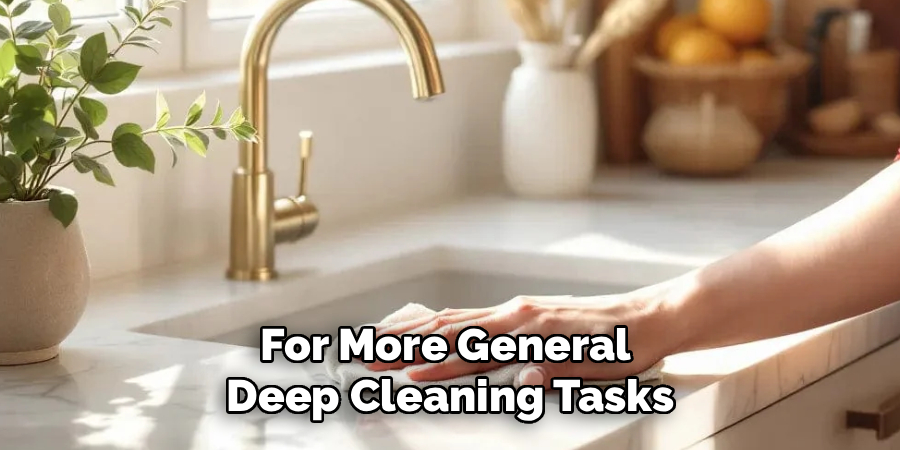
For more general deep-cleaning tasks or set-in stains that baking soda alone can’t handle, use a pH-neutral detergent specifically labeled safe for stone or concrete. Apply the detergent with a damp, non-abrasive cloth, scrubbing gently. Allow the detergent to sit for several minutes before wiping clean with a rinsed cloth. Be patient: some stains, especially those from oils, may require repeated treatments.
For particularly tough stains or those that don’t respond to these methods, refrain from escalating to harsh chemicals. Instead, consult your countertop’s installer or manufacturer for recommendations, or consider calling in a stone-care professional.
Sealing Concrete Countertops
Proper cleaning is only half the battle—adequate sealing is equally important for stain resistance and longevity.
Importance of Sealing
Sealers act as an invisible barrier, preventing liquid, oils, and dirt from being absorbed by the concrete. A high-quality sealer is essential to preserve the integrity and appearance of your countertops. Without effective sealing, even small spills can cause lasting stains, and the surface is more prone to etching and bacterial growth.
Sealing also makes daily cleaning easier, as grime sits on the surface instead of soaking in. Properly sealed countertops will resist water spots, grease, and most food stains, allowing for quick clean-ups.
Resealing Frequency
How often you need to reseal your countertops depends on usage, the type of sealer applied, and the countertop’s exposure to heavy wear. Generally, a full resealing every one to three years is recommended for high-use surfaces. Light-use countertops may go longer between treatments.
To test if your sealer is still effective, sprinkle a few drops of water on the surface. If the water beads up, the sealer is intact. If it soaks in, leaving a darker spot, it’s time to reseal. Always follow the manufacturer’s instructions when applying sealer to protect both the concrete and your health.
Preventative Care for Concrete Countertops
Proactive, preventative care is the secret to minimizing damage and keeping concrete countertops looking their best.
Everyday Precautions
Small steps go a long way in protecting your investment. Use trivets or hot pads under hot pans, as direct heat can weaken or discolor the sealer. Coasters prevent glasses—especially those sweating with condensation or filled with acidic beverages—from leaving rings on the surface.
Cutting boards are a must for all food preparation tasks. Knives can not only scratch the sealer but also cut into the concrete, making the surface vulnerable to stains and bacteria.
Routine Care Tips
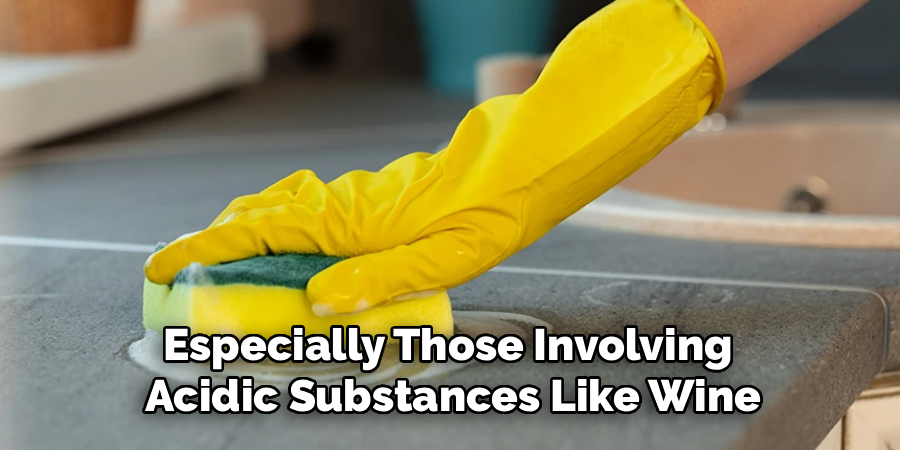
Accidents happen. When they do, wipe up spills immediately, especially those involving acidic substances like wine, vinegar, or citrus juice. Quick action prevents the liquid from seeping into the pores and causing stubborn stains.
Adopt the habit of a quick daily wipe-down and a weekly deeper clean using the recommended methods. Regularly rearrange countertop appliances and decor to prevent “ghosting”—marks that can develop if items trap moisture or dirt.
This consistent approach will keep your concrete countertops looking fresh, reduce wear and tear, and limit the frequency of more intensive maintenance.
Natural Cleaning Alternatives
Eco-friendly cleaning not only protects your countertops but also contributes to a healthier home environment.
Many homeowners turn to white vinegar or Castile soap as alternatives to synthetic cleaners. While vinegar is an effective degreaser for many surfaces, its acidity can erode the sealer on concrete countertops and is therefore not recommended for frequent use. If you wish to try it, always dilute heavily and spot-test a hidden area first.
Castile soap, on the other hand, is mild and well-suited for regular cleaning. Dilute a small amount in warm water and use a soft cloth for everyday messes.
Other natural solutions include a combination of baking soda and water for spot cleaning, as mentioned previously. For a pleasant scent, add a few drops of essential oil to your cleaning solution—just ensure it does not leave residue or react with the surface.
No matter the option, always prioritize solutions that are gentle, pH-neutral, and tested safe for your specific sealant.
Troubleshooting Common Cleaning Issues
Even with diligent care, you may occasionally encounter stubborn marks or persistent problems.
Watermarks, for example, often result from mineral-rich hard water sitting on the surface too long. These can often be minimized with a baking soda paste or a specialized stone cleaner. If the problem persists, it may be time to reseal.
Etching—visual dulling or cloudiness—can occur if acidic substances contact the concrete, especially if the sealer is compromised. While light etching may polish out with a fine polishing pad or stone-specific polishing cream, deep dullness could require professional refinishing.
If you’re dealing with recurring stains or if your efforts to clean or restore the countertop aren’t producing results, don’t hesitate to consult a professional who specializes in stone or concrete surfaces. They can provide targeted treatments and recommendations specific to your countertop’s finish and sealant.
Maintaining Longevity and Appearance
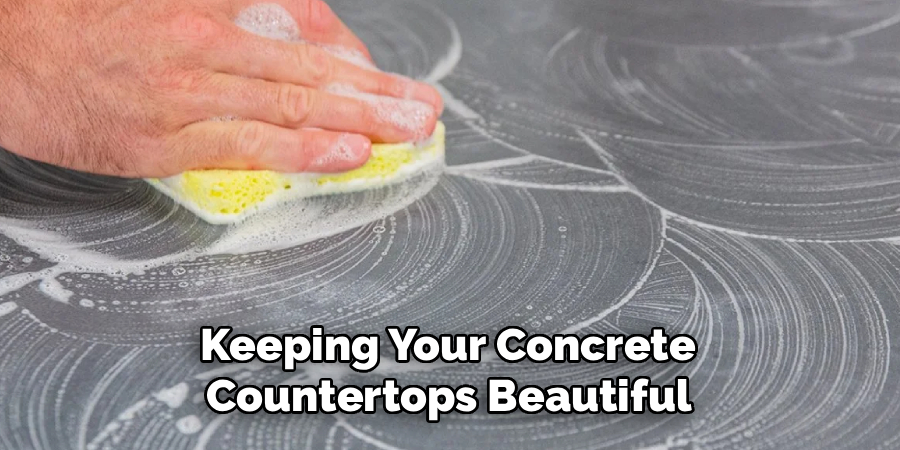
Keeping your concrete countertops beautiful isn’t just about cleaning—it’s about long-term care and smart maintenance.
Polishing for Shine
Over time, routine use can dull your countertop’s finish. If your surface is looking lackluster, consider using a concrete-safe polishing compound. Apply a small amount to a clean, dry cloth and buff the surface in gentle, circular motions. For highly polished finishes, a power buffer with a soft pad can restore a brilliant shine—just verify that your specific countertop is compatible with machine polishing.
Avoiding Long-Term Damage
Never drag heavy pots, appliances, or sharp objects across the surface. These actions can scratch or gouge both the sealer and the concrete below. When moving heavy items, lift rather than slide. Avoid leaving standing water anywhere on the counter, as even the best sealants may eventually break down with constant moisture exposure.
It’s also wise to monitor the condition of seams, joints, and edges—these areas are more prone to wear and may require extra attention during your cleaning and maintenance routine.
Conclusion
Concrete countertops provide a stunning, modern focal point in any kitchen or bathroom, and with the right approach, they can remain a source of pride for decades. By understanding how to clean concrete countertops, from choosing gentle products for daily care to addressing stubborn stains with safe, proven techniques, you protect your investment and maintain its striking appearance.
Consistency is key—regular cleaning, prompt spill management, routine sealing, and proactive prevention will make everyday countertop maintenance simple and effective.
When unavoidable issues arise, you’re now equipped with troubleshooting tips and the confidence to know when professional help is the best choice. Whether your countertops are newly installed or have been the highlight of your space for years, these steps will help preserve their durability, beauty, and function.
Embrace these cleaning strategies and make them part of your regular routine. By doing so, you’ll enjoy the lasting appeal of concrete countertops—and the satisfaction of a space that consistently looks and feels its best. Remember: mastering how to clean concrete countertops not only protects your home but also enhances your daily living experience.

About
Diane Lo is a distinguished figure in the world of kitchen innovation and culinary design, with over a decade of expertise creating functional and sustainable kitchen environments. Her professional focus lies in merging ergonomic spatial planning with modern culinary technology, fostering kitchen layouts that are both highly practical and aesthetically refined. As the lead expert at Kitchenub, Diane Lo delves into the art and science of kitchen organization, appliance selection, and workflow efficiency, inspiring home cooks and professional designers alike.
Education
Royal Melbourne Institute of Technology (RMIT University) (Melbourne, Australia) Associate Degree in Interior Design and Spatial Planning Focus on sustainable kitchen layouts, user-centric design, and ergonomic efficiency. Gained hands-on experience in high-traffic commercial kitchen modeling and advanced space-saving architecture.
Nottingham Trent University (United Kingdom) Bachelor’s in Product Design and Culinary Architecture (Honors) Specialized in the intersection of kitchen technology and lifestyle design. Participated in major industry collaborations, working with premium appliance manufacturers and cabinetry firms to gain real-world insights into modern kitchen workflows.
Publications and Impact
At Kitchenub, Diane Lo shares her expert insights on kitchen renovation processes, material durability, and strategies for achieving peak culinary productivity. Her writing effectively bridges the gap between professional culinary needs and home design, making it an essential resource for those looking to transform their kitchen into a highly efficient and welcoming heart of the home.