

The Sur La Table Air Fryer is a versatile kitchen appliance designed to make cooking healthier and more convenient. Air fryers use hot air circulation to produce crispy, delicious results with less oil than traditional frying methods.
Whether you’re a beginner or an experienced cook, learning how to use your Sur La Table Air Fryer can open up a world of culinary possibilities. In this guide on how to use sur la table air fryer, you’ll discover everything you need to get started, including essential tools, step-by-step instructions, and answers to common questions.
What is an Air Fryer?
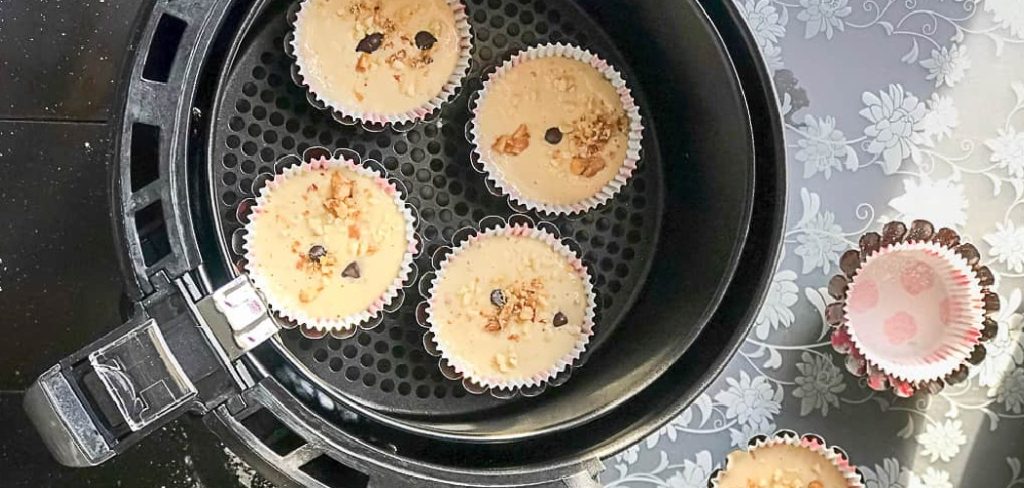
An air fryer is a compact kitchen appliance that cooks food by circulating hot air around it, mimicking the results of deep frying but using significantly less oil. This method of cooking creates a crispy exterior while keeping the inside tender, making it a healthier alternative to traditional frying.
Air fryers are versatile and can be used to prepare a wide range of dishes, including fries, chicken, vegetables, and even baked goods. Equipped with user-friendly controls and rapid cooking times, air fryers have become a popular choice for convenient, health-conscious meals.
How Does an Air Fryer Work?
An air fryer operates by circulating hot air around the food at high speed, creating a crisp and golden exterior. At its core, the appliance uses a heating element to produce heat and a fan to push the hot air evenly across the food surface. This rapid circulation of hot air mimics the Maillard reaction, which is responsible for the browning and crisping effect typically achieved with deep frying.
Unlike conventional frying methods that submerge food in oil, an air fryer requires only a minimal amount of oil — if any. The result is a healthier version of fried foods with significantly less fat and fewer calories, all while maintaining a similar taste and texture to traditional frying techniques.
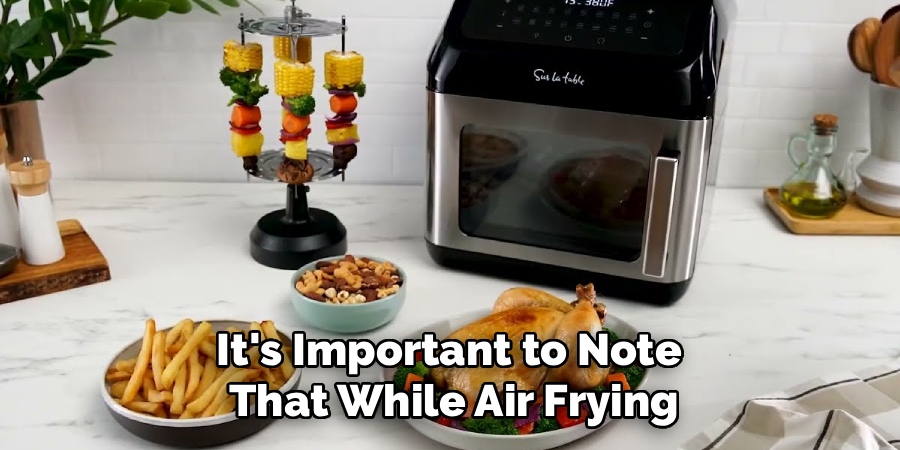
It’s important to note that while air frying is touted as a healthier alternative to deep frying, the overall nutritional value of the food still depends on the ingredients used. Air-fried French fries may have less fat compared to their deep-fried counterparts, but they are still considered high in calories and should be consumed in moderation.
Tools and Materials You’ll Need
- Sur La Table Air Fryer
- Power Outlet
- Heat-resistant Cooking Utensils
- Oil Spray (Optional)
- Prepping Bowls for Ingredients
- Measuring Cups and Spoons
- Oven Mitts or Heat-resistant Gloves
- Plate or Tray for Finished Food
- Cleaning Brush or Sponge
- Recipe Book or Ingredients for Your Chosen Dish
10 Step-by-step Guides on How to Use Sur La Table Air Fryer:
Step 1: Prepare the Air Fryer
Before you begin cooking, ensure your Sur La Table Air Fryer is clean and assembled correctly. If it’s your first time using the appliance, give it a quick rinse and dry all removable parts thoroughly.
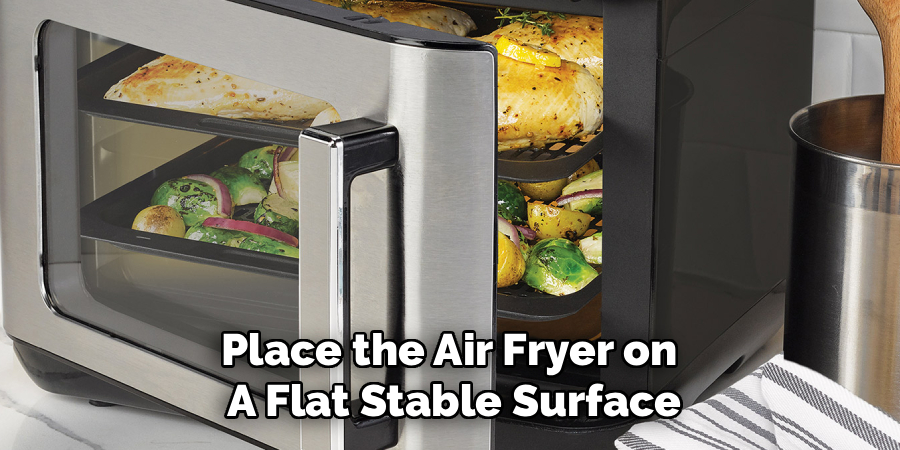
Place the air fryer on a flat, stable surface, leaving enough space around it for proper air circulation. Plug it into a suitable power outlet, making sure the cord is safely out of the way.
Step 2: Preheat if Recommended
Some recipes may suggest preheating your air fryer, while others do not require this step. To preheat, set the temperature as directed and let the unit run for 3–5 minutes.
This ensures the cooking chamber reaches optimal temperature, resulting in crispier food and more consistent cooking. Always follow your specific recipe’s guidance for best results.
Step 3: Gather and Prepare Ingredients
Wash, chop, and season your ingredients before placing them in the air fryer. Uniformly sized pieces help ensure even cooking and better results.
Consider using a small amount of oil or non-stick spray for certain foods to enhance crispiness and prevent sticking. Be mindful not to over-season, as flavors can become concentrated.
Step 4: Arrange Food in the Basket
Open the air fryer basket and spread your prepared ingredients in a single, even layer. Avoid overcrowding the basket, as this may restrict airflow and lead to uneven cooking.
If you need to prepare larger quantities, cook in batches rather than trying to fit everything at once. This approach guarantees each piece cooks to perfection.
Step 5: Set Temperature and Time
Use the digital display or manual dials to adjust the cooking temperature and time according to your recipe. If you’re unsure, refer to the cooking chart included in the air fryer manual.
Starting with the recommended settings allows you to gauge performance and make adjustments as needed for future recipes. Remember, some foods may require shaking or turning halfway through.
Step 6: Start Cooking and Monitor Progress
Press the start button to begin cooking. While the air fryer works, you can observe through any viewing window or by briefly pulling out the basket.
Avoid opening the basket too often, as this can lower the internal temperature and affect crispness. Use the pause function if needed, and always handle hot surfaces carefully.
Step 7: Shake or Flip Food as Needed
Many recipes benefit from shaking or flipping the ingredients midway through cooking. This ensures even browning and a more uniform texture.
Pause the air fryer and carefully shake the basket or turn the food with heat-resistant tongs. Return the basket promptly and resume cooking for the remaining time.
Step 8: Check for Doneness
When the timer goes off, use a food thermometer or cut into pieces to check if your food has reached the desired doneness. Thick items may need a few more minutes.
If more cooking is needed, simply return the basket and add time as required. Monitoring progress helps you avoid undercooked or overdone food.
Step 9: Remove Food Safely
Carefully remove the basket using oven mitts or heat-resistant gloves. Let hot steam escape before transferring the food to a plate or serving dish.
Take care around hot surfaces and avoid touching the interior immediately after use. Give the basket a few minutes to cool before cleaning.
Step 10: Clean Up After Cooking
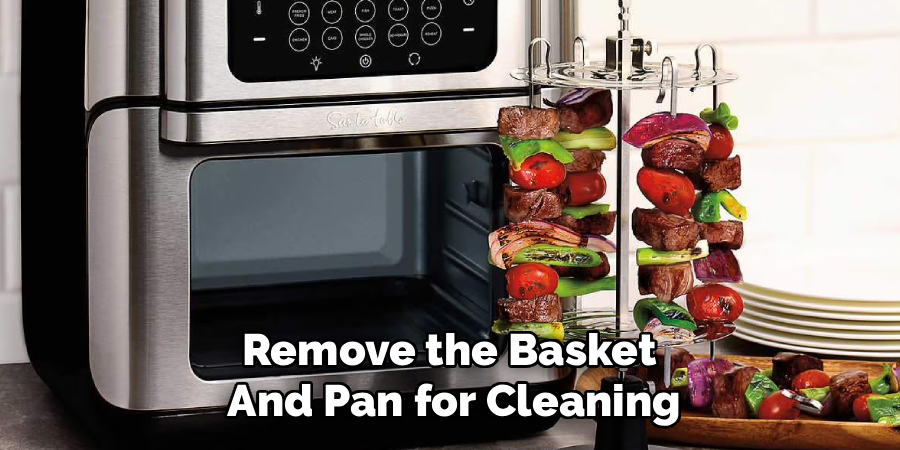
Once the appliance has cooled, remove the basket and pan for cleaning. Wash with warm soapy water and use a soft brush or sponge to avoid scratching.
Regular cleaning prolongs the life of your air fryer and ensures that each meal tastes fresh and free from residue. Dry all parts thoroughly before storing.
Following these steps on how to use sur la table air fryer will ensure that your meals are cooked to perfection every time. Experiment with different recipes and ingredients to find your favorite dishes.
Frequently Asked Questions
Q1: How Do I Prevent Food From Sticking In The Air Fryer?
A light mist of oil or non-stick spray can help prevent sticking, especially with breaded or delicate items. Always use recommended oils and avoid aerosol cooking sprays that contain propellants.
Lining the basket with parchment paper designed for air fryers is another useful tip. Remember not to overload the basket, as overcrowding increases the risk of parts sticking together during cooking.
Q2: What Foods Should I Avoid Cooking In An Air Fryer?
While air fryers are versatile, certain foods like wet-battered items or those with loose cheese may not fare well. The batter can drip through the basket and create a mess or result in uneven coating.
Additionally, avoid foods with high water content that can steam rather than crisp, such as fresh greens or watery vegetables. Always refer to your manufacturer’s guidelines for best practices.
Q3: Can I Open The Basket While Cooking To Check On My Food?
Yes, it’s perfectly safe to briefly open the basket to check or shake food. Most air fryers pause automatically when the basket is pulled out and resume when returned.
Limit this to once or twice per cooking cycle to maintain optimal temperatures and results. Always use caution when handling the hot basket during cooking.
Q4: Is It Safe To Use Aluminum Foil Or Parchment Paper In The Air Fryer?
It is safe to use both aluminum foil and parchment paper, provided they do not block airflow or come in contact with heating elements. Use parchment made for air fryers with proper perforation.
Proper placement is key. Only cover the bottom of the basket, always weigh down the paper or foil with food, and never allow materials to rise up the sides of the basket.
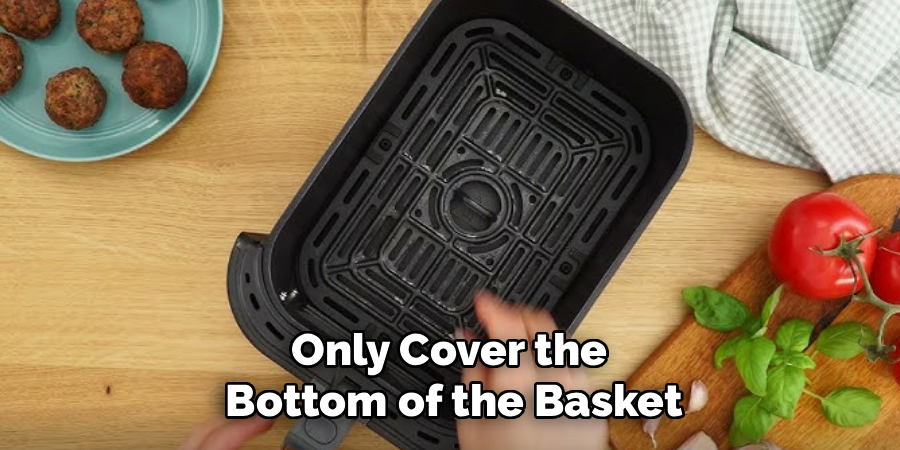
Following these steps on how to use sur la table air fryer will ensure safe and effective cooking, while also protecting the air fryer from potential damage.
Conclusion
Using your Sur La Table Air Fryer can simplify meal preparation and inspire creativity in your home kitchen. By following these steps on how to use sur la table air fryer, you can enjoy healthier, crispier dishes with minimal oil and effort.
Explore new recipes and experiment with different ingredients to make the most of your air fryer. With regular care and attention, it will become a trusted companion for countless delicious meals.

About
Diane Lo is a distinguished figure in the world of kitchen innovation and culinary design, with over a decade of expertise creating functional and sustainable kitchen environments. Her professional focus lies in merging ergonomic spatial planning with modern culinary technology, fostering kitchen layouts that are both highly practical and aesthetically refined. As the lead expert at Kitchenub, Diane Lo delves into the art and science of kitchen organization, appliance selection, and workflow efficiency, inspiring home cooks and professional designers alike.
Education
Royal Melbourne Institute of Technology (RMIT University) (Melbourne, Australia) Associate Degree in Interior Design and Spatial Planning Focus on sustainable kitchen layouts, user-centric design, and ergonomic efficiency. Gained hands-on experience in high-traffic commercial kitchen modeling and advanced space-saving architecture.
Nottingham Trent University (United Kingdom) Bachelor’s in Product Design and Culinary Architecture (Honors) Specialized in the intersection of kitchen technology and lifestyle design. Participated in major industry collaborations, working with premium appliance manufacturers and cabinetry firms to gain real-world insights into modern kitchen workflows.
Publications and Impact
At Kitchenub, Diane Lo shares her expert insights on kitchen renovation processes, material durability, and strategies for achieving peak culinary productivity. Her writing effectively bridges the gap between professional culinary needs and home design, making it an essential resource for those looking to transform their kitchen into a highly efficient and welcoming heart of the home.