

The SmartThings Stove is a modern appliance designed to make cooking more convenient and efficient. By integrating advanced technology with everyday functionality, this smart stove allows users to connect to the SmartThings app, providing remote control, monitoring, and personalized settings. In this blog post, we’ll walk you through the steps on how to use smartthings stove so that you can get back to using it in no time! So grab your tools, and let’s get started!
What You Need Before You Start
Before you can fully utilize the features of your SmartThings Stove, there are a few things you’ll need to have ready. First, ensure you have a stable Wi-Fi connection, as this is required for connecting the stove to the SmartThings app. Next, download and install the SmartThings app on your smartphone or tablet, available for both iOS and Android devices. You’ll also need to create a Samsung account if you don’t already have one, as this will be required to log in to the app. Finally, make sure your stove is properly installed and powered on. With these essentials prepared, you’ll be all set to begin using your SmartThings Stove like a pro!
Setting Up Your SmartThings Stove
Once you have the SmartThings app downloaded and your stove powered on, it’s time to set up and connect your SmartThings Stove. Follow these steps to ensure a seamless setup process:
- Open the SmartThings App
Log in to the app using your Samsung account credentials. If you’re new to the app, follow the on-screen instructions to complete the initial app setup.
- Add Your Stove
Tap the “+” icon in the app to add a new device. Select “Appliance” from the list of device categories, then choose “Range” or “Stove,” depending on the exact terminology in the app.
- Connect to Wi-Fi
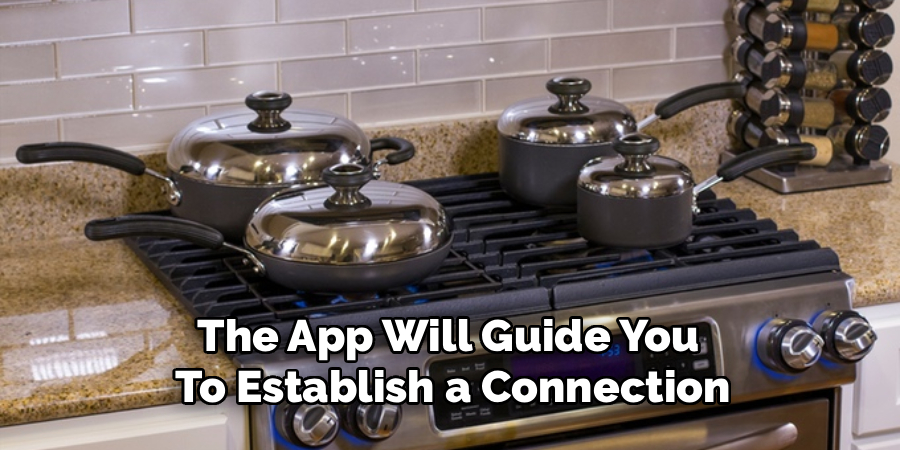
The app will guide you to establish a connection between your stove and your home’s Wi-Fi network. Ensure you select the correct network and enter the password if prompted. The stove may also display a unique pairing code or message for confirmation.
- Complete Pairing
Once connected, follow the prompts to finalize the pairing process. The app may perform a quick test or update to ensure everything is up-to-date and running smoothly.
- Customize Settings
After pairing, you can configure various settings for your SmartThings Stove directly in the app. Set up notifications, adjust preferences, and explore available features to enhance your cooking experience.
After completing these steps, your SmartThings Stove will be fully operational and ready for smarter, more convenient cooking.
10 Methods How to Use Smartthings Stove
1. Set Up the SmartThings App and Connect Your Stove
Before using a SmartThings stove, it is essential to set up the SmartThings app on your smartphone or tablet. Download the app from the App Store or Google Play, create an account if you don’t already have one, and follow the on-screen instructions to connect your stove to your home Wi-Fi network. Ensure that your stove is within range of the router for stable connectivity. Proper setup allows you to monitor, control, and receive notifications from your stove remotely, providing both convenience and peace of mind.
2. Learn the Basic Stove Controls Through the App
Once your stove is connected, take time to familiarize yourself with the basic controls within the SmartThings app. You can adjust temperature settings, activate burners, and monitor cooking progress directly from your device. The app interface typically includes a visual representation of your stove burners, making it easy to select and control each one individually. Understanding the digital controls ensures safe and efficient operation without relying solely on the physical buttons on the stove.
3. Monitor Cooking Progress Remotely
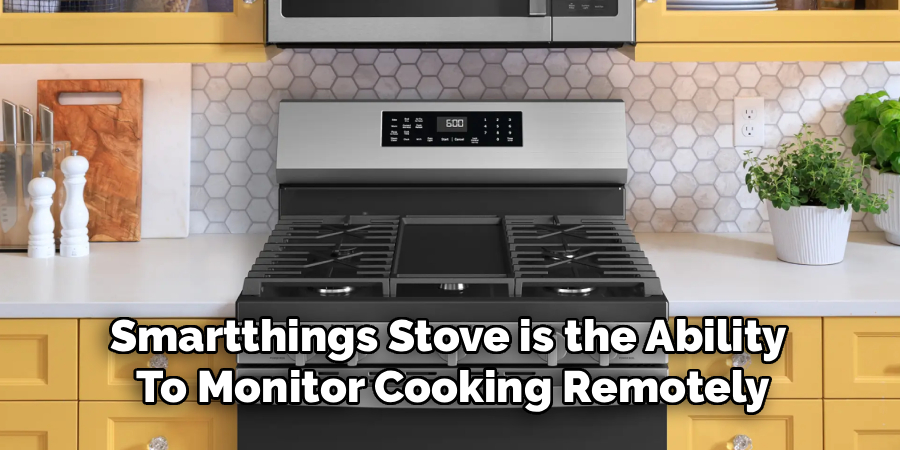
One of the key benefits of a SmartThings stove is the ability to monitor cooking remotely. The app sends notifications when a burner is turned on or off, when a timer expires, or if an unusual temperature fluctuation occurs. This feature is particularly useful when multitasking in the kitchen or away from home. By keeping an eye on cooking progress through your device, you can prevent overcooking or burning food and ensure safety by addressing any potential hazards promptly.
4. Set Timers and Cooking Alerts
SmartThings stoves allow users to set precise cooking timers and alerts for each burner through the app. You can specify cooking durations for different dishes, ensuring consistent results every time. The app will send an alert when the timer expires, so you don’t have to constantly check the stove manually. Using these alerts reduces the risk of overcooking, makes meal preparation more organized, and enhances your overall cooking experience by providing convenient time management.
5. Control Burners Individually or Simultaneously
With SmartThings, you have the flexibility to control individual burners or multiple burners at once. This feature is ideal for preparing complex meals that require different temperatures for each burner. Through the app, you can increase or decrease heat precisely, turn off a burner remotely, or switch between low, medium, and high settings with ease. This level of control allows for more precise cooking and reduces energy waste compared to traditional manual adjustments.
6. Use Pre-Programmed Cooking Modes
Many SmartThings stoves come equipped with pre-programmed cooking modes, which can be accessed and controlled via the app. Modes such as simmer, boil, sauté, or slow cook automatically adjust temperature and timing to suit specific recipes. Selecting a mode ensures consistent results and eliminates the guesswork associated with manual stove operation. Using these modes simplifies meal preparation, particularly for beginners or those experimenting with new recipes.
7. Enable Safety Features and Lock Controls
SmartThings stoves offer safety features that can be activated through the app. Child locks prevent accidental operation, while automatic shut-off features turn off burners if they are left on for too long. Notifications alert you if a burner is on unattended, providing an extra layer of safety. Familiarizing yourself with these features ensures safe operation, especially in households with children or pets, and helps prevent accidents caused by forgotten burners.
8. Integrate the Stove with Other Smart Devices
A significant advantage of the SmartThings ecosystem is integration with other smart devices in your home. You can link your stove to smart lights, voice assistants, or sensors to create automated routines. For example, a smart smoke detector can trigger the stove to turn off if it detects excessive smoke, or you can control the stove using voice commands through compatible assistants like Alexa or Google Assistant. This interconnected functionality enhances convenience and adds an extra layer of security.

9. Maintain Stove Health Through App Notifications
The SmartThings app also provides maintenance alerts to help keep your stove in optimal condition. Notifications can include reminders to clean burners, replace parts, or perform periodic inspections. Some models even offer troubleshooting guidance if the stove detects unusual operation patterns. Paying attention to these notifications ensures that your stove functions efficiently over time, reduces the likelihood of malfunctions, and extends the appliance’s lifespan.
10. Customize Settings for Personalized Cooking
Finally, the SmartThings app allows users to personalize settings according to their cooking preferences. You can create presets for frequently used burners, set preferred temperatures for specific dishes, and adjust alert sounds and notifications. Customization enhances your overall cooking experience by tailoring the stove’s operation to your habits and needs. By leveraging the app’s full capabilities, you maximize convenience, efficiency, and enjoyment while using your SmartThings stove.
Maintenance and Upkeep
Proper maintenance of your SmartThings stove ensures longevity and optimal performance. Start by regularly cleaning the stovetop using non-abrasive cleaners to prevent damage to the surface. For burners and grates, remove and wash them with warm soapy water, making sure they are completely dry before reassembly. Periodically check for any debris or blockages that could affect flame performance and remove them carefully. Additionally, update the stove’s firmware through the SmartThings app to access the latest features and improvements. Refer to the user manual for specific maintenance guidelines and troubleshooting tips. Routine care not only extends the lifespan of your stove but also keeps it operating safely and efficiently.
Alternative Methods and Tips
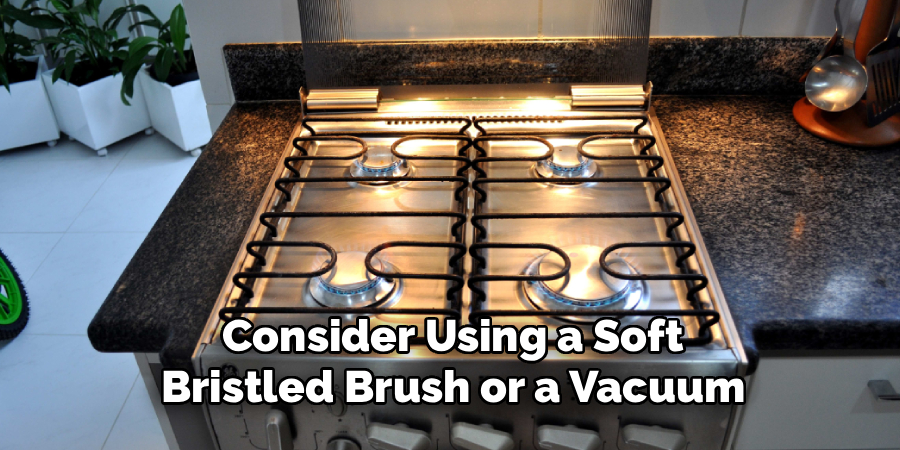
For those seeking additional ways to maintain their stove, consider using a soft-bristled brush or a vacuum attachment to remove dust and debris from hard-to-reach areas. Avoid using abrasive cleaners or tools, as these can damage the surface or components of the stove. For stubborn stains, a mixture of baking soda and water can be an effective, eco-friendly cleaning solution. If your stove features self-cleaning modes, ensure you utilize them as recommended to simplify maintenance. Lastly, keeping a regular maintenance schedule and conducting periodic checks can help identify potential issues early, ensuring optimal performance and longevity.
Conclusion
By following these cleaning and maintenance tips, you can ensure that your stove remains in excellent condition for years to come. Regular care not only enhances its performance but also extends its lifespan, allowing you to get the most out of your investment. A well-maintained stove contributes to a safer and more efficient cooking experience, making it a vital part of any kitchen. Remember, consistent attention and care will keep your appliance running smoothly and looking its best. Thanks for reading our blog post on how to use smartthings stove! We hope you found it helpful and informative.

About
Diane Lo is a distinguished figure in the world of kitchen innovation and culinary design, with over a decade of expertise creating functional and sustainable kitchen environments. Her professional focus lies in merging ergonomic spatial planning with modern culinary technology, fostering kitchen layouts that are both highly practical and aesthetically refined. As the lead expert at Kitchenub, Diane Lo delves into the art and science of kitchen organization, appliance selection, and workflow efficiency, inspiring home cooks and professional designers alike.
Education
Royal Melbourne Institute of Technology (RMIT University) (Melbourne, Australia) Associate Degree in Interior Design and Spatial Planning Focus on sustainable kitchen layouts, user-centric design, and ergonomic efficiency. Gained hands-on experience in high-traffic commercial kitchen modeling and advanced space-saving architecture.
Nottingham Trent University (United Kingdom) Bachelor’s in Product Design and Culinary Architecture (Honors) Specialized in the intersection of kitchen technology and lifestyle design. Participated in major industry collaborations, working with premium appliance manufacturers and cabinetry firms to gain real-world insights into modern kitchen workflows.
Publications and Impact
At Kitchenub, Diane Lo shares her expert insights on kitchen renovation processes, material durability, and strategies for achieving peak culinary productivity. Her writing effectively bridges the gap between professional culinary needs and home design, making it an essential resource for those looking to transform their kitchen into a highly efficient and welcoming heart of the home.