

Keeping your dishes clean and sparkling has never been easier with a Miele dishwasher. Designed for efficiency and convenience, Miele dishwashers combine cutting-edge technology and user-friendly features to deliver exceptional performance every time. Whether you’re tackling everyday loads of plates and glasses or managing cookware from a big family meal, these dishwashers are built to handle the challenge.
This guide will walk you through everything you need to know about using your Miele dishwasher, from understanding its settings to loading dishes properly for optimal results. By mastering a few simple steps, you can ensure that your dishwasher operates effectively, saves energy, and extends the lifespan of your appliance. Read on to discover how to make the most of your Miele dishwasher and enjoy spotless dishes with minimal effort.
New to your Miele? Learn how to use Miele dishwasher with our simple, step-by-step guide to get sparkling clean dishes every time.
Why You Should Master Your Miele Dishwasher
Congratulations on your new Miele dishwasher! You now own a piece of high-performance German engineering designed to make your life easier and your dishes spotless. To get the most out of its advanced features, it’s important to understand the basics of its operation. From its unique cutlery tray to its specialized wash cycles, every element is designed for optimal cleaning. Learning how to use Miele dishwasher properly will not only ensure brilliant results but also help you maintain the appliance for years of reliable service. This guide will walk you through everything you need to know, transforming you from a new user into a confident expert.
Step-by-Step Guide on How to Use Miele Dishwasher
Step 1: Loading the Baskets Correctly
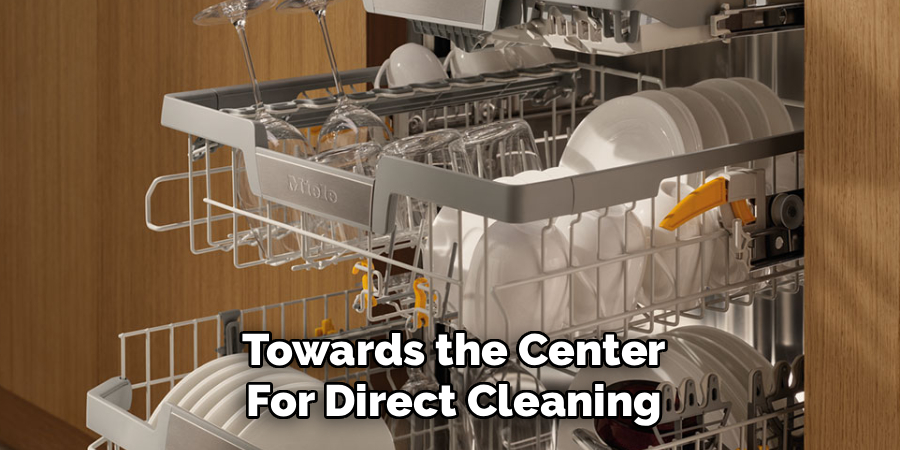
Properly loading your Miele is the foundation of a great wash. Place large, heavily soiled items like pots, pans, and large plates in the bottom basket where the water spray is strongest. Face the soiled surfaces downwards and towards the center for direct cleaning. The upper basket is ideal for smaller, more delicate items like glasses, cups, and small bowls. Ensure there is enough space between items for water and detergent to circulate freely. Overcrowding is a common mistake that leads to poor cleaning, so give your dishes some room to breathe for the best results.
Step 2: The Art of Loading the 3D Cutlery Tray
One of Miele’s standout features is the 3D MultiFlex cutlery tray. This top-level tray is designed to hold each piece of silverware separately, preventing them from nesting together and ensuring a thorough clean. Place forks and spoons in the designated slots with the handles down. Knives should be placed with the sharp edge facing down for safety. The adjustable sections of the tray can be moved to accommodate larger utensils like ladles or whisks. Using this tray correctly guarantees that every piece of cutlery comes out sparkling and free of food residue. This is a key part of how to use Miele dishwasher effectively.
Step 3: Add the Correct Detergent
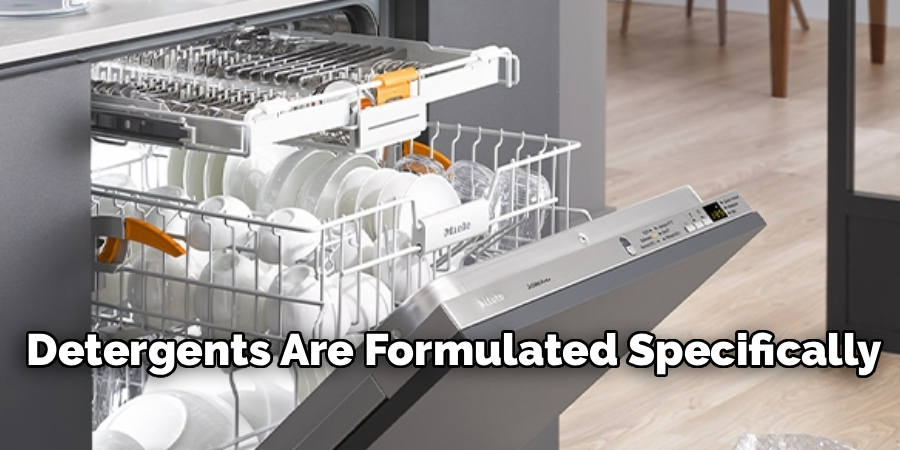
Miele dishwashers perform best with high-quality detergent. You can use powder, gel, or tabs. If using tabs, simply place one in the dispenser compartment. For powder or gel, fill the dispenser to the line indicated for your water hardness and soil level. Miele’s own brand of tabs and detergents are formulated specifically for their machines and can deliver exceptional results. Avoid using too much detergent, as this can leave a film on your dishes. The machine is designed for efficiency, and a small amount of a good-quality detergent is all that’s needed for a perfect clean.
Step 4: Check and Refill Rinse Aid and Salt
For sparkling, spot-free results, rinse aid is essential. It helps water sheet off dishes during the final rinse, allowing them to dry more effectively. Your Miele dishwasher has an indicator light on the control panel that will alert you when it’s time to refill the rinse aid dispenser. Similarly, if you live in an area with hard water, using dishwasher salt is crucial. The salt regenerates the machine’s built-in water softener, preventing limescale buildup on both your dishes and the appliance’s internal components. Check the salt reservoir periodically and top it up as needed.
Step 5: Select the Right Wash Cycle
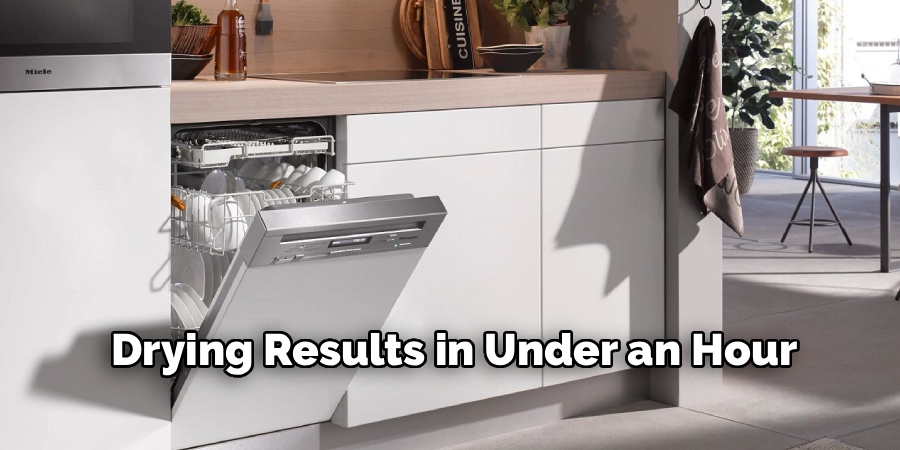
Miele offers a range of wash cycles tailored to different needs. The “Normal” program is great for everyday mixed loads. For heavily soiled pots and pans, the “Pots & Pans” cycle uses higher temperatures and pressure. Use the “Gentle” or “China & Crystal” cycle for delicate glassware. One of the most popular cycles is “QuickIntenseWash,” which delivers excellent cleaning and drying results in under an hour. Selecting the appropriate program ensures your dishes get the right level of cleaning without wasting energy or water, making it a crucial step.
Step 6: Choose Program Options for a Custom Wash
Beyond the main cycles, Miele dishwashers have extra options to customize your wash. The “IntenseZone” option increases cleaning power in the lower basket, perfect for tackling greasy pans while still being gentle on glasses in the upper basket. The “Express” option can reduce the cycle time for when you’re in a hurry. For plastics that are difficult to dry, selecting the “Extra Dry” option will increase the final rinse temperature and extend the drying phase, ensuring everything comes out perfectly dry and ready to be put away.
Step 7: Start the Cycle and Enjoy the Quiet
Once you have loaded the dishwasher, added detergent, and selected your cycle and options, it’s time to start the wash. Simply close the door firmly and press the “Start” button. You will hear the dishwasher begin to fill with water. Miele dishwashers are known for their incredibly quiet operation, so you might barely notice it’s running. This allows you to run a cycle at any time of day or night without disturbing your household. Some models even feature an automatic door opening at the end of the drying phase (AutoOpen) to let steam escape for even better drying results.
Step 8: Unload Your Sparkling Dishes
Once the cycle is complete, it’s time to unload. It is best to unload the bottom basket first. This prevents any water that may have collected on the concave surfaces of items in the top basket from dripping down onto your dry dishes below. Thanks to the proper loading and cycle selection, you should find your dishes, glasses, and cutlery are perfectly clean, dry, and ready to be put away. Taking a moment to admire the brilliant results is one of the most satisfying parts of owning a Miele.
Frequently Asked Questions
What Is the Best Detergent for a Miele Dishwasher?
Miele recommends using their own brand of detergent tabs, powder, or rinse aid, as they are specifically formulated for their machines. However, any high-quality, phosphate-free dishwasher detergent will work well. For best results:
- Use tabs for convenience.
- Use powder for more control over the dosage, especially if you have soft water.
- Always use rinse aid for spot-free drying.
Why Are My Glasses Coming Out Cloudy?
Cloudy glasses are typically caused by one of two things: hard water mineral deposits (a white film that can be removed) or etching (permanent, cloudy damage). To prevent mineral deposits, ensure your machine’s water softener is filled with dishwasher salt and the rinse aid dispenser is full. If you have soft water, using too much detergent can cause permanent etching, so be sure to use less.
How Often Should I Clean My Miele Dishwasher?
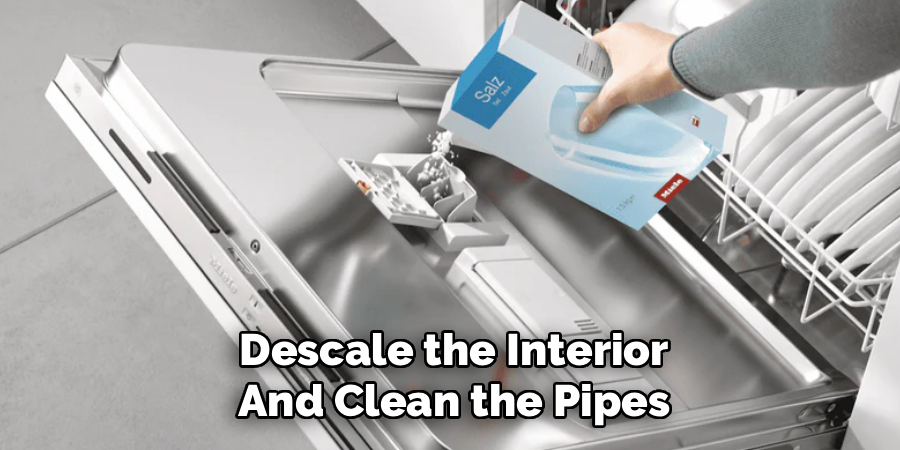
To keep your Miele running perfectly, you should clean the filter in the bottom of the tub weekly or bi-weekly. Simply twist to unlock it, rinse it under running water to remove food particles, and lock it back into place. Additionally, it is a good idea to run a maintenance cycle using a dishwasher cleaner product every few months to descale the interior and clean the pipes.
Can I Put Plastic Items in My Miele Dishwasher?
Yes, you can wash plastic items, but it is important to ensure they are labeled “dishwasher safe.” Place plastics in the top basket to keep them away from the heating element at the bottom of the machine. Miele’s “Extra Dry” option is particularly useful for plastics, as they tend to dry more slowly than glass or ceramic.
What Does the AutoOpen Drying Feature Do?
The AutoOpen drying feature is a Miele innovation where the dishwasher door automatically opens a few centimeters at the end of the cycle. This allows fresh air to circulate inside, helping dishes—especially plastics—to dry completely. It is an energy-efficient way to ensure everything, including the interior of the machine, is perfectly dry and ready for unloading.
Conclusion
Getting acquainted with your new appliance is the key to unlocking its full potential. By following these steps for proper loading, using the right detergent and settings, and performing regular maintenance, you will ensure your machine delivers flawless results for years to come. Your Miele is more than just a dishwasher; it is a powerful tool designed to give you perfectly clean dishes with minimal effort. Now that you have this guide on how to use Miele dishwasher, you can confidently operate your machine and enjoy the superior cleaning performance it was built to provide.

About
Diane Lo is a distinguished figure in the world of kitchen innovation and culinary design, with over a decade of expertise creating functional and sustainable kitchen environments. Her professional focus lies in merging ergonomic spatial planning with modern culinary technology, fostering kitchen layouts that are both highly practical and aesthetically refined. As the lead expert at Kitchenub, Diane Lo delves into the art and science of kitchen organization, appliance selection, and workflow efficiency, inspiring home cooks and professional designers alike.
Education
Royal Melbourne Institute of Technology (RMIT University) (Melbourne, Australia) Associate Degree in Interior Design and Spatial Planning Focus on sustainable kitchen layouts, user-centric design, and ergonomic efficiency. Gained hands-on experience in high-traffic commercial kitchen modeling and advanced space-saving architecture.
Nottingham Trent University (United Kingdom) Bachelor’s in Product Design and Culinary Architecture (Honors) Specialized in the intersection of kitchen technology and lifestyle design. Participated in major industry collaborations, working with premium appliance manufacturers and cabinetry firms to gain real-world insights into modern kitchen workflows.
Publications and Impact
At Kitchenub, Diane Lo shares her expert insights on kitchen renovation processes, material durability, and strategies for achieving peak culinary productivity. Her writing effectively bridges the gap between professional culinary needs and home design, making it an essential resource for those looking to transform their kitchen into a highly efficient and welcoming heart of the home.