

Induction stoves have become a popular choice in modern kitchens due to their energy efficiency, safety features, and sleek design. Unlike traditional gas or electric stoves, induction stoves use electromagnetic fields to directly heat cookware, providing faster and more precise cooking. Understanding how to use induction stove effectively can help you maximize its benefits while ensuring safe and efficient operation.

Safety Precautions Before Using an Induction Stove
Before using an induction stove, it is essential to follow some safety precautions to ensure a safe cooking experience. First, ensure that your cookware is compatible with induction cooking; only ferromagnetic materials like cast iron or stainless steel work effectively. Avoid using cracked or damaged cookware, as this can lead to uneven heating or safety hazards.
Always check that the induction cooktop surface is clean and dry before switching it on to prevent accidental slipping or malfunctions. Additionally, keep metallic objects like utensils, cutlery, or jewelry away from the cooktop while in use, as the electromagnetic field may heat them unexpectedly. Finally, read and follow the manufacturer’s instructions and guidelines for your specific induction stove model to ensure proper handling and longevity.
Understanding the Stove Controls and Features
Modern induction cooktops come equipped with intuitive controls and advanced features designed to enhance convenience and safety. Most models include a touch-sensitive control panel with options to adjust the temperature, set timers, and select specific cooking zones. Some cooktops feature preset modes for tasks like simmering, boiling, or frying, which make it easier to achieve consistent results.
Additionally, many induction stoves have safety functions such as child locks, automatic shut-off, and residual heat indicators to prevent accidents. Understanding how to utilize these controls effectively not only improves your cooking experience but also ensures the optimal performance of your appliance. Refer to the user manual for detailed guidance on the functionality of your cooktop’s features.
10 Methods How to Use Induction Stove
1. Understand the Principle of Induction Cooking
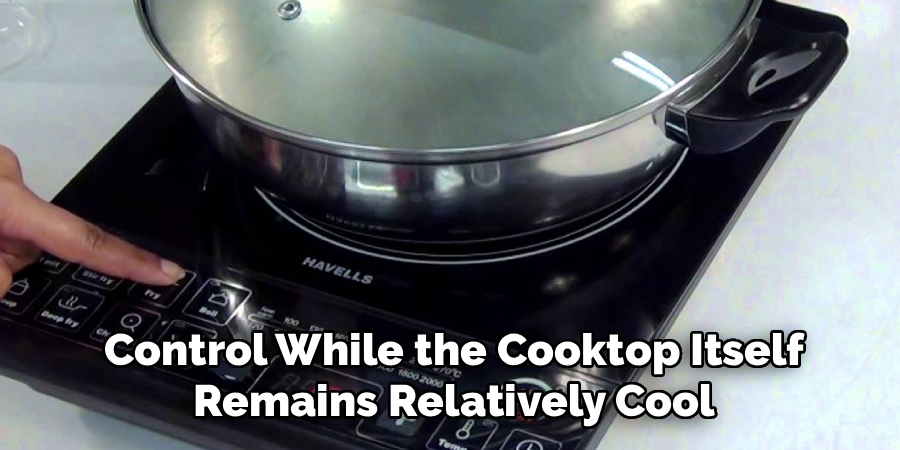
Before using an induction stove, it is crucial to understand how it operates. Induction stoves generate heat through electromagnetic fields, which directly heat the cookware rather than the stove surface. This allows for rapid and precise temperature control while the cooktop itself remains relatively cool. Only ferromagnetic materials, such as cast iron or certain types of stainless steel, will work with induction stoves. Familiarity with this principle ensures you choose compatible cookware and prevents frustration when the stove does not respond to non-magnetic pans.
2. Ensure Proper Cookware Placement
For effective heating, the cookware must be placed properly on the induction cooking zone. Center the pan on the designated burner to allow the electromagnetic field to engage fully. If the pan is off-center or too small, the stove may not detect it, preventing the burner from activating. Ensuring proper placement maximizes efficiency, provides even cooking, and prevents errors caused by improper sensor contact.
3. Power On the Stove
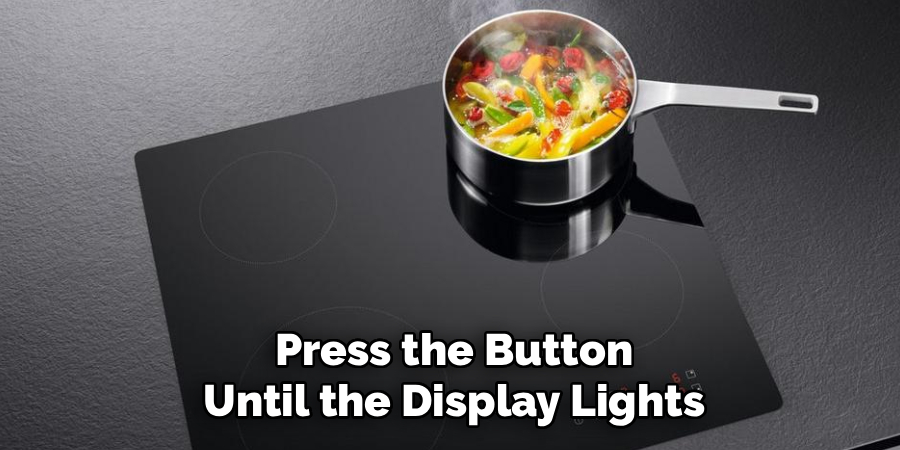
Most induction stoves feature a main power button to activate the control panel. Press the button until the display lights up or an indicator shows that the stove is ready for use. Some models require holding the power button for a few seconds. Activating the stove prepares the controls and sensors for operation and ensures that the appliance is ready to respond to your input.
4. Select the Desired Cooking Zone
Induction stoves generally have multiple cooking zones, each with its own heat control. Use the touch-sensitive controls or knobs to select the zone corresponding to the pan you are using. Proper zone selection ensures the electromagnetic field targets the correct area, allowing the cookware to heat efficiently. Selecting the wrong zone can lead to uneven heating or no heating at all.
5. Adjust Heat Levels Gradually
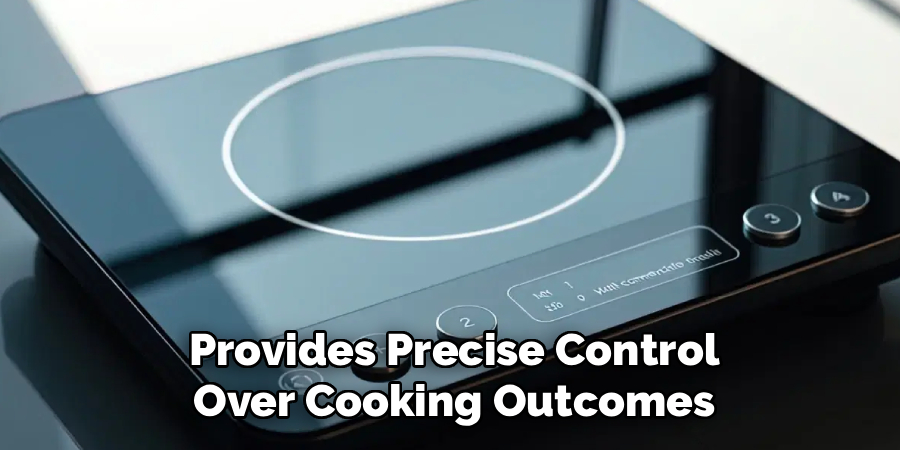
Once the cooking zone is activated, set the heat to the desired level. Most induction stoves offer precise control, allowing adjustments in small increments from low to high. Start at a lower setting, especially when preheating or cooking delicate foods, then gradually increase the heat as needed. Induction stoves heat rapidly, so careful adjustment prevents food from burning and provides precise control over cooking outcomes.
6. Use Built-in Features and Timers
Many modern induction stoves include built-in timers, preset cooking modes, and safety features. Timers allow you to set cooking durations for specific tasks, while preset modes optimize heat levels for functions like boiling, simmering, or frying. Utilizing these features ensures consistency, prevents overcooking, and allows multitasking in the kitchen without compromising food quality.
7. Monitor Cooking Progress Closely
Due to the rapid heating capability of induction stoves, it is important to monitor your food closely. Stir or rotate dishes as necessary to ensure even cooking. Unlike conventional stoves, the surface remains relatively cool, but the cookware itself becomes extremely hot. Monitoring progress helps maintain precise temperature control, avoids overcooking, and ensures safe handling of hot pots and pans.
8. Turn Off the Stove Properly
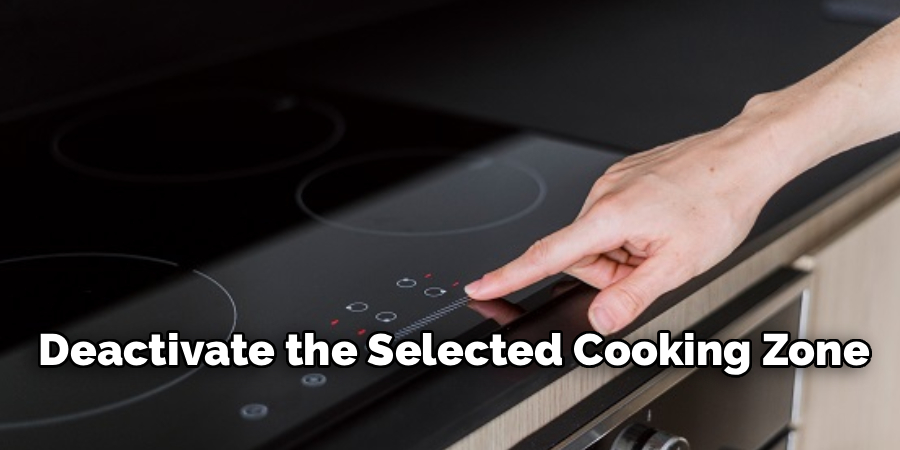
After cooking, deactivate the selected cooking zone and then power off the stove completely. Most induction models display residual heat warnings, indicating that the zone remains hot even after it is turned off. Properly turning off the stove conserves energy, prevents accidental burns, and ensures that the appliance is safely deactivated when not in use.
9. Clean the Cooktop Regularly
Maintaining a clean induction stove is essential for safety and efficiency. Wipe down the cooktop after each use with a soft, damp cloth to remove spills, grease, and food particles. Avoid abrasive cleaners or scrubbers that could scratch the glass surface. Regular cleaning ensures optimal sensor contact with cookware, improves performance, and maintains the appliance’s sleek, polished appearance.
10. Follow Safety Precautions and Manufacturer Guidelines
Always follow the safety precautions outlined in the induction stove’s user manual. Avoid using non-compatible cookware, prevent water or liquids from pooling on the surface, and ensure the appliance is installed according to manufacturer specifications. Adhering to these guidelines reduces the risk of damage, prolongs the stove’s lifespan, and ensures safe, efficient operation for every cooking task.
Troubleshooting Common Issues
Even with proper use, occasional issues may arise when using an induction stove. Here are some common problems and their potential solutions:
- The Stove Won’t Turn On
- Ensure the power supply is connected, and check for tripped circuit breakers or blown fuses.
- Verify that the control panel is not locked, as many stoves have a lock function to prevent accidental use.
- Refer to the user manual for troubleshooting instructions specific to your model.
- Cookware Not Detected
- Confirm that the cookware is induction-compatible. Look for flat, magnetic bases made of materials like stainless steel or cast iron.
- Ensure the cookware is within the appropriate size range for the stove’s induction zones.
- Uneven Heating or Poor Performance
- Check if the bottom of the cookware is completely flat and in full contact with the stovetop surface. Warped pans can lead to uneven heat distribution.
- Ensure the settings are adjusted to the correct power level for the desired cooking task.
- Error Codes Displayed
- Consult the user manual to interpret the specific error code shown on the control panel.
- Common causes for error codes include overheating, improper cookware, or voltage fluctuations.
- Unusual Noises During Operation
- Slight humming or buzzing sounds are normal due to the electromagnetic process at high power levels but could be amplified by lightweight or poorly fitting cookware. Try using sturdier pots with flat bottoms.
- If the noise is excessive or unusual, inspect for debris between the stove surface and cookware or consult customer support.
By addressing these issues promptly and referring to the manufacturer’s manual, most problems can be resolved efficiently without professional assistance.
Things to Consider When Using an Induction Stove
When using an induction stove, there are several factors to keep in mind to ensure optimal performance and safety:
- Cookware Compatibility: Induction stoves require cookware with magnetic properties. Check if your pots and pans are labeled as “induction-ready” or use a magnet to test compatibility. Cookware with flat and sturdy bases works best for efficient heat transfer.
- Proper Placement: Ensure that cookware is centered on the cooking zone to avoid uneven heating and maximize energy efficiency. Misalignment can cause the stove to fail to detect the cookware.
- Power Settings: Familiarize yourself with the stove’s power settings for precise control while cooking. Lower settings are ideal for simmering, while higher levels can quickly bring water to a boil.
- Surface Care: To prevent scratches or damage, avoid dragging pots across the stove’s glass-ceramic surface. Always clean spills promptly to maintain a smooth and efficient cooking surface.
- Safety Features: Take advantage of built-in safety features like auto shut-off and child locks. These mechanisms are designed to prevent accidents and enhance the usability of the appliance.
By considering these aspects, you can make the most of your induction stove while prolonging its lifespan and maintaining a safe kitchen environment.
Conclusion
Induction stoves represent a modern and efficient choice for cooking, combining speed, precision, and safety. By following proper care practices and utilizing the available features, you can ensure optimal performance and longevity of your appliance. Thanks for reading our blog post on how to use induction stove! We hope you found it helpful and informative.

About
Diane Lo is a distinguished figure in the world of kitchen innovation and culinary design, with over a decade of expertise creating functional and sustainable kitchen environments. Her professional focus lies in merging ergonomic spatial planning with modern culinary technology, fostering kitchen layouts that are both highly practical and aesthetically refined. As the lead expert at Kitchenub, Diane Lo delves into the art and science of kitchen organization, appliance selection, and workflow efficiency, inspiring home cooks and professional designers alike.
Education
Royal Melbourne Institute of Technology (RMIT University) (Melbourne, Australia) Associate Degree in Interior Design and Spatial Planning Focus on sustainable kitchen layouts, user-centric design, and ergonomic efficiency. Gained hands-on experience in high-traffic commercial kitchen modeling and advanced space-saving architecture.
Nottingham Trent University (United Kingdom) Bachelor’s in Product Design and Culinary Architecture (Honors) Specialized in the intersection of kitchen technology and lifestyle design. Participated in major industry collaborations, working with premium appliance manufacturers and cabinetry firms to gain real-world insights into modern kitchen workflows.
Publications and Impact
At Kitchenub, Diane Lo shares her expert insights on kitchen renovation processes, material durability, and strategies for achieving peak culinary productivity. Her writing effectively bridges the gap between professional culinary needs and home design, making it an essential resource for those looking to transform their kitchen into a highly efficient and welcoming heart of the home.