

Grill mats are one of the most underrated tools in outdoor cooking. These ingenious accessories make grilling easier, cleaner, and more enjoyable for beginners and seasoned grill masters alike. Whether you’re throwing burgers on the grill, roasting vegetables, or even trying to cook delicate fish, grill mats simplify the process while delivering tasty results.
Understanding how to use grill mats properly can elevate your outdoor cooking game while avoiding common pitfalls. From preparation to cleanup, these reusable mats provide a non-stick surface that saves time and hassle. If you’re ready to achieve perfectly grilled foods with minimal cleanup, this guide will walk you through everything you need to know about using grill mats.
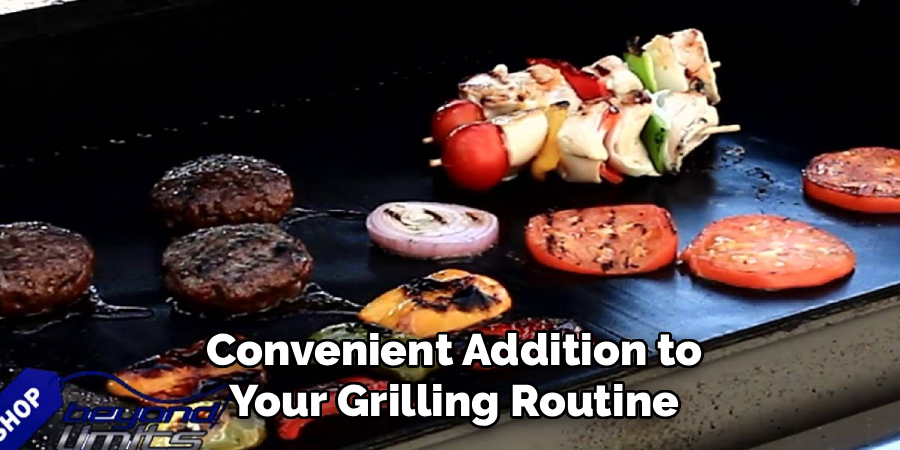
To begin using grill mats, start by ensuring your grill is clean and free from debris. Place the mat directly on the grill grates, making sure it lies flat to prevent slipping during cooking. Preheat your grill as usual, as the mat is designed to withstand high temperatures. When placing food on the mat, avoid overcrowding to allow for even cooking. Once your meal is ready, remove the mat and wait for it to cool before cleaning it with warm soapy water or placing it in the dishwasher if it’s dishwasher-safe. With proper care, grill mats are a durable and convenient addition to your grilling routine.

Why Grill Mats Are a Must-Have Tool
Grill mats bring a lot of benefits to your cooking routine, and their versatility, ease of use, and impact on food quality make them worth considering seriously. Below are some reasons why grill mats deserve a spot in your toolbox:
Enhanced Cooking Versatility
Whether you’re grilling meats, vegetables, pancakes, or even pizza, a grill mat can handle it all. Its non-stick surface ensures that delicate foods like fish or cheese won’t fall apart or stick to the grates.
Simplified Cleanup
Say goodbye to scraping burnt residue off your grill. Grill mats catch drips and crumbs, allowing you to clean up effortlessly with just a quick wash in soapy water.
Better Food Safety
You minimize the risk of cross-contamination by cooking directly on the mat instead of raw grill grates. For instance, grill mats are ideal when cooking for guests with dietary restrictions.
Protection for Your Grill
Mats provide an additional layer of protection, which helps prevent stubborn food gunk from damaging your grill over time. They also keep juices and marinades contained, so grease doesn’t accumulate beneath the burners.
Grill mats aren’t just convenient—they’re the key to professional cooking results at home. Using them correctly is essential for achieving their full benefits, though, so let’s jump into the details.
Step by Steps Guides on How to Use Grill Mats
Grill mats can make all the difference when cooking outdoors, but following the proper steps will help you get the best results. Here’s a step-by-step guide to help you master them.
Step 1: Choose the Right Grill Mat
Not all grill mats are created equal. When shopping, look for mats made from food-grade, heat-resistant materials like PTFE (polytetrafluoroethylene). These materials ensure durability and excellent non-stick properties. Some mats are also designed for high-temperature use, so check the product’s heat tolerance (typically up to 500°F).
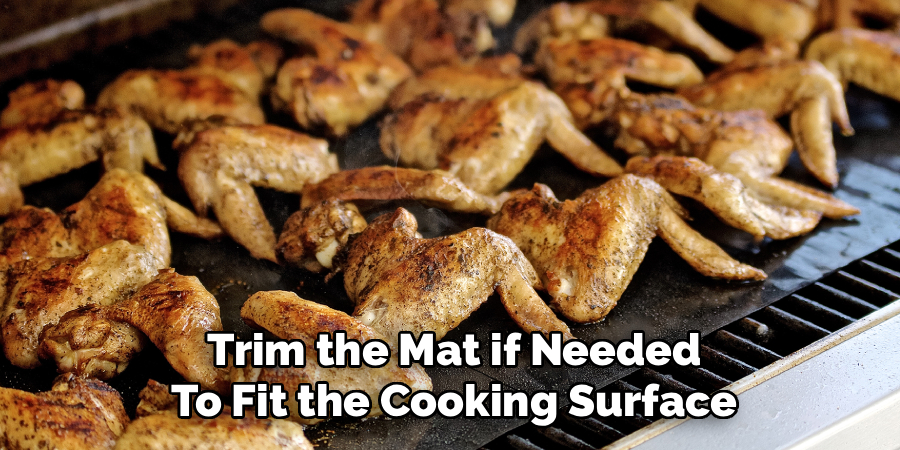
Grill mats come in various sizes and thicknesses. A thinner mat may work better for delicate items like eggs or pancakes, while a thicker one is suitable for grilling meats. Ensure the dimensions complement your grill size, and trim the mat if needed to fit the cooking surface.
Step 2: Wash and Prep Your Grill Mat
Before the first use, wash your grill mat in warm, soapy water to remove any manufacturing residue. This step ensures that your food stays safe and tastes fresh. Once clean, dry the mat with a soft towel or air-dry it completely. Always start with a clean surface, as burnt-on residue from previous uses can affect the mat’s performance.
When prepping for cooking, place the mat on a clean, dry grill grate. Make sure it lies flat to avoid uneven cooking or spills.
Step 3: Preheat Your Grill
Preheating the grill is essential for setting an even cooking temperature. With the grill lid closed, allow it to heat up to the desired temperature. Once ready, you can place the mat on the hot grates. Using grill mats on a preheated grill reduces sticking and ensures food cooks evenly.
Pro Tip: While most grill mats are heat-resistant up to 500°F, avoid exposure to flames or placing the mat directly over burners, as this could damage the mat.
Step 4: Place Food on the Mat
Now it’s time to start cooking! Arrange your food on the mat, leaving small gaps between items to ensure proper airflow. Grill mats are perfect for grilling foods that might otherwise slip through grates, such as small diced vegetables, shrimp, or fragile fish fillets.
For best results, pat the surface of the food dry before placing it onto the mat to minimize excess moisture, which might hinder browning.
Step 5: Cook with Precision
Monitor cooking times carefully. Since grill mats provide direct heat without the intense contact of grill grates, your food may cook slightly quicker. Flip foods gently using tongs or a spatula to avoid tearing or displacing them.
Grill mats work wonderfully with marinades and sauces since they prevent these flavorful liquids from dripping away. You can also apply a bit of non-stick spray beforehand for enhanced performance, though this step isn’t always necessary.
Step 6: Avoid Overheating
While grill mats are robust and capable of handling high heat, prolonged exposure to extreme temperatures can reduce their life span. To extend the durability of your mat, try to keep the grill temperature below 450°F for the majority of your cooking.
Step 7: Clean Your Grill Mat Correctly
Once you’re done grilling, allow the mat to cool before cleaning. Rinse it under warm water and gently scrub it with a non-abrasive sponge or cloth. Most grill mats are dishwasher-safe, but check the care instructions for your specific product.
If any stubborn residue remains, soak the mat for a few minutes to loosen it before washing it again.
Step 8: Store Properly to Prolong Longevity
Before storing your grill mat, make sure it’s completely dry to prevent mold or odors from developing. Roll it up (rather than folding it) to avoid creases or damage. Store it in a cool, dry place until your next grilling session.
By now, you’re well-equipped to make the most of your grill mat. Following these steps ensures flawless grilling every time.
Types of Grill Mat Materials
Grill mats are made from a variety of materials, each offering unique benefits and features. The most common types include:
PTFE-Coated Fiberglass
This is one of the most popular materials for grill mats due to its non-stick surface and high heat resistance. PTFE-coated mats are easy to clean and prevent food from sticking, making them ideal for grilling delicate items like fish or vegetables. They are also durable and can withstand repeated use.
Silicone Mats
Silicone grill mats are another option, known for their flexibility and non-stick properties. While they may not handle as high of temperatures as PTFE-coated versions, they are great for low to medium-heat cooking and offer excellent resistance to staining.

Copper-Infused Mats
Copper mats are infused with copper fibers, making them a heavier-duty option. These mats heat evenly and are suitable for achieving great grilling marks on food. They are durable and often slightly thicker than other materials, providing added stability.
Reusable Aluminum Mats
These mats combine the convenience of disposable aluminum foil with the durability of a reusable product. They are lightweight and provide good heat conductivity, ensuring food cooks evenly.
Each material type caters to different grilling needs, so selecting the right one depends on your preferences and the type of grilling you plan to do.
Frequently Asked Questions
Are grill mats safe to use with food?
Yes, grill mats made from food-grade materials like PTFE or fiberglass coatings are perfectly safe for cooking. Always buy mats from reputable manufacturers and ensure they are labeled as food-safe.
Can you use grill mats on any type of grill?
Grill mats are compatible with most grill types, including gas, charcoal, and electric grills. Just be sure that the mat fits your grill’s dimensions and avoid placing it directly over open flames.
How do I clean a burnt grill mat?
For tough stains, soak your grill mat in warm soapy water for 10–15 minutes before scrubbing gently with a soft sponge. Avoid using steel wool or abrasive cleaning pads since these can damage the mat’s surface.
Can grill mats go in a dishwasher?
Most grill mats are dishwasher-safe. If you’re unsure, check the product’s care instructions. Use the top rack of your dishwasher and select a gentle cycle for safe cleaning.
How many times can you reuse a grill mat?
With proper care, a high-quality grill mat can last for dozens of uses—sometimes up to 100 grilling sessions. To extend its lifespan, follow the recommended cleaning and storage practices.
Conclusion
Grill mats are truly a game changer for anyone who loves outdoor cooking. They simplify everything from preparation to cleanup, ensuring your grilled foods come out flavorful and perfectly cooked every time. Whether it’s your first time grilling or you’re an experienced cook, learning how to use grill mats can make the process much more enjoyable.
Now that you know the ins and outs of these handy cooking accessories, it’s time to give them a try. With practice, you’ll master the art of grilling without mess or stress—one amazing meal at a time.
When choosing the right grill mat, it’s important to consider factors like size, material, and heat resistance. Opt for mats that fit your grill perfectly and are made from high-quality, non-stick materials like PTFE-coated fiberglass. This ensures durability and prevents food from sticking. Additionally, check the heat tolerance of the mat to ensure it can handle the temperatures required for your grilling preferences. A little research can go a long way in finding a grill mat that meets your needs and enhances your cooking experience.

About
Diane Lo is a distinguished figure in the world of kitchen innovation and culinary design, with over a decade of expertise creating functional and sustainable kitchen environments. Her professional focus lies in merging ergonomic spatial planning with modern culinary technology, fostering kitchen layouts that are both highly practical and aesthetically refined. As the lead expert at Kitchenub, Diane Lo delves into the art and science of kitchen organization, appliance selection, and workflow efficiency, inspiring home cooks and professional designers alike.
Education
Royal Melbourne Institute of Technology (RMIT University) (Melbourne, Australia) Associate Degree in Interior Design and Spatial Planning Focus on sustainable kitchen layouts, user-centric design, and ergonomic efficiency. Gained hands-on experience in high-traffic commercial kitchen modeling and advanced space-saving architecture.
Nottingham Trent University (United Kingdom) Bachelor’s in Product Design and Culinary Architecture (Honors) Specialized in the intersection of kitchen technology and lifestyle design. Participated in major industry collaborations, working with premium appliance manufacturers and cabinetry firms to gain real-world insights into modern kitchen workflows.
Publications and Impact
At Kitchenub, Diane Lo shares her expert insights on kitchen renovation processes, material durability, and strategies for achieving peak culinary productivity. Her writing effectively bridges the gap between professional culinary needs and home design, making it an essential resource for those looking to transform their kitchen into a highly efficient and welcoming heart of the home.