

Cooking with aluminum cookware has long been a staple in many kitchens due to its affordability, lightweight nature, and remarkable heat conductivity. However, with the growing popularity of induction stoves for their efficiency and safety, many home cooks wonder if they can still use their trusty aluminum pots and pans.
Understanding how to properly use aluminum on these modern cooktops is crucial for both performance and safety. With the right knowledge and preparation, you can maximize both the life of your cookware and the benefits of your induction stove. In this guide on how to use aluminum on induction stove, you’ll learn everything you need to get started, from essential tools to step-by-step usage instructions.
Understanding Aluminum Cookware
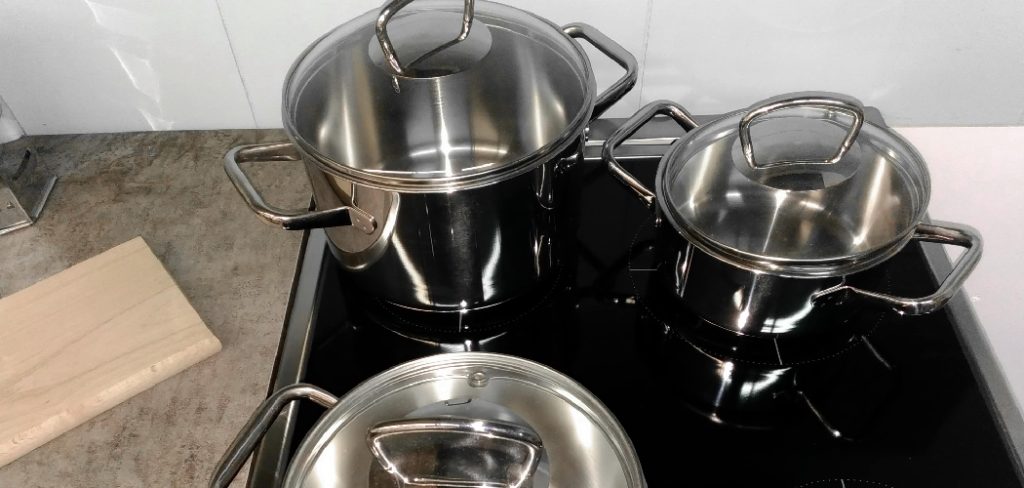
Aluminum cookware is highly valued for its excellent heat conductivity, allowing food to cook evenly and quickly. This property makes it a popular choice among professional chefs and home cooks alike. However, pure aluminum is not compatible with induction stoves as it is not magnetic by nature.
To overcome this, manufacturers often modify aluminum pans by adding a magnetic base or core that allows them to function on induction cooktops. These additions typically involve bonding the aluminum with a layer of stainless steel or other magnetic metals.
It’s important to identify whether your aluminum cookware is induction-ready by checking for labels or using a simple magnet test. If a magnet sticks to the bottom, it’s suitable for induction use. Non-compatible aluminum, if used directly, simply will not heat up on an induction stove.
Tools and Materials You’ll Need
- Induction-compatible Aluminum Cookware (or an Induction Disc Adapter)
- Induction Stove
- Magnet (for Compatibility Testing)
- Heat-resistant Spatula or Spoon
- Cooking Oil or Butter
- Oven Mitts or Pot Holders
- Soft Sponge and Mild Detergent for Cleaning
8 Simple Step-By-Step Guidelines on How to Use Aluminum on Induction Stove
Step 1: Confirm Your Cookware is Induction-Ready
Before starting, check whether your aluminum pot or pan is labeled “induction compatible.” If you’re unsure, try sticking a magnet to the base; if it attaches, your cookware will work on an induction stove. This simple test can save you frustration and wasted time.
If your pan is not induction-ready, consider using an induction disc adapter. This versatile tool acts as a bridge between your non-magnetic cookware and the induction cooktop, allowing heat transfer through a magnetic layer.
Step 2: Prepare the Induction Cooktop
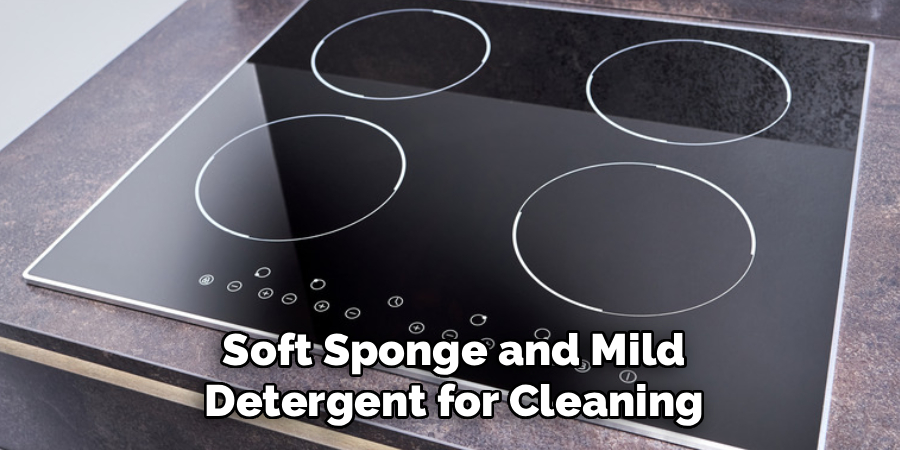
Ensure the induction stove surface is clean and free from debris. Wipe it down with a damp cloth and dry thoroughly, as dirt or spills can affect both performance and the appearance of your cooktop.
Place the cookware or adapter on the stove before turning it on. Starting with an empty pan may help prevent accidental activation of sensors or overheating while you gather your ingredients.
Step 3: Assemble Your Cooking Ingredients and Utensils
Gather all necessary ingredients as well as appropriate utensils, such as heat-resistant spatulas or wooden spoons. This preparation helps streamline your cooking process and prevents unnecessary delays.
Aluminum heats quickly, so having everything within reach is crucial. It ensures that food doesn’t overcook or burn while you fumble for missing items mid-task.
Step 4: Preheat with Caution
Start the induction cooktop on a low or medium setting. Aluminum cookware heats up rapidly, meaning you don’t need high heat for preheating. Allow the pan to warm for a minute or two before adding oil or ingredients.
Keep an eye on the cookware, as overheating empty aluminum can cause warping or damage to the magnetic base. Setting a timer could help remind you when to add your next ingredients.
Step 5: Add Oil or Butter and Ingredients
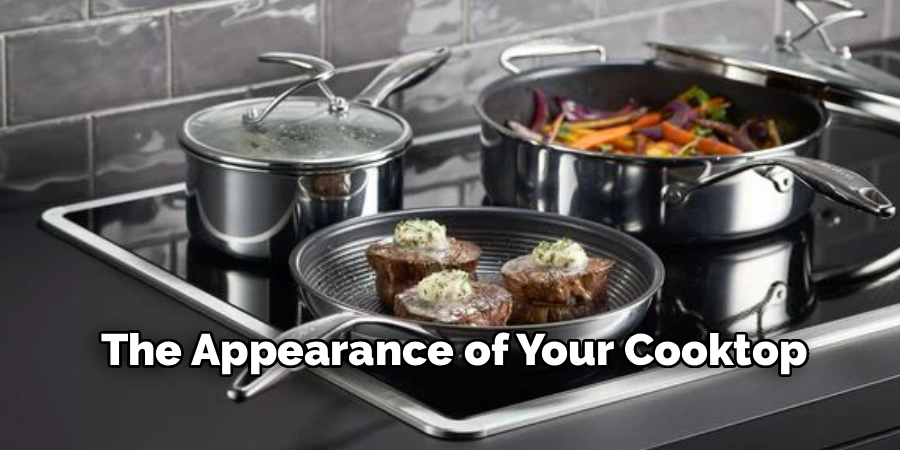
Once preheated, add oil, butter, or other fats to the aluminum pan. Let it heat until shimmering but not smoking—this helps prevent sticking and improves flavor.
Add your ingredients, distributing them evenly for consistent cooking. Stir gently to avoid scratching the nonstick or anodized coating often found in induction-ready aluminum cookware.
Step 6: Adjust Temperature as Needed
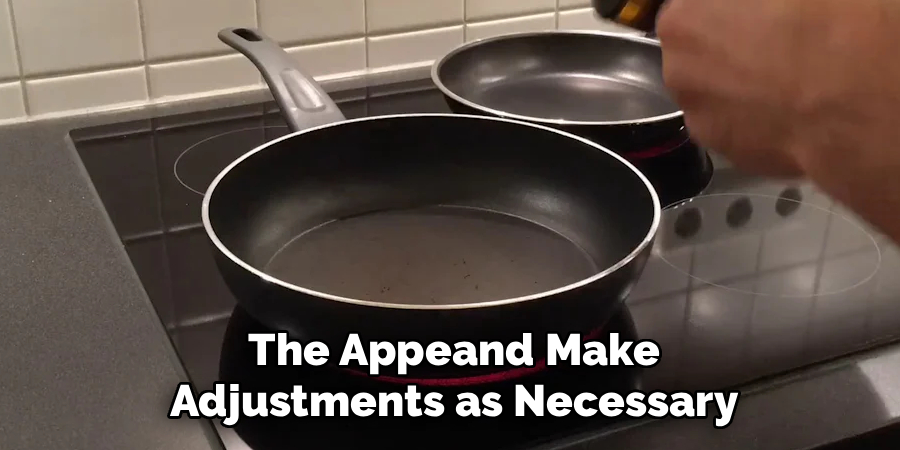
Monitor the temperature during cooking and make adjustments as necessary. The precise control afforded by induction cooktops is ideal for aluminum, letting you simmer, sauté, or sear without burning.
If you notice food browning too quickly or sticking, lower the heat slightly. Aluminum responds immediately to changes in stove settings, making it easy to fine-tune the cooking process.
Step 7: Prevent Overheating and Maintain Safety
Never leave aluminum cookware unattended on an active induction stove. Excessive heat can warp the pan, degrade nonstick coatings, or even pose a safety risk.
Use oven mitts or pot holders when handling the pan, as the handles can get very hot. Teach family members, especially children, about the unique way induction stoves respond to magnetic cookware to ensure safe kitchen practices.
Step 8: Clean and Store Properly
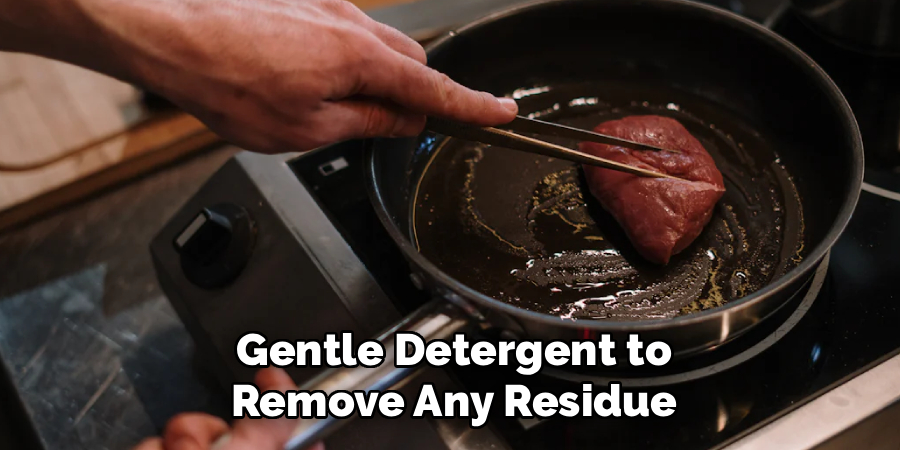
After cooking, allow the pan to cool before cleaning it. Use a soft sponge and gentle detergent to remove any residue, taking care not to scratch the surface.
Dry thoroughly before storing to prevent water spots or corrosion. Store in a dry location to extend the life of both the aluminum cookware and its magnetic base.
Following these steps on how to use aluminum on induction stove and properly storing your cookware will ensure a longer lifespan for your kitchen tools.
Safety Tips
Always use cookware that is specifically labeled as compatible with induction stoves or tested with a magnet. Avoid extremely high temperatures, as these can quickly damage lightweight aluminum pans. Never preheat empty aluminum cookware on high heat, and monitor closely to prevent food from burning.
Use recommended utensils and avoid metal implements that may scratch or damage nonstick surfaces, often present in induction-ready aluminum cookware. Additionally, handle heated items carefully, since induction stovetops can rapidly heat both the pan and its contents.
If using a gas stovetop, avoid placing aluminum pans directly on the flames. Instead, use a diffuser or heat spreader to distribute heat evenly and prevent hot spots.
Alternatives to Aluminum
If you find using aluminum on an induction stove too inconvenient, consider switching to stainless steel, cast iron, or enameled cookware. These materials are often naturally compatible with induction and offer excellent durability.
Stainless steel-clad pans, in particular, provide the benefit of both conductivity and magnetic compatibility. Ceramic cookware with a magnetic base is another alternative that combines stylish design with function.
If you are looking for a more eco-friendly option, consider using ceramic or glass cookware. These materials do not contain any harmful chemicals and can withstand high heat without leaching any toxins into your food.
Common Mistakes to Avoid
- Using non-magnetic aluminum cookware directly on induction will not work
- Overheating empty aluminum pans, risking warping and coating damage
- Scratching nonstick surfaces with metal utensils
- Neglecting to clean and dry pans thoroughly before storage
- Placing hot cookware abruptly on cold surfaces can cause warping
- Heating non-stick cookware above the manufacturer’s recommended temperature range
- Using harsh abrasives on coated surfaces
- Storing pans stacked, which can cause scratches and damage to nonstick coatings
To ensure the longevity and effectiveness of your cookware, it is important to avoid these common mistakes. By following proper care and usage guidelines, you can enjoy your cookware for years to come.
Frequently Asked Questions
Q1: Does Regular Aluminum Cookware Work on Induction Stoves?
A1: Regular aluminum cookware does not naturally work on induction stoves, as it is not magnetic. Only aluminum pans with a magnetic base or those labeled as induction compatible can be used. Always check the compatibility before cooking.
Q2: What is an Induction Disc Adapter, and How Does it Help?
A2: An induction disc adapter is a magnetic plate that allows you to use non-induction cookware, like standard aluminum pans, on an induction stove. The adapter heats up through magnetic induction and then transfers that heat to your pan. It’s a handy solution if you don’t want to replace your current cookware.
Q3: Can Overheating Damage Aluminum Cookware on Induction?
A3: Yes, overheating can lead to warping, damage to any attached magnetic base, or degradation of nonstick coatings. It’s important to cook using medium or low heat and to monitor your cookware during use. Never leave an empty pan heating on the induction stove.
Q4: Are There Any Special Cleaning Requirements for Aluminum Used on Induction?
A4: Always allow aluminum cookware to cool before washing, and clean with a soft sponge and mild detergent. Avoid abrasive scrubbers that can damage surfaces. Dry thoroughly to prevent water spots or rust on magnetic bases.
Conclusion
Using aluminum on an induction stove is possible and effective when you use the right cookware and follow the recommended guidelines on how to use aluminum on induction stove. With careful preparation, compatible tools, and a bit of know-how, you can enjoy the benefits of both efficient cooking and your favorite aluminum pans.
Remember the safety tips and avoid common mistakes to extend the life of your cookware while maximizing your cooking experience.

About
Diane Lo is a distinguished figure in the world of kitchen innovation and culinary design, with over a decade of expertise creating functional and sustainable kitchen environments. Her professional focus lies in merging ergonomic spatial planning with modern culinary technology, fostering kitchen layouts that are both highly practical and aesthetically refined. As the lead expert at Kitchenub, Diane Lo delves into the art and science of kitchen organization, appliance selection, and workflow efficiency, inspiring home cooks and professional designers alike.
Education
Royal Melbourne Institute of Technology (RMIT University) (Melbourne, Australia) Associate Degree in Interior Design and Spatial Planning Focus on sustainable kitchen layouts, user-centric design, and ergonomic efficiency. Gained hands-on experience in high-traffic commercial kitchen modeling and advanced space-saving architecture.
Nottingham Trent University (United Kingdom) Bachelor’s in Product Design and Culinary Architecture (Honors) Specialized in the intersection of kitchen technology and lifestyle design. Participated in major industry collaborations, working with premium appliance manufacturers and cabinetry firms to gain real-world insights into modern kitchen workflows.
Publications and Impact
At Kitchenub, Diane Lo shares her expert insights on kitchen renovation processes, material durability, and strategies for achieving peak culinary productivity. Her writing effectively bridges the gap between professional culinary needs and home design, making it an essential resource for those looking to transform their kitchen into a highly efficient and welcoming heart of the home.