

Cooking with a cookline gas stove can be an efficient and convenient way to prepare meals. These stoves are commonly used in professional kitchens for their reliability and precise heat control, making them ideal for various cooking techniques. Understanding how to operate a cookline gas stove safely and effectively is essential for achieving great results while maintaining a secure cooking environment. This guide will provide you with the basic steps of How to use a cookline gas stove.
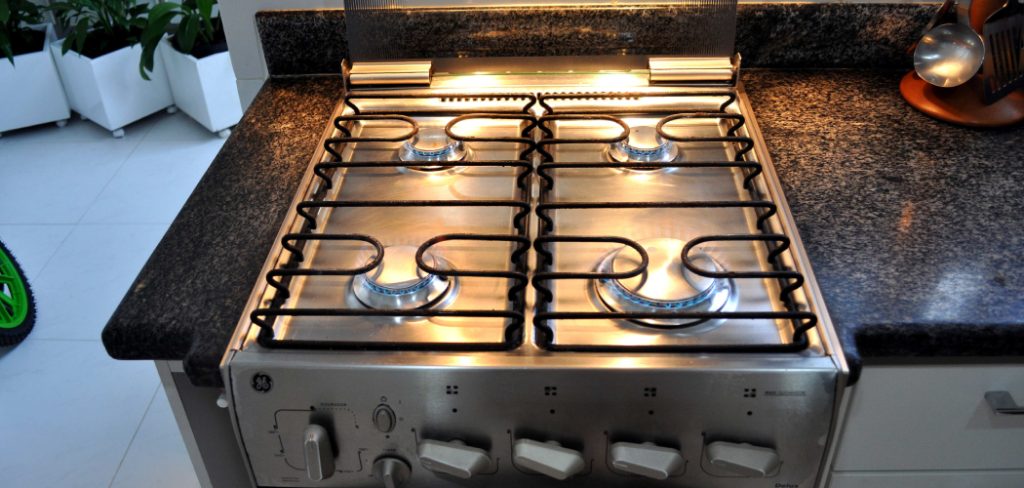
Importance of Using a Gas Stove Safely
Safety should always be a top priority when using a cookline gas stove. Improper usage can lead to serious hazards, including gas leaks, fires, or burns. Ensuring proper ventilation is essential to prevent the buildup of harmful gases such as carbon monoxide.
Regular maintenance and inspections help identify potential issues with gas connections or burners before they become dangerous. Additionally, understanding how to ignite the stove properly and paying attention while cooking reduces the risk of accidents. By following safety guidelines, you can create a secure cooking environment while taking advantage of the efficiency and precision that a cookline gas stove offers.
Safety Precautions Before Using the Stove
Before using a gas stove, it is crucial to prioritize safety to avoid potential hazards. Start by ensuring that the area around the stove is free of flammable materials, such as kitchen towels, paper, or grease spills. Check all gas connections for any signs of leaks—applying a soapy water solution to the connections can help detect bubbles, indicating a leak. Make sure the kitchen is well-ventilated by opening windows or turning on an exhaust fan to prevent the buildup of harmful gases.
Always read and follow the manufacturer’s instructions for operating the stove, and ensure that all burners are turned off when not in use. Taking these precautionary steps can significantly reduce the risk of accidents while maintaining a safe cooking environment.
10 Methods How to Use a Cookline Gas Stove
1. Familiarize Yourself with the Stove Controls
Before using a Cookline gas stove, take time to understand the layout and function of the control knobs, burners, and igniters. Cookline stoves typically feature clearly labeled knobs for each burner, allowing you to adjust flame intensity from low to high. Some models may have additional features like a built-in oven or safety indicators. Familiarizing yourself with these controls ensures safe and efficient use and minimizes the risk of accidental burns or gas leaks during cooking.
2. Ensure Proper Gas Supply and Ventilation
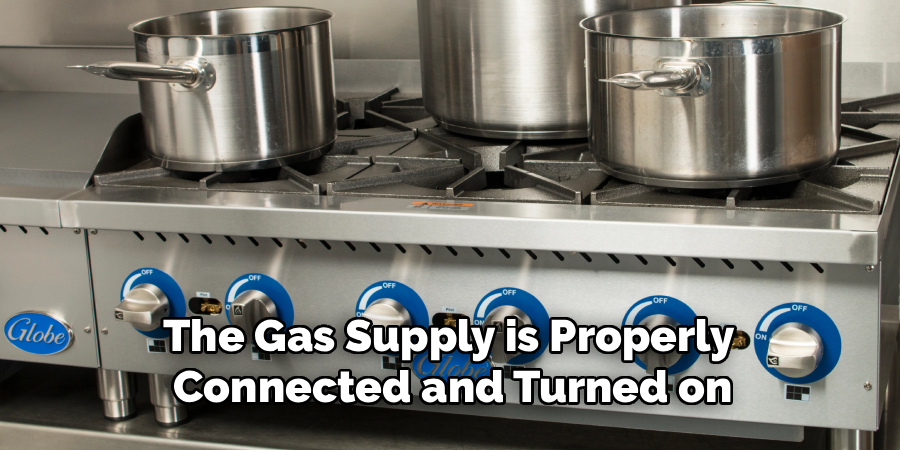
Before igniting the stove, make sure the gas supply is properly connected and turned on at the main valve. Check for any signs of leaks by smelling for gas or using a leak detection solution if needed. Additionally, ensure that the kitchen is well-ventilated, either by opening windows or using an exhaust fan, to prevent the buildup of gas or fumes. Proper gas supply and ventilation are fundamental to safe operation and create a comfortable environment for cooking.
3. Use the Built-In Igniter or Manual Lighter
Cookline gas stoves are equipped with either a built-in electronic igniter or require a manual lighter. For stoves with an electronic igniter, simply turn the burner knob to the ignition position until the flame ignites. If using a manual lighter, hold the flame close to the burner while slowly turning the knob to release gas. Always ensure that the flame is stable before placing any cookware on the burner. This step ensures controlled ignition and reduces the risk of accidental fires.
4. Adjust the Flame for Optimal Cooking
Once the burner is lit, adjust the flame to the desired level for your cooking needs. A strong blue flame provides high heat for boiling or searing, while a smaller, steady flame is suitable for simmering or gentle cooking. Cookline stoves allow precise control over flame intensity, which improves cooking efficiency and helps prevent food from burning. Proper flame adjustment also conserves gas and enhances safety by avoiding excessive heat buildup.
5. Select Appropriate Cookware
Using the right cookware is essential when cooking on a Cookline gas stove. Choose pots and pans with flat bottoms that fit the burner size to ensure even heat distribution. Avoid using cookware that is too large, as it can cover multiple burners and affect efficiency, or too small, which may cause flames to lick the sides and create a fire hazard. Proper cookware selection enhances cooking results, maximizes energy use, and maintains safety.
6. Monitor Cooking and Practice Safe Handling
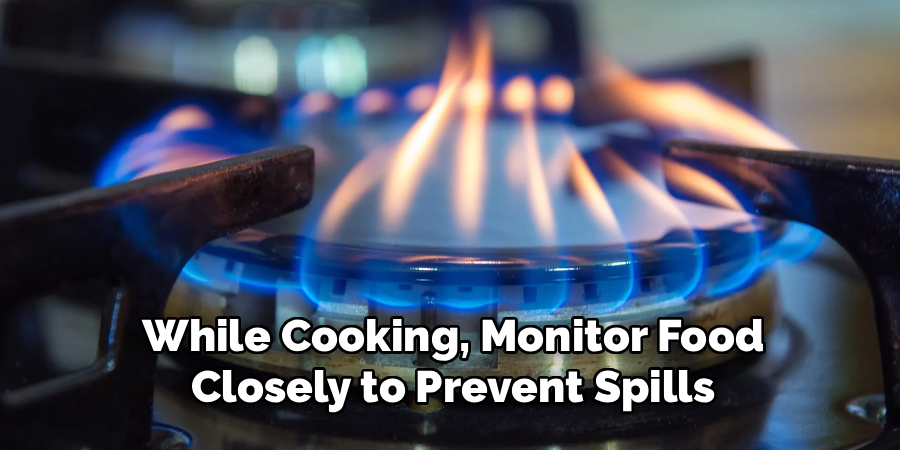
While cooking, monitor food closely to prevent spills, boil-overs, or burning. Use oven mitts or heat-resistant gloves when handling pots and pans to protect against burns. Avoid leaving the stove unattended for extended periods, especially when cooking with high flames. Cookline gas stoves are designed for reliability, but safe handling practices ensure that your cooking environment remains hazard-free and enjoyable.
7. Utilize Multi-Burner Cooking Efficiently
Cookline stoves often feature multiple burners that allow simultaneous cooking of different dishes. Organize your workflow by placing pots and pans strategically according to their size and cooking needs. Use smaller burners for simmering sauces and larger ones for boiling or frying. Efficient use of multiple burners saves time and energy while allowing for organized meal preparation, ensuring that all dishes are cooked to perfection.
8. Turn Off Burners Properly After Use
After cooking, it is crucial to turn off each burner by rotating the knobs to the “off” position. Confirm that the flame is completely extinguished and that no gas continues to flow. If your Cookline stove has a main gas valve, consider turning it off after extensive cooking sessions for added safety. Properly turning off the burners prevents gas leaks, conserves fuel, and ensures that the stove remains safe for future use.
9. Clean Burners and Stove Surface Regularly
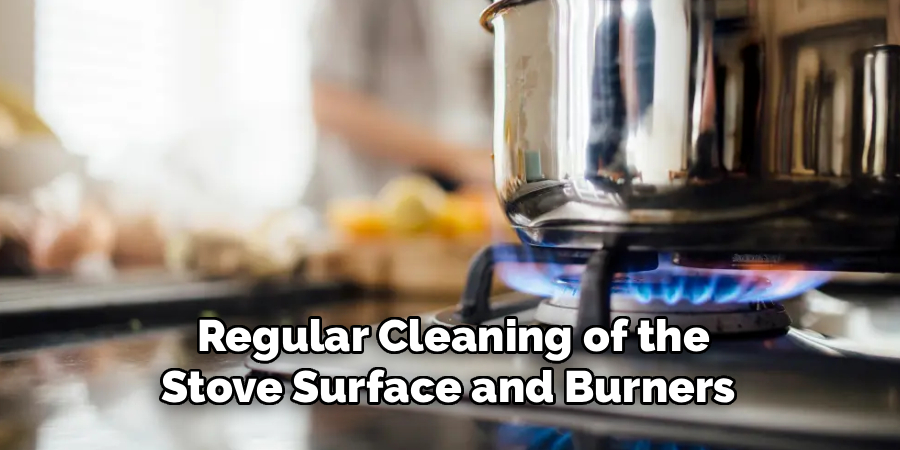
Regular cleaning of the stove surface and burners enhances performance and prolongs the life of your Cookline stove. Remove and clean drip pans, burner caps, and grates to remove food residue and grease. Use a mild detergent or a vinegar-water solution for stubborn stains. Keeping the burners clean ensures even flames, prevents blockages, and reduces the risk of flare-ups, while maintaining a hygienic and visually appealing kitchen.
10. Follow Maintenance and Safety Guidelines
Finally, adhere to the manufacturer’s maintenance and safety guidelines. Schedule periodic inspections of gas connections, igniters, and burner components to ensure optimal performance. Replace worn or damaged parts promptly and follow instructions for safe storage and use. Familiarize yourself with emergency procedures, such as shutting off the gas in case of leaks. Observing these guidelines ensures long-term safety, reliable operation, and efficient performance of your Cookline gas stove.
Maintenance and Upkeep
Proper maintenance and upkeep of your Cookline gas stove will help extend its lifespan and ensure peak performance. Start by cleaning the stove regularly to prevent the buildup of grease, food particles, and debris. Use a non-abrasive cleaner and a soft cloth or sponge to clean the surface without causing any damage. Pay special attention to the burners, grates, and igniters, ensuring they remain free from obstructions that could affect functionality.
Inspect gas hoses and connections periodically for signs of wear, cracks, or leaks. If you detect a leak, stop using the stove immediately, turn off the gas supply, and contact a certified professional for repairs. Additionally, ensure the ventilation system is clear and functioning properly to maintain safe airflow.
It’s also important to periodically recalibrate the stove’s temperature settings if they become inaccurate over time. Consult the user manual or contact a professional technician for assistance. Following a consistent maintenance schedule will help keep your gas stove efficient, safe, and reliable for years to come.
Troubleshooting Common Issues
Even with regular maintenance, gas stoves can occasionally experience problems. Below are some common issues and their potential solutions:
- Burner Won’t Light
If the burner fails to ignite, check if the gas supply is turned on and ensure the burner ports are free of debris. Use a safety pin or a small brush to unclog the holes carefully. Also, inspect the ignition system for any loose or damaged connections.
- Weak or Uneven Flame
A weak or inconsistent flame could indicate a clogged burner orifice or insufficient gas pressure. Clean the burner thoroughly and check for blockages in the gas line. If the issue persists, contact a professional to inspect the gas pressure.
- Yellow or Orange Flame
Flames should be blue when burning correctly. Yellow or orange flames may indicate improper gas-to-air mixture or dirty burners. Clean the burner ports and ensure proper ventilation. Persistent problems may require professional adjustment of the air shutter.
- Gas Smell
If you detect a strong gas odor, turn off the gas supply immediately, avoid using electrical devices, and ventilate the area. Contact your gas provider or a professional technician to address the issue safely.
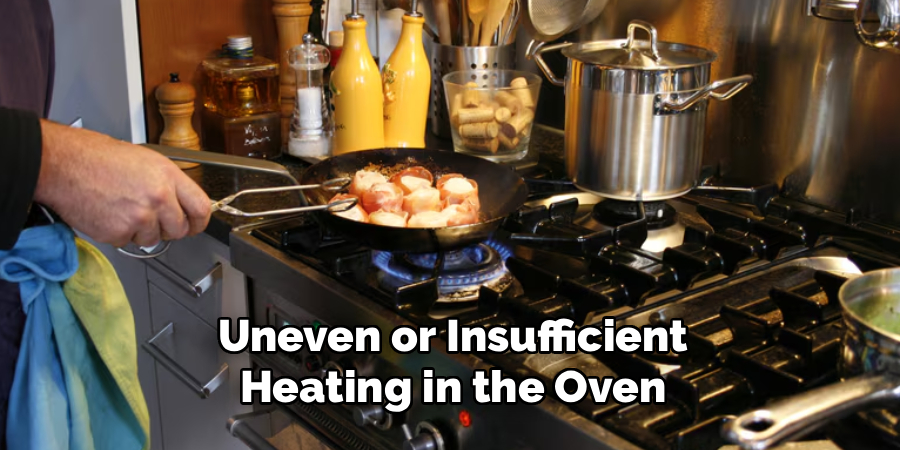
- Oven Not Heating Properly
Uneven or insufficient heating in the oven can be due to a faulty thermostat, igniter, or gas valve. Test these components if you have the expertise, or consult a technician for a proper diagnosis and repair.
Conclusion
Regular maintenance and prompt attention to minor issues can significantly extend the lifespan of your gas stove while ensuring safety and efficiency in your kitchen. By following the troubleshooting steps outlined above, you can tackle common problems with confidence. However, for more serious or persistent issues, consulting a qualified professional is the best course of action to protect both your appliance and your home. Thanks for reading our blog post on How to use a cookline gas stove! We hope you found it helpful and informative.

About
Diane Lo is a distinguished figure in the world of kitchen innovation and culinary design, with over a decade of expertise creating functional and sustainable kitchen environments. Her professional focus lies in merging ergonomic spatial planning with modern culinary technology, fostering kitchen layouts that are both highly practical and aesthetically refined. As the lead expert at Kitchenub, Diane Lo delves into the art and science of kitchen organization, appliance selection, and workflow efficiency, inspiring home cooks and professional designers alike.
Education
Royal Melbourne Institute of Technology (RMIT University) (Melbourne, Australia) Associate Degree in Interior Design and Spatial Planning Focus on sustainable kitchen layouts, user-centric design, and ergonomic efficiency. Gained hands-on experience in high-traffic commercial kitchen modeling and advanced space-saving architecture.
Nottingham Trent University (United Kingdom) Bachelor’s in Product Design and Culinary Architecture (Honors) Specialized in the intersection of kitchen technology and lifestyle design. Participated in major industry collaborations, working with premium appliance manufacturers and cabinetry firms to gain real-world insights into modern kitchen workflows.
Publications and Impact
At Kitchenub, Diane Lo shares her expert insights on kitchen renovation processes, material durability, and strategies for achieving peak culinary productivity. Her writing effectively bridges the gap between professional culinary needs and home design, making it an essential resource for those looking to transform their kitchen into a highly efficient and welcoming heart of the home.