

Induction stoves are a modern and efficient way to cook, utilizing electromagnetic energy to directly heat pots and pans. However, many models come with safety features, such as a lock mechanism, to prevent accidental activation or changes in settings. Unlocking an induction stove is a simple process, but it can vary slightly depending on the brand and model. Understanding how to unlock induction stove is essential for ensuring smooth and safe operation.
Why Induction Stoves Have a Lock Feature
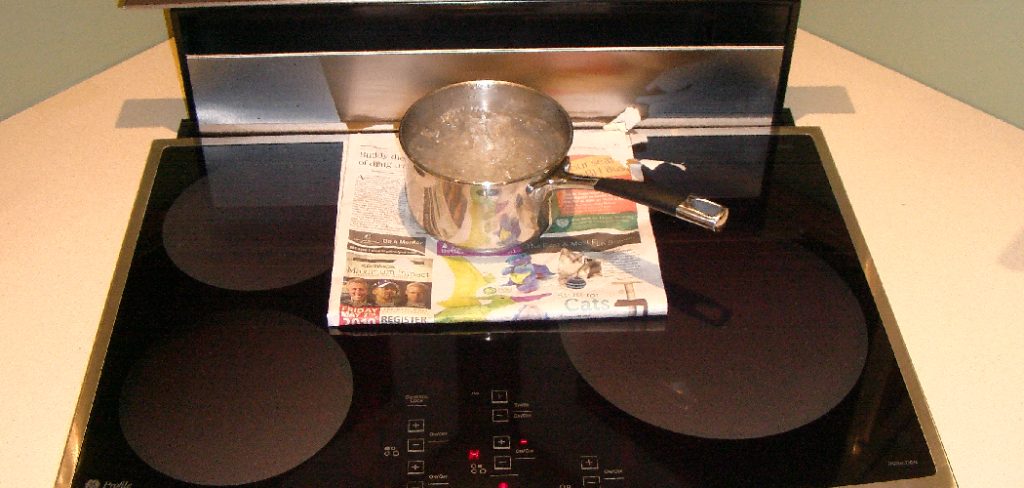
The lock feature on induction stoves is primarily designed to enhance safety and prevent accidental operation. Since induction cooktops are often controlled by touch-sensitive panels, it’s easy to unintentionally change settings or turn on the stove, especially in households with children.
The lock feature ensures that the cooktop remains inactive when not in use, minimizing the risk of burns or other accidents. Additionally, this feature helps to preserve cooking settings during use, preventing interruptions to the cooking process. By incorporating this safety measure, manufacturers prioritize both practicality and peace of mind in the kitchen.
Difference between Child Lock and Control Lock
While both the Child Lock and Control Lock features serve to enhance safety and prevent accidental operation of appliances, they differ in their specific functionality. The Child Lock is primarily designed to prevent children from tampering with the controls, often requiring a deliberate sequence of actions to activate or deactivate. This feature ensures that young ones cannot inadvertently change settings or turn on the appliance.
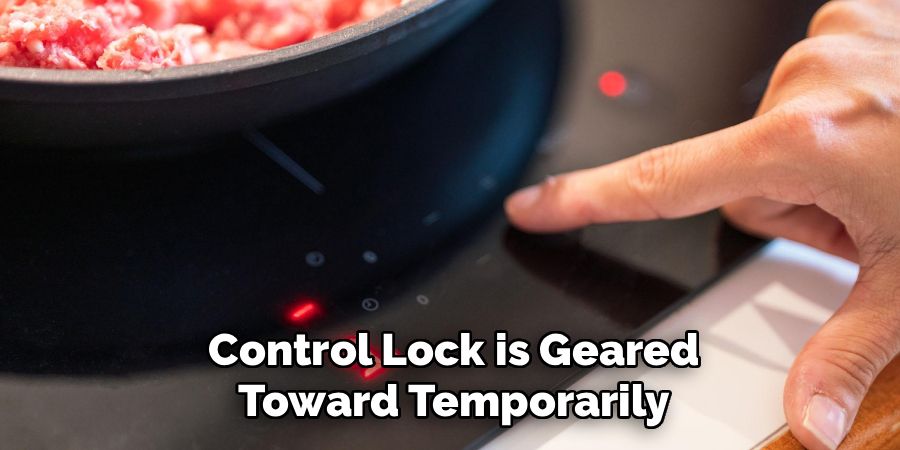
On the other hand, the Control Lock is geared toward temporarily disabling all touch controls, providing a broader safeguard against unintended use by anyone, not just children. While they share a similar goal of preventing mishaps, the Child Lock is more focused on child safety, whereas the Control Lock caters to general usability and convenience for all users.
Safety Precautions Before Unlocking
Before proceeding to unlock any controls, it’s essential to take a few precautions to ensure safe operation. First, make sure the appliance is powered off or in a standby mode to avoid accidental activation of functions during the unlocking process. Inspect the surroundings to ensure there are no obstructions or hazards that could interfere with safe use.
For Child Lock or Control Lock specifically, verify that it is appropriate to disengage the lock based on the current environment—especially if children are present. Always refer to the user manual for specific instructions on unlocking, as improper handling may cause damage to the controls or compromise safety. Lastly, remain attentive and cautious while resuming operation after unlocking.
10 Methods How to Unlock Induction Stove
1. Understand the Child Lock Feature
Most modern induction stoves are equipped with a child lock or safety lock feature to prevent accidental activation. Before attempting to unlock your stove, familiarize yourself with this feature by consulting the user manual. The lock typically disables the control panel, preventing the stove from turning on or adjusting heat levels. Understanding the purpose and function of the lock ensures you follow the correct procedure for unlocking it safely and avoids potential damage to the appliance.
2. Locate the Lock Button or Symbol
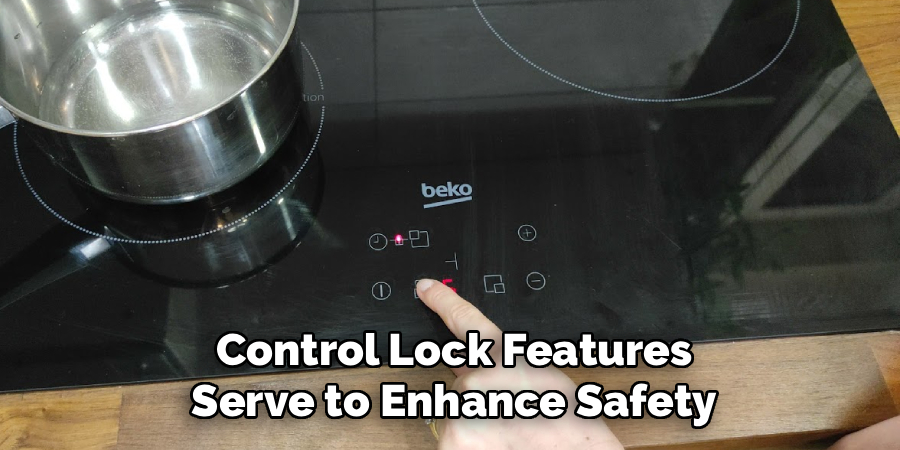
Induction stoves generally have a designated lock button or symbol on the control panel. This may be labeled with a key icon, padlock, or the word “Lock.” On touch-sensitive models, the symbol is usually integrated into the digital display. Locating the correct button is the first step in unlocking the stove and ensures you do not accidentally press other controls, which could alter heat settings or trigger unintended functions.
3. Press and Hold the Lock Button
Once you have identified the lock button, press and hold it for the duration specified in the user manual, usually between three to five seconds. The stove may emit a beep or display a visual indicator, such as a flashing light or a change in the padlock icon, to confirm that the lock has been released. Holding the button for the proper duration is crucial, as a quick tap may not deactivate the safety lock.
4. Use Combination or Dual-Button Unlocking
Some induction stove models require pressing a combination of buttons to unlock. This may involve holding the lock button while simultaneously pressing a power button or a specific burner selection button. Check your stove’s manual to determine the correct combination. Following the manufacturer’s instructions ensures that the lock is disengaged without triggering error codes or activating unintended features.
5. Reset the Stove if the Lock Does Not Release
If the stove remains locked after following the standard unlocking procedure, try performing a reset. Turn off the stove completely, either by pressing the main power button or switching off the circuit breaker, and wait for at least one minute. Power the stove back on and attempt to unlock it again. Resetting the induction stove can clear minor electronic glitches that may prevent the lock from disengaging.
6. Check for Residual Lock or Child Lock Activation
Some induction stoves feature residual lock settings, which automatically re-engage after a set period for safety purposes. Verify whether your stove has this feature and follow the appropriate procedure to temporarily deactivate it. Understanding residual lock settings prevents confusion and ensures that the stove can be unlocked when needed without compromising child safety features.
7. Ensure the Cooktop Surface is Free of Obstructions
Before attempting to unlock the stove, make sure the surface is clear of cookware, utensils, or spills. Induction stoves have sensors that detect objects on the cooking zones, and certain obstructions can interfere with unlocking procedures. Removing all items from the cooktop ensures that the control panel can register your inputs accurately and allows the unlocking process to proceed smoothly.
8. Inspect for Error Codes or Malfunctions
If the stove fails to unlock despite following the correct procedure, check the control panel for error codes. Error codes may indicate issues such as electrical faults, sensor malfunctions, or overheating. Refer to the user manual to interpret these codes and follow the recommended troubleshooting steps. Addressing any malfunctions is essential to safely unlocking the stove and preventing damage to the appliance.
9. Contact Customer Support if Necessary
If all attempts to unlock the induction stove fail, contact the manufacturer’s customer support or an authorized service center. Provide the model number and a detailed description of the issue. Professional guidance ensures that the stove is unlocked safely without causing damage or voiding the warranty. Customer support can also provide model-specific instructions for unlocking or resetting the child lock feature.
10. Maintain Regular Operation and Safety Practices
Once the induction stove is unlocked, follow regular operational guidelines to prevent accidental re-locking. Avoid pressing the lock button unintentionally and ensure that the cooktop remains clean and unobstructed. Familiarize all household members with the unlocking procedure to facilitate safe and efficient use. Maintaining proper handling and awareness of the lock feature enhances both safety and convenience, allowing the stove to function reliably over time.
Maintenance and Upkeep
To ensure optimal performance and longevity of your induction stove, regular maintenance is essential. Begin by cleaning the cooktop surface after every use with a soft cloth and a non-abrasive cleaner to prevent residue buildup. Avoid using harsh chemicals or sharp objects that can scratch the surface.
Periodically check the power cord and connections for any signs of wear or damage, and address issues promptly to avoid potential hazards. Additionally, inspect the ventilation areas to ensure they are free of dust and debris, which can impede performance. By adhering to these maintenance practices, you can keep your induction stove functioning efficiently for years to come.
Troubleshooting Common Issues
Despite regular maintenance, you may occasionally encounter issues with your induction stove. Here are some common problems and their potential solutions:
- The stove doesn’t turn on:
Ensure the stove is properly plugged in and the power supply is functional. Check the circuit breaker to confirm there is no tripped breaker. If the issue persists, the internal circuitry may require inspection by a professional.
- Error codes displayed:
Refer to the user manual to interpret specific error codes. Often, these codes indicate issues such as overheating, incompatible cookware, or an electrical fault.
- Cookware not heating:
Verify that the cookware being used is induction-compatible. Magnet-compatible cookware with a flat base typically works best. Ensure the cookware is positioned correctly on the cooking zone.
- Fluctuating heat levels:
This could be caused by uneven contact between the cookware and the stove surface. Ensure the bottom of your cookware is flat and clean. Additionally, check if the burner size matches the size of the pot or pan.

- Unresponsive touch controls:
Clean the control panel to remove any moisture, grease, or food particles. If the issue continues, try resetting the unit by turning it off and disconnecting it from the power source for a few minutes.
If the problems persist after trying these solutions, it is advisable to contact the manufacturer’s customer support or a certified technician for further assistance.
Conclusion
By following these ten methods, you can safely and effectively unlock an induction stove, ensuring access to all cooking functions while maintaining the integrity of safety features. From understanding the child lock function and locating the correct buttons to using combination presses, resetting the appliance, checking for errors, and consulting customer support, these steps provide comprehensive guidance for both beginners and experienced users. Thanks for reading our blog post on how to unlock induction stove! We hope you found it helpful and informative.

About
Diane Lo is a distinguished figure in the world of kitchen innovation and culinary design, with over a decade of expertise creating functional and sustainable kitchen environments. Her professional focus lies in merging ergonomic spatial planning with modern culinary technology, fostering kitchen layouts that are both highly practical and aesthetically refined. As the lead expert at Kitchenub, Diane Lo delves into the art and science of kitchen organization, appliance selection, and workflow efficiency, inspiring home cooks and professional designers alike.
Education
Royal Melbourne Institute of Technology (RMIT University) (Melbourne, Australia) Associate Degree in Interior Design and Spatial Planning Focus on sustainable kitchen layouts, user-centric design, and ergonomic efficiency. Gained hands-on experience in high-traffic commercial kitchen modeling and advanced space-saving architecture.
Nottingham Trent University (United Kingdom) Bachelor’s in Product Design and Culinary Architecture (Honors) Specialized in the intersection of kitchen technology and lifestyle design. Participated in major industry collaborations, working with premium appliance manufacturers and cabinetry firms to gain real-world insights into modern kitchen workflows.
Publications and Impact
At Kitchenub, Diane Lo shares her expert insights on kitchen renovation processes, material durability, and strategies for achieving peak culinary productivity. Her writing effectively bridges the gap between professional culinary needs and home design, making it an essential resource for those looking to transform their kitchen into a highly efficient and welcoming heart of the home.