

Vanilla bean paste is a versatile and flavorful ingredient commonly used in baking and cooking to enhance the taste and aroma of various dishes. Proper storage of vanilla bean paste is essential to maintain its quality, freshness, and distinctive flavor over time.
With the right methods, you can ensure that this precious ingredient remains a staple in your kitchen for months to come. In this blog post, we’ll walk you through the steps on how to store vanilla bean paste so that you can get back to using it in no time! So grab your tools, and let’s get started!
What Is Vanilla Bean Paste?
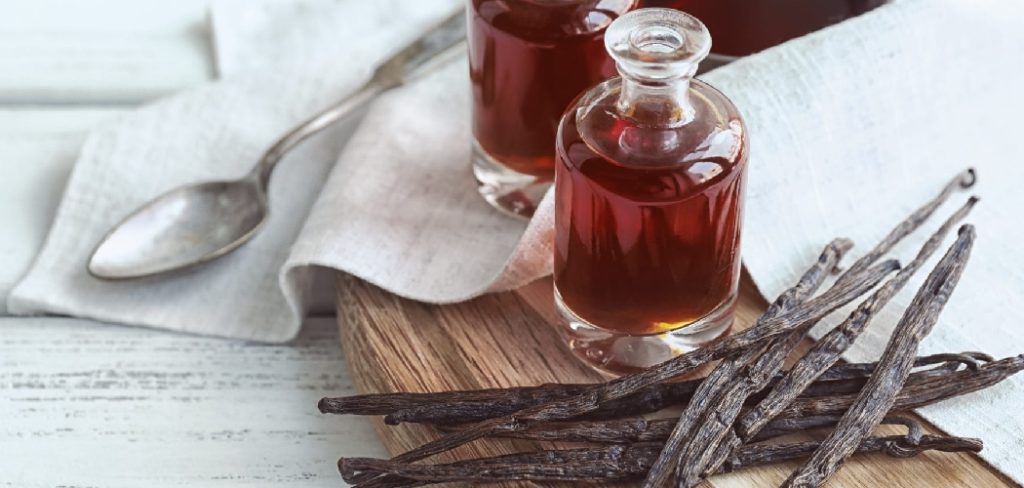
Vanilla bean paste is a flavorful and versatile ingredient made from real vanilla beans, blended with a thick syrup or gel-like base. It captures the essence of the vanilla bean, providing both the intense flavor and the tiny black flecks characteristic of real vanilla.
Unlike vanilla extract, which is liquid and purely concentrated, vanilla bean paste offers a more robust taste and a visual appeal that enhances baked goods and desserts like custards, cakes, and ice cream. It’s a favorite among chefs and home bakers alike, offering the richness of whole vanilla beans without the hassle of scraping them from the pods.
Importance of Proper Storage
Proper storage of vanilla bean paste is crucial to preserving its rich flavor, smooth texture, and enticing aroma. Vanilla bean paste contains natural compounds that can degrade over time when exposed to elements like air, heat, and light, leading to a loss of quality and intensity.
By storing it correctly, you not only extend its shelf life but also ensure that every spoonful delivers the full depth of flavor that enhances your recipes. Furthermore, maintaining proper storage prevents contamination and keeps the paste fresh and ready for all your culinary creations. Taking these steps guarantees that this versatile ingredient remains a worthy investment in your cooking endeavors.
Shelf Life of Vanilla Bean Paste
Vanilla bean paste, when stored properly, can maintain its quality and flavor for an extended period. Typically, an unopened jar of vanilla bean paste can last for up to three years if kept in a cool, dark place away from direct sunlight or heat sources. Once opened, it is recommended to use the paste within one year to ensure optimal flavor and aroma.
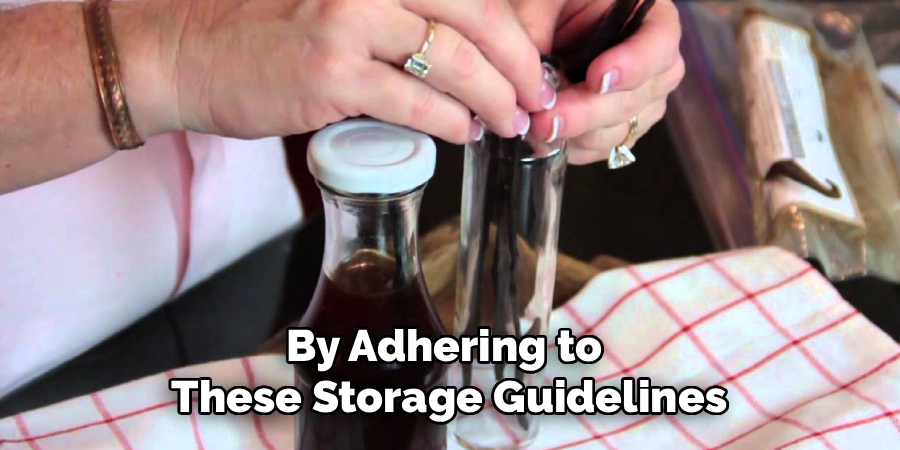
Always ensure the jar is tightly sealed after each use to prevent exposure to air, which can lead to premature degradation. By adhering to these storage guidelines, you can enjoy the rich, concentrated essence of vanilla in your recipes for months to come.
10 Methods How to Store Vanilla Bean Paste
1. Store in a Cool, Dark Place to Preserve Potency
Vanilla bean paste is a luxurious and aromatic baking ingredient that must be protected from heat and light to preserve its complex flavor and longevity. To keep the paste fresh, it is best stored in a pantry or kitchen cabinet away from the stove, oven, or direct sunlight.
Heat can cause the delicate flavor compounds within the vanilla to degrade, while light may affect the color and overall quality of the paste. Choose a location with a stable temperature and low humidity, such as a spice drawer or dark cupboard. This simple yet effective method ensures your vanilla bean paste remains rich, aromatic, and flavorful for months.
2. Use Airtight Containers for Extended Freshness
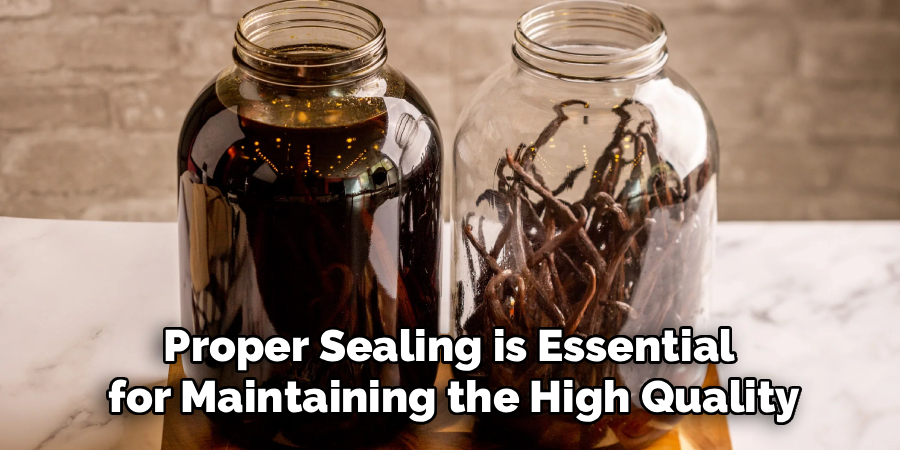
Proper sealing is essential for maintaining the high quality of vanilla bean paste. Most commercial jars come with screw-top lids, but once opened, you should ensure that the container is completely airtight. If the original container doesn’t seal tightly, transfer the paste into a sterilized glass jar with a rubber gasket seal. Exposure to air can result in oxidation, which dulls the intensity of the vanilla and reduces its shelf life. An airtight container not only preserves aroma and flavor but also protects the paste from external contaminants and unwanted moisture.
3. Avoid Refrigeration Unless Specified
Although refrigeration might seem like a safe storage option for many foods, vanilla bean paste typically does not benefit from being kept in the fridge. The cold temperature can cause the paste to thicken excessively or crystallize, making it difficult to use. Moreover, the paste may absorb odors from other refrigerated items if not perfectly sealed.
Unless the label on your specific brand advises refrigeration after opening, storing it in a cool, dark cupboard is the preferred method. However, if you live in a particularly hot or humid climate, limited refrigeration may be necessary—just be sure to return the paste to room temperature before use.
4. Label with Date Opened for Shelf Life Tracking
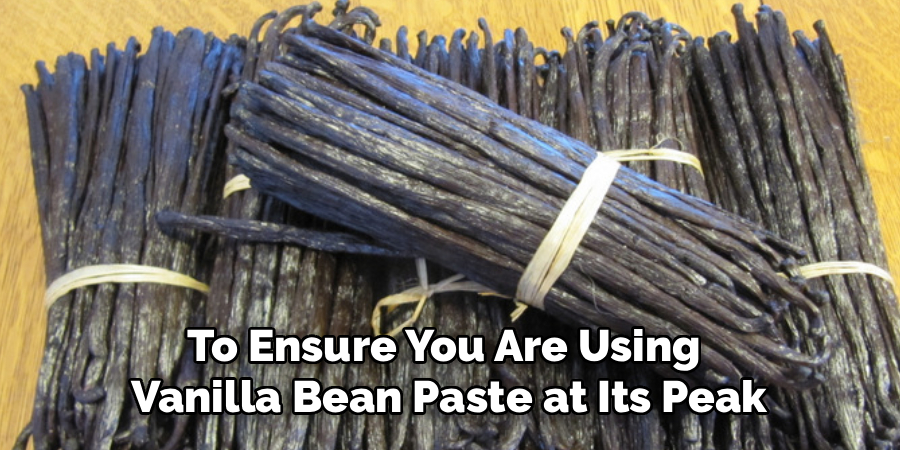
To ensure you are using vanilla bean paste at its peak, label the jar with the date it was first opened. Although vanilla paste generally has a long shelf life—often up to one or two years—the flavor can diminish over time. By tracking the date, you can monitor changes in consistency, aroma, or potency and know when it’s time to replace it.
Using a small label or piece of masking tape with the date written in permanent marker is an easy way to manage pantry freshness for all your baking ingredients, including vanilla bean paste.
5. Keep Away from Heat Sources to Prevent Separation
Vanilla bean paste contains natural oils, sugars, and sometimes alcohol or glycerin, depending on the brand. When exposed to fluctuating or high temperatures, the paste can separate or become overly runny.
Always keep it far from heat-producing appliances like dishwashers, microwaves, and stovetops. Even warm pantry shelves near the ceiling can lead to quality degradation over time. A consistently cool spot helps the paste retain its intended texture and ensures that the vanilla specks remain evenly suspended throughout the mixture.
6. Store Upright to Prevent Leakage and Waste
While it may seem trivial, the orientation of your vanilla bean paste jar matters. Always store it in an upright position. This prevents any potential leaks, especially if the container is not tightly sealed. Upright storage also ensures that the paste remains settled at the bottom, making it easier to scoop or pour evenly. Tipped or horizontal storage can cause messes, reduce usable quantity, and make the jar sticky—leading to waste and frustration when baking.
7. Keep the Lid Clean to Avoid Crusting
Vanilla bean paste can sometimes leave sticky residue on the rim of the container, which if left uncleaned, can dry out and form crust. This crust not only becomes difficult to remove but may also interfere with the seal of the jar, allowing air to enter. Each time you use the paste, wipe the rim and lid with a clean, dry cloth before closing. Keeping the jar clean not only maintains the product’s hygiene but also ensures the longevity and purity of the contents inside.
8. Avoid Cross-Contamination with Clean Utensils
Every time you dip into the vanilla bean paste, use a clean, dry spoon or spatula. Introducing moisture or other food particles into the jar can accelerate spoilage, alter the consistency, or cause mold to develop. It’s especially important not to dip utensils that have been used in eggs, dairy, or flour directly into the jar. Practicing safe, hygienic handling will ensure that your vanilla paste stays uncontaminated and suitable for all your culinary creations.
9. Transfer Bulk Paste into Smaller Jars for Frequent Use
If you purchase vanilla bean paste in large quantities, it is wise to decant a smaller portion into a more manageable container for everyday use. This limits the exposure of the main batch to air and temperature changes, which can occur each time the jar is opened. Store the main container sealed and untouched in a cool pantry, while the smaller jar becomes your primary working batch. This approach not only protects the bulk supply but also keeps your workspace more organized and efficient.
10. Check for Signs of Spoilage Before Each Use
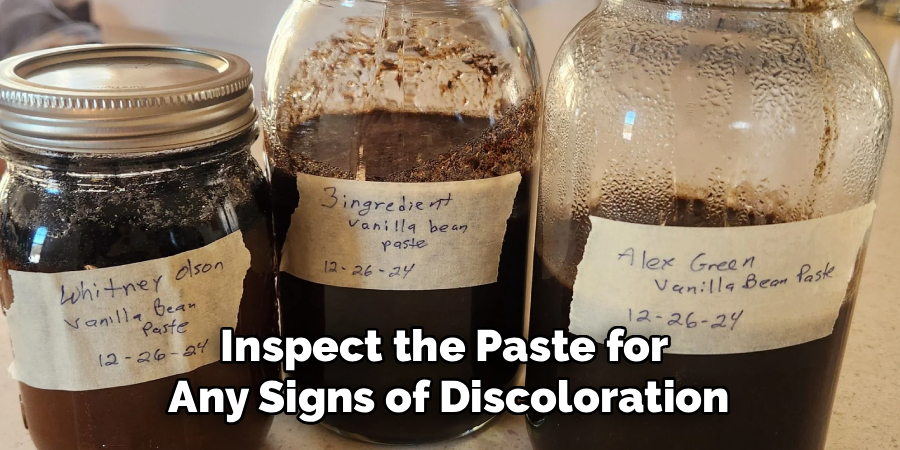
Though rare, vanilla bean paste can spoil, especially if improperly stored. Before each use, inspect the paste for any signs of discoloration, mold, unusual texture, or off-putting odor. The paste should remain dark brown, glossy, and fragrant with intense vanilla notes. If it becomes cloudy, runny, overly dry, or emits a sour or fermented smell, it may be time to discard it. Using spoiled vanilla paste can ruin the taste of baked goods and may present health risks. Always err on the side of caution and prioritize freshness and cleanliness.
Maintenance and Upkeep
Proper maintenance and storage of vanilla paste are key to preserving its quality and extending its shelf life. Always store vanilla paste in a cool, dark location, such as a pantry or cupboard, away from direct sunlight and heat sources. Ensure the lid is tightly sealed after each use to prevent air and moisture from contaminating the product.
Avoid using wet or dirty utensils to scoop out the paste, as this can introduce bacteria or moisture, leading to spoilage. Regularly check the expiration date and avoid transferring the paste to different containers, as this may affect its integrity. By following these simple upkeep practices, you can ensure your vanilla paste remains flavorful and safe to use for the longest time possible.
Conclusion
Storing vanilla bean paste correctly ensures that its exquisite flavor and aromatic profile are preserved for as long as possible. From avoiding heat and light exposure to maintaining clean utensils and containers, each method above plays a crucial role in extending the shelf life and quality of this prized ingredient. Thanks for reading our blog post on how to store vanilla bean paste! We hope you found it helpful and informative.

About
Diane Lo is a distinguished figure in the world of kitchen innovation and culinary design, with over a decade of expertise creating functional and sustainable kitchen environments. Her professional focus lies in merging ergonomic spatial planning with modern culinary technology, fostering kitchen layouts that are both highly practical and aesthetically refined. As the lead expert at Kitchenub, Diane Lo delves into the art and science of kitchen organization, appliance selection, and workflow efficiency, inspiring home cooks and professional designers alike.
Education
Royal Melbourne Institute of Technology (RMIT University) (Melbourne, Australia) Associate Degree in Interior Design and Spatial Planning Focus on sustainable kitchen layouts, user-centric design, and ergonomic efficiency. Gained hands-on experience in high-traffic commercial kitchen modeling and advanced space-saving architecture.
Nottingham Trent University (United Kingdom) Bachelor’s in Product Design and Culinary Architecture (Honors) Specialized in the intersection of kitchen technology and lifestyle design. Participated in major industry collaborations, working with premium appliance manufacturers and cabinetry firms to gain real-world insights into modern kitchen workflows.
Publications and Impact
At Kitchenub, Diane Lo shares her expert insights on kitchen renovation processes, material durability, and strategies for achieving peak culinary productivity. Her writing effectively bridges the gap between professional culinary needs and home design, making it an essential resource for those looking to transform their kitchen into a highly efficient and welcoming heart of the home.