

Puffball mushrooms are a fascinating and unique type of fungi that are prized for their culinary versatility and delicate flavor. Proper storage is crucial to maintain their freshness and ensure they remain safe to eat. Whether you’ve foraged them yourself or purchased them from a market, knowing how to store puffball mushrooms correctly can help you enjoy them in a variety of dishes for days to come. Let’s explore the best methods for preserving these remarkable mushrooms.
What Are Puffball Mushrooms?
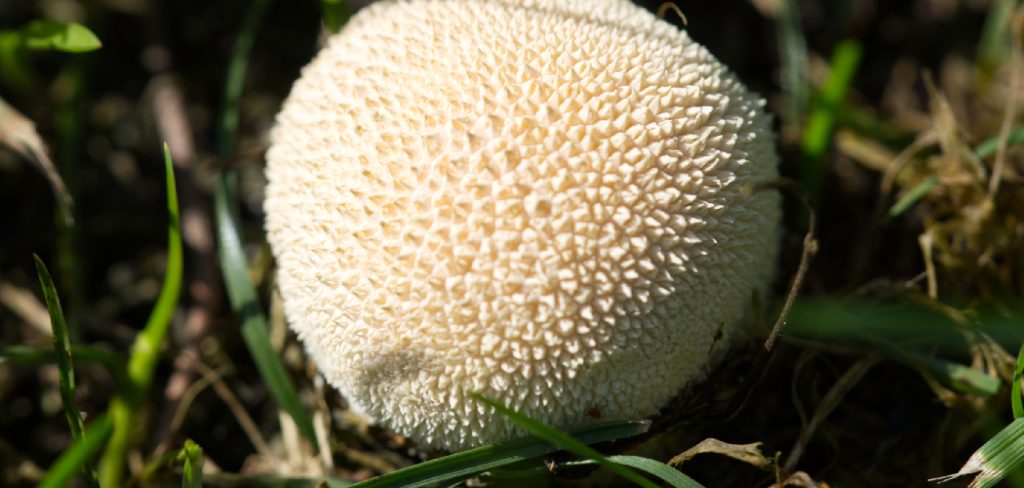
Puffball mushrooms are a group of edible fungi that belong to various genera, including Calvatia, Lycoperdon, and Bovista. They are easily recognized by their distinct appearance—round or pear-shaped, with a smooth, white exterior when young. Unlike many other mushrooms, puffballs do not have visible gills or stems, and their interiors are solid and uniform when they are fresh.
These mushrooms can vary greatly in size, ranging from small, golf ball-sized varieties to giant puffballs that can grow as large as a basketball. Highly regarded for their mild and earthy flavor, puffballs are a favorite among foragers and chefs alike. However, it is essential to correctly identify puffball mushrooms in the wild to avoid confusion with toxic species, as some poisonous varieties can resemble puffballs during certain stages of their growth. Always cut open the mushroom to ensure the interior is white and features no developing cap or gills before consuming.
Why Proper Storage Is Important
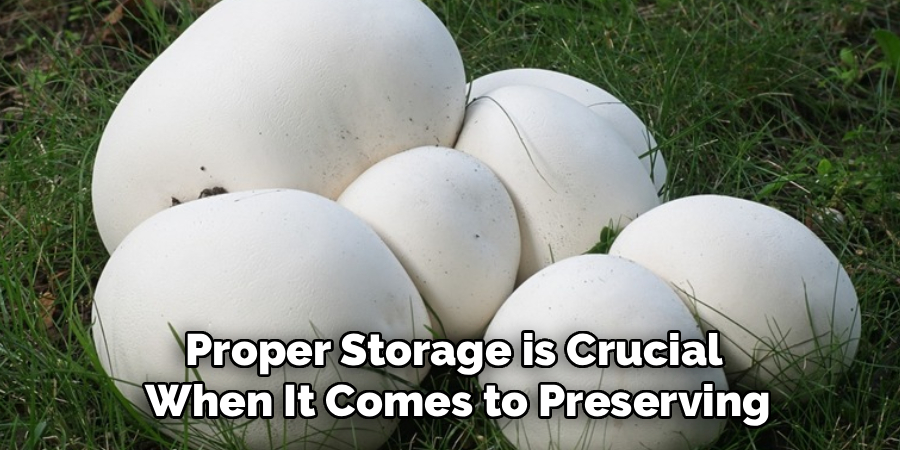
Proper storage is crucial when it comes to preserving the quality and safety of puffball mushrooms. Once harvested, these delicate fungi can spoil quickly if not stored correctly, leading to a loss of flavor, texture, and nutritional value. To extend their shelf life, puffballs should be kept in a cool, dry place, ideally in a paper bag to prevent moisture buildup. Improper storage can encourage the growth of bacteria or mold, rendering the mushrooms unsafe to eat. By following proper storage practices, you can ensure that these versatile mushrooms remain fresh and ready for culinary use.
10 Methods How to Store Puffball Mushroom
1. Select Only Fresh and Firm Puffball Mushrooms for Storage
The first crucial step in successful puffball mushroom storage is to start with high-quality specimens. When selecting or harvesting puffballs, ensure they are firm to the touch and have a uniform white or creamy interior without any discoloration. The surface should be intact and smooth, free of bruises, soft spots, or signs of decay. Avoid mushrooms that show any yellowing, browning, or graying inside, as these are indicators that the puffball has started to mature and produce spores, making them unsuitable for eating. Fresh puffballs provide the best foundation for prolonged storage and preserve the signature mild, earthy flavor and tender texture characteristic of these mushrooms.
2. Clean Puffballs with Gentle Care to Avoid Water Absorption
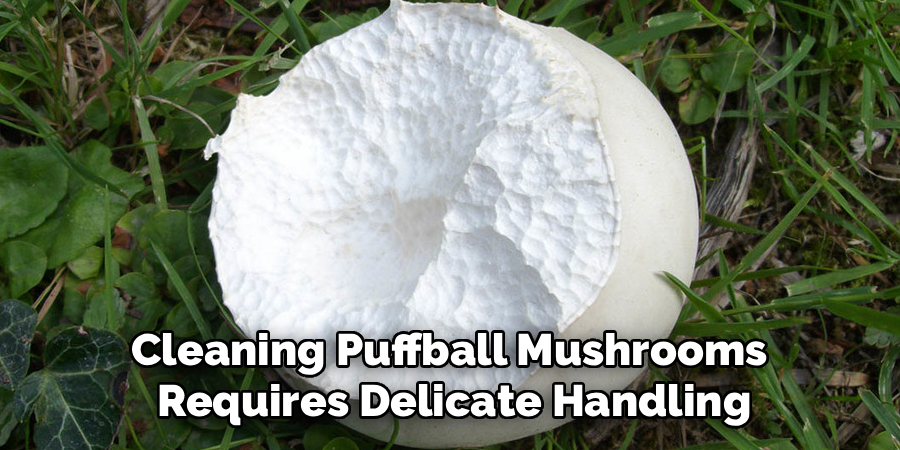
Cleaning puffball mushrooms requires delicate handling to prevent moisture absorption, which can speed up spoilage. Unlike some mushrooms, puffballs are very porous and will soak up water easily if washed under running water. Instead, gently brush off any dirt and debris with a soft mushroom brush or a dry cloth. If necessary, lightly wipe the surface with a barely dampened cloth or paper towel but avoid soaking them at all costs. After cleaning, pat the mushrooms dry immediately to remove any residual moisture. Proper cleaning ensures that puffballs remain dry, which is critical because excess moisture promotes bacterial growth and leads to a mushy texture during storage.
3. Store Puffballs in Paper Bags for Optimal Airflow and Moisture Control
One of the most widely recommended and effective ways to store puffball mushrooms is in paper bags rather than plastic. Paper bags allow the mushrooms to breathe, which helps to prevent moisture buildup and the subsequent growth of mold or bacteria. Place the cleaned, dry puffballs loosely in a paper bag, folding the top to close it without sealing it tightly, then store the bag in the vegetable crisper drawer of your refrigerator. This storage location provides a consistent cool temperature with moderate humidity, which helps prolong the shelf life of puffballs, typically up to five days. Paper bags strike a good balance by protecting the mushrooms from drying out while avoiding a damp environment.
4. Use Breathable Containers Lined with Paper Towels to Absorb Excess Moisture
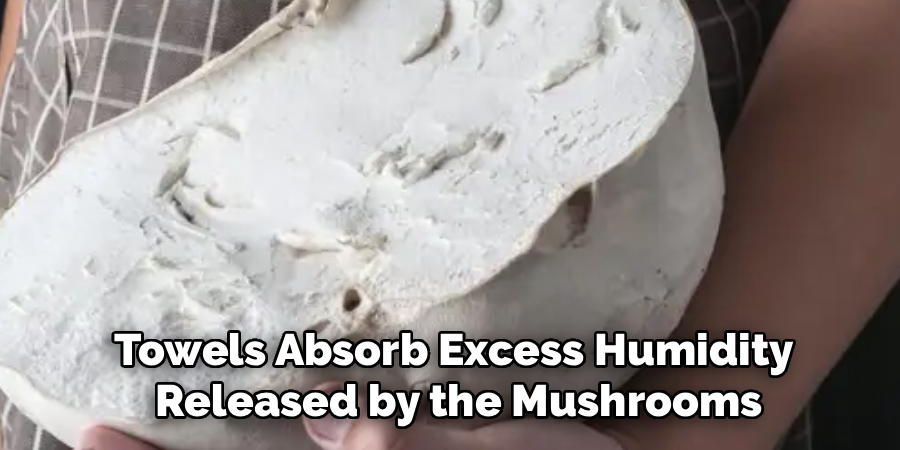
If paper bags are not available or you prefer containers, opt for ventilated plastic containers or shallow boxes lined with absorbent paper towels. The towels absorb excess humidity released by the mushrooms and prevent condensation inside the container. It is important that the container is not airtight because trapped moisture accelerates spoilage. Containers with small vents or even loosely covered containers allow air circulation, which helps keep puffballs fresh. Check and replace the paper towels regularly, especially if they become damp, to maintain a dry environment and inhibit mold growth.
5. Keep Puffballs Separate from Strong Odor-Producing Foods
Puffball mushrooms have a subtle, delicate flavor that can be easily influenced by other strong odors stored nearby. To preserve their natural taste and aroma, it is advisable to store puffballs away from pungent foods such as onions, garlic, or strong cheeses. These odors can permeate the porous mushroom tissue, resulting in off-flavors that diminish the culinary experience. Using a dedicated container or placing puffballs on a separate shelf or drawer in the refrigerator helps protect them from absorbing unwanted smells.
6. Freeze Puffball Mushrooms for Extended Storage, Keeping in Mind Texture Changes
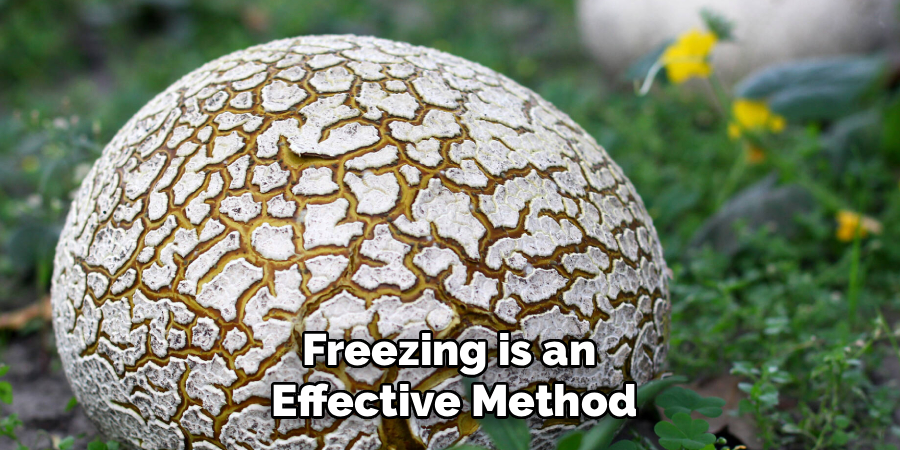
For longer storage periods beyond a few days, freezing is an effective method, though it alters the texture of puffball mushrooms. To freeze, start by thoroughly cleaning and slicing the puffballs into your desired size. Next, blanch the pieces briefly—about one to two minutes—in boiling water to halt enzyme activity and help retain color and flavor. Immediately transfer them to an ice bath to stop the cooking process. After blanching, drain well and pat dry to remove as much moisture as possible before placing the puffball pieces in freezer-safe bags or airtight containers. Frozen puffballs are best used in cooked dishes like soups, stews, or casseroles, as the freezing process causes them to become softer than fresh mushrooms.
7. Dry Puffball Mushrooms for Long-Term Preservation and Intensified Flavor
Drying is a traditional and excellent preservation technique for puffball mushrooms, which concentrates their flavor and allows them to be stored for months without refrigeration. To dry, slice the puffballs thinly and arrange the pieces on a dehydrator tray or a baking sheet if using an oven. Set your dehydrator or oven to a low temperature—around 110°F (45°C)—and dry the mushrooms until they become crisp and brittle. Properly dried puffballs should snap easily when bent. Store the dried mushrooms in airtight, opaque containers away from light, heat, and moisture to maintain quality. When ready to use, rehydrate them in warm water, which softens the mushrooms for cooking.
8. Avoid Washing Puffballs Until Immediately Before Cooking
To maximize storage life, avoid washing puffball mushrooms until you are ready to cook them. Washing introduces moisture that can hasten spoilage during storage. Instead, perform a gentle dry cleaning before storage and save any thorough rinsing or washing for right before use. This strategy helps maintain the mushroom’s firm texture and prevents the development of mushiness or microbial growth that can occur when stored wet.
9. Monitor Stored Puffballs Frequently and Remove Any Spoiled Specimens
Puffball mushrooms are highly perishable, so regular inspection during storage is crucial. Examine the mushrooms daily for signs of softness, discoloration, sliminess, or off-putting odors—clear indicators that spoilage has begun. Promptly remove any mushrooms showing such signs to prevent mold or bacteria from spreading to the rest. This ongoing vigilance protects your stored mushrooms and maintains overall freshness. Additionally, maintaining a clean, dry storage environment reduces the risk of rapid spoilage.
10. Use Puffball Mushrooms Within a Few Days of Harvest or Purchase for Best Flavor
Despite all storage methods, puffball mushrooms are best enjoyed as fresh as possible. Their mild flavor and unique texture are at their peak soon after harvesting or buying. Plan your meals to incorporate puffballs within two to five days of storage, especially if kept refrigerated. When longer storage is necessary, use freezing or drying techniques to extend usability, but understand that fresh puffballs offer the best culinary experience. Quick use also reduces waste and ensures food safety.
Common Mistakes to Avoid
When handling puffball mushrooms, there are a few common mistakes to steer clear of to ensure the best results. First, avoid storing puffballs in sealed containers or plastic bags for extended periods, as this can trap moisture and encourage spoilage. Always opt for breathable storage methods like paper bags to maintain freshness. Second, do not wash the mushrooms until you are ready to use them, as excess moisture can degrade their texture and quality. Additionally, be cautious when identifying puffball mushrooms in the wild—some toxic look-alikes exist, so always verify their identity before consumption. Finally, overcooking puffballs can lead to a rubbery texture; they are best prepared with simple methods that preserve their delicate flavor and softness.
Conclusion
Storing puffball mushrooms correctly requires attention to detail, from choosing fresh specimens and gentle cleaning to using breathable storage methods and monitoring regularly for spoilage. Whether you opt for refrigeration in paper bags, breathable containers with moisture-absorbing liners, freezing, or drying, each method focuses on balancing moisture, airflow, and temperature to preserve the mushrooms’ delicate qualities. Thanks for reading our blog post on how to store puffball mushroom! We hope you found it helpful and informative.

About
Diane Lo is a distinguished figure in the world of kitchen innovation and culinary design, with over a decade of expertise creating functional and sustainable kitchen environments. Her professional focus lies in merging ergonomic spatial planning with modern culinary technology, fostering kitchen layouts that are both highly practical and aesthetically refined. As the lead expert at Kitchenub, Diane Lo delves into the art and science of kitchen organization, appliance selection, and workflow efficiency, inspiring home cooks and professional designers alike.
Education
Royal Melbourne Institute of Technology (RMIT University) (Melbourne, Australia) Associate Degree in Interior Design and Spatial Planning Focus on sustainable kitchen layouts, user-centric design, and ergonomic efficiency. Gained hands-on experience in high-traffic commercial kitchen modeling and advanced space-saving architecture.
Nottingham Trent University (United Kingdom) Bachelor’s in Product Design and Culinary Architecture (Honors) Specialized in the intersection of kitchen technology and lifestyle design. Participated in major industry collaborations, working with premium appliance manufacturers and cabinetry firms to gain real-world insights into modern kitchen workflows.
Publications and Impact
At Kitchenub, Diane Lo shares her expert insights on kitchen renovation processes, material durability, and strategies for achieving peak culinary productivity. Her writing effectively bridges the gap between professional culinary needs and home design, making it an essential resource for those looking to transform their kitchen into a highly efficient and welcoming heart of the home.