

Miso is a traditional Japanese seasoning made by fermenting soybeans with salt and koji, often used to enhance the flavor of soups, marinades, and dressings. Proper storage is essential to maintain its freshness, flavor, and nutritional value, ensuring it remains a versatile ingredient in your kitchen. In this blog post, we’ll walk you through the steps on how to store miso so that you can get back to using it in no time! So grab your tools, and let’s get started!
What Is Miso?
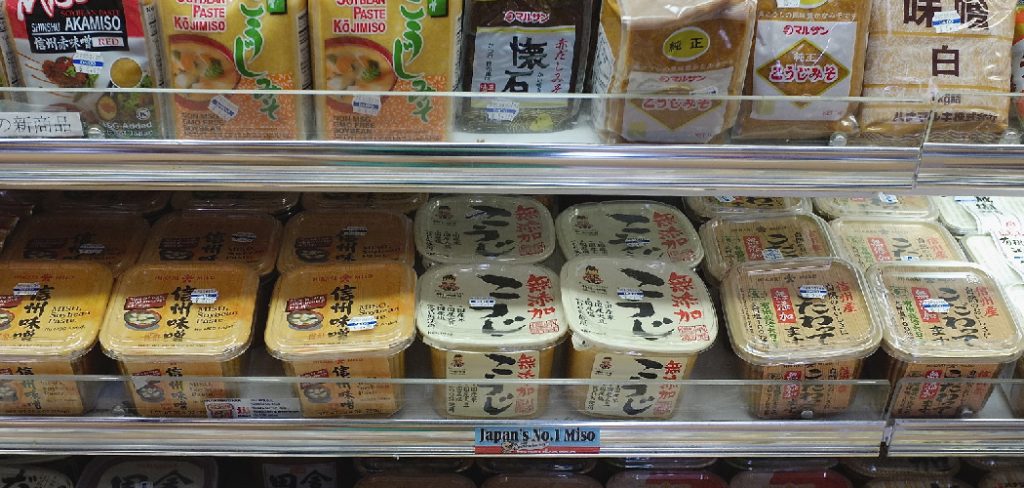
Miso is a fermented paste that has been a staple in Japanese cuisine for centuries. It is made primarily from soybeans, salt, and a mold culture called koji, which is often combined with rice or barley during the fermentation process. This process can take anywhere from a few months to several years, depending on the desired flavor profile. The result is a savory, umami-packed ingredient that ranges in flavor from mild and sweet to robust and salty. Miso is incredibly versatile, adding depth to dishes like soups, stews, marinades, and even desserts. Beyond its flavor, miso is also rich in probiotics, essential vitamins, and minerals, making it both a delicious and nutritious addition to your meals.
Types of Miso and Their Storage Needs
Miso comes in a variety of types, each defined by its ingredients, fermentation time, and flavor profile. The most common types include white miso (shiro miso), red miso (aka miso), and mixed miso (awase miso). White miso is made with a higher proportion of rice or barley to soybeans and is fermented for a shorter period, resulting in a light, mildly sweet flavor. Red miso, on the other hand, undergoes a longer fermentation process and incorporates more soybeans, giving it a deep, robust, and salty taste. Mixed miso combines elements of both white and red miso, offering a balanced flavor that is versatile in cooking.

Proper storage is key to maintaining miso’s quality and flavor. Miso should be kept in an airtight container and stored in the refrigerator to preserve its freshness and prevent spoilage. Its high salt content acts as a natural preservative, but refrigeration ensures it stays at its best. Light-colored miso, like white miso, is more delicate and benefits from cooler storage to maintain its gentle sweetness, while darker varieties, like red miso, are a bit more robust but should still be refrigerated for long-term use. By properly storing your miso, you can enjoy its unique flavors for months, if not years.
Does Miso Need to Be Refrigerated?
Yes, miso should generally be refrigerated after opening to maintain its quality and flavor. While miso’s high salt content helps preserve it, refrigeration slows down fermentation and prevents unwanted changes in texture or taste over time. Storing miso in the refrigerator also reduces the risk of spoilage or contamination from bacteria or mold. However, unopened miso can typically be stored in a cool, dark pantry until it’s ready to be used. Once opened, keeping it in an airtight container in the refrigerator is the best way to ensure it stays fresh and retains its distinctive taste.
10 Methods How to Store Miso
1. Store in an Airtight Container in the Refrigerator
The most traditional and effective method to store miso is by placing it in an airtight container and refrigerating it. Miso is a fermented soybean paste that continues to age slowly over time, and keeping it in a cool environment helps preserve its flavor while preventing the growth of unwanted mold or bacteria. Choose a glass or food-grade plastic container with a tight-fitting lid to minimize air exposure. Spoon the miso into the container, pressing it down to remove any air pockets, and then seal it. This method maintains the quality and richness of miso for several months and is particularly ideal for frequent home cooks who rely on miso as a staple in soups, marinades, and dressings.

2. Cover Surface with Plastic Wrap Before Sealing
Even when using an airtight container, placing a layer of plastic wrap directly on the surface of the miso adds an extra level of protection. This helps limit oxidation and prevents the formation of a dark crust on top due to air exposure. After flattening the miso into the container and removing air bubbles, gently lay a sheet of plastic wrap over the top, pressing it against the surface to create a seal. Then, close the lid of the container. This method is especially useful for those storing high-quality or white miso, which is more sensitive to color and flavor changes during prolonged storage.
3. Use a Vacuum-Sealed Bag for Long-Term Preservation
If you’re looking to store miso for an extended period without sacrificing quality, vacuum sealing is an excellent choice. Vacuum-sealed storage removes oxygen, which slows the aging and fermentation process even more than refrigeration alone. Place the miso into a vacuum-seal bag, flattening it evenly to reduce bulk. Once vacuum sealed, store the bag in the refrigerator or freezer. This method can extend miso’s shelf life to over a year while preserving its original flavor profile. It’s particularly helpful for bulk storage or when you have opened a large miso package and want to store the excess efficiently.

4. Store in the Freezer to Halt Fermentation
Although refrigeration slows down fermentation, freezing miso halts it almost entirely. This is a useful method if you don’t use miso often but want to keep it fresh for many months. Simply place the miso in a freezer-safe container or vacuum-sealed bag and store it in the freezer. Due to its high salt content, miso does not freeze solid, allowing you to scoop out small portions as needed without thawing the entire batch. Be aware that miso’s texture might slightly change after long-term freezing, but its taste and function remain largely intact, making this an ideal choice for infrequent use.
5. Keep in the Original Packaging If Unopened
If your miso paste is still in its original, unopened packaging, there’s no need to transfer it to a different container right away. Most commercial miso is vacuum-packed or sealed in sturdy containers that preserve freshness until opened. Store the sealed package in a cool, dark cabinet or the refrigerator. Make sure the packaging is free of damage and avoid exposing it to heat or direct sunlight, which could alter the miso’s flavor. Once opened, follow refrigeration practices to maintain its quality. This method is particularly effective for newly purchased miso that won’t be used immediately.

6. Use a Ceramic or Glass Jar for Natural Breathing
For a more traditional approach that respects the nature of fermented products, storing miso in a ceramic or glass jar allows for a degree of breathability while still protecting it from contaminants. Fermentation vessels made of glazed ceramic are ideal, especially for homemade miso. After transferring the paste into the jar, press it down to eliminate air pockets, then cover it with a clean piece of wax paper or parchment before sealing it with a lid. Refrigerate the jar to extend shelf life. This method aligns with old-world techniques and adds a rustic charm to your kitchen while preserving miso’s complex taste.
7. Store Miso in Small Portions for Convenience
If you frequently cook with miso but only in small amounts, dividing it into smaller portions can be helpful. Spoon the miso into ice cube trays or silicone molds, cover them with plastic wrap, and freeze. Once frozen, transfer the cubes into a resealable freezer bag for easy access. This technique makes it simple to grab a pre-measured amount for soups or sauces without thawing a large block. Not only does it help maintain freshness, but it also reduces waste and speeds up meal prep.
8. Label with Date and Type for Tracking
Miso can last a long time, but its flavor changes slowly over time, especially if it’s a lighter variety like shiro miso (white miso). To keep track of its age and usage, always label your miso storage containers or bags with the type of miso and the date it was opened or stored. This helps you rotate your stock efficiently and ensures you use older miso before newer batches. Clear labeling is also helpful if you have multiple types of miso—red, white, or mixed—so you can select the appropriate one for your recipe.
9. Avoid Contaminating with Dirty Utensils
Proper storage of miso isn’t just about the container—it also involves how you handle it. Always use clean, dry utensils when scooping miso from its container. Introducing moisture or food particles can promote the growth of mold or unwanted bacteria, shortening the lifespan of your miso and potentially altering its flavor. Designating a specific spoon for your miso jar can help maintain its integrity and avoid cross-contamination. This seemingly simple practice plays a critical role in preserving miso’s unique umami-rich profile.
10. Keep Away from Strong Odors in the Fridge
Miso is highly aromatic and can both absorb and transmit odors when stored improperly. To prevent miso from taking on the smells of nearby strong-smelling foods like onions, garlic, or fish, always keep it tightly sealed in a container or bag. Placing it in the back of the fridge or in a designated drawer can also help isolate it from more pungent ingredients. Maintaining this separation is essential not only for preserving the taste of your miso but also for keeping your refrigerator odor-neutral and your other foods unaffected.
Conclusion
Storing miso properly is essential for preserving its deep, savory character and nutritional value. Whether you’re working with a delicate white miso or a bold red miso, each of the methods above offers a practical, effective approach to ensure longevity and flavor retention. Thanks for reading our blog post on how to store miso! We hope you found it helpful and informative.

About
Diane Lo is a distinguished figure in the world of kitchen innovation and culinary design, with over a decade of expertise creating functional and sustainable kitchen environments. Her professional focus lies in merging ergonomic spatial planning with modern culinary technology, fostering kitchen layouts that are both highly practical and aesthetically refined. As the lead expert at Kitchenub, Diane Lo delves into the art and science of kitchen organization, appliance selection, and workflow efficiency, inspiring home cooks and professional designers alike.
Education
Royal Melbourne Institute of Technology (RMIT University) (Melbourne, Australia) Associate Degree in Interior Design and Spatial Planning Focus on sustainable kitchen layouts, user-centric design, and ergonomic efficiency. Gained hands-on experience in high-traffic commercial kitchen modeling and advanced space-saving architecture.
Nottingham Trent University (United Kingdom) Bachelor’s in Product Design and Culinary Architecture (Honors) Specialized in the intersection of kitchen technology and lifestyle design. Participated in major industry collaborations, working with premium appliance manufacturers and cabinetry firms to gain real-world insights into modern kitchen workflows.
Publications and Impact
At Kitchenub, Diane Lo shares her expert insights on kitchen renovation processes, material durability, and strategies for achieving peak culinary productivity. Her writing effectively bridges the gap between professional culinary needs and home design, making it an essential resource for those looking to transform their kitchen into a highly efficient and welcoming heart of the home.