

Storing milkshakes properly is essential to maintaining their creamy texture and delicious taste. Whether you’ve made a milkshake at home or have leftovers from a treat shop, understanding the best storage practices can help preserve its freshness and prevent unwanted changes in flavor or consistency.
In this blog post, we’ll walk you through the steps on how to store milkshake so that you can get back to using it in no time! So grab your tools, and let’s get started!
Can You Store a Milkshake?
Yes, you can store a milkshake, but it’s important to do so carefully to maintain its flavor and texture. Milkshakes are best consumed fresh, as they tend to lose their creamy consistency over time. However, if you have leftovers, transferring the milkshake into an airtight container and freezing it is the best method for storage.
Freezing helps preserve the taste and prevents it from separating. When you’re ready to enjoy it again, allow the milkshake to thaw slightly at room temperature or blend it to restore its smooth texture. Keep in mind that repeated freezing and thawing may affect the quality, so it’s best to consume it within 1-2 days for optimal results.
10 Methods How to Store Milkshake
1. Store in an Airtight Container in the Refrigerator for Short-Term Use
When planning to consume a milkshake within a few hours, storing it in the refrigerator is a safe and simple method. Transfer the milkshake to an airtight container—preferably glass or BPA-free plastic—to prevent exposure to air, which can cause it to develop an off-taste or form a skin on the surface.
Seal the container tightly and place it in the back of the refrigerator where the temperature is most stable. Although refrigeration slows bacterial growth, milkshakes begin to separate after a few hours, so it is best to consume the shake within 4 to 6 hours for optimal flavor and texture.
2. Stir or Re-blend Before Serving
Even with proper refrigeration, a stored milkshake will naturally begin to separate, with liquids settling at the bottom and ice cream rising to the top or thinning out. Before consuming a refrigerated milkshake, give it a vigorous stir or place it back into a blender for a quick blend.
This step helps reincorporate the ingredients, improving the shake’s texture and consistency. A few seconds of blending with a few ice cubes or a splash of milk can rejuvenate a separated shake and bring it closer to its original creaminess.
3. Freeze the Milkshake for Long-Term Storage
Freezing is the most effective method to preserve a milkshake for an extended period. Pour the milkshake into a freezer-safe container, leaving some space at the top to allow for expansion.
For individual portions, freezer-safe jars or silicone molds work well. Label the container with the date and flavor. Frozen milkshakes can last up to two months without significant flavor loss, although texture changes may occur. When you’re ready to enjoy it, let it thaw slightly at room temperature or blend it again to restore its smooth consistency.
4. Use Ice Cube Trays for Easy Portioning
If you plan to store leftover milkshake for use in smoothies or small treats, consider pouring the mixture into ice cube trays. Once frozen, you can transfer the cubes to a zip-top freezer bag or airtight container.
This method makes it convenient to use small portions at a time. The frozen cubes can be tossed into a blender with a splash of milk to create a quick shake or smoothie. It also prevents waste and makes portion control easier, especially if you want to enjoy just a little bit at a time.
5. Avoid Storing in Paper or Styrofoam Cups
While it might be tempting to keep your milkshake in the cup it came in—especially if it’s from a fast-food restaurant—paper or Styrofoam cups are not ideal for storage. These materials are porous and not airtight, allowing air and moisture to enter, which compromises the flavor and safety of the milkshake.
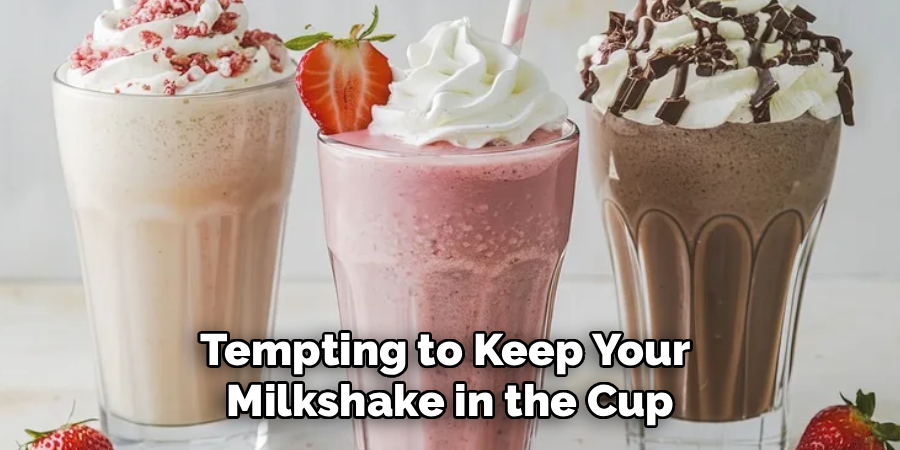
Additionally, they may not withstand temperature changes, especially in the freezer. Instead, transfer the shake to a durable, airtight container made of glass or food-safe plastic to ensure safe and effective storage.
6. Keep Away from Strong-Smelling Foods
Milkshakes can absorb odors from surrounding foods, especially when stored in the refrigerator. Strong-smelling items such as onions, garlic, or fish can impart unwanted flavors to your shake.
To prevent this, make sure your storage container is tightly sealed and store it in a separate part of the fridge or freezer if possible. Odor transfer is especially problematic with dairy-based items, so taking extra care to isolate your milkshake will help preserve its intended taste and aroma.
7. Add a Stabilizer for Better Texture Preservation
If you are preparing milkshakes in advance and want to store them for later use, consider adding a stabilizing ingredient such as xanthan gum or a small amount of gelatin. These ingredients help maintain the emulsion of the shake and reduce separation during storage.
Only a tiny amount is needed—a pinch of xanthan gum blended into the shake can keep it smoother for longer. While not essential, stabilizers can be especially useful when storing milkshakes in bulk or for special events where consistency matters.
8. Label with Date and Flavor for Organized Storage
Proper labeling is key to keeping your freezer or refrigerator organized and ensuring food safety. When storing milkshakes, especially if you’re freezing multiple flavors, use masking tape or a waterproof label to mark the container with the preparation date and flavor.
This will help you keep track of how long each shake has been stored and prevent you from forgetting which flavor is inside each container. Proper labeling also allows for better rotation and helps you prioritize using older batches first.
9. Avoid Frequent Temperature Changes
Consistently fluctuating temperatures can degrade a milkshake’s texture and promote spoilage. Avoid taking the milkshake in and out of the refrigerator or freezer multiple times. If you anticipate not finishing the shake in one sitting, portion it into smaller containers before storing.
This prevents unnecessary thawing and refreezing, which can cause ice crystals to form and negatively affect the shake’s creaminess. Maintaining a steady temperature preserves both the safety and quality of the stored shake.

10. Consume Within Recommended Timeframe for Best Quality
While milkshakes can technically be stored for days (in the refrigerator) or months (in the freezer), they are best consumed within a certain window to enjoy their ideal taste and texture. In the fridge, a milkshake should be consumed within 24 hours for the best quality. If frozen, aim to consume it within 1 to 2 months to avoid noticeable flavor or texture changes.
After this period, the shake may still be safe, but its quality will diminish. Always check for changes in smell, texture, or appearance before consuming a stored milkshake.
Safety Considerations
When storing and consuming milkshakes, it is crucial to prioritize safety to avoid potential health risks. Always ensure that the milkshake has been kept at the proper temperature—below 40°F (4°C) in the refrigerator or at 0°F (-18°C) in the freezer. Consuming milkshakes that have been left at room temperature for more than 2 hours is strongly discouraged, as harmful bacteria can grow rapidly under these conditions.
Additionally, always use clean, airtight containers to prevent contamination and absorption of odors from other foods. If there are any signs of spoilage, such as an off smell, discoloration, or changes in texture, discard the milkshake immediately to avoid foodborne illnesses. Following these guidelines will help ensure the milkshake remains both delicious and safe to enjoy.
Common Mistakes to Avoid
When handling and storing milkshakes, a few common mistakes can compromise their quality or safety. One frequent error is leaving a milkshake at room temperature for too long, which can encourage the growth of harmful bacteria. Another mistake is using containers that are not properly sealed, leading to contamination or flavor absorption from other foods in the refrigerator.
Additionally, many overlook the importance of thoroughly cleaning the blender and utensils used to prepare the milkshake — remnants of old ingredients can harbor bacteria and spoil the new batch. Lastly, freezing milkshakes without considering texture changes can result in a grainy, unappealing consistency when thawed. Avoiding these pitfalls will ensure a better milkshake experience every time.
Conclusion
Storing a milkshake may not be as straightforward as it seems, but with the proper techniques, you can preserve its delightful flavor and creamy consistency even after several hours or days. Whether you choose to refrigerate for short-term use, freeze for long-term preservation, or portion it creatively for convenience, following these ten methods ensures your milkshake remains enjoyable.
Always prioritize food safety by using airtight containers, maintaining consistent temperatures, and consuming your milkshake within safe timeframes. With thoughtful preparation and storage, even leftover milkshakes can deliver sweet, satisfying results. Thanks for reading our blog post on how to store milkshake! We hope you found it helpful and informative.

About
Diane Lo is a distinguished figure in the world of kitchen innovation and culinary design, with over a decade of expertise creating functional and sustainable kitchen environments. Her professional focus lies in merging ergonomic spatial planning with modern culinary technology, fostering kitchen layouts that are both highly practical and aesthetically refined. As the lead expert at Kitchenub, Diane Lo delves into the art and science of kitchen organization, appliance selection, and workflow efficiency, inspiring home cooks and professional designers alike.
Education
Royal Melbourne Institute of Technology (RMIT University) (Melbourne, Australia) Associate Degree in Interior Design and Spatial Planning Focus on sustainable kitchen layouts, user-centric design, and ergonomic efficiency. Gained hands-on experience in high-traffic commercial kitchen modeling and advanced space-saving architecture.
Nottingham Trent University (United Kingdom) Bachelor’s in Product Design and Culinary Architecture (Honors) Specialized in the intersection of kitchen technology and lifestyle design. Participated in major industry collaborations, working with premium appliance manufacturers and cabinetry firms to gain real-world insights into modern kitchen workflows.
Publications and Impact
At Kitchenub, Diane Lo shares her expert insights on kitchen renovation processes, material durability, and strategies for achieving peak culinary productivity. Her writing effectively bridges the gap between professional culinary needs and home design, making it an essential resource for those looking to transform their kitchen into a highly efficient and welcoming heart of the home.