

Kiwi berries are a delicious and nutrient-packed fruit that require proper storage to maintain their freshness and flavor. Unlike traditional kiwis, these bite-sized fruits have a smooth, edible skin and are typically smaller in size. Storing them correctly can help extend their shelf life and ensure you enjoy their sweet, tangy taste whenever you like. Thanks for reading our blog post on how to store kiwi berries! We hope you found it helpful and informative.
What Are Kiwi Berries?
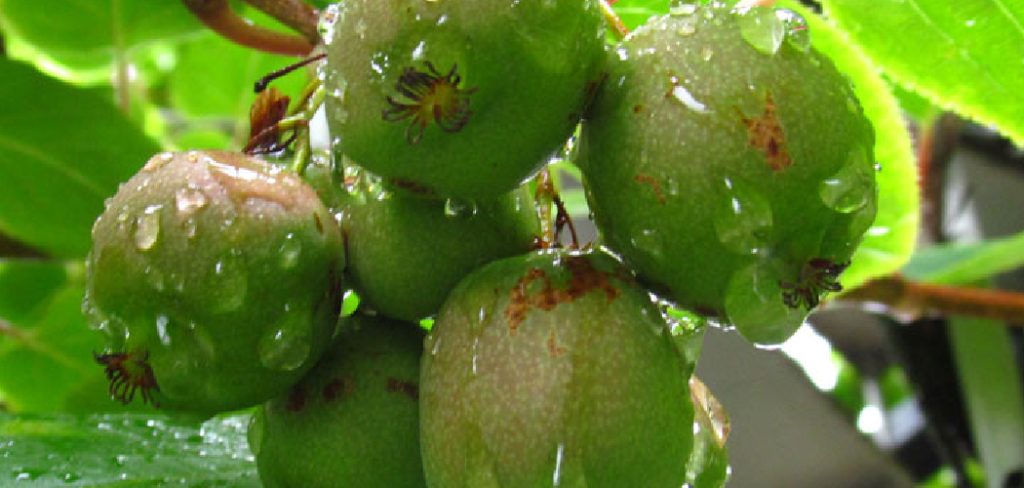
Kiwi berries, also known as Actinidia arguta, are a small, grape-sized fruit that taste similar to traditional kiwifruit. They originated in parts of Asia and Siberia and thrive in temperate climates. Unlike their larger counterpart, kiwi berries have a smooth, thin skin that is entirely edible, making them a convenient and mess-free snack. These berries are packed with vitamins, particularly vitamin C, as well as antioxidants, fiber, and other essential nutrients. Their sweet yet tangy flavor makes them a versatile ingredient for salads, desserts, smoothies, or simply enjoying fresh. Kiwi berries are a unique and nutritious addition to any diet.
How to Tell if Kiwi Berries Are Ripe
Determining the ripeness of kiwi berries is simple with a few key indicators. Ripe kiwi berries will feel slightly soft to the touch, similar to a ripe grape, without being mushy. Their skin should appear vibrant and free of any significant blemishes or bruises. Additionally, ripe kiwi berries often emit a faint, fruity aroma. If they are firm, allow them to ripen at room temperature for a few days. Once they reach the desired softness, they can be stored in the refrigerator to maintain their freshness.
10 Methods How to Store Kiwi Berries
1. Handle Kiwi Berries Gently to Prevent Bruising
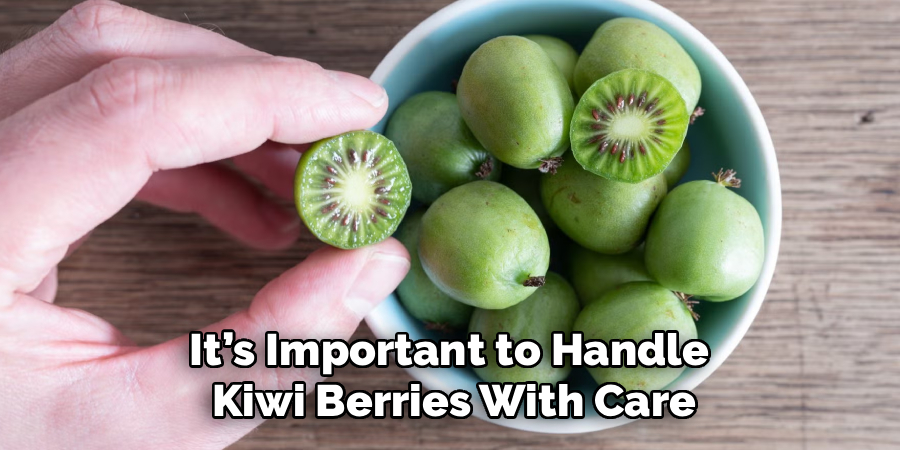
Before considering storage methods, it’s important to handle kiwi berries with care. These berries have thin, delicate skin that can bruise or rupture easily, leading to quicker spoilage. When harvesting or purchasing, avoid stacking or squeezing them tightly. Use shallow containers for transport and storage to minimize pressure on the berries. Gentle handling lays the foundation for successful storage by reducing damage that could cause premature rot or mold growth.
2. Store Kiwi Berries in the Refrigerator Immediately
The best way to slow down ripening and spoilage of kiwi berries is to refrigerate them as soon as possible after harvesting or purchase. The cool temperature of a refrigerator—ideally between 32°F to 40°F (0°C to 4°C)—significantly slows down enzymatic activity and microbial growth that cause decay. Place the berries in a shallow container or a breathable produce container to avoid crushing. Storing kiwi berries in the fridge can keep them fresh for up to two weeks under ideal conditions.
3. Use a Ventilated Container to Promote Air Circulation
Proper airflow around kiwi berries is essential to prevent moisture buildup, which can accelerate mold and spoilage. Use a container with ventilation holes or a produce storage container designed for airflow. If you don’t have a ventilated container, loosely cover the berries with a breathable material such as a paper towel or cheesecloth instead of sealing them in airtight plastic bags. This arrangement reduces humidity around the berries and helps maintain their firmness.
4. Avoid Washing Kiwi Berries Before Storage
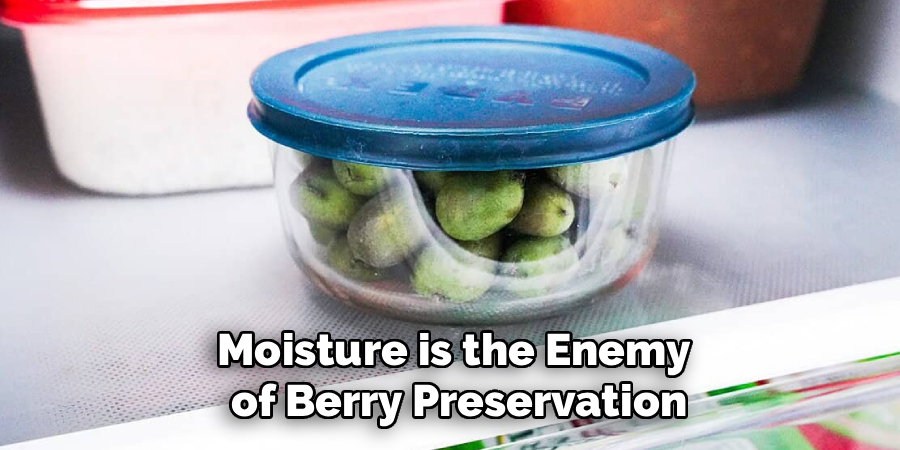
Moisture is the enemy of berry preservation. Washing kiwi berries before storing adds unwanted moisture, increasing the risk of mold and decay. Instead, only wash the berries right before you plan to eat them. If some dirt or residue is present, gently brush it off with a dry, soft cloth or paper towel. Keeping the berries dry during storage dramatically extends their shelf life.
5. Freeze Kiwi Berries for Long-Term Storage
If you want to store kiwi berries beyond a couple of weeks, freezing is an excellent option. To freeze, first wash and dry the berries thoroughly, then spread them in a single layer on a parchment-lined baking sheet. Freeze the berries this way for a few hours until solid—this process is called flash freezing and prevents the berries from sticking together. Once frozen, transfer the berries to an airtight freezer-safe bag or container. Frozen kiwi berries can last up to a year and are great for smoothies, desserts, or thawing for fresh eating.
6. Store Kiwi Berries at Room Temperature Only If They Are Unripe
If your kiwi berries are not fully ripe, you can store them at room temperature (around 65°F to 75°F or 18°C to 24°C) to encourage ripening. Keep them in a single layer in a shallow bowl or container away from direct sunlight or heat sources. To speed up ripening, place the kiwi berries near ethylene-producing fruits such as apples or bananas, which release natural gases that promote fruit softening. However, once ripe, move the berries to refrigeration to prevent overripening and spoilage.

7. Use Paper Towels to Absorb Excess Moisture
When storing kiwi berries in the refrigerator, placing a dry paper towel at the bottom of the container helps absorb excess moisture that may accumulate from condensation or natural berry respiration. Replace the paper towel every couple of days to keep the environment dry and prevent mold. This simple addition can significantly extend the freshness of kiwi berries by controlling humidity levels.
8. Store Kiwi Berries Away from Strong-Smelling Foods
Kiwi berries can absorb odors from nearby foods due to their thin skin. To preserve their natural flavor, store them away from pungent foods like onions, garlic, or strong cheeses. Use a dedicated container or a separate shelf in the refrigerator to isolate the berries. Keeping kiwi berries odor-free maintains their sweet, tangy taste and enhances your eating experience.
9. Monitor Kiwi Berries Daily and Remove Any Spoiled Ones
Regular inspection of your stored kiwi berries is crucial for maintaining overall freshness. Check the berries daily for any signs of softness, discoloration, or mold. Removing spoiled or damaged berries promptly prevents the spread of decay to surrounding fruits. This practice is especially important when storing berries in bulk or in humid conditions, where mold can develop quickly.
10. Use Kiwi Berries Quickly Once Ripe
Kiwi berries are best enjoyed soon after they reach full ripeness. Once ripe, their shelf life decreases, even in refrigeration. Plan to consume ripe berries within a few days to enjoy optimal flavor and texture. Consider incorporating them into recipes like fruit salads, desserts, or smoothies immediately after storage. Prompt usage reduces waste and ensures you savor the fruit at its peak.

Maintenance and Upkeep
Proper maintenance of kiwi berries ensures their longevity and quality. Store unripe berries at room temperature until they soften slightly, signaling ripeness. To preserve their freshness, keep ripe kiwi berries in the refrigerator and avoid stacking them, as their delicate skin can bruise easily. Regularly check for any signs of spoilage, such as mold or an off smell, and remove affected berries immediately to prevent contamination. If you have a larger quantity of ripe kiwi berries, consider freezing them for longer storage; simply wash, dry, and place them in an airtight container or freezer bag. Consistent attention to storage conditions helps in maintaining the berries’ taste and nutritional value.
Troubleshooting Common Issues
If you encounter issues with your kiwi berries, there are a few common problems to watch for and ways to address them. If the berries appear overly soft or mushy, they may be overripe; these can still be used in smoothies or desserts to reduce waste. For berries with signs of mold, it’s crucial to dispose of them promptly and check nearby fruits for contamination. If kiwi berries have an unusual sour taste, it could indicate improper ripening; ensure they are stored at room temperature until they soften slightly. Additionally, to avoid drying out, make sure berries are stored in an appropriate container with adequate humidity levels. Monitoring these factors can help you enjoy your kiwi berries at their best.
Safety Considerations
When handling kiwi berries, it is important to prioritize food safety to prevent health risks. Always wash the berries thoroughly under running water before consumption to remove dirt, pesticides, or other contaminants. Use clean utensils and cutting surfaces to avoid cross-contamination, especially if preparing kiwi berries alongside other ingredients. If the berries are stored for extended periods, check regularly for any signs of spoilage, such as mold, discoloration, or off-putting smells, and discard any compromised fruit immediately. Additionally, individuals with a known allergy to kiwis should exercise caution, as kiwi berries can trigger similar allergic reactions. By following these safety measures, you can enjoy kiwi berries in a safe and healthy manner.
Conclusion
Storing kiwi berries properly is vital to enjoying their fresh, vibrant flavor and nutritional benefits. These ten methods—from gentle handling and refrigeration to freezing and humidity control—offer comprehensive, practical advice for extending the shelf life of these delicate fruits. By understanding how to balance moisture, temperature, airflow, and ripening processes, you can keep kiwi berries fresh and delicious longer. Whether you eat them fresh, freeze them for later, or carefully monitor their condition daily, these storage techniques will help you make the most of every bite of this unique and tasty fruit. Thanks for reading our blog post on how to store kiwi berries! We hope you found it helpful and informative.

About
Diane Lo is a distinguished figure in the world of kitchen innovation and culinary design, with over a decade of expertise creating functional and sustainable kitchen environments. Her professional focus lies in merging ergonomic spatial planning with modern culinary technology, fostering kitchen layouts that are both highly practical and aesthetically refined. As the lead expert at Kitchenub, Diane Lo delves into the art and science of kitchen organization, appliance selection, and workflow efficiency, inspiring home cooks and professional designers alike.
Education
Royal Melbourne Institute of Technology (RMIT University) (Melbourne, Australia) Associate Degree in Interior Design and Spatial Planning Focus on sustainable kitchen layouts, user-centric design, and ergonomic efficiency. Gained hands-on experience in high-traffic commercial kitchen modeling and advanced space-saving architecture.
Nottingham Trent University (United Kingdom) Bachelor’s in Product Design and Culinary Architecture (Honors) Specialized in the intersection of kitchen technology and lifestyle design. Participated in major industry collaborations, working with premium appliance manufacturers and cabinetry firms to gain real-world insights into modern kitchen workflows.
Publications and Impact
At Kitchenub, Diane Lo shares her expert insights on kitchen renovation processes, material durability, and strategies for achieving peak culinary productivity. Her writing effectively bridges the gap between professional culinary needs and home design, making it an essential resource for those looking to transform their kitchen into a highly efficient and welcoming heart of the home.