

Fresh pesto is a versatile and flavorful sauce that adds a burst of freshness to any dish. Proper storage is essential to maintain its vibrant color, rich taste, and texture. Whether you’ve made a homemade batch or purchased it from the store, understanding how to store pesto correctly will help preserve its quality and extend its shelf life.
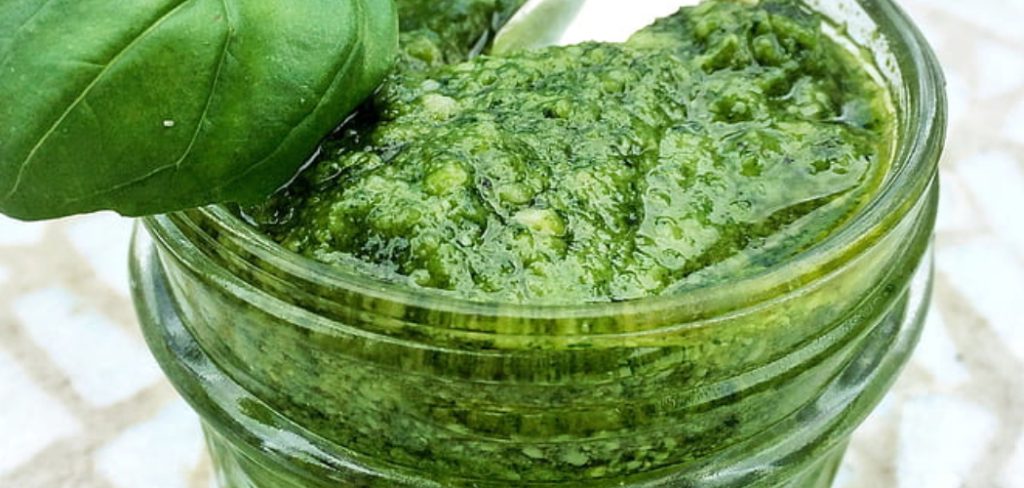
In this blog post, we’ll walk you through the steps on how to store fresh pesto so that you can get back to using it in no time! So grab your tools, and let’s get started!
How Long Does Fresh Pesto Last?
The shelf life of fresh pesto depends on how it’s stored. If kept in an airtight container in the refrigerator, homemade pesto typically lasts about 4 to 5 days. To extend its freshness, ensure there is a thin layer of olive oil on top, which acts as a barrier to reduce oxidation. Fresh pesto can also be frozen for longer storage.
When frozen in ice cube trays or small portions, it can maintain its flavor and quality for up to 3 months. Always check the pesto for any signs of spoilage, such as an off smell or mold, before using. Proper storage practices will help keep your pesto delicious and safe to consume.
Why Proper Storage Is Essential
Proper storage of pesto is crucial to preserve its flavor, texture, and nutritional qualities. Pesto is made with fresh ingredients like basil, garlic, cheese, and olive oil, which can spoil quickly if not stored under the right conditions. Without proper storage, the vibrant green color can oxidize, turning brown and unappetizing.
Additionally, improper storage can lead to bacterial growth, making the pesto unsafe to consume. By taking the right steps to store pesto, you can ensure it stays fresh, delicious, and ready to enhance your meals whenever you need it.
10 Methods How to Store Fresh Pesto
1. Store in an Airtight Glass Jar in the Refrigerator
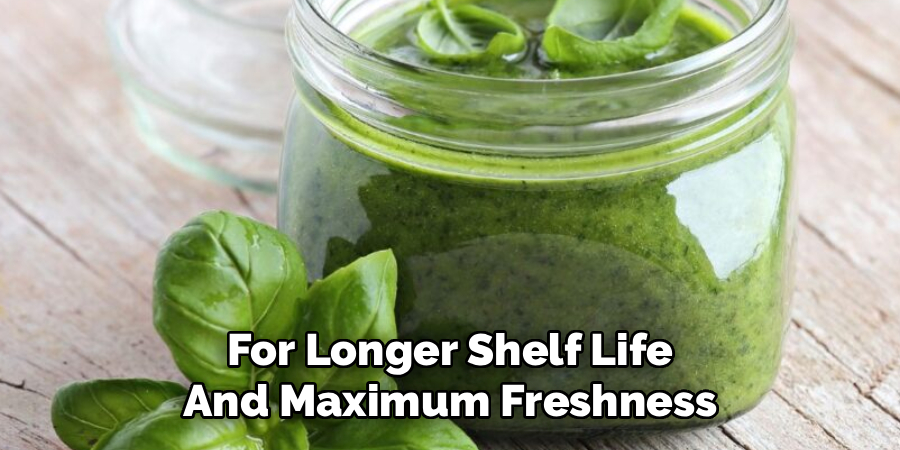
One of the most reliable methods to store fresh pesto is by placing it in an airtight glass jar and keeping it in the refrigerator. Glass containers are non-reactive, which helps in preserving the freshness and preventing any metallic taste that might occur with certain plastics.
Once the pesto is transferred into the jar, press it down with the back of a spoon to eliminate air pockets. Then, smooth out the surface and seal the lid tightly. This method keeps the pesto fresh for about 5 to 7 days, provided the jar remains sealed between uses.

2. Add a Thin Layer of Olive Oil on Top
To extend the life of your refrigerated pesto, consider pouring a thin layer of olive oil over the top before sealing the container. This oil acts as a barrier, shielding the pesto from oxygen exposure, which can cause oxidation and browning.
Use high-quality extra virgin olive oil for the best results. After each use, level the surface again and add more oil to maintain this protective seal. This technique not only preserves the pesto’s vibrant green color but also helps to prevent bacterial growth caused by air contact.
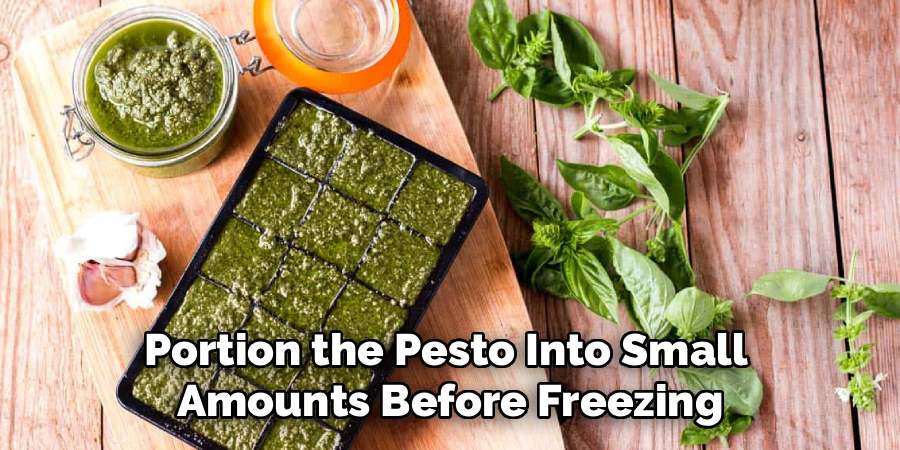
3. Use Ice Cube Trays for Freezing Individual Portions
If you’ve made a large batch of pesto, freezing it in ice cube trays is a practical way to store individual portions.
Spoon the pesto into each compartment of the tray, filling them about three-quarters full. Cover the tray with plastic wrap or foil and place it in the freezer until the pesto is solid. Once frozen, transfer the cubes into a labeled freezer-safe bag or airtight container. These cubes can be easily added to sauces, pasta, or soups directly from the freezer, offering convenience and minimizing waste.
4. Avoid Storing Near Strong Odors
When storing fresh pesto, be mindful of where it’s placed in your refrigerator or freezer. Pesto can absorb strong odors from nearby foods like onions, garlic, or fish. This can alter its delicate flavor profile. To avoid this, keep it in a tightly sealed container and store it away from pungent items. Ideally, place it in a vegetable or dairy drawer where temperature and humidity are more controlled and odors are minimal.
5. Vacuum Seal for Extended Freshness
For longer shelf life and maximum freshness, vacuum sealing is a highly effective storage method. By removing the air from the packaging, vacuum sealing reduces the chance of oxidation and spoilage. You can use vacuum-seal bags or specially designed containers to store your pesto in the fridge or freezer. This method is especially useful if you’re preserving a large batch of pesto and want to maintain its flavor and aroma for several months.
6. Avoid Heating Before Storage
It might seem tempting to heat or cook pesto before storage, especially if you’re planning to freeze it. However, applying heat can degrade the flavor and color of the fresh basil and cheese. Fresh pesto should always be stored raw to preserve its natural brightness and complex flavor profile. If you plan to cook with it later, you can add it to hot dishes just before serving, which helps to maintain its freshness.
7. Label with Date and Ingredients
Proper labeling is crucial when storing pesto, particularly in the freezer. Write down the date of preparation and the type of ingredients used—especially if you’ve made variations such as nut-free pesto or used different herbs like parsley or arugula.
Labeling helps you track freshness and avoid confusion when pulling containers from the freezer. Typically, frozen pesto should be consumed within three to six months for the best flavor, even though it might remain safe beyond that time.
8. Freeze in Flat, Thin Layers for Quick Thawing
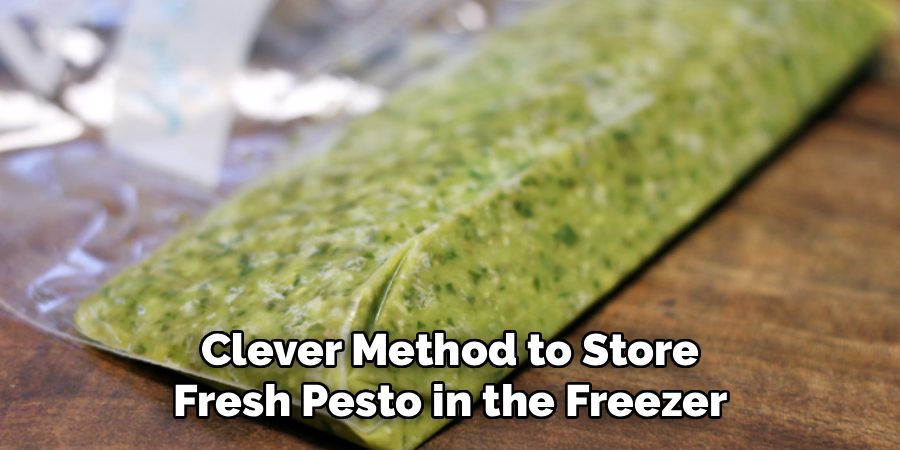
Another clever method to store fresh pesto in the freezer is to freeze it in flat, thin layers using freezer bags. Spoon the pesto into a zip-top freezer bag and spread it out evenly before sealing. Lay the bag flat on a baking sheet and freeze. Once frozen, you can stack these flat bags neatly in your freezer. This method not only saves space but also allows for quick thawing. You can even break off a portion if you don’t need the entire bag.
9. Store in Small Jars for Better Portion Control
Sometimes, using a large container for pesto leads to repeated opening and closing, which exposes the contents to air each time. Instead, store pesto in several small jars or containers. This way, you only open what you plan to use in one sitting, preserving the rest from unnecessary exposure. Portioning your pesto also allows you to freeze or refrigerate based on your weekly needs, reducing spoilage and maintaining better freshness.
10. Avoid Adding Cheese if Freezing
If you know in advance that you’ll be freezing the pesto, consider omitting the Parmesan cheese and adding it later after thawing. Dairy doesn’t always freeze well and can develop a grainy texture or lose its flavor when stored in the freezer. Freezing pesto without cheese results in a smoother consistency after thawing. Simply stir in freshly grated Parmesan after defrosting, and your pesto will taste as fresh and flavorful as the day it was made.
Things to Consider When Freezing Pesto
Freezing pesto requires a few key considerations to ensure its freshness and flavor are preserved. First, always use a high-quality, airtight container or freezer-safe bag to prevent freezer burn and maintain the pesto’s vibrant green color. Avoid overfilling the container, leaving some space for expansion during freezing.
Additionally, portion the pesto into small amounts before freezing—this makes it easier to thaw just what you need without defrosting the entire batch. Lastly, label the container with the date to keep track of storage time, as pesto is best used within three months for optimal taste and quality.
Safety Considerations
When freezing pesto, it’s important to follow basic food safety guidelines to ensure its quality and prevent spoilage. Make sure the pesto is cooled completely before transferring it to the freezer to avoid raising the freezer’s temperature and potentially affecting other stored items.
Always use clean, airtight containers or freezer bags to minimize the risk of contamination. Avoid leaving pesto at room temperature for extended periods to prevent bacterial growth, and once thawed, do not refreeze the pesto, as this can compromise its taste and safety. By adhering to these precautions, you can enjoy delicious and safe homemade pesto for months to come.
Conclusion
Storing fresh pesto correctly is essential to enjoying its delicious flavor and vibrant color over time. Whether you’re refrigerating it for a few days or freezing it for future use, following the right methods ensures that your pesto remains as fresh and flavorful as possible.
From using airtight containers and olive oil seals to vacuum sealing and ice cube trays, each method offers unique benefits depending on your storage needs. Thanks for reading our blog post on how to store fresh pesto! We hope you found it helpful and informative.

About
Diane Lo is a distinguished figure in the world of kitchen innovation and culinary design, with over a decade of expertise creating functional and sustainable kitchen environments. Her professional focus lies in merging ergonomic spatial planning with modern culinary technology, fostering kitchen layouts that are both highly practical and aesthetically refined. As the lead expert at Kitchenub, Diane Lo delves into the art and science of kitchen organization, appliance selection, and workflow efficiency, inspiring home cooks and professional designers alike.
Education
Royal Melbourne Institute of Technology (RMIT University) (Melbourne, Australia) Associate Degree in Interior Design and Spatial Planning Focus on sustainable kitchen layouts, user-centric design, and ergonomic efficiency. Gained hands-on experience in high-traffic commercial kitchen modeling and advanced space-saving architecture.
Nottingham Trent University (United Kingdom) Bachelor’s in Product Design and Culinary Architecture (Honors) Specialized in the intersection of kitchen technology and lifestyle design. Participated in major industry collaborations, working with premium appliance manufacturers and cabinetry firms to gain real-world insights into modern kitchen workflows.
Publications and Impact
At Kitchenub, Diane Lo shares her expert insights on kitchen renovation processes, material durability, and strategies for achieving peak culinary productivity. Her writing effectively bridges the gap between professional culinary needs and home design, making it an essential resource for those looking to transform their kitchen into a highly efficient and welcoming heart of the home.