

Bread is a staple food in many households, but improper storage can lead to mold growth, causing it to go to waste. Knowing how to store bread so it doesn’t mold correctly can extend its shelf life and ensure it stays fresh for longer. Whether you bake your own bread or buy it from the store, employing the right storage techniques can make a significant difference in maintaining its quality.
Why Bread Molds
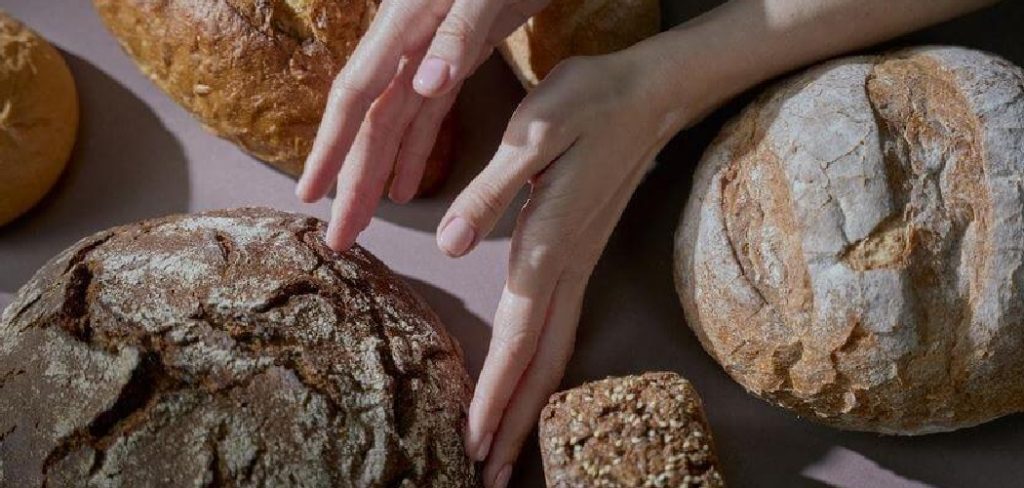
Mold is a type of fungus that thrives in warm, moist environments, which makes bread an ideal host under the right conditions. Bread contains nutrients such as carbohydrates and proteins that provide an excellent food source for mold spores. When these spores come into contact with the surface of the bread, they can begin to grow rapidly, especially if the bread is stored in a humid or poorly ventilated area. The presence of moisture accelerates this process, as does exposure to warm temperatures. Additionally, homemade bread or natural loaves without preservatives are more prone to molding quickly due to the absence of chemical agents that inhibit fungal growth. Understanding these factors is the first step in preventing spoilage.
Should You Store Bread in the Fridge?
Storing bread in the fridge can be a double-edged sword. On one hand, refrigeration slows down the growth of mold due to the cooler temperatures inhibiting fungal activity. However, the cold environment also accelerates the process of starch retrogradation, which causes bread to become stale more quickly. This means that while your bread might stay mold-free for a longer period, it can lose its texture and become dry and crumbly. For optimal freshness, it’s generally recommended to store bread at room temperature in a breathable bag or container and to consume it within a few days. If you need to extend its shelf life, freezing bread is a better alternative than refrigerating, as it preserves both freshness and quality.
10 Methods How to Store Bread so It Doesn’t Mold
1. Store Bread in a Cool, Dry Place Away from Sunlight
The most essential principle in preventing bread from molding is to store it in an environment that is cool, dry, and out of direct sunlight. Warm temperatures and moisture are the ideal conditions for mold growth. When bread is left on a kitchen counter near a stove, dishwasher, or window, it is likely exposed to heat and humidity that hasten spoilage. A shaded pantry shelf or a dedicated bread drawer is ideal for keeping bread fresher for longer. Make sure there’s enough air circulation in the area to prevent condensation from building up, as even a little trapped moisture can initiate mold within days.
2. Use a Bread Box Designed for Airflow
Traditional bread boxes are specifically designed to prolong the shelf life of bread by balancing ventilation and humidity. While plastic bags may trap too much moisture, and paper bags can let the bread dry out, a well-ventilated bread box creates an environment that prevents mold without compromising the bread’s texture. Modern bread boxes are often built with small vents or perforations that help excess moisture escape, reducing the conditions that promote mold. Choosing a wooden, ceramic, or metal bread box with a tight-fitting lid can strike the perfect balance between airflow and insulation.
3. Wrap Bread in Paper or Cloth Instead of Plastic
Although plastic bags are commonly used for storing bread, they often trap humidity, especially in warmer environments, which creates the perfect breeding ground for mold. Instead, opt for wrapping bread in a clean cotton or linen cloth or placing it inside a paper bag. These materials are breathable and absorb excess moisture without allowing the bread to dry out too quickly. Wrapping bread in cloth also allows the crust to remain crisp while preserving the inner softness, and it discourages mold by preventing condensation from accumulating.
4. Slice Bread Only When Ready to Eat
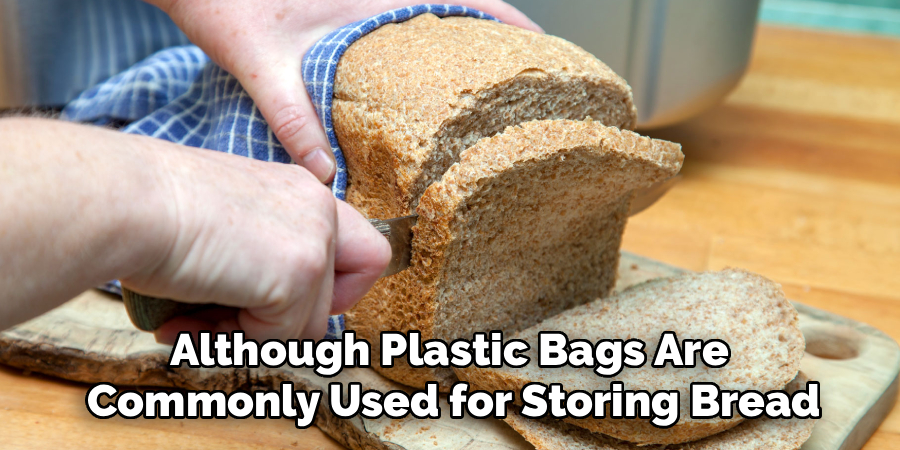
One often overlooked method for preventing mold is to avoid pre-slicing the entire loaf. When you slice bread, you expose the soft interior to air, which increases the surface area where mold spores can land and multiply. Instead, store the bread unsliced and cut only what you need when you’re ready to eat. This simple practice keeps the rest of the loaf protected from air and contaminants, maintaining its freshness and reducing the chance of mold growth.
5. Store Bread Upside Down on a Cutting Board Overnight
If you do not have a bread box or cloth wrap, an effective short-term method is to place the cut side of the bread facing down on a clean wooden cutting board. Doing so helps seal in moisture naturally while minimizing exposure to air. The crust of the bread acts as a natural barrier, and the cutting board’s porous surface helps absorb excess moisture. This method is best for crusty artisan breads, which tend to have thicker exteriors that resist drying out quickly.
6. Use the Freezer for Long-Term Storage
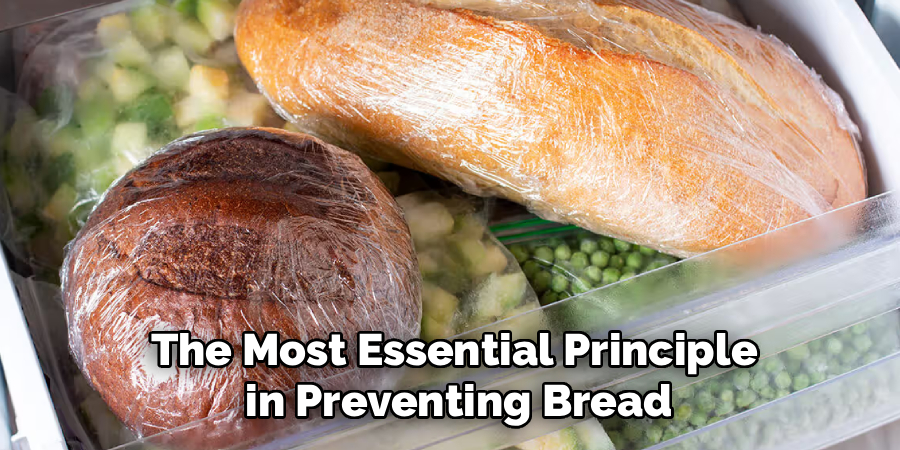
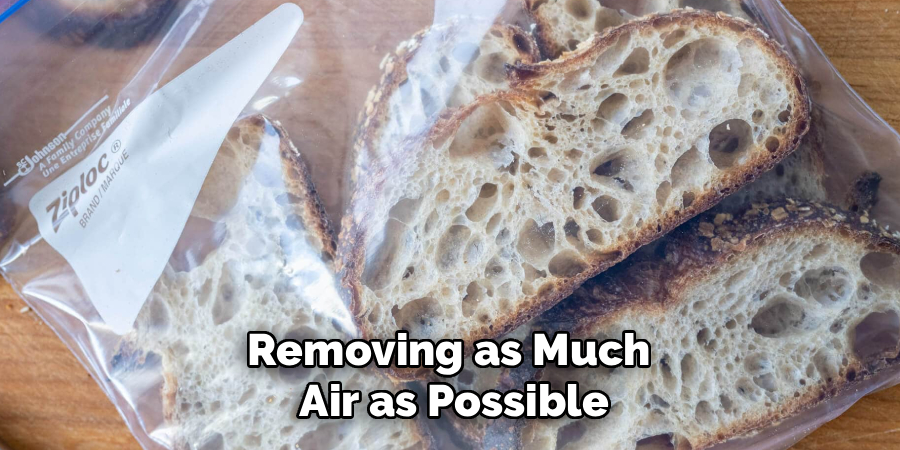
Freezing bread is one of the most effective methods to prevent mold, especially if you don’t plan to consume the loaf within a few days. Wrap the bread tightly in plastic wrap or foil and place it inside a freezer-safe bag, removing as much air as possible. Label it with the date and freeze. Slices can be separated with parchment paper for convenience. When ready to eat, thaw the bread at room temperature or toast slices directly from frozen. Freezing halts mold growth entirely and can preserve bread for up to three months without major loss of quality.
7. Avoid Refrigeration Unless Absolutely Necessary
Contrary to popular belief, storing bread in the refrigerator can actually accelerate the staling process and does not necessarily prevent mold. The cold temperature of most refrigerators causes the starch in bread to recrystallize quickly, resulting in dry, hard bread. While the refrigerator might slightly slow mold growth, the textural degradation often outweighs the benefits. If refrigeration is necessary—such as in hot, humid climates—ensure the bread is tightly wrapped to protect it from drying and store it for only a few days.
8. Use Natural Mold Inhibitors in Homemade Bread
If you bake bread at home, incorporating natural preservatives can extend its shelf life. Ingredients such as vinegar, lemon juice, honey, or sourdough starter act as natural mold inhibitors. These ingredients lower the bread’s pH, making it less hospitable to mold spores. For example, sourdough bread has a longer shelf life than regular yeast-based bread due to its lactic acid bacteria, which naturally resist mold formation. By adjusting your recipe slightly, you can produce loaves that stay fresher for longer without relying on chemical preservatives.
9. Clean Bread Storage Areas Regularly
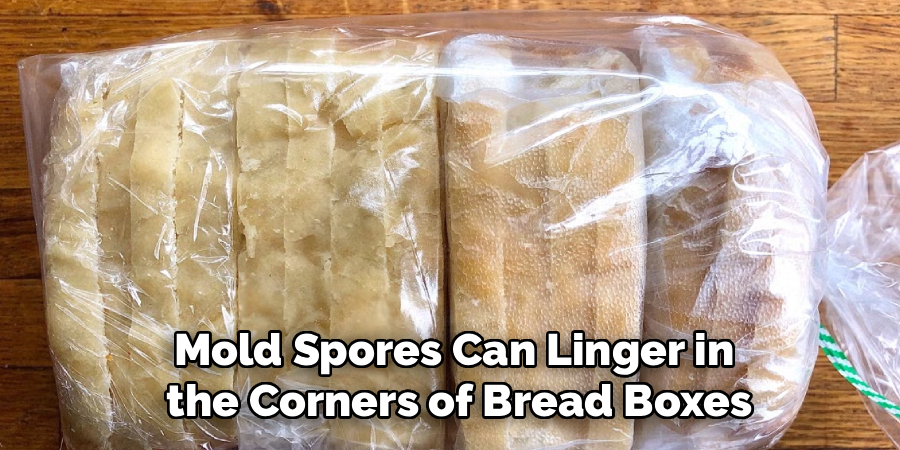
Mold spores can linger in the corners of bread boxes, drawers, or storage containers and contaminate fresh loaves. To prevent cross-contamination, make it a habit to regularly clean and dry the spaces where bread is stored. Use warm water with mild dish soap to clean the interior, and allow it to dry completely before placing bread back in. If you’ve had a moldy loaf recently, sanitize the area with a vinegar and water solution to kill any remaining spores. A clean storage area reduces the risk of mold spreading from one loaf to the next.
10. Monitor for Early Signs of Mold and Discard Promptly
Despite your best efforts, mold can still sometimes form due to invisible spores in the air or brief exposure to moisture. It’s crucial to check bread daily for signs of spoilage, such as fuzzy spots, discoloration, sour smells, or odd textures. If any part of the bread appears moldy, discard the entire loaf. Mold roots can penetrate deeper into bread than what’s visible on the surface, so cutting off the moldy part isn’t safe. Being vigilant and removing spoiled bread promptly ensures other food in the storage area remains uncontaminated.
Things to Consider When Storing Bread
- Proper Storage Methods
To keep bread fresher for longer, store it in a cool, dry place, away from direct sunlight. A breadbox, pantry, or cupboard can effectively shield the loaf from excess moisture and heat. Avoid using plastic bags for long-term storage, as they can trap moisture and promote mold growth.
- Freezing for Longevity
If you’re not planning to consume bread within a few days, freezing is an excellent option. Slice the loaf beforehand for convenience, and store slices in airtight freezer bags to prevent freezer burn. Properly frozen bread can last up to three months without compromising its quality.
- Avoid Refrigeration
While refrigeration slows down mold growth, it speeds up the process of bread staling due to the starch retrogradation effect. Unless the bread is particularly moist or the environment is humid, refrigeration is not recommended for maintaining optimal texture and taste.
- Monitoring for Spoilage
Regularly inspect stored bread for early signs of deterioration, such as changes in texture, appearance, or smell. Staying attentive allows you to address potential spoilage quickly, protecting other food items and maintaining health safety.
Conclusion
Proper bread storage is not just about preserving taste—it’s also essential for ensuring safety and avoiding food waste. By implementing these ten thoughtful and elaborated methods, you can significantly extend the shelf life of your bread while keeping it free from mold. From selecting breathable materials and using traditional bread boxes to freezing and regular cleaning routines, each strategy offers practical value. Thanks for reading our blog post on how to store bread so it doesn’t mold! We hope you found it helpful and informative.

About
Diane Lo is a distinguished figure in the world of kitchen innovation and culinary design, with over a decade of expertise creating functional and sustainable kitchen environments. Her professional focus lies in merging ergonomic spatial planning with modern culinary technology, fostering kitchen layouts that are both highly practical and aesthetically refined. As the lead expert at Kitchenub, Diane Lo delves into the art and science of kitchen organization, appliance selection, and workflow efficiency, inspiring home cooks and professional designers alike.
Education
Royal Melbourne Institute of Technology (RMIT University) (Melbourne, Australia) Associate Degree in Interior Design and Spatial Planning Focus on sustainable kitchen layouts, user-centric design, and ergonomic efficiency. Gained hands-on experience in high-traffic commercial kitchen modeling and advanced space-saving architecture.
Nottingham Trent University (United Kingdom) Bachelor’s in Product Design and Culinary Architecture (Honors) Specialized in the intersection of kitchen technology and lifestyle design. Participated in major industry collaborations, working with premium appliance manufacturers and cabinetry firms to gain real-world insights into modern kitchen workflows.
Publications and Impact
At Kitchenub, Diane Lo shares her expert insights on kitchen renovation processes, material durability, and strategies for achieving peak culinary productivity. Her writing effectively bridges the gap between professional culinary needs and home design, making it an essential resource for those looking to transform their kitchen into a highly efficient and welcoming heart of the home.