

Beet greens are often overlooked but are a nutritious and versatile part of the beet plant. Properly storing beet greens is essential to retain their freshness, flavor, and nutrients. Whether you plan to use them in salads, sautés, or smoothies, learning the best storage methods will ensure they last longer and stay in top quality. In this blog post, we’ll walk you through the steps on how to store beet greens so that you can get back to using it in no time! So grab your tools, and let’s get started!
What Are Beet Greens?
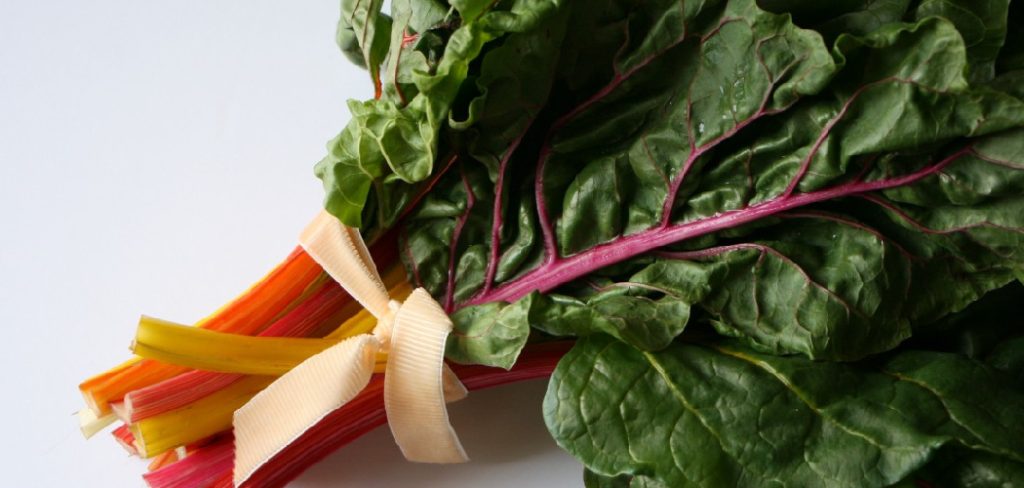
Beet greens are the leafy tops of the beetroot plant, often overlooked in favor of the vibrant root itself. However, these greens are packed with nutrition, offering a wealth of vitamins like A, C, and K, as well as minerals such as potassium, magnesium, and iron. Their slightly bitter and earthy flavor makes them a versatile ingredient that pairs well with a variety of dishes. Whether enjoyed raw in salads, sautéed as a side dish, or blended into smoothies, beet greens are a delicious and sustainable way to make the most of the entire plant.
How Long Do Beet Greens Last?
Beet greens are best enjoyed fresh, but with proper storage, they can last up to 3 to 5 days in the refrigerator. To maximize their freshness, it’s important to separate the greens from the root immediately after purchase or harvest. Wrap the greens loosely in a damp paper towel and store them in a breathable bag or container in the crisper drawer. Avoid washing them until you’re ready to use them, as excess moisture can promote spoilage. By following these steps, you can keep beet greens crisp and nutrient-rich for longer.
10 Methods How to Store Beet Greens
1. Separate Greens from the Beets Immediately
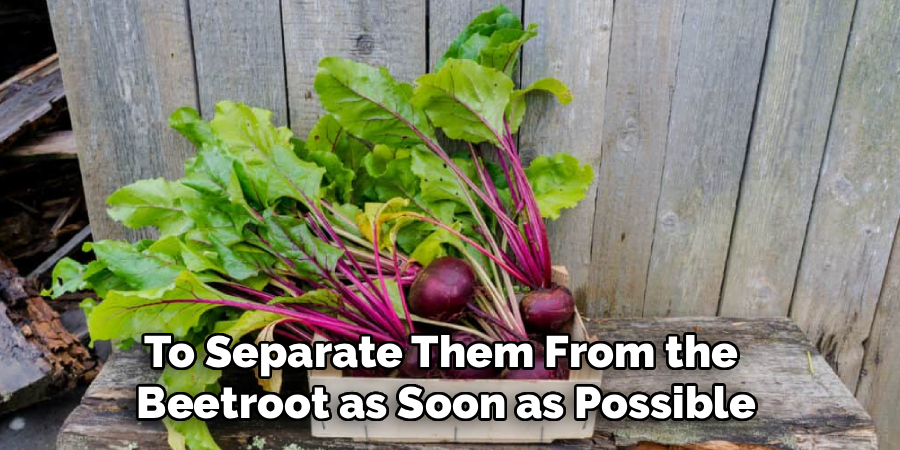
One of the most important steps in storing beet greens is to separate them from the beetroot as soon as possible. Leaving the greens attached causes them to draw moisture and nutrients from the beet, accelerating wilting and spoilage. Use a clean, sharp knife or kitchen shears to cut the greens about one inch above the beet. Once separated, treat the greens as a distinct vegetable and store them independently. This simple action can greatly extend the freshness of both parts of the plant.
2. Rinse Gently and Dry Thoroughly
Before storing, gently rinse the beet greens under cold running water to remove any dirt or debris. Avoid using high water pressure or scrubbing, as the leaves are tender and bruise easily. After rinsing, pat them dry carefully using paper towels or a clean kitchen cloth. Alternatively, use a salad spinner to remove excess moisture without damaging the leaves. It’s crucial that the greens are thoroughly dried, as excess moisture encourages mold and premature rotting during storage.
3. Wrap in Paper Towels to Absorb Moisture
After cleaning and drying, wrap the beet greens loosely in paper towels. The towels act as a moisture buffer, absorbing any lingering dampness while still allowing the leaves to retain enough humidity to stay crisp. Place the wrapped greens into a resealable plastic bag or a reusable silicone bag. This method creates a mini-humidity chamber that slows wilting without allowing sogginess to develop, giving your beet greens several extra days of life in the fridge.
4. Store in a Perforated Plastic or Mesh Bag
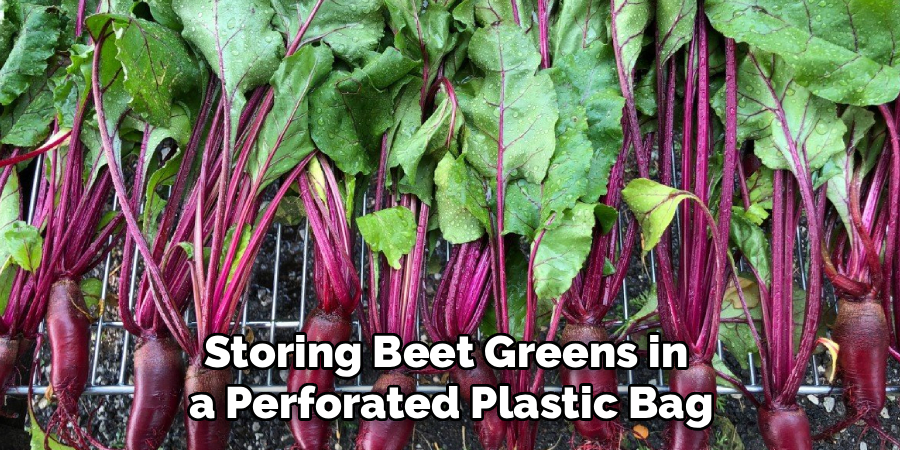
If you’re looking for airflow without sacrificing humidity, storing beet greens in a perforated plastic bag or a mesh produce bag is ideal. These bags allow for ventilation while still containing the greens in a moderately moist environment. This setup prevents the buildup of ethylene gas and excess moisture that can cause yellowing and decay. Place the bag in your refrigerator’s crisper drawer for best results, as this compartment is designed to balance moisture and airflow.
5. Use an Airtight Container with a Dry Cloth Liner
An alternative method for those who prefer containers is to use an airtight plastic or glass storage box lined with a dry cloth or paper towel. The cloth acts like the paper towel method mentioned earlier, helping to regulate moisture while the lid keeps humidity trapped inside. Make sure to avoid packing the greens too tightly; they need a bit of space to breathe. This method is especially helpful for storing larger quantities of beet greens and keeping your fridge organized.
6. Keep in the Fridge’s Crisper Drawer
No matter how you choose to wrap or contain your beet greens, always store them in the refrigerator’s crisper drawer. This part of the fridge maintains higher humidity levels compared to other sections, which helps leafy greens stay firm and fresh. Crisper drawers are also typically cooler and more insulated from temperature fluctuations when the fridge is opened frequently. Check on the greens every couple of days and replace any damp paper towels or cloth linings as needed.
7. Freeze for Long-Term Storage
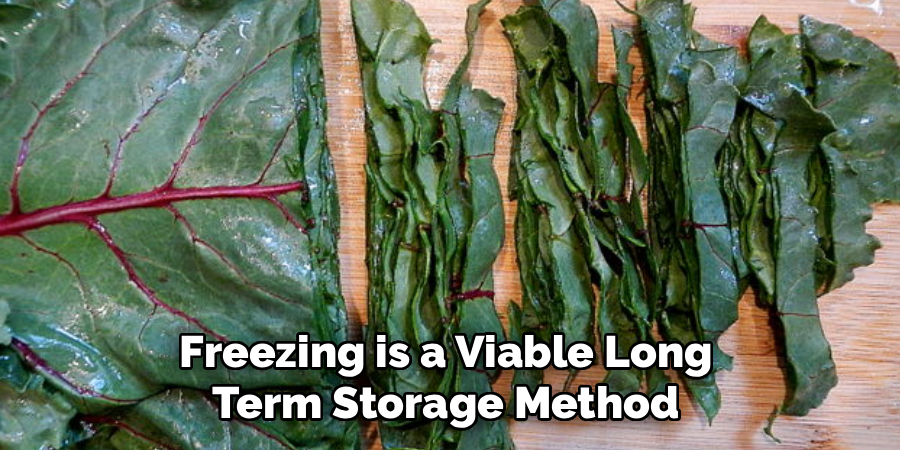
If you’ve harvested or purchased more beet greens than you can use within a week, freezing is a viable long-term storage method. First, wash and chop the greens into usable sizes. Then blanch them in boiling water for about two minutes, followed by an ice bath to stop the cooking process. Drain and dry the blanched greens thoroughly, then pack them into freezer-safe bags or containers. Label with the date and freeze. Though freezing changes the texture, making them better suited for cooked dishes, it preserves their nutritional value and flavor for several months.
8. Store with the Stems Intact
When storing beet greens short-term, consider keeping the stems intact. The stems help support the leaves structurally and may slow the wilting process slightly. If you don’t plan to use the stems in cooking, you can trim them later, just before preparing the greens. For now, store the whole leaf with stem attached in your chosen method—be it wrapped in paper towels or in a ventilated bag—to maximize freshness and ease of handling.
9. Add a Damp Cloth in a Container to Maintain Humidity
In especially dry refrigerators or climates, beet greens may wilt due to insufficient humidity. To combat this, place a slightly damp cloth or paper towel at the bottom of the storage container (not directly on the greens) to increase humidity without wetting the leaves. This creates a microclimate that keeps the greens hydrated while avoiding the risk of mold. Refresh or wring out the cloth as needed to keep the environment balanced.
10. Store as a Bouquet in a Jar of Water (Short-Term Only)
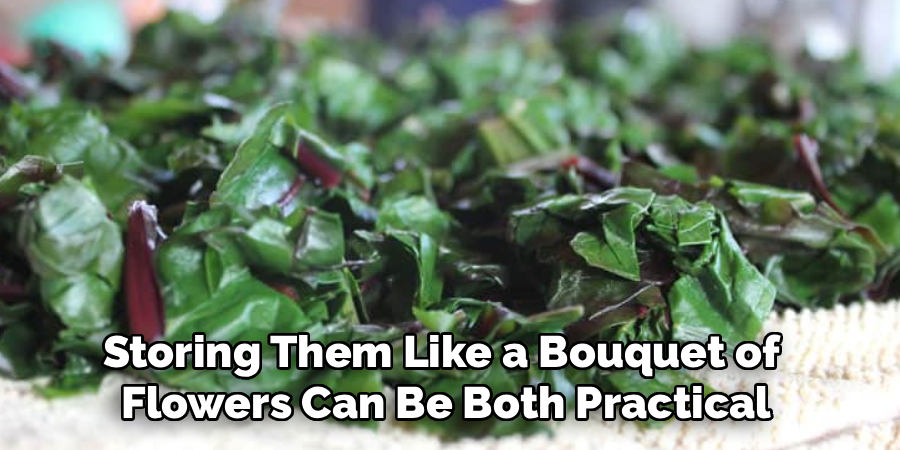
If you plan to use beet greens within a day or two, storing them like a bouquet of flowers can be both practical and visually appealing. Trim the bottom of the stems and place them upright in a glass or jar with about an inch of cold water. Then loosely drape a plastic bag over the top to retain humidity. Store the setup in the refrigerator. Change the water daily. This method is perfect for keeping the greens vibrant and upright for immediate use, though it is not recommended for extended storage.
Troubleshooting Common Issues
Despite proper storage methods, you may encounter a few issues when storing beet greens. Here are some common problems and their solutions:
- Wilting Greens: If the greens start to wilt, they may not be getting enough hydration. Ensure the stems are fully submerged in water, and check that the water level is adequate. Replace the water daily to keep it fresh.
- Slimy Leaves: Sliminess can result from excess humidity or prolonged storage. Avoid tightly sealing the plastic covering to allow some airflow, and inspect the greens regularly to remove any spoiled leaves.
- Browning or Yellowing: If the leaves begin to turn brown or yellow, they may have been stored too long. It’s best to use beet greens within a few days of purchasing them to enjoy their flavor and nutrients at their peak.
By addressing these issues promptly, you can ensure your beet greens remain fresh and ready to use for your culinary needs.
Conclusion
Beet greens are too nutritious and versatile to let go to waste, and storing them properly helps you get the most out of your purchase or harvest. Whether you’re looking to preserve them for a few days or a few months, these ten comprehensive storage methods offer practical solutions tailored to different needs. From gentle rinsing and wrapping to freezing and creating humidity-controlled environments, every step plays a vital role in maintaining the greens’ texture, color, and taste. Thanks for reading our blog post on how to store beet greens! We hope you found it helpful and informative.

About
Diane Lo is a distinguished figure in the world of kitchen innovation and culinary design, with over a decade of expertise creating functional and sustainable kitchen environments. Her professional focus lies in merging ergonomic spatial planning with modern culinary technology, fostering kitchen layouts that are both highly practical and aesthetically refined. As the lead expert at Kitchenub, Diane Lo delves into the art and science of kitchen organization, appliance selection, and workflow efficiency, inspiring home cooks and professional designers alike.
Education
Royal Melbourne Institute of Technology (RMIT University) (Melbourne, Australia) Associate Degree in Interior Design and Spatial Planning Focus on sustainable kitchen layouts, user-centric design, and ergonomic efficiency. Gained hands-on experience in high-traffic commercial kitchen modeling and advanced space-saving architecture.
Nottingham Trent University (United Kingdom) Bachelor’s in Product Design and Culinary Architecture (Honors) Specialized in the intersection of kitchen technology and lifestyle design. Participated in major industry collaborations, working with premium appliance manufacturers and cabinetry firms to gain real-world insights into modern kitchen workflows.
Publications and Impact
At Kitchenub, Diane Lo shares her expert insights on kitchen renovation processes, material durability, and strategies for achieving peak culinary productivity. Her writing effectively bridges the gap between professional culinary needs and home design, making it an essential resource for those looking to transform their kitchen into a highly efficient and welcoming heart of the home.