

Baking sheets are an essential tool in any kitchen, but they can often warp due to high heat and uneven temperature changes. Warping occurs when the metal expands and contracts rapidly, causing the pan to bend or twist out of shape. This can be frustrating and may even affect the quality of your baked goods. Thankfully, there are several simple steps you can take to prevent baking sheets from warping and ensure they stay flat and functional for years to come. This guide explores the key aspects of how to stop baking sheets from warping.
Why Warping Happens
Warping primarily occurs due to sudden and uneven changes in temperature. When you place a cold baking sheet into a hot oven, or if the sheet heats unevenly, the metal expands at different rates. This uneven expansion forces the baking sheet to bend or twist, as the material struggles to adjust. Thinner baking sheets are more prone to warping because they lack the structural strength to resist these rapid changes. Additionally, lower-quality materials may not distribute heat evenly, further increasing the chances of warping. Understanding the reasons behind this phenomenon is essential to taking the right preventative measures.
Choose the Right Type of Baking Sheet
Selecting the right baking sheet can significantly reduce the risk of warping and improve your baking results. Opt for thicker, heavier sheets made from high-quality materials like aluminized steel or heavy-gauge aluminum. These materials ensure better heat distribution and are less likely to twist under high temperatures. Sheets with reinforced rims or rolled edges can also add extra stability, preventing the pan from bending during use. Non-stick coatings can be a bonus for easier cleanup, but make sure the coating is durable and safe for your intended use. By investing in a sturdy, well-made baking sheet, you can save yourself the hassle of dealing with warped pans and achieve more consistent baking outcomes.
10 Methods How to Stop Baking Sheets from Warping
1. Choose Heavy-Gauge Metal Baking Sheets
The first and most effective method to prevent baking sheets from warping is to invest in heavy-gauge metal pans. Warping typically occurs when the thin metal of a sheet pan cannot withstand rapid temperature changes in the oven. Thicker metal sheets are better able to resist this sudden expansion and contraction, maintaining their flat shape. Look for sheets made from 12-gauge aluminum or commercial-grade stainless steel, as these are specifically designed to endure intense heat without flexing. Although these pans may be heavier and more expensive, their performance and durability make them a wise investment for serious bakers.
2. Preheat the Oven Fully Before Inserting the Sheet
A common mistake that leads to warping is placing baking sheets into an oven that is still heating. When a cold pan is exposed to uneven heating elements, it undergoes thermal shock—especially in ovens with heating coils along the bottom. This difference in temperature across the surface creates internal stress that causes the metal to twist or warp. By allowing your oven to fully preheat to the target temperature before inserting your baking sheet, you ensure a more uniform and gradual heating process, reducing the likelihood of warping significantly.
3. Avoid Drastic Temperature Changes
Rapid changes in temperature—known as thermal shock—are a major contributor to warped pans. For instance, taking a hot baking sheet and placing it directly on a cold granite countertop or rinsing it under cold water can cause immediate deformation. Instead, allow the sheet to cool gradually on a wire rack or stovetop. This gradual change helps maintain the structural integrity of the metal. By adopting a more patient approach to cooling, you reduce stress on the baking sheet, ultimately prolonging its usability and preventing damage.
4. Use Rimmed Baking Sheets
Another method to prevent warping is to use baking sheets with raised rims, also known as rimmed or jelly roll pans. The elevated edges help reinforce the structure of the sheet and distribute heat more evenly, minimizing the expansion and contraction that causes warping. The rim acts like a frame, helping the sheet maintain its shape under high temperatures. Rimmed baking sheets are also versatile, suitable for roasting vegetables, baking cookies, or holding silicone mats, making them a staple in any kitchen.
5. Bake at Moderate Temperatures When Possible
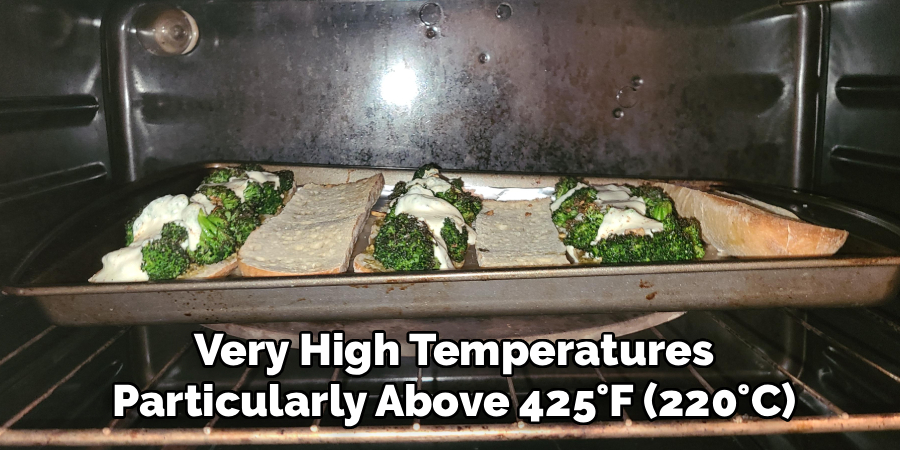
Baking sheets are more likely to warp at very high temperatures, particularly above 425°F (220°C). If your recipe allows for it, consider reducing the temperature and increasing the cooking time slightly. Moderate temperatures reduce the intensity of heat exposure, allowing the sheet to heat more uniformly. Of course, not all recipes can be adjusted this way, but for items like cookies, roasted nuts, or flatbreads, this small tweak can be helpful. Keeping temperatures in the mid-range helps preserve the structural integrity of even thinner pans.
6. Use Silicone Baking Mats or Parchment Paper
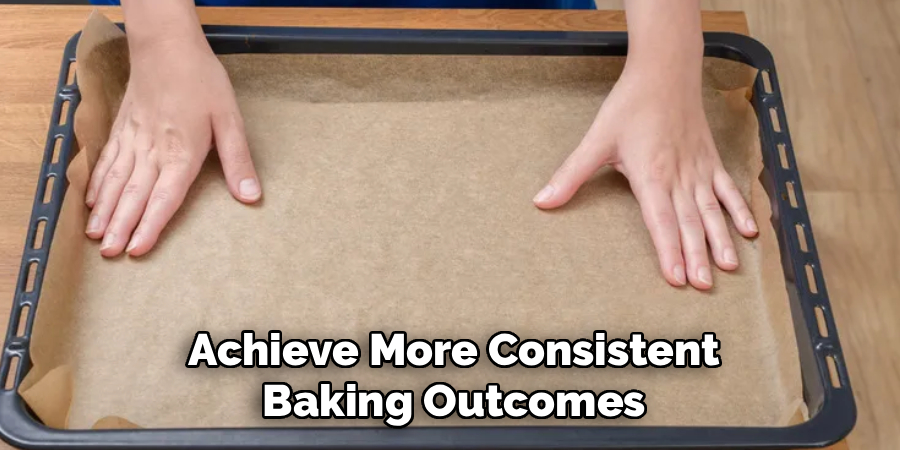
While not a direct way to prevent warping, placing a silicone baking mat or a layer of parchment paper on your baking sheet can help distribute heat more evenly across the surface. Uneven heating often contributes to hot spots that expand more rapidly than the surrounding areas, which is a common cause of warping. Silicone mats, in particular, provide a buffer that can reduce the impact of direct heat. They also make for easier cleanup and reduce food sticking, making them a dual-purpose tool in your baking routine.
7. Opt for Textured or Corrugated Baking Sheets
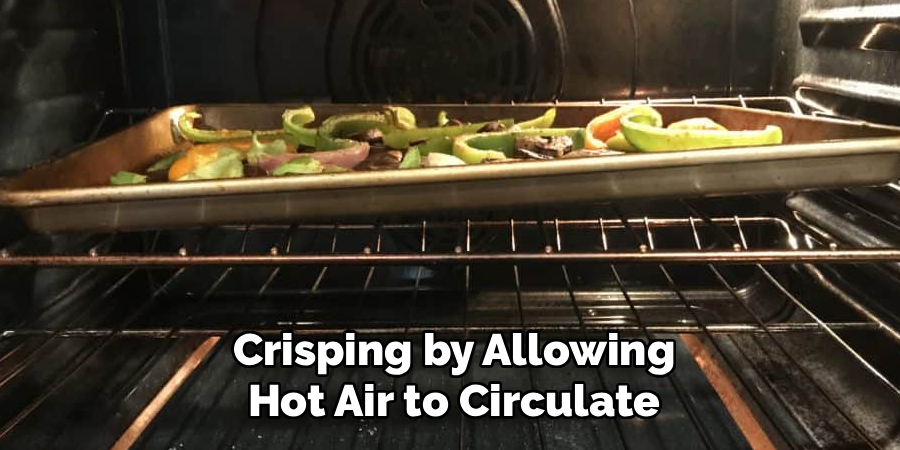
Textured or corrugated baking sheets are designed with ridges or patterns that enhance airflow and heat distribution. These subtle design differences help the pan maintain its structural form when exposed to high temperatures. The patterns break up the flat expanse of the metal surface, reducing the likelihood that a large section will expand or contract unevenly. These types of sheets are ideal for baking items like cookies or oven-fried foods and offer the additional benefit of improving browning and crisping by allowing hot air to circulate underneath the food.
8. Avoid Overcrowding with Heavy Items
Overloading your baking sheet with heavy items such as thick cuts of meat or stacked foods can stress the metal and contribute to warping over time. The added weight creates pressure points that, combined with heat, can cause the sheet to flex unevenly. Try to distribute food items evenly across the sheet and avoid clustering heavy objects in one area. Using multiple pans for larger quantities also ensures more even cooking and prolongs the life of your baking equipment by preventing structural distortion.
9. Use Insulated Baking Sheets
Insulated baking sheets consist of two layers of metal with air trapped between them. This design provides excellent heat distribution and helps prevent warping by cushioning the effects of high oven temperatures. The air layer serves as a buffer, reducing the likelihood of sudden temperature spikes that cause deformation. These sheets are particularly effective for baking delicate items like cookies and pastries, where even baking and shape retention are critical. Though they may cost more than standard sheets, their benefits in durability and performance are well worth the investment for frequent bakers.
10. Replace Old or Damaged Sheets
Finally, recognize when it’s time to retire a baking sheet that’s already been warped or has sustained too much wear. Warped pans not only cook food unevenly but can also be dangerous when they twist or pop in the oven. Older sheets with dents, bends, or cracks in the finish are more susceptible to further warping. If you notice repeated issues, it’s likely more cost-effective and safer to replace the pan than to continue using one that may affect your baking results or compromise safety. Always opt for quality when purchasing new sheets to reduce the chances of recurrence.
Maintenance and Upkeep
Proper maintenance and care of your baking sheets can greatly extend their lifespan and ensure consistent performance. To prevent warping, avoid exposing them to sudden temperature changes, such as placing a hot pan in cold water. Cleaning should be done gently using non-abrasive sponges and mild dish soap to preserve the finish and avoid scratches. For stubborn stains, consider using a baking soda paste or soaking the pan in warm, soapy water rather than scrubbing aggressively. Additionally, always dry your baking sheets completely after washing to prevent rust or discoloration. By taking these simple steps, you can keep your baking sheets in top condition and enjoy reliable results every time you bake.
Troubleshooting Common Issues
Even with proper care, baking sheets may occasionally encounter issues. Here are some common problems and how to resolve them:
- Stains and Discoloration: Over time, baking sheets might develop stains or discoloration, especially from high-heat cooking. To address this, create a mixture of baking soda and hydrogen peroxide, apply it to the affected area, and allow it to sit for a few hours before scrubbing gently.
- Warping: Warping can occur when baking sheets are exposed to sudden temperature changes, such as placing a hot sheet on a cold surface. Always allow your baking sheet to cool gradually, and consider investing in thicker, higher-quality sheets that are less prone to warping.
- Sticking Residue: If baked goods frequently stick to your sheet, it might be due to the surface condition or insufficient greasing. To solve this, lightly grease the sheet with oil or use parchment paper or a silicone baking mat for a non-stick surface.
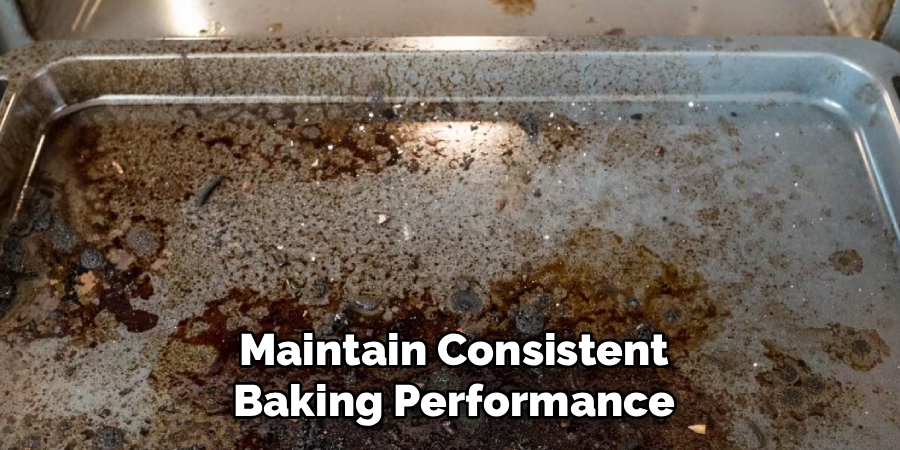
By identifying and addressing these issues promptly, you can extend the lifespan of your baking sheets and maintain consistent baking performance.
Conclusion
Warping is a frustrating but common problem with baking sheets, especially those made from thin or low-quality materials. However, by using the right methods—such as investing in heavy-gauge pans, preheating the oven, avoiding thermal shock, and baking at moderate temperatures—you can significantly reduce or eliminate the issue. Thanks for reading our blog post on how to stop baking sheets from warping! We hope you found it helpful and informative.

About
Diane Lo is a distinguished figure in the world of kitchen innovation and culinary design, with over a decade of expertise creating functional and sustainable kitchen environments. Her professional focus lies in merging ergonomic spatial planning with modern culinary technology, fostering kitchen layouts that are both highly practical and aesthetically refined. As the lead expert at Kitchenub, Diane Lo delves into the art and science of kitchen organization, appliance selection, and workflow efficiency, inspiring home cooks and professional designers alike.
Education
Royal Melbourne Institute of Technology (RMIT University) (Melbourne, Australia) Associate Degree in Interior Design and Spatial Planning Focus on sustainable kitchen layouts, user-centric design, and ergonomic efficiency. Gained hands-on experience in high-traffic commercial kitchen modeling and advanced space-saving architecture.
Nottingham Trent University (United Kingdom) Bachelor’s in Product Design and Culinary Architecture (Honors) Specialized in the intersection of kitchen technology and lifestyle design. Participated in major industry collaborations, working with premium appliance manufacturers and cabinetry firms to gain real-world insights into modern kitchen workflows.
Publications and Impact
At Kitchenub, Diane Lo shares her expert insights on kitchen renovation processes, material durability, and strategies for achieving peak culinary productivity. Her writing effectively bridges the gap between professional culinary needs and home design, making it an essential resource for those looking to transform their kitchen into a highly efficient and welcoming heart of the home.