

Propane grills are a staple of backyard BBQs, offering a convenient way to whip up delicious meals. However, handling propane grills requires caution as accidents can happen, including fires. Knowing how to put out a propane grill fire is essential for anyone who enjoys grilling at home. This guide will walk you through the steps to safely and effectively extinguish a propane grill fire, so you can protect your health, property, and meals. Comprehensive and beginner-friendly, these instructions will prepare you to act confidently in unlikely but critical emergency situations.
The first step in managing a propane grill fire is to remain calm and act swiftly. Begin by turning off the burners if it is safe to do so, as this will stop the flow of gas fueling the flames. If the fire persists, use a fire extinguisher rated for grease and gas fires to smother the flames effectively. Never use water on a propane grill fire, as it can cause the fire to spread or result in dangerous flare-ups. If the propane tank itself is involved and the fire cannot be controlled, evacuate the area immediately and contact emergency services. Regularly inspecting your grill and maintaining proper safety practices can help minimize the risk of such incidents.
Why It’s Important to Know How to Put Out a Propane Grill Fire
Propane grill fires often catch people off guard. Grease buildup, improper handling of the propane tank, or even stray food debris falling onto burners can quickly turn your grilling session into a safety hazard. A small mishap can escalate into a dangerous situation if not addressed properly.
Understanding how to extinguish a propane grill fire isn’t just a matter of safeguarding your outdoor setup—it’s a life skill that protects your family, prevents accidents, and gives you peace of mind. Beyond safety, knowing what to do ensures that your grill remains functional over time and helps you avoid costly repairs or replacements.
Step-by-Step Guide on How to Put Out a Propane Grill Fire
Handling a propane grill fire requires calm and precise actions. Below, we break the process into manageable steps to help you tackle the situation wisely and efficiently.
Step 1: Assess the Fire
Before taking action, carefully assess the situation. Gauge the intensity and source of the fire. Is it isolated to grease buildup inside the grill, or does it involve the propane tank or gas line? For small fires limited to grease or food debris, quick action can extinguish the flames easily. However, more serious situations, such as a fire involving the propane tank, require immediate evacuation and professional assistance.
Step 2: Shut Off the Gas Supply
Turn off the grill’s propane tank by rotating the valve clockwise. This step is critical because it stops the fuel supply feeding the fire. Make sure to handle the valve with care, avoiding sudden movements that could increase the risk of worsening the fire. If the flames are near the valve, assess whether it is safe to proceed or if you need help from emergency services.
Step 3: Close the Grill Lid
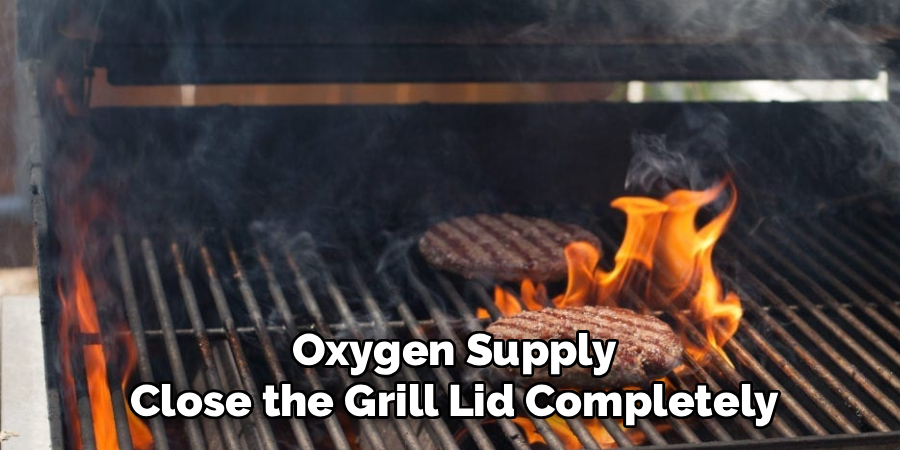
To suffocate the fire and reduce its oxygen supply, close the grill lid completely. This method works well for grease fires or small flare-ups caused by food charring on the burners. Keep the lid closed for a few minutes while observing the intensity of the fire. If the flames don’t subside or grow stronger, move to the next step immediately.
Step 4: Use a Fire Extinguisher
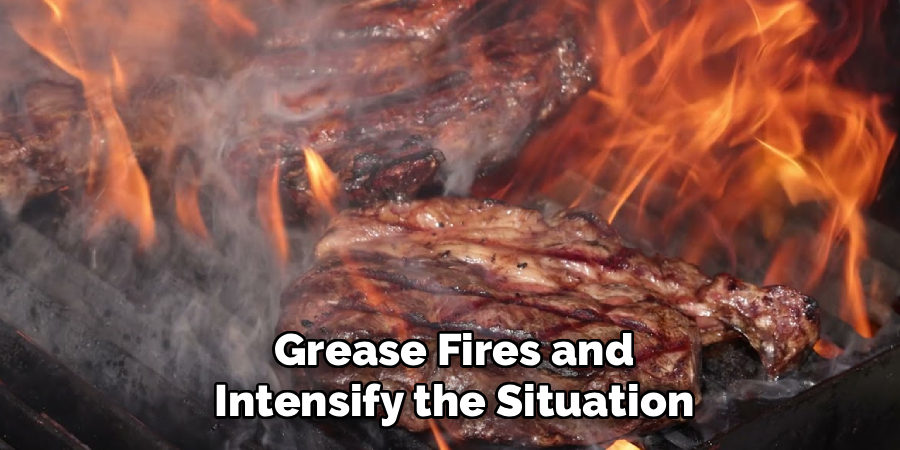
If the fire persists, grab a Class B extinguisher designed for flammable liquids or propane-related fires. Aim the nozzle at the base of the flames, standing at least three feet back. Depress the handle and sweep the extinguisher side-to-side to cover the affected area. Do not splash water onto the flames, as it can spread grease fires and intensify the situation.
Step 5: Remove Proximity Hazards
If it’s safe to do so, move any items or flammable objects near the grill to prevent the fire from spreading. This includes paper plates, plastic utensils, and even patio furniture. Clearing the area minimizes the risk of intensified flames or additional hazards.
Step 6: Call Emergency Services (If Necessary)
When dealing with uncontrollable flames or fires involving the propane tank, step away from the grill and call emergency services immediately. Evacuate everyone from the area, ensuring safe distance from the fire. Never attempt to contain a large fire on your own, as this can be extremely dangerous.
Step 7: Inspect for Damage
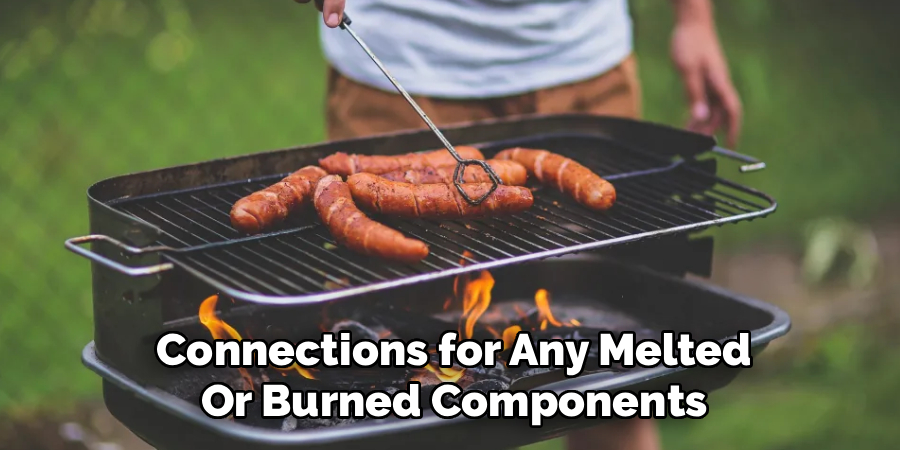
Once the fire has been extinguished, wait until the grill is completely cool before inspecting it for damage. Check the propane tank, hoses, and connections for any melted or burned components. Inspect the interior of the grill for signs of heat damage or grease buildup. Replace or repair damaged parts before using the grill again.
Step 8: Clean and Prevent Future Fires
After inspection, thoroughly clean your grill to remove grease and food debris that can ignite in future use. Establish a regular cleaning schedule, such as post-cooking maintenance, to prevent buildup. Additionally, store the propane tank in a well-ventilated and secure location when not in use.
Step 9: Revisit Safety Guidelines
Understand and reinforce key grilling safety practices. Keep a fire extinguisher within easy reach, avoid grilling in enclosed spaces, and never leave the grill unattended while cooking. Share these guidelines with family or friends who might use the grill to ensure everyone’s protection.
Step 10: Test the Grill Before Next Use
After repairs and cleaning, test the propane grill for functionality before your next meal preparation. Check for gas leaks by applying a soapy water solution to the connections and looking for bubbles. This simple test confirms the readiness of the grill for safe future use.
Fire Prevention Strategies for Propane Grills
Preventing fires while using a propane grill requires consistent attention to safety measures. Always position your grill in an open, ventilated outdoor area, keeping it away from flammable materials such as overhanging trees, wooden decks, or nearby structures. Regular maintenance is key—inspect gas lines for cracks or leaks and ensure the grill is cleaned after each use to avoid grease build-up, which can ignite unexpectedly. Additionally, always have a fire extinguisher or a bucket of sand nearby as a precaution. Familiarize yourself with the grill’s shut-off mechanisms and practice swift responses in case of emergencies. Taking these proactive steps minimizes fire risks and ensures a safer grilling experience.
When it comes to food preparation, safety should also be a top priority. Always use separate utensils and cutting boards for raw and cooked foods to prevent cross-contamination. Ensure that meats, poultry, and seafood are cooked to the proper internal temperatures, using a food thermometer to verify doneness. Keep perishable items refrigerated until it’s time to cook, and avoid leaving them out in the sun for extended periods. By practicing these safe food handling techniques, you can enjoy delicious meals without compromising health or hygiene.
Frequently Asked Questions
Can a Propane Grill Fire Explode?
While explosions are rare, they can occur if the fire involves the propane tank or a connected gas line. If flames are near the propane tank, evacuate and call emergency services immediately.
What Type of Fire Extinguisher Should I Use for a Grill Fire?
Always use a Class B fire extinguisher, which is designed to handle flammable liquids like propane or grease. Keeping one near your grill is a smart safety practice.
Is It Safe to Use Water to Put Out a Propane Grill Fire?
No, water should never be used on a grease or propane fire. Water can cause grease to splatter, spreading the flames. Instead, rely on a fire extinguisher or smother the fire to remove oxygen.
How Can I Prevent Grease Fires in My Grill?
Regularly clean your grill to remove grease and food debris. Always empty the grease tray and inspect the burners before grilling. Prevention is key to avoiding flare-ups.
What Should I Do if the Propane Tank Valve Won’t Close During a Fire?
If you cannot shut off the propane valve, evacuate the area and call emergency services immediately. Do not attempt to fight the fire on your own, as this can lead to dangerous consequences.
Conclusion
Knowing how to put out a propane grill fire is essential for protecting yourself, your family, and your property. By following these steps—assessing the fire, shutting off the gas, and using proper extinguishing methods—you can respond quickly and confidently in emergency situations. Preventing future fires through regular maintenance and adhering to safety practices ensures that you can enjoy worry-free grilling sessions.
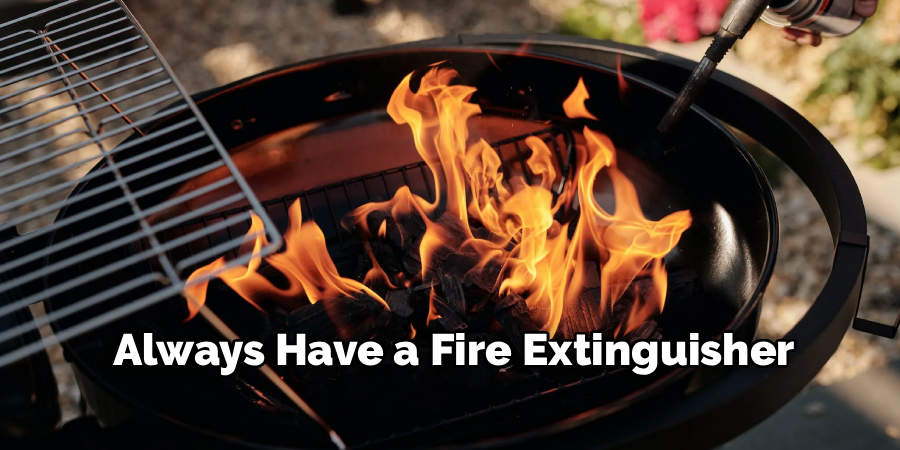
Always remember to keep a fire extinguisher nearby when using a propane grill. This precaution can make all the difference in controlling a fire before it spreads. Additionally, familiarize yourself with the manufacturer’s instructions for your grill, as they often include specific safety guidelines. Staying vigilant and prepared allows you to focus on enjoying the grilling experience safely.
The next time you fire up your grill, you’ll not only be equipped to create delicious meals but also secure in your ability to handle any unexpected flames. Stay safe, stay prepared, and enjoy the grilling experience!

About
Diane Lo is a distinguished figure in the world of kitchen innovation and culinary design, with over a decade of expertise creating functional and sustainable kitchen environments. Her professional focus lies in merging ergonomic spatial planning with modern culinary technology, fostering kitchen layouts that are both highly practical and aesthetically refined. As the lead expert at Kitchenub, Diane Lo delves into the art and science of kitchen organization, appliance selection, and workflow efficiency, inspiring home cooks and professional designers alike.
Education
Royal Melbourne Institute of Technology (RMIT University) (Melbourne, Australia) Associate Degree in Interior Design and Spatial Planning Focus on sustainable kitchen layouts, user-centric design, and ergonomic efficiency. Gained hands-on experience in high-traffic commercial kitchen modeling and advanced space-saving architecture.
Nottingham Trent University (United Kingdom) Bachelor’s in Product Design and Culinary Architecture (Honors) Specialized in the intersection of kitchen technology and lifestyle design. Participated in major industry collaborations, working with premium appliance manufacturers and cabinetry firms to gain real-world insights into modern kitchen workflows.
Publications and Impact
At Kitchenub, Diane Lo shares her expert insights on kitchen renovation processes, material durability, and strategies for achieving peak culinary productivity. Her writing effectively bridges the gap between professional culinary needs and home design, making it an essential resource for those looking to transform their kitchen into a highly efficient and welcoming heart of the home.