

Organizing baking pans can be a challenge, especially if you have a variety of shapes and sizes for different recipes. Proper organization not only saves space but also makes it easier to find what you need when you’re ready to bake. With a few simple tips and clever storage solutions, you can keep your baking pans neat, accessible, and in great condition. This guide explores the key aspects of how to organize baking pans.
Why Organizing Baking Pans Matters
Organizing your baking pans is essential for maintaining an efficient and stress-free kitchen. When your pans are neatly arranged, you can save valuable time by quickly locating the right one for your recipe. Proper organization also helps prevent damage to your pans, such as scratches or dents, which can occur when they are stacked haphazardly. Furthermore, an organized kitchen promotes better hygiene by reducing the accumulation of dust and grease in hard-to-reach areas. By investing a little effort into organizing your baking pans, you create a more productive and enjoyable baking environment.
Declutter and Sort Your Baking Pans
The first step to organizing your baking pans is to declutter and sort them. Start by taking all your pans out of their storage space and assessing what you have. Separate the ones you use regularly from those that are rarely, if ever, utilized. Consider donating or recycling pans that are worn out or no longer needed to free up space. Once you’ve narrowed down your collection, group similar types of pans together—such as cake pans, muffin tins, or baking sheets. This categorization will make it easier to find what you need when baking and ensure that your storage is both practical and orderly.
10 Methods How to Organize Baking Pans
1. Use Vertical Dividers Inside Cabinets
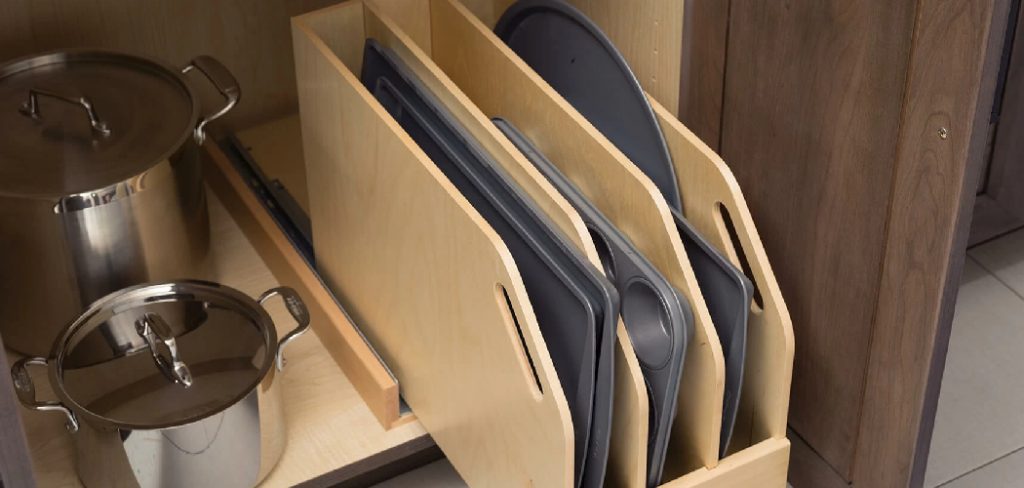
One of the most efficient ways to organize baking pans is by using vertical dividers inside your kitchen cabinets. These dividers allow you to store pans on their sides, much like files in a filing cabinet, making them easier to access without having to unstack heavy or awkwardly shaped items. You can install adjustable wire dividers or use custom wooden inserts that are specifically designed for bakeware. This method not only keeps your pans from scratching one another but also maximizes cabinet space while maintaining neat visibility of each item.
2. Install Pull-Out Cabinet Drawers
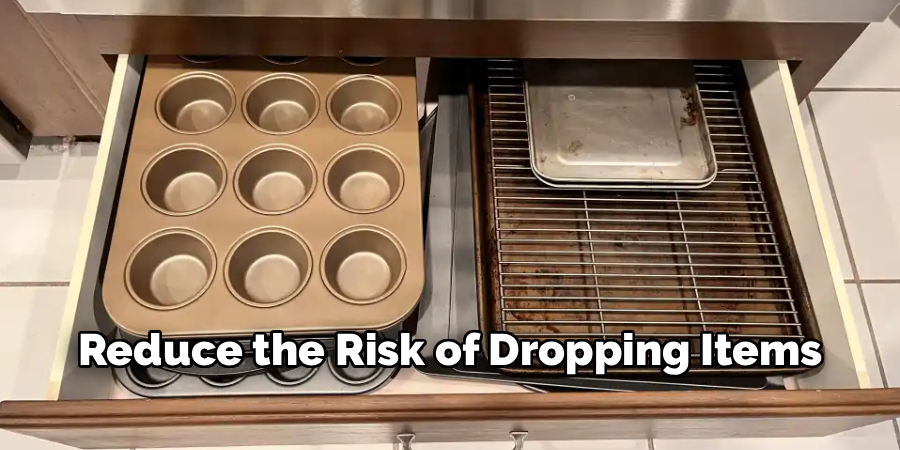
For those with deeper lower cabinets, installing pull-out drawers or roll-out shelves provides a practical and organized solution. These sliding mechanisms allow you to pull the entire contents of a cabinet out toward you, eliminating the need to dig for that elusive cookie sheet buried at the back. Place baking pans flat or stacked in a neat row, categorizing them by type or frequency of use. With pull-out drawers, not only do you streamline your baking pan storage, but you also improve accessibility and reduce the risk of dropping items when reaching into the cabinet.
3. Use a Bakeware Organizer Rack
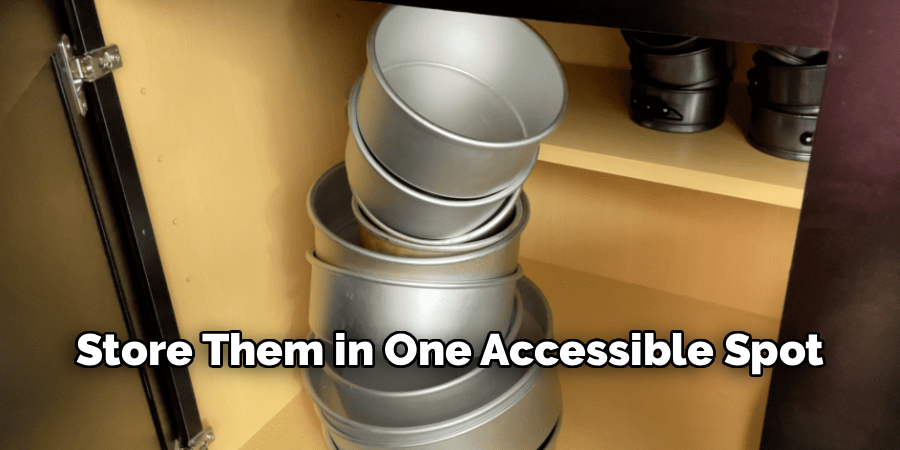
Purchasing a dedicated bakeware organizer rack is a simple yet powerful method to manage baking pans. These racks are available in a variety of designs and sizes and can be placed inside cabinets or even on countertops or pantry shelves. They include several vertical slots to stand pans up individually, preventing them from leaning and scratching one another. Some models even come with adjustable wire dividers to accommodate larger items such as muffin tins, cake pans, and baking sheets, making it easier to sort and store them in one accessible spot.
4. Hang Pans Using Wall-Mounted Racks or Hooks
Wall-mounted racks or hooks offer a stylish and space-saving way to organize baking pans, especially if you’re short on cabinet storage. Install sturdy hooks or a pegboard on a kitchen wall or pantry door to hang baking sheets and shallow pans by their handles or edges. This method not only keeps items in plain sight for quick grabbing but also adds a functional design element to your kitchen. Be sure to use heavy-duty hardware and anchors for heavier pans to ensure safety and durability.
5. Dedicate a Drawer for Flat Pans
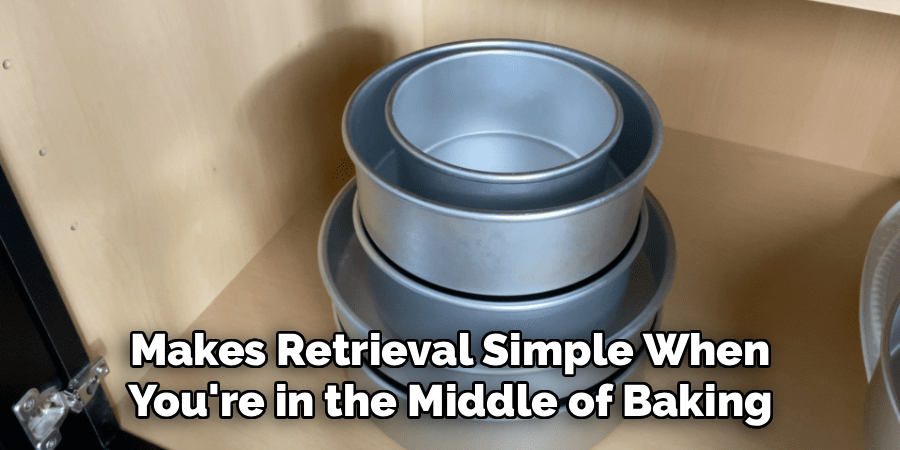
Flat baking sheets, pizza trays, and cooling racks can be conveniently stored in a shallow, wide drawer dedicated solely to these items. Line the drawer with a non-slip liner to prevent them from sliding around, and organize the items by size for quicker access. This method is especially effective in modern kitchens with deep, spacious drawers that allow for horizontal stacking while keeping things orderly. Keeping flat pans in a separate drawer reduces clutter in larger storage areas and makes retrieval simple when you’re in the middle of baking.
6. Categorize by Type and Use Frequency
Organizing your baking pans by type and how often you use them ensures a more intuitive kitchen experience. Group together similar items such as loaf pans, muffin tins, round cake pans, and cookie sheets. Within each category, store the pans you use most often in the front or at the top of the stack, while rarely used specialty pans can be stored further back or higher up. This organization system cuts down on the time spent searching for items and reduces the chances of accidentally pulling out the wrong pan during a baking rush.
7. Use Clear Storage Bins or Baskets
Storing baking pans inside clear plastic bins or mesh baskets helps consolidate smaller or oddly shaped items, keeping them from getting lost in larger spaces. Label each bin according to its contents—such as “Cupcake & Muffin Pans” or “Specialty Bakeware”—to easily identify what’s inside. These bins can be placed inside cabinets, under counters, or on pantry shelves. Using labeled containers also makes it easy to remove a group of similar pans all at once, especially when preparing for specific baking tasks or events.
8. Utilize Over-the-Door Organizers
Over-the-door organizers, typically used for cleaning supplies or spices, can be cleverly repurposed to store smaller or lighter baking pans. Choose a metal or heavy-duty fabric organizer with wide, deep pockets that can accommodate items like pie plates, silicone molds, or tart pans. Simply hang the organizer on a pantry or cabinet door, ensuring it can bear the weight. This method is ideal for maximizing vertical space and freeing up more conventional storage areas for larger, heavier bakeware.
9. Repurpose File Organizers or Magazine Holders
For a cost-effective and creative approach, repurpose office file organizers or magazine holders as vertical baking pan storage. These items are often just the right size to accommodate cookie sheets, baking trays, and shallow pans. Place them in cabinets or on open shelves to keep pans upright and separated. Metal mesh file holders are especially sturdy and allow for visibility and airflow, which can help prevent the buildup of moisture that might lead to rust. This is an excellent solution for anyone seeking budget-friendly organization without sacrificing function.
10. Store Least-Used Pans in High Cabinets or a Secondary Kitchen Space
Every baker has a few pans that only come out during the holidays or for specific recipes—think bundt pans, springform pans, or shaped novelty cake pans. These items can be stored in the uppermost cabinets or in a secondary space such as a basement kitchen area or utility closet. Use labeled boxes or storage bins to keep them dust-free and sorted by type. By placing these rarely used items out of the way, you keep your primary kitchen space organized and ensure your go-to pans are always within easy reach.
Maintenance and Upkeep
Proper maintenance of your cookware and bakeware ensures they remain in excellent condition for years to come. For nonstick pans, always use utensils made of silicone, wood, or plastic to prevent scratches, and handwash them whenever possible to preserve the coating. Cast iron pans require regular seasoning—apply a thin layer of oil after each cleaning to maintain their nonstick surface and prevent rust.
Specialty pans, like bundt or springform pans, should be thoroughly dried before storage to avoid moisture buildup and corrosion. Periodically inspect all your cookware for signs of wear, such as warped bottoms or damaged coatings, and replace items that are no longer safe or effective to use. With proper care, your kitchen tools will continue to support your cooking adventures effortlessly.
Safety Considerations
When using cookware, safety should always be a top priority to ensure a secure cooking environment. Always use handles with care, as they can become extremely hot during cooking—consider using potholders or heat-resistant gloves to protect your hands. Be cautious with nonstick pans, avoiding high heat or abrasive utensils, as damaged coatings can release harmful fumes or particles.
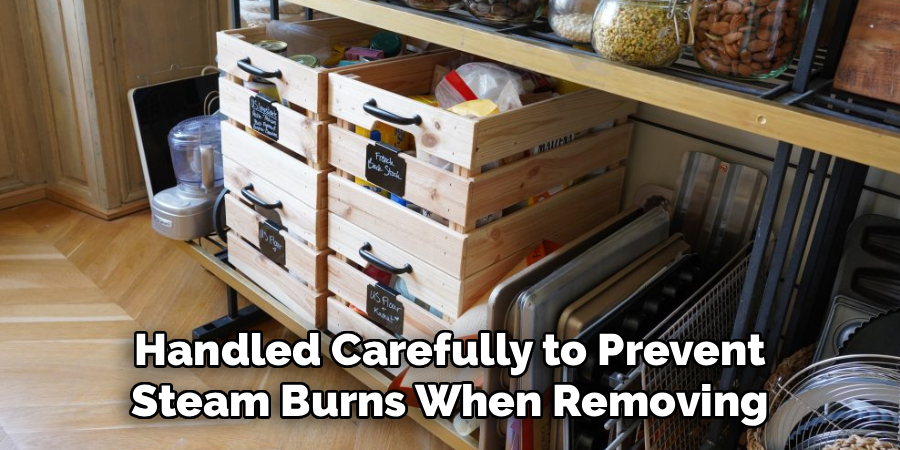
Ensure that lids are placed securely when in use but handled carefully to prevent steam burns when removing. Additionally, avoid overloading pots and pans to maintain balance and prevent spills of hot liquids or food. By following these guidelines, you can minimize risks and create a safe space for culinary exploration.
Conclusion
An organized kitchen not only boosts efficiency but also inspires more enjoyable baking experiences. Whether you opt for vertical dividers, pull-out drawers, labeled storage bins, or repurposed office supplies, there’s a solution to suit every kitchen layout and lifestyle. By thoughtfully arranging your baking pans based on frequency of use, size, and accessibility, you eliminate the stress of rummaging through cluttered cabinets and make every baking session more productive and satisfying. Thanks for reading our blog post on how to organize baking pans! We hope you found it helpful and informative.

About
Diane Lo is a distinguished figure in the world of kitchen innovation and culinary design, with over a decade of expertise creating functional and sustainable kitchen environments. Her professional focus lies in merging ergonomic spatial planning with modern culinary technology, fostering kitchen layouts that are both highly practical and aesthetically refined. As the lead expert at Kitchenub, Diane Lo delves into the art and science of kitchen organization, appliance selection, and workflow efficiency, inspiring home cooks and professional designers alike.
Education
Royal Melbourne Institute of Technology (RMIT University) (Melbourne, Australia) Associate Degree in Interior Design and Spatial Planning Focus on sustainable kitchen layouts, user-centric design, and ergonomic efficiency. Gained hands-on experience in high-traffic commercial kitchen modeling and advanced space-saving architecture.
Nottingham Trent University (United Kingdom) Bachelor’s in Product Design and Culinary Architecture (Honors) Specialized in the intersection of kitchen technology and lifestyle design. Participated in major industry collaborations, working with premium appliance manufacturers and cabinetry firms to gain real-world insights into modern kitchen workflows.
Publications and Impact
At Kitchenub, Diane Lo shares her expert insights on kitchen renovation processes, material durability, and strategies for achieving peak culinary productivity. Her writing effectively bridges the gap between professional culinary needs and home design, making it an essential resource for those looking to transform their kitchen into a highly efficient and welcoming heart of the home.