

If your rice cooker isn’t turning on, it can be frustrating, especially when you rely on it for quick and easy meals. However, this issue is often caused by simple problems that can be fixed without the need for professional help. By understanding the possible causes and troubleshooting steps, you can save time and potentially avoid replacing your rice cooker altogether. In this blog post, we’ll walk you through the steps on how to fix rice cooker not turning on so that you can get back to using it in no time! So grab your tools, and let’s get started!
Cookers and Their Convenience in Cooking
Rice cookers have become a staple in many kitchens due to their convenience and ability to simplify meal preparation. These appliances take the guesswork out of cooking rice, providing perfectly fluffy and evenly cooked grains with minimal effort. Beyond cooking rice, many modern rice cookers come with versatile features, allowing you to steam vegetables, prepare soups, or even cook one-pot meals like risotto. Their automated settings mean you can set it and forget it, freeing up time to focus on other tasks or dishes. This combination of ease, versatility, and reliability makes rice cookers an indispensable tool for both novice and experienced cooks alike.
Types of Rice Cookers
Rice cookers come in a variety of types, each tailored to different needs and preferences. The most basic type is the conventional rice cooker, which uses a simple on/off mechanism to cook rice and automatically switches to a warm setting once the rice is ready. Fuzzy logic rice cookers, on the other hand, are more advanced and can adjust cooking times and temperatures based on the type of rice being prepared, ensuring perfect results.
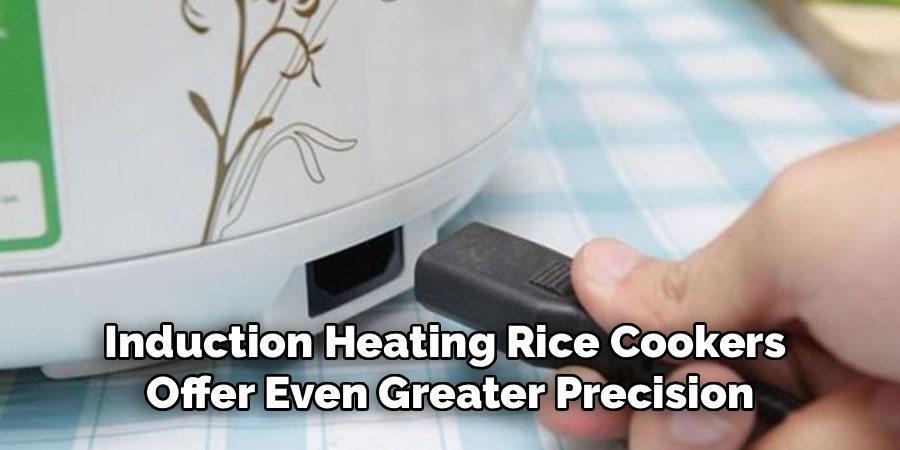
Induction heating rice cookers offer even greater precision by using electromagnetic energy to heat the entire inner pot, allowing for consistent and even cooking. Lastly, pressure rice cookers combine heat and pressure to cook rice faster and achieve a softer, fluffier texture, making them ideal for preparing harder-to-cook grains or specialty rice dishes. Each type offers unique features, making it easier to find a rice cooker that suits various cooking styles and requirements.
10 Methods How to Fix Rice Cooker Not Turning on
Method 1: Check the Power Source
The first step is to ensure that the rice cooker is receiving power. Verify that the electrical outlet is functioning properly by plugging in another appliance. If the outlet is controlled by a wall switch, make sure it is turned on. For rice cookers with detachable power cords, inspect the cord for visible damage such as cuts, frays, or exposed wires. Often, what seems like a serious malfunction is simply a power supply issue. Confirming the power source eliminates one of the most common reasons a rice cooker will not turn on.
Method 2: Inspect the Power Cord and Plug
Even if the outlet is working, the rice cooker’s power cord and plug could be faulty. Examine the cord for any bends, kinks, or signs of wear that could interrupt the electrical connection. Ensure the plug prongs are not bent, corroded, or loose. If any damage is detected, replacing the cord or plug with a manufacturer-approved component may solve the problem. Handling electrical components safely and avoiding temporary fixes like tape is essential for preventing hazards.
Method 3: Check the Lid and Safety Switch
Many rice cookers include a safety mechanism that prevents operation if the lid is not properly closed. This is particularly common in models with locking lids or pressure cooking functions. Inspect the lid and ensure it is securely in place. Some units have a switch or sensor that detects lid closure; if this switch is malfunctioning or blocked by debris, the cooker may fail to turn on. Cleaning around the switch or gently adjusting it can restore proper functionality.
Method 4: Inspect the Inner Pot Placement
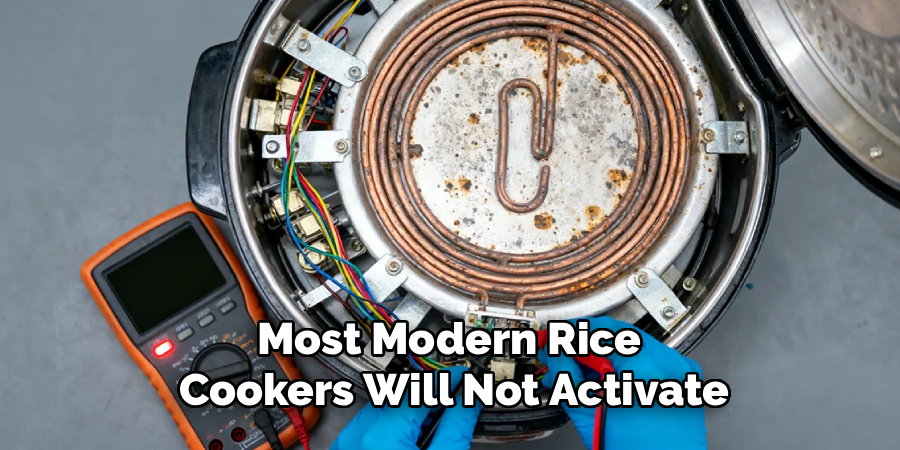
Most modern rice cookers will not activate if the inner pot is misaligned or missing. Ensure the inner pot is seated correctly on the heating plate, with the bottom making proper contact. Dust, crumbs, or food residue can sometimes prevent the pot from sitting flush, triggering a safety lock that disables the power. Cleaning the heating plate and repositioning the pot often resolves this issue, allowing the cooker to turn on normally.
Method 5: Examine the Fuse or Circuit Breaker
Some rice cookers have internal fuses or rely on household circuit breakers. If the appliance suddenly stops working, a blown fuse or tripped breaker could be the cause. Check the breaker panel and reset if necessary. If the rice cooker contains a replaceable fuse, follow the manufacturer’s instructions to inspect and replace it with the correct rating. Electrical components should be handled carefully, ensuring the appliance is unplugged before attempting inspection or replacement.
Method 6: Clean and Inspect the Heating Plate
The heating plate is responsible for conducting heat to the inner pot and may include a temperature sensor. If the plate is dirty, corroded, or obstructed, it may prevent the cooker from activating. Use a soft cloth to clean any residue, spills, or mineral deposits from the plate. Avoid using excessive water or abrasive materials that could damage the sensor. A clean and properly functioning heating plate is essential for electrical connectivity and proper operation.
Method 7: Test the Control Panel or Buttons
Malfunctioning control buttons or a damaged control panel can also prevent a rice cooker from turning on. Press each button firmly and observe if there is any response, such as indicator lights or digital display activity. Sticky buttons may be cleaned carefully with a soft, damp cloth, while electronic issues may require professional repair. In some models, disconnecting the cooker from power and pressing all buttons sequentially can reset minor electronic faults.
Method 8: Examine Internal Wiring Connections
If basic troubleshooting does not resolve the problem, the internal wiring may be loose or damaged. Unplug the cooker and remove the outer casing carefully, following the manufacturer’s safety instructions. Check for disconnected wires, burnt components, or signs of corrosion. Tightening loose connections or replacing damaged wires can often restore functionality. However, this method should only be attempted by individuals familiar with appliance repair, as improper handling of internal electronics can be hazardous.
Method 9: Reset the Cooker’s Electronic Safety Features
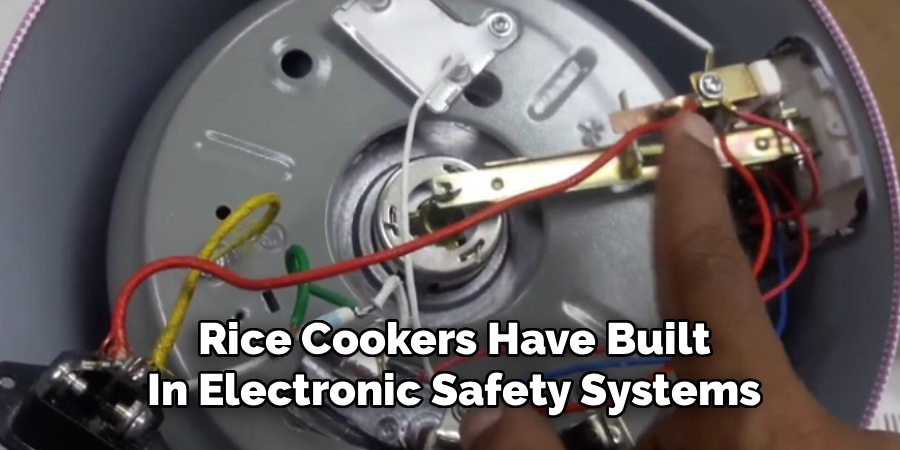
Some modern rice cookers have built-in electronic safety systems that prevent operation after detecting a fault, such as overheating or pressure anomalies. To reset the system, unplug the cooker for several minutes, then plug it back in and attempt to start it. Certain models may have a dedicated reset button or sequence of button presses to clear error codes. Resetting the electronic safety features can often resolve minor faults that prevent the cooker from turning on.
Method 10: Consult Professional Repair or Replacement
If all troubleshooting methods fail, it may indicate a more serious internal malfunction, such as a failed heating element, burned-out circuit board, or defective sensor. In such cases, consulting the manufacturer’s authorized repair service or a qualified appliance technician is recommended. Attempting extensive internal repairs without expertise can be dangerous. In some situations, especially with older or low-cost rice cookers, replacement may be the most practical solution. Professional consultation ensures safety and guarantees proper functioning.
Maintenance and Upkeep
Proper maintenance and regular upkeep can significantly extend the lifespan of your rice cooker and ensure optimal performance. Start by cleaning the inner pot thoroughly after each use to avoid residue buildup that might affect cooking quality. Use a soft sponge and mild detergent to prevent scratching the non-stick surface. Always wipe down the exterior and the inner lid with a damp cloth to remove splatters and debris.
Check for any loose or damaged parts, such as seals or gaskets, and replace them promptly if needed. It’s also a good idea to periodically inspect the heating plate for stains or discoloration, which can interfere with heat transfer. Avoid submerging electrical components in water, and store the appliance in a dry, clean area when not in use. Following these simple measures ensures your rice cooker remains efficient and reliable for years to come.
Safety Considerations
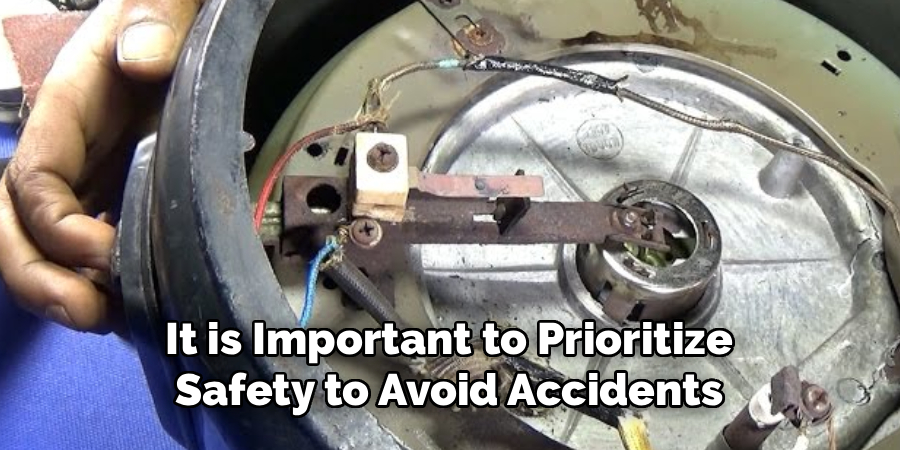
When using your rice cooker, it is important to prioritize safety to avoid accidents and damage. Always ensure the appliance is placed on a stable, heat-resistant surface, and keep it away from the edges to prevent tipping. Avoid overfilling the cooker, as this can cause boiling water to spill and create a hazard.
Never touch the hot surfaces or heating plate with bare hands to avoid burns, and make sure to use the provided handle or utensils. Additionally, inspect the power cord and plug for any signs of wear or damage, and avoid using the rice cooker if any electrical components appear compromised. Lastly, always unplug the appliance when it’s not in use or before cleaning to prevent electrical shocks or malfunctions. Following these precautions ensures a safe and worry-free cooking experience.
Conclusion
In conclusion, fixing a rice cooker that will not turn on involves a systematic approach, starting with basic checks of the power source, cord, and outlet, and progressing through inspection of safety switches, the inner pot, and internal components. Careful cleaning, realignment, and testing of the heating plate and control panel often resolve common issues. For more complex electrical faults, professional repair or replacement is recommended. So, there you have it – a quick and easy guide on how to fix rice cooker not turning on.

About
Diane Lo is a distinguished figure in the world of kitchen innovation and culinary design, with over a decade of expertise creating functional and sustainable kitchen environments. Her professional focus lies in merging ergonomic spatial planning with modern culinary technology, fostering kitchen layouts that are both highly practical and aesthetically refined. As the lead expert at Kitchenub, Diane Lo delves into the art and science of kitchen organization, appliance selection, and workflow efficiency, inspiring home cooks and professional designers alike.
Education
Royal Melbourne Institute of Technology (RMIT University) (Melbourne, Australia) Associate Degree in Interior Design and Spatial Planning Focus on sustainable kitchen layouts, user-centric design, and ergonomic efficiency. Gained hands-on experience in high-traffic commercial kitchen modeling and advanced space-saving architecture.
Nottingham Trent University (United Kingdom) Bachelor’s in Product Design and Culinary Architecture (Honors) Specialized in the intersection of kitchen technology and lifestyle design. Participated in major industry collaborations, working with premium appliance manufacturers and cabinetry firms to gain real-world insights into modern kitchen workflows.
Publications and Impact
At Kitchenub, Diane Lo shares her expert insights on kitchen renovation processes, material durability, and strategies for achieving peak culinary productivity. Her writing effectively bridges the gap between professional culinary needs and home design, making it an essential resource for those looking to transform their kitchen into a highly efficient and welcoming heart of the home.