

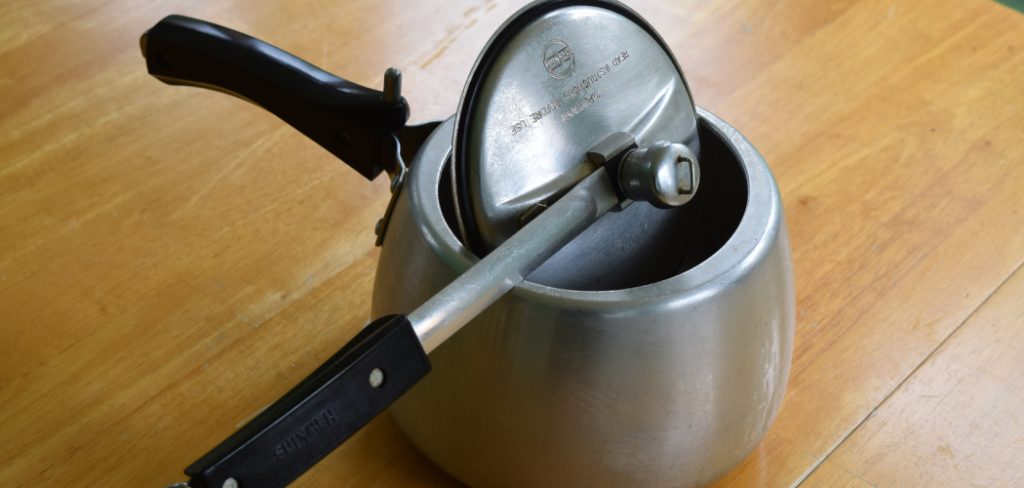
A leaking pressure cooker can be both frustrating and potentially hazardous if not addressed promptly. Identifying and fixing the issue ensures that the cooker operates safely and efficiently, allowing you to prepare meals without unnecessary disruptions. This guide will walk you through the common causes of how to fix a leaking pressure cooker to help you resolve the problem effectively.
Common Issues with Pressure Cooker Leaks
- Worn or Damaged Gasket
The rubber or silicone gasket, located around the lid of the pressure cooker, is designed to create an airtight seal. Over time, gaskets can become cracked, brittle, or misaligned, leading to leaks. Regularly inspect the gasket and replace it if you notice signs of wear or damage. - Improper Lid Placement
Ensuring the lid is locked securely in place is essential for proper pressure build-up. If the lid is not aligned correctly, it may cause steam to escape, resulting in leaks. Always follow the manufacturer’s instructions to secure the lid properly. - Blocked Vent or Valve
The pressure cooker’s vent or safety valve is responsible for releasing excess pressure. If these are clogged with food particles or debris, the pressure cooker may leak. Cleaning the vents and valves regularly can prevent this issue and maintain optimal functionality. - Overfilling the Cooker
Filling the pressure cooker beyond the recommended capacity can lead to leaks. Liquids or food particles can spill into the sealing area or vents, interfering with the cooker’s proper operation. Ensure you adhere to the maximum fill line indicated in your pressure cooker.
By addressing these common issues, you can resolve or prevent leaks in your pressure cooker, ensuring it works safely and effectively.
Types of Pressure Cookers
Pressure cookers come in various types, each designed to cater to different cooking needs and preferences. Understanding the options available can help you choose the right pressure cooker for your kitchen:
- Stovetop Pressure Cookers
Stovetop pressure cookers are the traditional type, requiring a heat source such as a stove to operate. They provide flexibility in adjusting the heat level, allowing for precise control during cooking. These are usually more durable and capable of reaching higher pressure levels compared to electric models. - Electric Pressure Cookers
Electric pressure cookers come with built-in heating elements and digital controls, making them convenient and user-friendly. They often offer multiple cooking functions, such as slow cooking, steaming, and sautéing, in addition to pressure cooking. Popular brands like Instant Pot have made electric pressure cookers a versatile addition to many kitchens. - Multi-Cooker Pressure Cookers
Multi-cookers combine the functionality of a pressure cooker with additional features, such as rice cooking, yogurt making, and more. These are ideal for individuals looking to replace multiple kitchen appliances with a single device. - Locking Lid Pressure Cookers
Some modern stovetop models come with advanced locking lid mechanisms for added safety. These cookers prevent the lid from being opened until the pressure is safely released, reducing the risk of accidents. - Microwave Pressure Cookers
Designed for convenience, microwave pressure cookers are lightweight and compact, specifically created for use in microwaves. While they may not reach the same pressure levels as electric or stovetop models, they are perfect for quick and simple meals.
Choosing the right pressure cooker depends on your cooking habits, available kitchen space, and specific needs, whether you prioritize speed, functionality, or simplicity.
10 Methods How to Fix a Leaking Pressure Cooker
Method 1: Inspect the Rubber Gasket or Sealing Ring
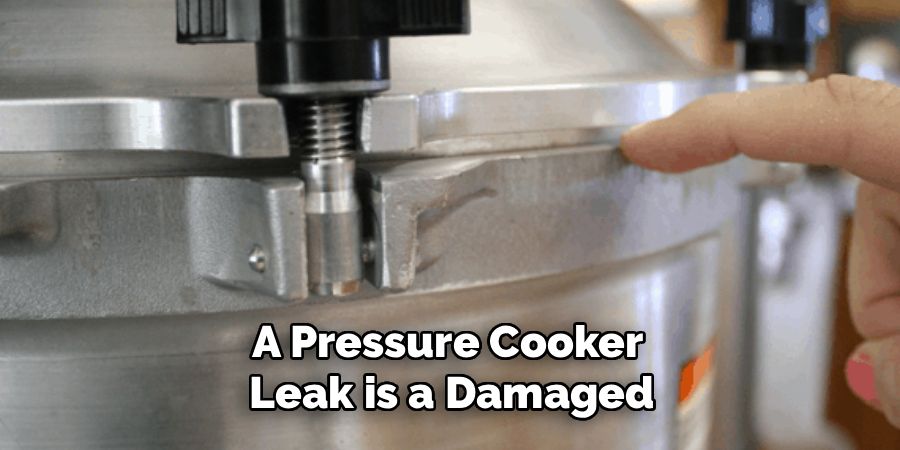
The most common cause of a pressure cooker leak is a damaged, cracked, or worn rubber gasket or sealing ring. This flexible ring sits inside the lid and ensures an airtight seal when the cooker is closed. Remove the gasket and examine it carefully for cracks, tears, or stiffness. If any damage is detected, replace it with a new gasket that is compatible with your specific pressure cooker model. Even if the gasket appears intact, replacing it periodically is recommended, as rubber can degrade over time, causing subtle leaks that reduce pressure efficiency.
Method 2: Clean the Gasket and Seating Area
Sometimes, leaks occur not because of damage, but due to debris or food particles preventing a proper seal. Remove the gasket and wash it thoroughly with warm, soapy water, then rinse and dry completely. Likewise, clean the groove or seating area on the lid where the gasket rests. Even small crumbs or oil residues can create gaps that lead to leaks. Once cleaned, reinstall the gasket carefully, ensuring it fits evenly and snugly. A clean, properly seated gasket is essential for maintaining pressure and preventing leaks.
Method 3: Check the Lid Alignment and Locking Mechanism
A misaligned lid or malfunctioning locking mechanism can cause pressure cookers to leak steam. Ensure that the lid is properly positioned according to the manufacturer’s instructions, typically aligning any arrows or notches. Engage the locking mechanism fully and make sure it clicks or secures the lid in place. If the lid feels loose or does not lock correctly, inspect the locking parts for damage, wear, or obstruction. Adjust or replace the necessary components to restore a secure, airtight seal.
Method 4: Inspect the Pressure Release Valve
The pressure release valve regulates internal pressure by allowing excess steam to escape. A valve that is clogged, dirty, or stuck open can cause continuous leaks. Remove the valve according to the manufacturer’s instructions and clean it thoroughly. Check for blockages caused by food debris or mineral deposits and ensure that the spring mechanism moves freely. After cleaning, reinstall the valve and test the cooker. A properly functioning pressure release valve maintains pressure and prevents leaks safely.
Method 5: Examine the Safety Valve
Pressure cookers are equipped with a safety or secondary valve designed to release excess pressure if the primary valve fails. If this valve is leaking, it may indicate that it is damaged or has accumulated food residue. Carefully inspect the valve for cracks, deformation, or obstructions. Clean it thoroughly and test the spring mechanism. If the safety valve is faulty or damaged, replace it immediately. Never attempt to bypass or disable the safety valve, as it is critical for safe operation.
Method 6: Check the Pot and Lid for Warping or Damage
Leaks can also result from physical damage to the cooker’s pot or lid. Warping from high heat, dents from impact, or corrosion at the sealing edge can prevent the lid from forming a proper seal. Inspect both the pot and the lid visually and by touch for any irregularities. If minor warping exists, it may be corrected by gentle adjustment if the manufacturer allows, but significant damage usually requires professional repair or replacement. Ensuring the lid and pot are perfectly flat and undamaged is essential for leak-free operation.
Method 7: Avoid Overfilling the Cooker
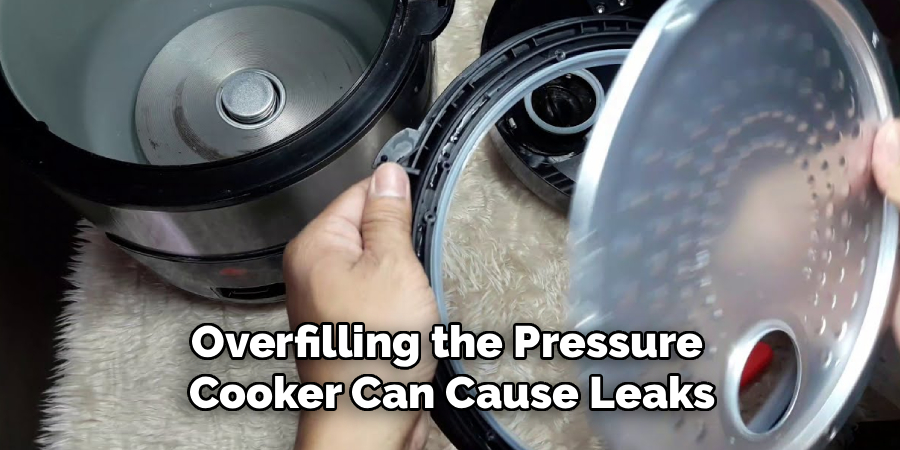
Overfilling the pressure cooker can cause leaks because the contents can press against the gasket or block the pressure release valves. Most pressure cookers have a maximum fill line for liquids and solids. Never exceed this line, as overfilling interferes with the proper sealing of the lid and can force food particles into the gasket or valves. Properly portioning ingredients not only prevents leaks but also ensures even cooking and safe operation.
Method 8: Replace Worn or Damaged Components
If cleaning and inspection reveal that any component—such as the gasket, valve, or locking mechanism—is worn, cracked, or damaged beyond repair, replacement is necessary. Use genuine replacement parts recommended by the manufacturer to ensure compatibility and safety. Attempting to repair a damaged part with makeshift materials or adhesives can lead to dangerous malfunctions. Investing in quality components restores the pressure cooker’s function and prevents future leaks.
Method 9: Test the Cooker After Repairs
After performing repairs or replacements, it is important to test the pressure cooker before using it for cooking. Fill it with a small amount of water, secure the lid, and bring it to pressure over medium heat. Observe for any leaks around the gasket, valves, or lid. If leaks persist, double-check the installation of the gasket, valve alignment, and lid fit. Testing ensures that all repairs are successful and confirms that the cooker is safe to use for actual cooking tasks.
Method 10: Perform Regular Maintenance
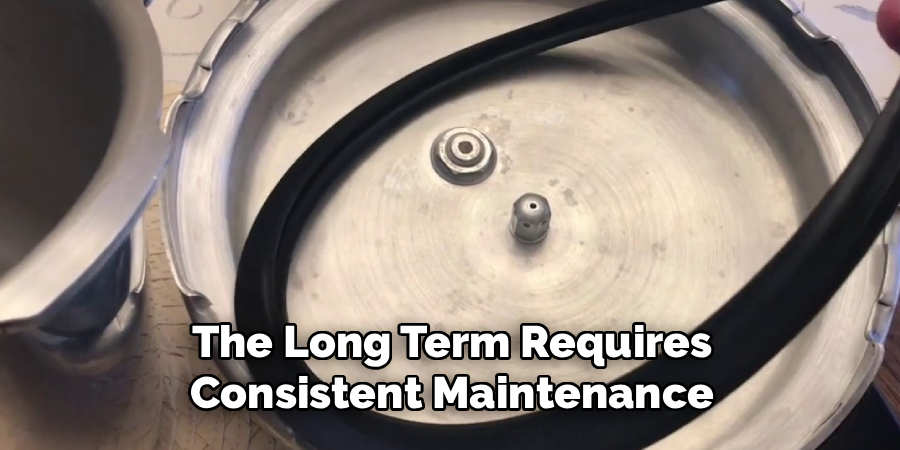
Preventing leaks in the long term requires consistent maintenance. Clean the gasket, valves, and lid after each use, inspect components for wear periodically, and replace parts as recommended by the manufacturer. Avoid using metal utensils that can damage the sealing surfaces, and store the pressure cooker with the lid slightly ajar to prevent the gasket from compressing permanently. Regular maintenance extends the life of the appliance, reduces the risk of leaks, and ensures safe, efficient cooking every time.
Conclusion
In conclusion, fixing a leaking pressure cooker involves careful inspection, cleaning, and replacement of critical components such as the gasket, pressure release valve, and safety valve. Proper lid alignment, avoiding overfilling, and maintaining all parts in good condition are key to preventing future leaks. Hopefully, this article gave you some helpful tips about how to fix a leaking pressure cooker successfully, so now that you have the proper knowledge on how to get the job done, why not give it a try today?

About
Diane Lo is a distinguished figure in the world of kitchen innovation and culinary design, with over a decade of expertise creating functional and sustainable kitchen environments. Her professional focus lies in merging ergonomic spatial planning with modern culinary technology, fostering kitchen layouts that are both highly practical and aesthetically refined. As the lead expert at Kitchenub, Diane Lo delves into the art and science of kitchen organization, appliance selection, and workflow efficiency, inspiring home cooks and professional designers alike.
Education
Royal Melbourne Institute of Technology (RMIT University) (Melbourne, Australia) Associate Degree in Interior Design and Spatial Planning Focus on sustainable kitchen layouts, user-centric design, and ergonomic efficiency. Gained hands-on experience in high-traffic commercial kitchen modeling and advanced space-saving architecture.
Nottingham Trent University (United Kingdom) Bachelor’s in Product Design and Culinary Architecture (Honors) Specialized in the intersection of kitchen technology and lifestyle design. Participated in major industry collaborations, working with premium appliance manufacturers and cabinetry firms to gain real-world insights into modern kitchen workflows.
Publications and Impact
At Kitchenub, Diane Lo shares her expert insights on kitchen renovation processes, material durability, and strategies for achieving peak culinary productivity. Her writing effectively bridges the gap between professional culinary needs and home design, making it an essential resource for those looking to transform their kitchen into a highly efficient and welcoming heart of the home.