

If you love the spicy kick of jalapenos and find yourself with an abundance from your garden or the grocery store, dehydrating them is a fantastic way to preserve their flavor for months to come. Dried jalapenos can be rehydrated for recipes, crushed into spicy flakes for topping pizzas, or ground into a powder to create custom seasoning blends. While traditional dehydrators or ovens work, your air fryer is a surprisingly efficient tool for the job. This guide will show you exactly how to dehydrate jalapenos in air fryer, transforming your fresh peppers into a versatile pantry staple with minimal effort and time. It’s a simple process perfect for any beginner.
Start by washing the jalapenos thoroughly under cold water to remove any dirt or residue. Once clean, dry them completely using a paper towel or kitchen cloth. Next, slice the jalapenos into uniform pieces—thin slices work best for even dehydration. If you prefer less heat, consider removing the seeds and membranes, as these contain most of the pepper’s spiciness. Prepare your air fryer by setting it to the lowest temperature setting, typically around 120-140°F, to ensure a slow and even drying process. Arrange the sliced jalapenos in a single layer on the air fryer tray, making sure they don’t overlap to allow proper airflow.
Tools and Ingredients Needed
- Fresh jalapeños
- Air fryer with adjustable temperature (preferably with dehydrate mode)
- Knife and cutting board
- Gloves (optional but recommended)
- Parchment paper or rack (if needed)
Step-by-Step Guide on How to Dehydrate Jalapenos in Air Fryer
Step 1: Select and Wash Your Jalapenos
The quality of your dried peppers starts with the fresh jalapenos you choose. Look for firm, glossy peppers without any soft spots, blemishes, or signs of wrinkling. A vibrant green color indicates freshness. Once you have your peppers, wash them thoroughly under cool running water to remove any dirt or residues from the surface. After washing, it’s crucial to dry them completely with a clean kitchen towel or paper towels. Starting with dry peppers will help the dehydrating process be more efficient, as there is less surface moisture for the air fryer to evaporate before it starts removing moisture from the inside.
Step 2: Put on Gloves and Prepare Your Workspace
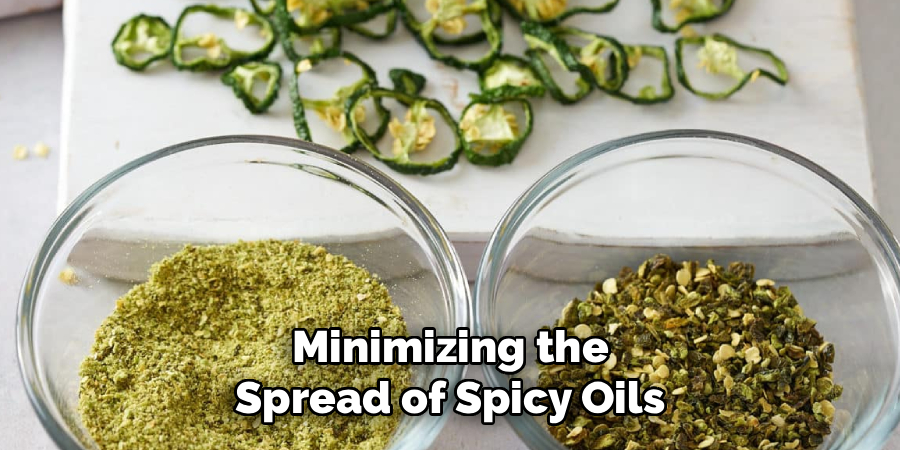
Before you start cutting, it is highly recommended that you put on a pair of disposable gloves. Jalapenos contain capsaicin, the compound that gives them their heat. This oil can easily transfer to your skin and cause a painful burning sensation, especially if you later touch your eyes or face. Working in a well-ventilated area is also a good idea, as the capsaicin can become airborne and irritate your eyes and throat. Having your cutting board, a sharp knife, and a bowl for the pepper slices ready will make the preparation process smooth and contained, minimizing the spread of spicy oils.
Step 3: Slice the Jalapenos Evenly
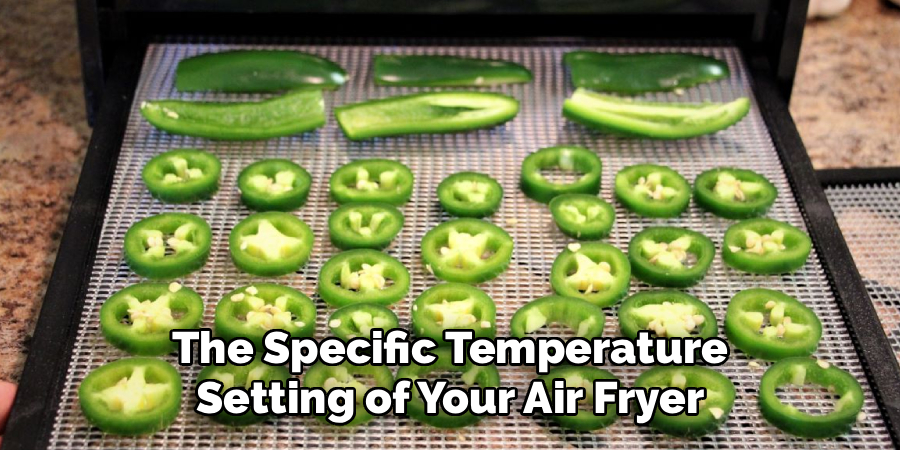
Uniformity is key to even dehydration. Using a sharp knife, carefully slice the jalapenos into rings that are about 1/8 to 1/4 inch thick. Consistent thickness ensures that all the pepper slices will dry at the same rate. You can choose to leave the seeds and membranes in for maximum heat, or you can remove them for a milder result. To remove them, simply slice the stem off, cut the jalapeno in half lengthwise, and use a small spoon to scrape out the seeds and white pith before slicing. Thinner slices will dehydrate faster than thicker ones.
Step 4: Arrange the Slices in the Air Fryer Basket
Take your prepared jalapeno slices and arrange them in the air fryer basket in a single, even layer. It is crucial that you do not overcrowd the basket. Proper air circulation is the secret to dehydration, and if the slices are piled on top of each other, the hot air cannot reach every surface. This will result in unevenly dried peppers, with some becoming brittle while others remain soft. If you have a large batch of jalapenos, it is much better to dehydrate them in several smaller batches than to try and fit them all in at once.
Step 5: Dehydrating Process
Most air fryers have a “Dehydrate” setting, which is typically set to a low temperature. If your model has this feature, select it. If not, you will need to set the temperature manually to the lowest possible setting, usually between 175°F and 200°F (80°C to 93°C). High heat will cook or burn the peppers rather than slowly drying them out. Set the initial cooking time for about 2 to 3 hours. The total time will vary depending on your air fryer model, the thickness of your slices, and the humidity in your kitchen.
Step 6: Signs They’re Done
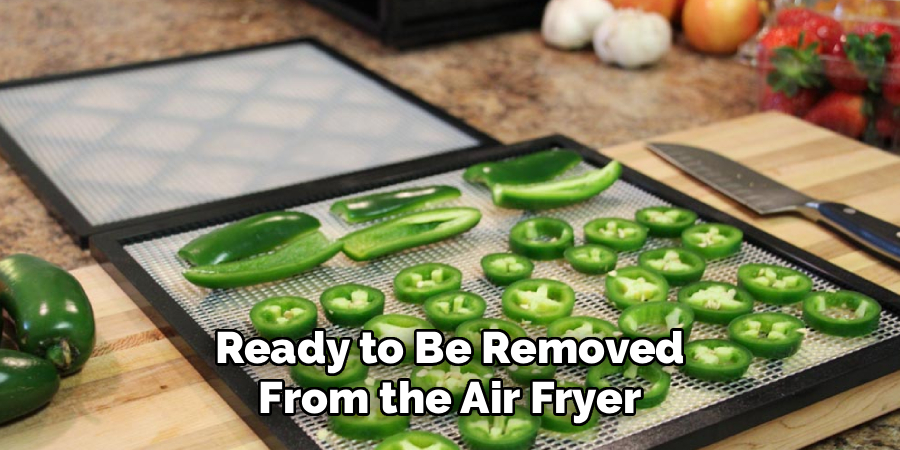
Once the initial cooking time has passed, you will need to check on your peppers periodically. There are a few signs that indicate they are done and ready to be removed from the air fryer:
- The peppers are significantly reduced in size and have shriveled up.
- They appear dry and crisp when touched.
- The edges of the peppers may start to become slightly dark or charred, but this is normal and adds flavor.
If your peppers meet these criteria, then they are ready to be removed from the air fryer. However, if they still seem moist or plump, then you will need to continue cooking them for another 30 minutes or so before checking again.
Step 7: Continue Dehydrating Until Brittle
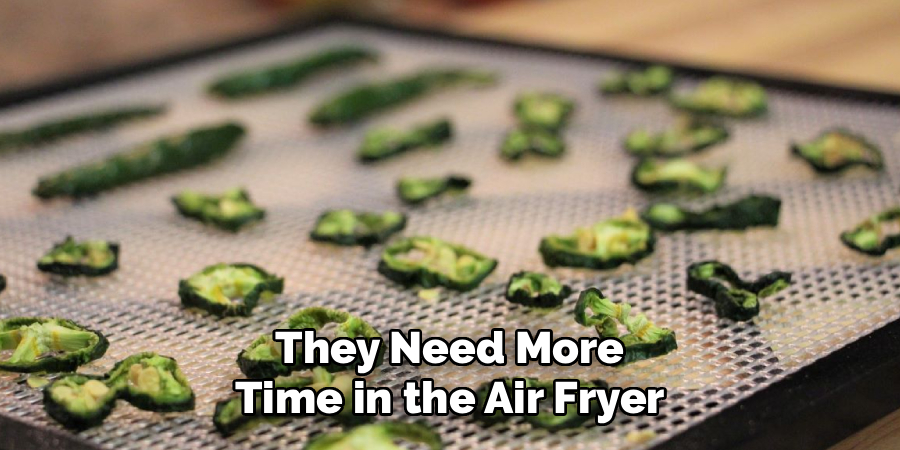
After the initial check, continue to dehydrate the jalapenos, checking on them every 30 to 45 minutes. The total process can take anywhere from 3 to 6 hours. You’ll know they are fully dehydrated when they are completely dry and brittle. They should snap easily when you try to bend them. If a slice has any flexibility or feels soft, it still contains moisture and needs more time. It is better to err on the side of over-drying than under-drying, as any remaining moisture can lead to mold during storage.
Step 8: Cool and Condition the Dried Jalapenos
Once the jalapeno slices are perfectly brittle, turn off the air fryer and let them cool completely in the basket. They will become even crispier as they cool down. After they have reached room temperature, it’s a good idea to “condition” them. Place the dried peppers in an airtight glass jar, filling it about two-thirds full. Seal the jar and let it sit for a few days, shaking it once a day. This process redistributes any minor residual moisture evenly among the peppers, further reducing the risk of mold. If you see any condensation form inside the jar, they need more time in the air fryer.
Step 9: Store or Grind Your Dehydrated Peppers
After conditioning, your dried jalapenos are ready for storage. Keep them in a sealed, airtight container in a cool, dark place like a pantry or cupboard. They can be stored whole and rehydrated as needed, or you can process them further. For spicy jalapeno flakes, simply crush them by hand or pulse them a few times in a spice grinder or food processor. For a fine jalapeno powder, grind them until they reach your desired consistency. This homemade powder is a fantastic addition to rubs, sauces, and seasonings.
Frequently Asked Questions
How Long Does It Take to Dehydrate Jalapenos in an Air Fryer?
The time can vary significantly based on several factors, but it generally takes between 3 and 6 hours. The exact duration depends on the thickness of your pepper slices, the specific temperature setting of your air fryer, and the ambient humidity. Thinner slices will dry much faster. It’s best to start checking for doneness after about 2 hours and then check every 30-45 minutes until they are completely brittle.
What Is the Best Temperature for Dehydrating in an Air Fryer?
The ideal temperature for dehydrating is low and slow. If your air fryer has a dedicated “Dehydrate” function, that is the best setting to use. If not, set your air fryer to its lowest possible temperature, which is typically between 175°F and 200°F (around 80°C to 93°C). Using a temperature that is too high will roast or burn the peppers instead of properly drying them out.
Do I Need to Wear Gloves When Slicing Jalapenos?
Yes, it is highly recommended. Jalapenos contain capsaicin oil, which can cause a painful burning sensation on your skin, a condition often called “jalapeno hands.” This oil can be very difficult to wash off and can cause severe pain if you touch your eyes or other sensitive areas. Wearing disposable gloves provides a simple and effective barrier, making the preparation process much safer and more comfortable.
How Do I Know When the Jalapenos Are Fully Dehydrated?
You can tell the jalapenos are done when they are completely dry and brittle. When you try to bend a slice, it should snap cleanly in two rather than bend. If there is any pliability or softness, it means there is still moisture inside, and the peppers need more time in the air fryer. Even a small amount of remaining moisture can lead to mold during storage.
How Should I Store My Dried Jalapenos?
Proper storage is key to a long shelf life. Once the peppers are fully cooled and conditioned, store them in an airtight container, such as a glass jar with a tight-fitting lid. Keep the container in a cool, dark, and dry place like a pantry or spice cabinet. When stored correctly, your dehydrated jalapenos—whether whole, flaked, or powdered—can last for a year or even longer.
Conclusion
Dehydrating jalapenos is an incredibly simple and rewarding process that extends the life of your peppers and provides you with a versatile, spicy ingredient for your pantry. Your air fryer, with its powerful fan and compact space, proves to be an excellent tool for the job, offering a faster alternative to other methods. The key to success is low heat, even slicing, and ensuring the peppers are completely brittle before storage. Now that you have learned how to dehydrate jalapenos in air fryer, you are ready to preserve your harvest and add a punch of homemade heat to your favorite dishes all year long.

About
Diane Lo is a distinguished figure in the world of kitchen innovation and culinary design, with over a decade of expertise creating functional and sustainable kitchen environments. Her professional focus lies in merging ergonomic spatial planning with modern culinary technology, fostering kitchen layouts that are both highly practical and aesthetically refined. As the lead expert at Kitchenub, Diane Lo delves into the art and science of kitchen organization, appliance selection, and workflow efficiency, inspiring home cooks and professional designers alike.
Education
Royal Melbourne Institute of Technology (RMIT University) (Melbourne, Australia) Associate Degree in Interior Design and Spatial Planning Focus on sustainable kitchen layouts, user-centric design, and ergonomic efficiency. Gained hands-on experience in high-traffic commercial kitchen modeling and advanced space-saving architecture.
Nottingham Trent University (United Kingdom) Bachelor’s in Product Design and Culinary Architecture (Honors) Specialized in the intersection of kitchen technology and lifestyle design. Participated in major industry collaborations, working with premium appliance manufacturers and cabinetry firms to gain real-world insights into modern kitchen workflows.
Publications and Impact
At Kitchenub, Diane Lo shares her expert insights on kitchen renovation processes, material durability, and strategies for achieving peak culinary productivity. Her writing effectively bridges the gap between professional culinary needs and home design, making it an essential resource for those looking to transform their kitchen into a highly efficient and welcoming heart of the home.