

Defrosting tortillas in the microwave is a quick and convenient way to prepare them for your meals. Whether you’re planning to whip up tacos, burritos, or quesadillas, having perfectly thawed tortillas can make all the difference. In this blog post, we’ll walk you through the steps on how to defrost tortillas in microwave so that you can get back to using it in no time! So grab your tools, and let’s get started!
Can You Microwave Frozen Tortillas?
Yes, you can microwave frozen tortillas, and it’s one of the easiest ways to defrost them. Microwaving is fast, efficient, and retains the texture and flavor of the tortillas when done correctly. .
However, it’s important to follow the right steps to avoid overheating or drying them out. By using a microwave-safe plate and covering the tortillas with a damp paper towel, you can ensure they stay soft and pliable. This approach works well for both flour and corn tortillas, making it a versatile solution for your meal prep needs.
Things You’ll Need
- Microwave-safe plate
- Damp paper towels
- Plastic wrap or a microwave cover (optional)
- Pack of tortillas (flour or corn)
10 Methods How to Defrost Tortillas in Microwave
1. Use a Damp Paper Towel to Wrap the Tortillas
One of the most effective ways to defrost tortillas in the microwave is by wrapping them in a slightly damp paper towel. This method traps steam during the heating process, which helps rehydrate the tortillas and prevent them from becoming stiff or cracked. Simply place a small stack of frozen tortillas—no more than five at a time—on a microwave-safe plate. Dampen a paper towel with clean water, wring out the excess moisture, and wrap it around the stack. Microwave on medium power for 30–45 seconds, checking after the initial burst to ensure they’re thawing evenly. If needed, flip the stack and heat for another 15 seconds.
2. Defrost Single Tortillas One at a Time
If you’re only thawing one tortilla or prefer extra precision, defrosting them one by one ensures even heating. Place a single frozen tortilla on a microwave-safe plate and cover it with a damp paper towel. Microwave on low or defrost setting for about 15–20 seconds. Check the flexibility by gently bending the tortilla; if it’s still rigid, microwave for another 5–10 seconds. This method is ideal when you need to warm just one tortilla for a quick snack or taco.
3. Use the Microwave’s Defrost Setting
Many microwaves have a built-in defrost function, usually based on weight or time. For tortillas, set the weight to around 0.5 pounds for small batches. Place the frozen tortillas on a plate and let the microwave run on the defrost setting. This function cycles the microwave power at lower intensity, which helps prevent overheating and avoids cooking the edges. Check frequently during the process to ensure they don’t become rubbery or dry.
4. Stack and Flip Method for Larger Batches
When defrosting a larger stack of tortillas—around 10 to 15—it’s important to heat them in intervals while flipping the stack to ensure uniform defrosting. Start by placing the stack on a plate with a damp paper towel between every few layers. Cover the entire stack with another damp towel. Microwave on medium power for 1 minute. After the first cycle, flip the entire stack upside down and microwave for another 30–45 seconds. This method works well for prepping multiple tortillas for family meals or meal prep.
5. Use a Microwave-Safe Tortilla Warmer
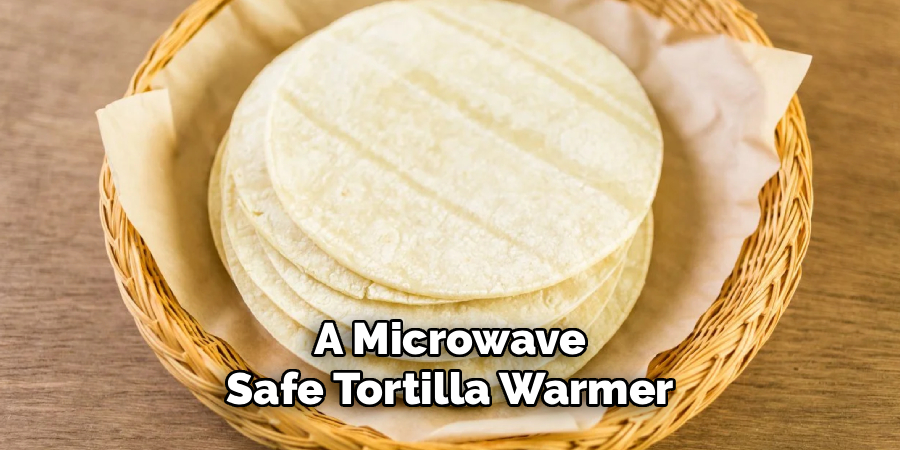
A microwave-safe tortilla warmer—usually made of fabric or plastic—helps trap steam and heat evenly, mimicking a traditional cloth wrap. Place the frozen tortillas inside the warmer, and microwave for about 30–60 seconds, depending on the quantity. These warmers are designed to maintain warmth for longer, so your tortillas remain soft after defrosting. It’s a hands-free and effective tool, especially for regular tortilla users.
6. Rotate and Rearrange Midway Through Heating
Microwave ovens often have hot spots, which can cause some tortillas to overheat while others remain cold. To ensure all tortillas defrost evenly, pause the microwave halfway through the process and rotate the plate. If defrosting a stack, consider rearranging the tortillas by swapping the inner ones with those on the outside. This small step ensures consistency and avoids uneven texture.
7. Use a Microwave-Safe Lid or Cover
Instead of using a paper towel, you can use a microwave-safe plastic cover or plate lid to trap moisture and prevent the tortillas from drying out. Place the frozen tortillas on a plate, cover them with the lid, and microwave for 30–60 seconds. This method creates a mini steaming environment, keeping the tortillas moist and pliable. Be sure not to use airtight containers, as pressure buildup may cause damage or uneven results.
8. Spray with Water Lightly Before Heating
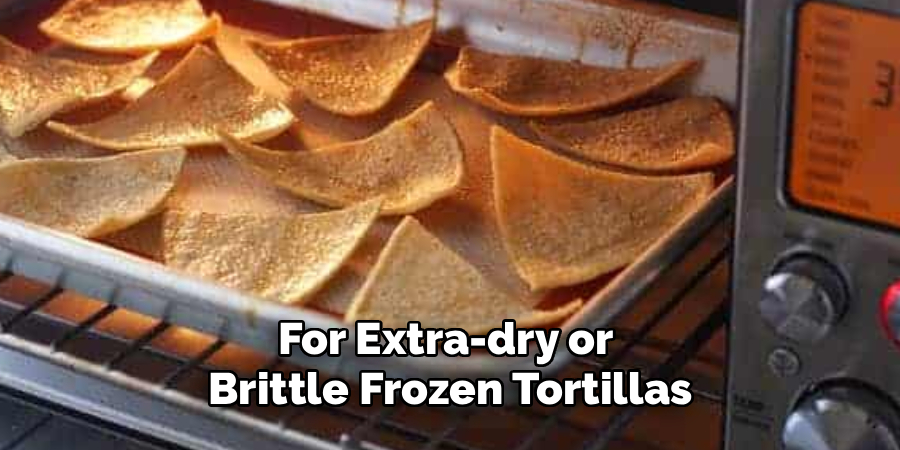
For extra-dry or brittle frozen tortillas, especially corn tortillas, spritzing a small amount of water on each tortilla before microwaving helps significantly. Use a spray bottle to mist the surface lightly, or flick a few drops with your fingers. Then wrap the tortillas in a paper towel or microwave-safe cloth and heat for 20–30 seconds. The water vapor rehydrates the tortillas and restores flexibility, ideal for older frozen batches.
9. Layer Between Wax Paper for Easy Separation
Sometimes frozen tortillas stick together, making them difficult to separate without breaking. To make defrosting smoother, layer each tortilla with a piece of wax paper before freezing—if not already done. When you’re ready to defrost, microwave the entire bundle with the wax paper in place. Heat on medium for 45 seconds, then gently peel them apart. Continue microwaving in 10-second intervals if they’re still stuck. This technique avoids tearing and keeps tortillas in perfect shape.
10. Follow Up with Brief Pan Heating for Best Texture
While the microwave defrosts tortillas quickly, it may not always deliver the best texture. For a more authentic, warm, and slightly toasted result, follow up microwave defrosting with a quick sear in a skillet or comal. After microwaving, place the tortilla in a preheated dry pan for 10–15 seconds per side. This not only removes excess moisture from the microwave process but also enhances flavor and elasticity, especially for tacos or burritos.
Maintenance and Upkeep
To ensure your tortillas remain fresh and easy to work with, proper storage is key. Keep unused tortillas in their original packaging and refrigerate them to maintain quality and prevent mold growth. For longer storage, consider freezing tortillas in airtight freezer bags to lock in freshness.
When reheating frozen tortillas, defrost them properly to avoid breaking or cracking. Additionally, always check the expiration date and regularly inspect for changes in texture or smell, as these could indicate spoilage. By taking these simple steps, you can maximize the shelf life and usability of your tortillas, ensuring they are ready whenever you need them.
Troubleshooting Common Issues
Even with proper care, you may encounter some common issues with tortillas. If your tortillas are sticking together, try separating them gently using a spatula or your hands to prevent tearing.
For overly dry tortillas, lightly spritz them with water and warm them in a skillet or microwave, covering them with a damp paper towel to restore pliability. If tortillas develop an unusual texture or smell, it may indicate spoilage, and they should be discarded to ensure safety. By identifying and addressing these issues early, you can maintain the quality and versatility of your tortillas.
Safety Considerations
When handling tortillas, it is essential to prioritize food safety to prevent contamination and spoilage. Always store tortillas in their original packaging or an airtight container to maintain freshness and reduce exposure to bacteria or moisture. If tortillas come into contact with raw meats or unwashed hands, they should not be consumed without thorough reheating, as this can eliminate potential harmful bacteria.
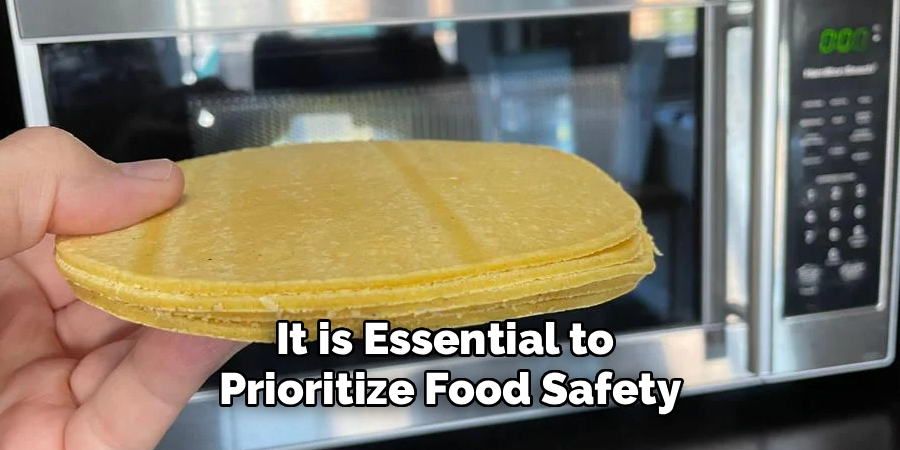
Additionally, always check expiration dates and inspect tortillas for signs of mold, discoloration, or off-putting odors before use. Practicing proper storage and food handling techniques ensures that tortillas remain safe and enjoyable for consumption.
Conclusion
Defrosting tortillas in the microwave is a fast and practical method, but it requires attention to detail to achieve the best texture and avoid dryness or sogginess. From using damp paper towels and rotating the stack to layering with wax paper and finishing on a skillet, these ten methods ensure that your tortillas remain soft, warm, and ready to serve.
Thanks for reading our blog post on how to defrost tortillas in microwave! We hope you found it helpful and informative. Now that you know how to defrost tortillas in microwave. While it does take a few steps each time, hopefully now you understand the process and why it’s worth taking the extra step to make sure your floor is properly cared for. So don’t wait any longer, take action today!

About
Diane Lo is a distinguished figure in the world of kitchen innovation and culinary design, with over a decade of expertise creating functional and sustainable kitchen environments. Her professional focus lies in merging ergonomic spatial planning with modern culinary technology, fostering kitchen layouts that are both highly practical and aesthetically refined. As the lead expert at Kitchenub, Diane Lo delves into the art and science of kitchen organization, appliance selection, and workflow efficiency, inspiring home cooks and professional designers alike.
Education
Royal Melbourne Institute of Technology (RMIT University) (Melbourne, Australia) Associate Degree in Interior Design and Spatial Planning Focus on sustainable kitchen layouts, user-centric design, and ergonomic efficiency. Gained hands-on experience in high-traffic commercial kitchen modeling and advanced space-saving architecture.
Nottingham Trent University (United Kingdom) Bachelor’s in Product Design and Culinary Architecture (Honors) Specialized in the intersection of kitchen technology and lifestyle design. Participated in major industry collaborations, working with premium appliance manufacturers and cabinetry firms to gain real-world insights into modern kitchen workflows.
Publications and Impact
At Kitchenub, Diane Lo shares her expert insights on kitchen renovation processes, material durability, and strategies for achieving peak culinary productivity. Her writing effectively bridges the gap between professional culinary needs and home design, making it an essential resource for those looking to transform their kitchen into a highly efficient and welcoming heart of the home.