

Keeping your Midea dishwasher clean is essential for maintaining its performance and ensuring your dishes come out spotless after every cycle. Regular cleaning helps prevent build-up of food particles, grease, and hard water residue, which can affect the machine’s efficiency over time. With just a few simple steps, you can keep your dishwasher running smoothly and prolong its lifespan.
Learn how to clean Midea dishwasher with our simple, step-by-step guide. Remove odors, buildup, and keep your appliance running efficiently.
Why You Should Clean Your Midea Dishwasher
Your Midea dishwasher is a kitchen workhorse, saving you from the daily chore of hand-washing dishes. But over time, food particles, grease, and mineral deposits from hard water can build up inside. This can lead to unpleasant odors, reduced cleaning performance, and even potential damage to the appliance. If you’ve noticed your dishes aren’t as sparkling as they used to be, it’s a clear sign that your machine is due for a deep clean. Learning how to clean Midea dishwasher models is a simple but essential maintenance task that restores efficiency, eliminates grime, and ensures your appliance has a long, productive life.
How to Clean Midea Dishwasher: A Step-by-Step Guide
Step 1: Gather Your Cleaning Supplies and Empty the Dishwasher
Before beginning the cleaning process, make sure the dishwasher is completely empty. Remove all dishes, cutlery, and any large food debris that may be sitting at the bottom. This ensures every nook and cranny is accessible for a thorough cleaning. You will need a few simple supplies: white vinegar, baking soda, a soft cloth or sponge, and an old toothbrush or small brush for tackling tight spots. Having everything ready will streamline the process and make your cleaning session much more efficient. This preparation is the first and most important step toward restoring your dishwasher’s performance and freshness.
Step 2: Remove and Clean the Dishwasher Filter
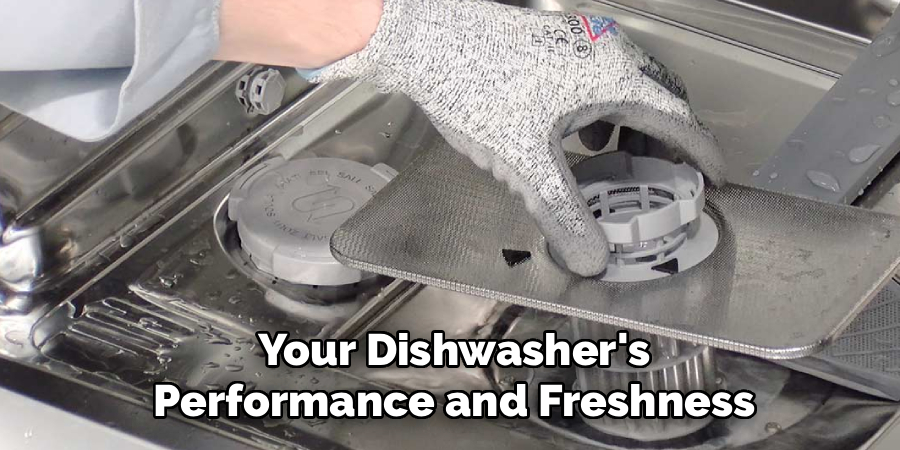
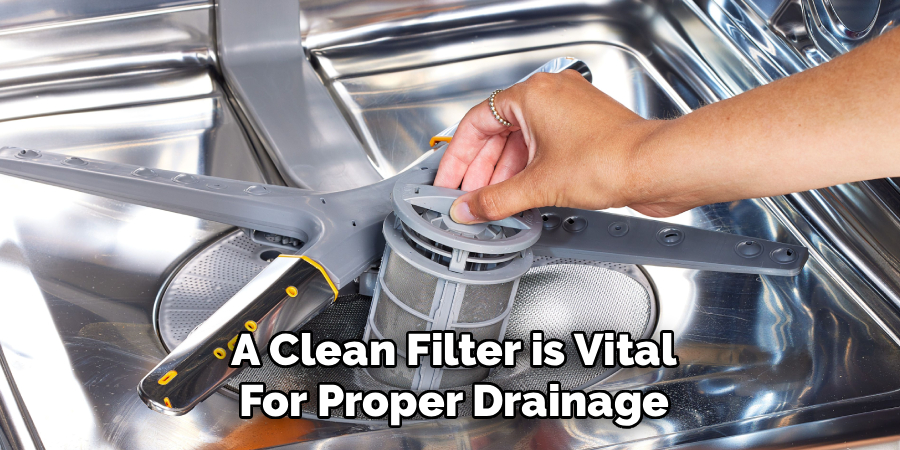
The filter is your dishwasher’s first line of defense against clogs, trapping food particles and preventing them from redepositing onto your clean dishes. On most Midea dishwashers, the filter is located at the bottom of the tub. To remove it, twist the cylindrical filter assembly counter-clockwise and lift it out. It often consists of a fine mesh screen and a larger coarse filter. Separate the pieces and wash them thoroughly in your kitchen sink with warm, soapy water. Use a soft brush to gently scrub away any stubborn gunk. A clean filter is vital for proper drainage and cleaning power.
Step 3: Wash the Spray Arms
The spray arms are responsible for distributing water throughout the wash cycle. Over time, the small holes, or nozzles, can become clogged with mineral deposits and tiny food particles, which severely impacts cleaning performance. Carefully remove both the upper and lower spray arms according to your Midea owner’s manual; they usually unclip or unscrew. Inspect the nozzles for blockages. Use a toothpick, a paperclip, or a pair of pliers to gently clear any debris from the holes. Afterwards, rinse the arms under running water to flush out any remaining particles before securely reattaching them inside the dishwasher.
Step 4: Wipe Down the Interior Walls and Door Seal
Even with regular use, the interior walls and the rubber door gasket can accumulate grime and mildew. Dampen a soft cloth or sponge with warm, soapy water or a solution of equal parts water and white vinegar. Thoroughly wipe down the inside walls of the dishwasher, paying close attention to the corners and edges where buildup is common. The rubber seal around the door is a prime spot for mold growth, so carefully clean within its folds. An old toothbrush can be very effective for getting into the tight crevices of the gasket to scrub away any hidden residue.
Step 5: Clean the Utensil Holder and Racks
The racks and utensil holder also deserve attention. While they are cleaned during a normal wash cycle, stuck-on food and grease can remain. If possible, remove the utensil holder and the racks from the dishwasher. You can wash them in your sink with a brush and hot, soapy water to dislodge any persistent food bits. Inspect the wheels and tracks of the racks for any trapped debris that might be hindering their smooth movement. A quick scrub can make a big difference in the overall cleanliness and functionality of your dishwasher’s interior components.
Step 6: Run a Vinegar Cycle
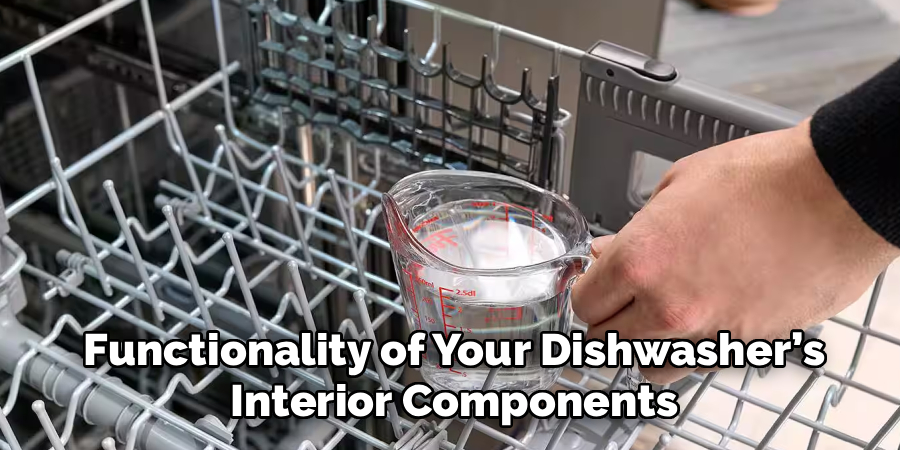
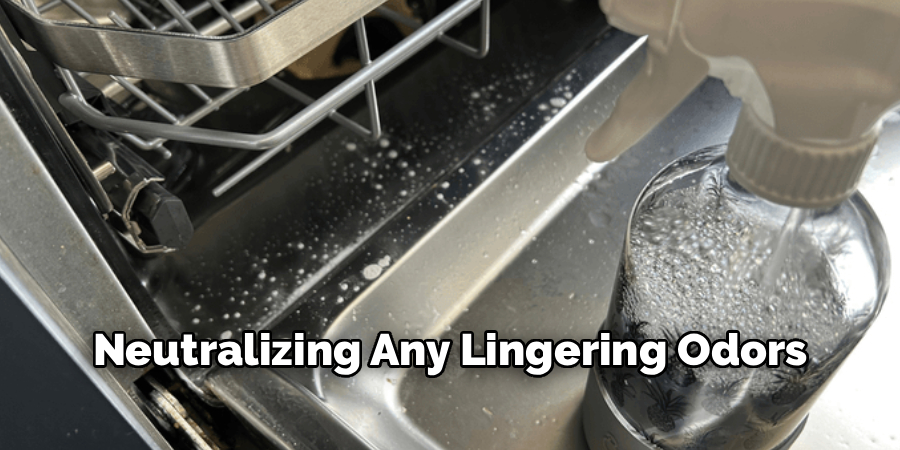
White vinegar is a fantastic natural cleaner and descaler. After you have reassembled the filter and spray arms, you can proceed with this step. Place a dishwasher-safe bowl or cup filled with one to two cups of white vinegar on the top rack of the empty dishwasher. Do not add any detergent. Run a full wash cycle using the hottest water setting available on your Midea model. The vinegar will circulate throughout the machine, breaking down grease, sanitizing the interior, loosening mineral deposits, and neutralizing any lingering odors, leaving the inside smelling fresh and looking shinier.
Step 7: Run a Baking Soda Cycle for Final Freshening
For the final touch, you will use baking soda to deodorize and remove any remaining stains or musty smells. After the vinegar cycle is complete, sprinkle about one cup of baking soda across the bottom of the dishwasher tub. Let the baking soda sit for a few hours if possible, or even overnight for maximum odor absorption. Then, run another short, hot water cycle. The baking soda acts as a gentle abrasive to scrub away any leftover grime and will completely neutralize any residual vinegar smell, leaving your Midea dishwasher exceptionally fresh and ready for its next load of dishes.
Step 8: Clean the Exterior Surfaces
The final step is to make the outside of your appliance match the sparkling clean interior. Use a soft, damp cloth and a mild, non-abrasive cleaner to wipe down the exterior door panel and the control panel. For stainless steel models, use a cleaner specifically designed for stainless steel and wipe in the direction of the grain to avoid streaks and scratches. Don’t forget to wipe down the handle and the edges of the door. This last step completes the process, ensuring your Midea dishwasher looks as good on the outside as it runs on the inside.
Frequently Asked Questions
How Often Should I Clean My Midea Dishwasher?
For best performance, it’s recommended to perform a deep clean every one to three months. However, the frequency can depend on your usage and water hardness. If you have very hard water, you may need to clean it monthly to prevent limescale buildup. A good habit is to clean the filter weekly or bi-weekly, as this simple step can significantly improve performance and extend the time between deep cleanings.
Can I Use Bleach to Clean My Dishwasher?
It is generally not recommended to use bleach, especially if your dishwasher has a stainless steel interior or stainless steel components. Bleach is a harsh chemical that can cause corrosion and damage to the stainless steel over time. Natural cleaners like white vinegar and baking soda are safer and very effective alternatives for sanitizing, deodorizing, and removing buildup without risking damage to your appliance.
What Causes the Bad Smell in My Dishwasher?
The most common cause of unpleasant odors in a dishwasher is a dirty filter. Trapped food particles begin to decay, creating a foul smell that can even transfer to your dishes. Other causes include buildup of grease and grime in the spray arms, door seal, or drain hose. Regular cleaning of these components is the best way to prevent and eliminate bad odors from developing in your machine.
Is It Safe to Use Commercial Dishwasher Cleaners?
Yes, commercial dishwasher cleaners are specifically formulated to be safe and effective for cleaning the internal components of your appliance. They are excellent at removing tough limescale, mineral deposits, and grease buildup. When using a commercial product, always follow the manufacturer’s instructions on the packaging for the best and safest results. Many users alternate between commercial cleaners and natural methods like vinegar.
Why Are My Dishes Still Wet After a Cycle?
If your dishes are consistently wet, it could be a sign of a few issues. First, ensure you are using a rinse aid, as Midea dishwashers rely on it to help water sheet off dishes for better drying. A clogged spray arm or a dirty filter can also impair water circulation and heating, leading to poor drying performance. Finally, a malfunctioning heating element or thermostat could be the culprit, which may require professional service.
Conclusion
Keeping your Midea dishwasher clean is the secret to ensuring it runs efficiently and leaves your dishes spotless for years to come. By regularly cleaning the filter, spray arms, and interior, and by running periodic sanitizing cycles with vinegar and baking soda, you can easily prevent odors, limescale, and grime. This guide provides a straightforward approach that anyone can follow. Now that you know how to clean Midea dishwasher models, you have the power to maintain your appliance’s peak performance and enjoy the convenience it brings to your kitchen.

About
Diane Lo is a distinguished figure in the world of kitchen innovation and culinary design, with over a decade of expertise creating functional and sustainable kitchen environments. Her professional focus lies in merging ergonomic spatial planning with modern culinary technology, fostering kitchen layouts that are both highly practical and aesthetically refined. As the lead expert at Kitchenub, Diane Lo delves into the art and science of kitchen organization, appliance selection, and workflow efficiency, inspiring home cooks and professional designers alike.
Education
Royal Melbourne Institute of Technology (RMIT University) (Melbourne, Australia) Associate Degree in Interior Design and Spatial Planning Focus on sustainable kitchen layouts, user-centric design, and ergonomic efficiency. Gained hands-on experience in high-traffic commercial kitchen modeling and advanced space-saving architecture.
Nottingham Trent University (United Kingdom) Bachelor’s in Product Design and Culinary Architecture (Honors) Specialized in the intersection of kitchen technology and lifestyle design. Participated in major industry collaborations, working with premium appliance manufacturers and cabinetry firms to gain real-world insights into modern kitchen workflows.
Publications and Impact
At Kitchenub, Diane Lo shares her expert insights on kitchen renovation processes, material durability, and strategies for achieving peak culinary productivity. Her writing effectively bridges the gap between professional culinary needs and home design, making it an essential resource for those looking to transform their kitchen into a highly efficient and welcoming heart of the home.