

Cleaning your Instant Vortex Air Fryer regularly is essential for maintaining its performance and extending its lifespan. A clean air fryer also helps prevent food contamination and unpleasant odors, ensuring that every meal you prepare is safe and tasty.
While the process might seem daunting at first, following the right guidelines can make the task simple and quick. In this guide, you’ll find easy-to-follow steps, practical tips, and answers to common cleaning questions on how to clean instant vortex air fryer, so you can keep your Instant Vortex Air Fryer in top shape with minimal effort.
Tools and Materials You’ll Need
- Mild Dish Soap
- Soft Sponge or Non-abrasive Cloth
- Soft-bristle Brush or Old Toothbrush
- Microfiber Towel or Paper Towels
- Toothpicks or Small Brushes for Tight Spots
- Warm Water
- Baking Soda (Optional for Stubborn Stains)
- Drying Rack or Clean Cloth
8 Simple Step-By-Step Guidelines on How to Clean Instant Vortex Air Fryer
Step 1: Unplug and Cool Down
Safety always comes first when dealing with electrical appliances. Make sure your air fryer is unplugged from the power source and completely cooled down before starting any cleaning process.
Touching the unit while it’s hot may lead to burns. Allow it to cool for at least 30 minutes after use, giving internal parts time to reach room temperature. This also makes cleaning easier, as food residue is less likely to cause burns during removal.
Step 2: Disassemble Removable Parts
Begin by carefully removing the basket, tray, and any other detachable components from the air fryer. Check your manual for guidance if you’re unsure about any parts.
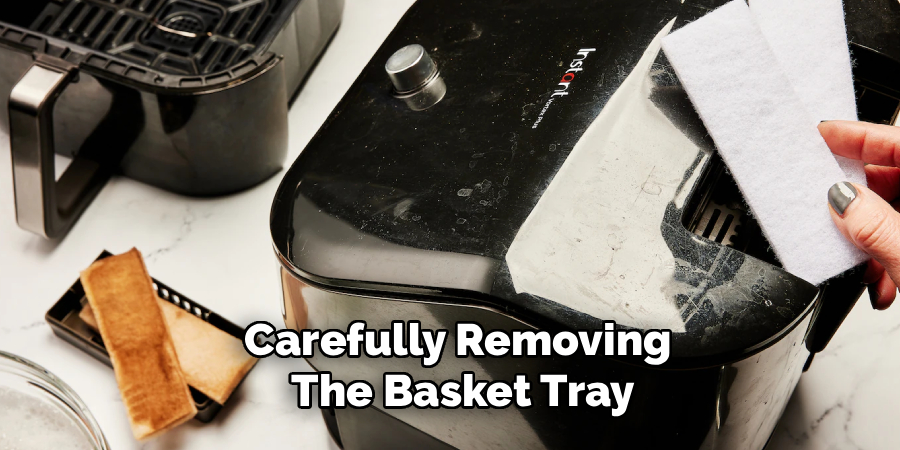
Disassembling these components ensures that every piece can be cleaned thoroughly without missing hard-to-reach areas. Place all removable parts on a counter, ideally on a towel or mat, for easy handling and to prevent scratches.
Step 3: Soak and Wash Kitchen Components
Fill your sink or a large basin with warm, soapy water. Place the basket, tray, and other removable parts in the water to soak for 10-15 minutes, which helps loosen oil and residue.
After soaking, gently scrub each piece with a soft sponge or brush to remove stuck-on food. Avoid using abrasive pads, as these can damage the non-stick coating essential for air fryers’ effectiveness.
Step 4: Clean the Interior
Dampen a soft sponge with soapy water and carefully wipe down the inside walls and heating element cover of the air fryer. Do not pour water directly inside the appliance; instead, use the dampened sponge to control moisture.
Pay special attention to areas where oil and crumbs might collect. For stubborn residue, a toothbrush or soft brush can help dislodge particles without scratching surfaces.
Step 5: Clean the Heating Element
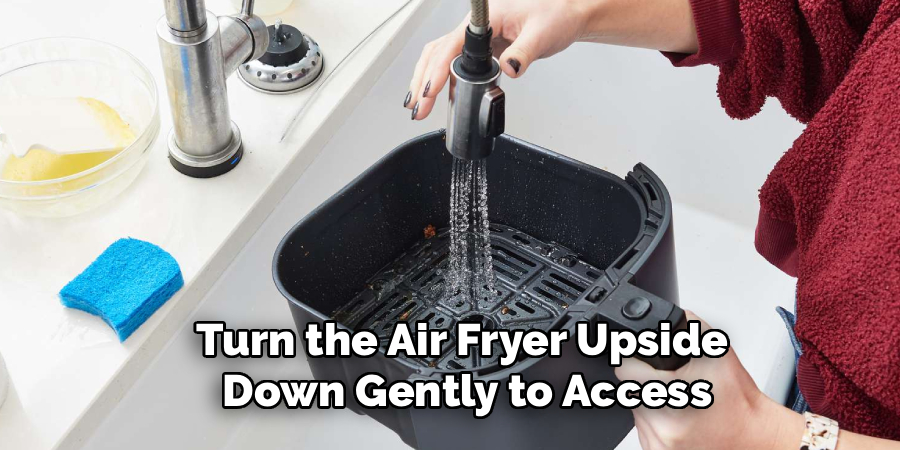
Turn the air fryer upside down gently to access the heating element. Using a soft-bristle brush or a cloth dipped in warm soapy water, carefully wipe the element without applying excess liquid.
If you spot burnt-on food, a toothbrush or toothpick can help dislodge it. Make sure not to use metal utensils or harsh chemicals, as these can damage the heating element and affect performance.
Step 6: Address Hard-to-Reach Crevices
Food and grease can accumulate in tight corners and small crevices. Use a toothpick, cotton swab, or a small cleaning brush to carefully clean these areas, being gentle to avoid damaging any components.
If buildup is particularly stubborn, a paste made from baking soda and water can be used for spot cleaning. Simply apply it to the area, let it sit for several minutes, and then wipe it clean with a damp cloth.
Step 7: Dry All Components Thoroughly
After washing, place the cleaned parts on a drying rack or towel. Allow them to air dry completely or use a clean microfiber towel to speed up the process.
Ensuring all components are completely dry before reassembly helps prevent mold and bacteria growth inside your air fryer. Moisture left behind can also affect the appliance’s electrical components if not properly dried.
Step 8: Reassemble and Wipe the Exterior
Once all parts are dry, carefully reassemble your air fryer, making sure everything fits back into place securely. Use a damp cloth to wipe down the exterior surfaces, removing fingerprints and splatters.
Finish by buffing with a dry microfiber towel for a streak-free shine. Now your Instant Vortex Air Fryer is refreshed and ready for the next delicious meal.
Following these steps on how to clean instant vortex air fryer will not only help maintain its longevity but also ensure safe and hygienic cooking. Remember to always unplug your air fryer before cleaning and never submerge it in water.
Tips
- Always read and follow the manufacturer’s cleaning instructions for your specific model.
- Clean the air fryer after every use to prevent the buildup of oil and food debris.
- Avoid using metal utensils or abrasive cleaners on non-stick surfaces to prevent scratches.
- Regularly inspect the heating element for any signs of residue or buildup.
- Use baking soda as a gentle, natural cleaner for stubborn spots or odors.
- If a smell lingers, running the air fryer empty at a high temperature for a few minutes can help remove odors.
- Store your air fryer with the basket open to encourage air circulation and prevent musty smells.
Common Mistakes to Avoid
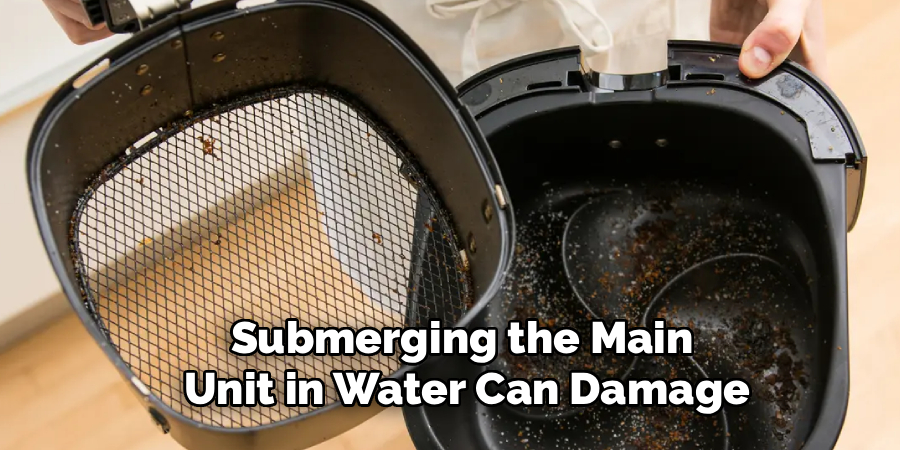
- Submerging the main unit in water can damage the appliance permanently.
- Neglecting to dry all components before reassembly increases the risk of bacterial growth.
- Scraping or scrubbing with aggressive tools can damage the non-stick coating.
- Ignoring the heating element area can lead to reduced efficiency and uneven cooking.
- Not cleaning the air fryer regularly can result in strong odors and degraded performance.
Do You Need To Use Professionals?
In most cases, cleaning your Instant Vortex Air Fryer can be managed easily at home with common household tools and a bit of care. Professional cleaning is rarely necessary unless the appliance is heavily soiled, damaged, or experiencing operational issues you cannot resolve yourself.
If your air fryer develops a persistent odor or has hard-to-remove residue that regular cleaning can’t fix, you might consider a professional appliance cleaning service. However, this isn’t typically required for routine maintenance. Investing time in regular, proper cleaning will reduce the need for professional intervention.
For warranty concerns or repairs, consult the manufacturer before seeking help from service providers. Timely home cleaning can save you both time and money.
How Much Will It Cost?
Cleaning your Instant Vortex Air Fryer at home is very budget-friendly. Most cleaning supplies, such as dish soap, brushes, sponges, and microfiber towels, are inexpensive and likely already in your home. There are no significant costs involved if you clean it yourself regularly.
If you choose to have your air fryer professionally cleaned, the cost can vary widely depending on service providers and the extent of the work needed. Professional appliance cleaning can range from $30 to $80 or more. Generally, maintaining your air fryer yourself is much more cost-effective.
Spending a little time and using basic supplies will help preserve the value and performance of your air fryer for years to come.
Frequently Asked Questions
Q1: How Often Should I Clean My Instant Vortex Air Fryer?
It’s best to clean the basket and tray after every use to prevent buildup and lingering odors. A more thorough cleaning of the interior and heating element should be done every 3–5 uses, or anytime you notice residue or smoke during operation. Regular cleaning ensures better-tasting food and a longer appliance life.
Q2: Can I Put The Basket And Tray In The Dishwasher?
Most Instant Vortex Air Fryer baskets and trays are dishwasher-safe, but always check your model’s manual for specific care instructions. If using a dishwasher, place the components on the top rack if possible, as this area is gentler on non-stick coatings. Hand washing is often preferable for prolonging the life of the non-stick finish, especially if you use the appliance often.
Q3: What Should I Do If My Air Fryer Has A Persistent Odor?
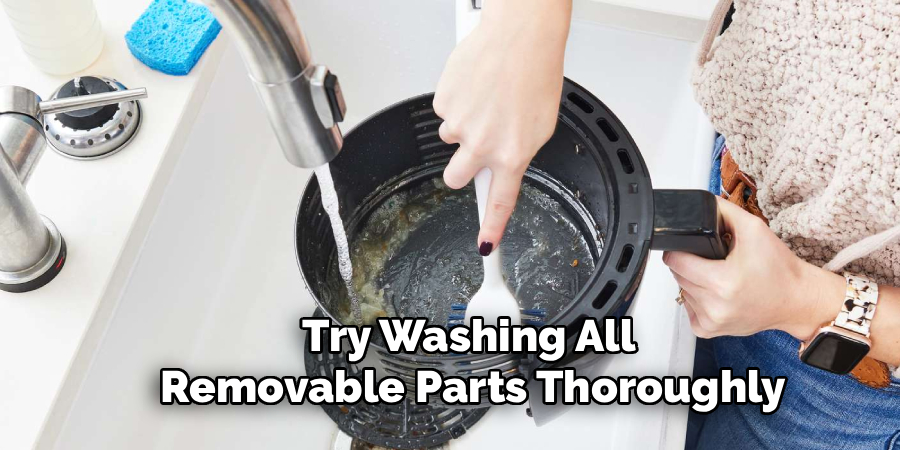
For lingering smells, try washing all removable parts thoroughly and wiping down the interior with a mixture of baking soda and water. You can also run the air fryer empty at a high temperature for a few minutes to help dissipate residual odors. With regular maintenance and ventilation, most odors can be eliminated in a short time.
Q4: Is It Safe To Clean The Heating Element?
Yes, but always ensure the air fryer is unplugged and cool before cleaning the heating element. Use a soft-bristle brush or a damp cloth, and avoid using excessive water or harsh chemicals. Take care not to bend or damage the heating element during cleaning, and allow it to dry fully before reconnecting the power.
Conclusion
Properly cleaning your Instant Vortex Air Fryer doesn’t have to be a complicated task. With a consistent cleaning routine and the right tools, you can keep your appliance running smoothly and ensure every meal is fresh and safe.
By following the guidelines in this guide on how to clean instant vortex air fryer, you’ll extend the life of your air fryer, maintain its performance, and enjoy healthier cooking results. Regular care saves you money, time, and effort in the long run—letting you get the most from your Instant Vortex Air Fryer.

About
Diane Lo is a distinguished figure in the world of kitchen innovation and culinary design, with over a decade of expertise creating functional and sustainable kitchen environments. Her professional focus lies in merging ergonomic spatial planning with modern culinary technology, fostering kitchen layouts that are both highly practical and aesthetically refined. As the lead expert at Kitchenub, Diane Lo delves into the art and science of kitchen organization, appliance selection, and workflow efficiency, inspiring home cooks and professional designers alike.
Education
Royal Melbourne Institute of Technology (RMIT University) (Melbourne, Australia) Associate Degree in Interior Design and Spatial Planning Focus on sustainable kitchen layouts, user-centric design, and ergonomic efficiency. Gained hands-on experience in high-traffic commercial kitchen modeling and advanced space-saving architecture.
Nottingham Trent University (United Kingdom) Bachelor’s in Product Design and Culinary Architecture (Honors) Specialized in the intersection of kitchen technology and lifestyle design. Participated in major industry collaborations, working with premium appliance manufacturers and cabinetry firms to gain real-world insights into modern kitchen workflows.
Publications and Impact
At Kitchenub, Diane Lo shares her expert insights on kitchen renovation processes, material durability, and strategies for achieving peak culinary productivity. Her writing effectively bridges the gap between professional culinary needs and home design, making it an essential resource for those looking to transform their kitchen into a highly efficient and welcoming heart of the home.