

Keeping your gas stove knobs clean is essential for maintaining both the appearance and functionality of your kitchen appliances. Over time, grease, food particles, and grime can accumulate on the knobs, making them difficult to operate and unsightly. Regular cleaning not only helps ensure smooth operation but also prevents dirt buildup that can harbor bacteria. With a few simple steps and everyday household items, you can effectively clean your gas stove knobs and keep them looking like new. In this blog post, we’ll walk you through the steps on how to clean gas stove knobs so that you can get back to using it in no time! So grab your tools, and let’s get started!
Importance of Cleaning Stove Knobs Regularly
Cleaning your stove knobs regularly is essential to maintaining a hygienic and efficient kitchen. Over time, grease, food particles, and grime can accumulate on the knobs, creating an ideal environment for bacteria and germs to thrive. This not only poses potential health risks but also affects the functionality of the knobs, making them harder to turn or operate.
Regular cleaning ensures that your stove remains safe and sanitary while also preserving its appearance and performance. By making knob cleaning a routine part of your kitchen maintenance, you can extend the life of your appliance and enjoy a cleaner, more pleasant cooking experience.
Safety Precautions Before Cleaning
Before you begin cleaning your gas stove knobs, it’s essential to take a few safety precautions to ensure your safety and prevent any damage to your stove. Start by turning off the gas supply to your stove to eliminate any risk of gas leaks while cleaning. Make sure all burners are completely cool to the touch to avoid burns or injuries.
If your stove knobs are connected to electronic components, unplug the stove from the power source to prevent electrical hazards. Lastly, always check your stove’s user manual for specific cleaning instructions or warnings to avoid using any products or techniques that might damage the knobs or other parts of the stove. Following these precautions will ensure a safe and effective cleaning process.
Tools and Cleaning Supplies Needed
To effectively clean stove knobs, gather the following tools and supplies:
- A soft sponge or microfiber cloth to prevent scratching surfaces.
- Mild dish soap for gentle yet effective cleaning.
- Warm water to mix with the soap for cleaning solutions.
- A small brush, such as a toothbrush, for scrubbing hard-to-reach areas.
- A dry cloth or paper towels for wiping and drying.
- Baking soda (optional) for tackling tough stains or grease buildup.
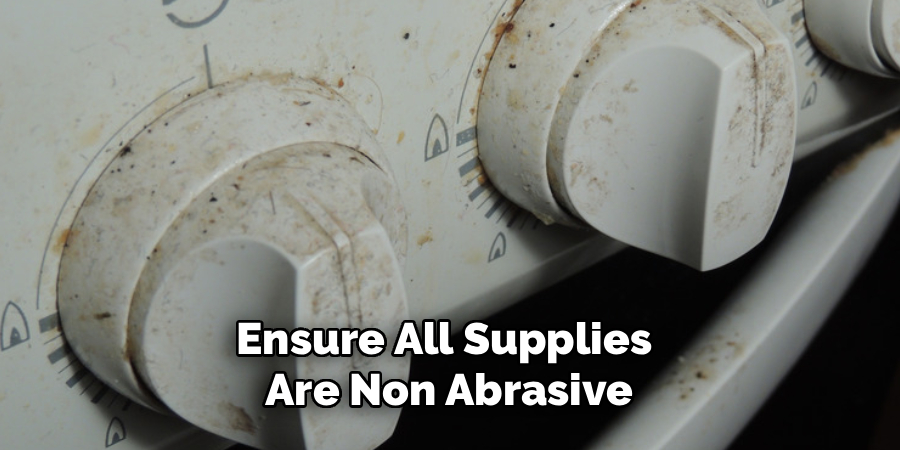
Ensure all supplies are non-abrasive and safe for your stove materials to avoid accidental damage.
10 Methods How to Clean Gas Stove Knobs
1. Remove the Knobs Safely Before Cleaning
Before beginning any cleaning process, it is essential to remove the gas stove knobs safely. Ensure all burners are turned off and the stove is cool to prevent burns. Depending on the type of knob—friction-fit, screw-on, or push-and-pull—gently pull, unscrew, or unclip the knob from the control panel. Removing the knobs allows for thorough cleaning of all surfaces, including areas that are often hidden during regular use. Always keep track of any screws or clips to avoid losing them during reinstallation.
2. Wipe Off Surface Dust and Grease
Start by using a soft, dry cloth to remove loose dust, crumbs, and surface grease from the knobs. Many stove knobs accumulate a layer of cooking residue over time, which can hinder their smooth operation. Lightly wiping them before washing ensures that stubborn grease does not spread during cleaning. This preliminary step is especially important if the knobs are very greasy, as it reduces the risk of messy cleanup later.
3. Soak the Knobs in Warm Soapy Water
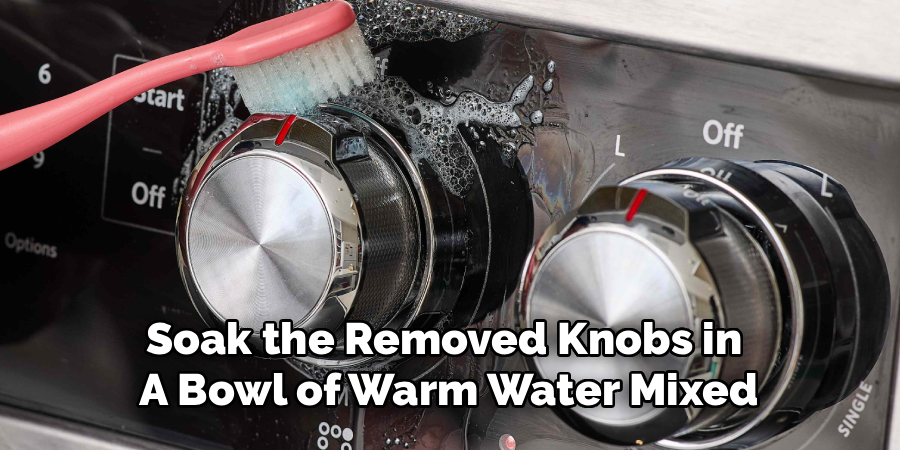
For a deeper clean, soak the removed knobs in a bowl of warm water mixed with mild dish soap. Allow them to sit for 10 to 15 minutes to loosen baked-on grease, oils, and food residues. Soaking softens dirt, making it easier to scrub away without damaging the surface. Avoid using boiling water, which can warp plastic knobs, and ensure that the water is not overly harsh to prevent fading of any markings on the knobs.
4. Scrub with a Soft Brush or Toothbrush
After soaking, use a soft-bristled brush or an old toothbrush to scrub the knobs gently. Focus on grooves, edges, and areas around the indicator markings where grease often accumulates. Be thorough but gentle to avoid scratching the surface or wearing off printed symbols. For stubborn spots, a paste made from baking soda and water can act as a mild abrasive, safely removing grime without causing damage.
5. Use Vinegar for Tough Grease and Stains
If soap and water alone do not remove all grease, vinegar can serve as a natural cleaning solution. Mix equal parts white vinegar and water and use a cloth or brush to wipe down the knobs. Vinegar’s acidic properties break down oils and residues effectively. After cleaning with vinegar, rinse the knobs with plain water to remove any residual smell. This method is particularly useful for knobs that have been exposed to heavy cooking splatters over time.
6. Dry Knobs Thoroughly Before Reinstallation
After cleaning, it is crucial to dry the knobs completely before placing them back on the stove. Use a soft, dry towel to remove surface moisture and allow the knobs to air dry for a few minutes to ensure no water remains inside crevices. Moisture left on the knobs can cause slippage during use, attract dust, or even interfere with the functionality of the stove controls. Proper drying ensures smooth operation and longevity of the knobs.
7. Wipe the Stove Control Panel During Knob Removal
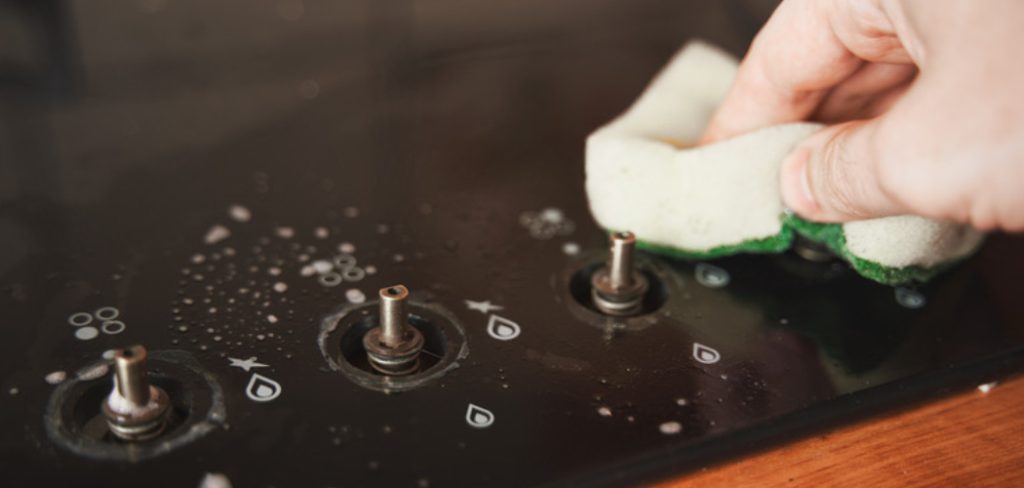
While the knobs are removed, take the opportunity to clean the area behind them on the stove’s control panel. Wipe with a damp cloth or sponge and mild dish soap, paying attention to crevices where grease often collects. Use a cotton swab for hard-to-reach areas around the valve stems. Cleaning this space prevents the buildup of residue that could make future knob removal more difficult and ensures a hygienic surface when the knobs are reinstalled.
8. Apply a Light Lubricant for Smooth Rotation
If the knobs feel stiff after cleaning, a small amount of food-safe lubricant can help restore smooth rotation. Apply sparingly around the base of the knob where it attaches to the valve stem. Avoid over-lubrication, as excess oil can attract dust or drip onto the stove surface. This step ensures that cleaned knobs not only look good but also function efficiently, enhancing your cooking experience.
9. Reinstall the Knobs Carefully
Once cleaned and dried, carefully reinstall each knob by aligning it with the valve stem and pressing it into place or tightening any screws if necessary. Ensure that each knob is securely seated and rotates smoothly to adjust the burners. Take care not to force them, as this can damage both the knob and the control mechanism. Proper reinstallation preserves both safety and functionality while keeping your stove looking polished and well-maintained.
10. Establish a Regular Cleaning Schedule
To maintain clean and functional stove knobs, establish a routine cleaning schedule. Wipe down knobs after each cooking session to prevent grease accumulation and perform a more thorough cleaning, including removal and soaking, once a month. Regular maintenance prevents buildup that can be difficult to remove later, keeps your stove hygienic, and extends the life of both knobs and the control panel. Consistent cleaning ensures a tidy kitchen and a safe, efficient cooking environment.

Troubleshooting Common Issues
Sometimes, stove knobs can encounter problems despite regular cleaning. One common issue is stuck or stiff knobs, which may result from grease or debris buildup inside the mechanism. To resolve this, remove the knobs and thoroughly clean the interior with warm soapy water, ensuring all residue is gone. Another frequent problem is loose knobs, which may occur due to wear on the inner fittings.
Inspect the connection points and, if necessary, use a small amount of adhesive or replace the worn parts entirely. If the knobs fail to function properly despite being clean and intact, there could be an underlying issue with the control panel, in which case consulting a professional or referring to the manufacturer’s guide is recommended. Regular care and prompt attention to these issues help maintain a fully operational and safe stove.

Conclusion
Proper maintenance and timely troubleshooting are key to ensuring the longevity and safety of your stove. By regularly cleaning components, inspecting for wear, and addressing malfunctions promptly, you can avoid potential hazards and costly repairs. Adhering to the manufacturer’s guidelines and seeking professional assistance when needed will keep your stove functioning efficiently, providing you with reliable performance for years to come. Thanks for reading our blog post on how to clean gas stove knobs! We hope you found it helpful and informative.

About
Diane Lo is a distinguished figure in the world of kitchen innovation and culinary design, with over a decade of expertise creating functional and sustainable kitchen environments. Her professional focus lies in merging ergonomic spatial planning with modern culinary technology, fostering kitchen layouts that are both highly practical and aesthetically refined. As the lead expert at Kitchenub, Diane Lo delves into the art and science of kitchen organization, appliance selection, and workflow efficiency, inspiring home cooks and professional designers alike.
Education
Royal Melbourne Institute of Technology (RMIT University) (Melbourne, Australia) Associate Degree in Interior Design and Spatial Planning Focus on sustainable kitchen layouts, user-centric design, and ergonomic efficiency. Gained hands-on experience in high-traffic commercial kitchen modeling and advanced space-saving architecture.
Nottingham Trent University (United Kingdom) Bachelor’s in Product Design and Culinary Architecture (Honors) Specialized in the intersection of kitchen technology and lifestyle design. Participated in major industry collaborations, working with premium appliance manufacturers and cabinetry firms to gain real-world insights into modern kitchen workflows.
Publications and Impact
At Kitchenub, Diane Lo shares her expert insights on kitchen renovation processes, material durability, and strategies for achieving peak culinary productivity. Her writing effectively bridges the gap between professional culinary needs and home design, making it an essential resource for those looking to transform their kitchen into a highly efficient and welcoming heart of the home.