

Calibrating your Frigidaire oven ensures accurate temperatures for perfect cooking and baking results. Over time, ovens can drift from their factory settings, leading to uneven cooking or unpredictable results. By calibrating your oven, you can fine-tune its performance and regain control over your cooking experience. This guide will walk you through the simple steps of how to calibrate a frigidaire oven, ensuring it operates efficiently and meets your culinary needs.

What is Oven Calibration?
Oven calibration is the process of adjusting your oven’s internal temperature settings to ensure it matches the temperature displayed on the control panel. Over time, regular use, wear and tear, or electrical fluctuations can cause discrepancies between the set temperature and the actual temperature inside the oven. This can lead to undercooked or overcooked food, which is frustrating and inefficient. By calibrating your oven, you can correct these temperature deviations, ensuring consistent cooking performance and more reliable results in your recipes.
Tools You’ll Need
To calibrate your oven accurately, you’ll require a few essential tools and items. These include:
- An oven thermometer: This is crucial for measuring the actual temperature inside the oven and comparing it with the set temperature.
- A heat-resistant pair of gloves: These will help protect your hands when handling hot components or the thermometer.
- A timer or stopwatch: Used to track the time needed for temperature tests.
- Your oven’s user manual: This can provide specific instructions or settings related to calibration for your oven model.
- A notepad and pen: Useful for recording temperature readings and adjustments as you work.
Having these tools prepared beforehand will make the calibration process smoother and more efficient, ensuring accurate results.
10 Methods How to Calibrate a Frigidaire Oven
1. Understand When Calibration is Needed
Before embarking on calibration, it is important to recognize the signs that your oven may be out of alignment. Common indicators include food cooking faster or slower than recipes suggest, uneven baking, or repeated adjustments to temperature settings. If your oven’s internal temperature differs significantly from the set temperature, as verified by an accurate oven thermometer, calibration is warranted. Frigidaire ovens typically maintain good accuracy, but regular calibration every few years or after repairs can maintain optimal performance.

2. Use a Reliable Oven Thermometer to Measure Temperature
A critical first step in calibrating your Frigidaire oven is obtaining a high-quality oven thermometer. Place the thermometer in the center of the middle rack, which is usually the most accurate spot for measuring overall temperature. Preheat the oven to a common temperature such as 350°F (177°C), and allow it to stabilize for at least 15 to 20 minutes. Then, compare the thermometer reading to the oven’s digital or dial setting. This comparison forms the basis for your calibration adjustments.
3. Access the Oven’s Calibration Settings
Frigidaire ovens allow users to adjust the oven temperature calibration through built-in controls. The exact procedure varies by model but generally involves entering a calibration or settings mode via the control panel. For many models, this can be done by pressing and holding specific buttons such as “Bake” and “Broil” simultaneously or by following a series of steps outlined in the owner’s manual. Accessing this mode enables you to increase or decrease the temperature offset by several degrees to match the actual oven temperature.
4. Adjust the Temperature Offset
Once inside the calibration mode, you can adjust the oven temperature by increments, usually in 5°F or 10°F steps. If your thermometer shows the oven is running hotter than the setting, decrease the oven temperature by the appropriate amount. Conversely, if the oven runs cooler, increase the temperature setting. This offset adjustment effectively shifts the thermostat’s baseline, allowing the oven to heat more accurately. After making adjustments, exit calibration mode to save the settings.
5. Test the New Calibration with Repeated Measurements
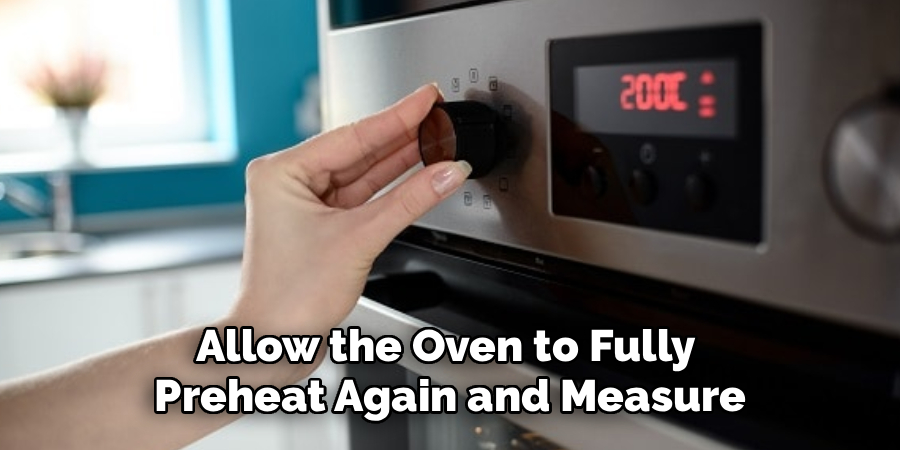
After adjusting the calibration, allow the oven to fully preheat again and measure the temperature with your oven thermometer once more. It’s important to verify that the calibration has brought the internal temperature in line with the set point. Repeat this process several times to confirm consistency and accuracy. If the oven temperature is still off, you may need to re-enter calibration mode and make fine adjustments until the desired accuracy is achieved.
6. Clean the Oven for Accurate Calibration
A clean oven interior ensures that heat circulates properly and that temperature sensors work optimally. Before finalizing calibration, clean any food debris, spills, or grease from the oven cavity, racks, and heating elements. Buildup can create hot spots or insulate heat sensors, causing temperature inconsistencies. A clean oven provides a stable environment for temperature measurements and helps your calibration efforts produce reliable results.
7. Check and Replace the Oven Temperature Sensor if Needed
If calibration adjustments do not resolve temperature discrepancies, the oven’s temperature sensor or probe may be faulty or damaged. Frigidaire ovens use a sensor located inside the oven cavity to monitor temperature and relay data to the control board. A malfunctioning sensor can cause inaccurate readings and improper heating. Use a multimeter to test the sensor’s resistance or consult a professional technician to assess and replace the sensor if necessary. A properly functioning sensor is crucial for maintaining calibration.
8. Inspect the Heating Elements for Proper Operation
Uneven or incorrect heating can sometimes be caused by malfunctioning heating elements rather than thermostat errors. Visually inspect the bake and broil elements for signs of damage, such as cracks, burns, or corrosion. If either element shows damage or does not heat properly during operation, replacing it can restore even heat distribution and improve calibration accuracy. Proper heat output complements thermostat calibration and ensures consistent oven performance.
9. Utilize Professional Diagnostic Tools if Available
For those with advanced tools or access to professional service technicians, oven calibration can be further refined using diagnostic equipment. These tools can measure temperature uniformity, response times, and electrical signals more precisely than a standard thermometer. A professional can also inspect the oven control board, wiring, and sensor calibration to ensure every component functions optimally. While this method is not necessary for most homeowners, it provides a thorough calibration check and resolution of underlying issues.
10. Maintain Regular Calibration Checks and Preventive Care
Once calibrated, maintaining your Frigidaire oven’s accuracy requires periodic checks and proper maintenance. Schedule temperature checks with your oven thermometer every six months to a year, or after heavy use or repairs. Keep the oven clean, avoid slamming the door, and promptly replace faulty parts to minimize calibration drift. Following these preventive practices prolongs the life of your oven, enhances cooking reliability, and reduces the need for frequent recalibration.
Maintenance and Upkeep
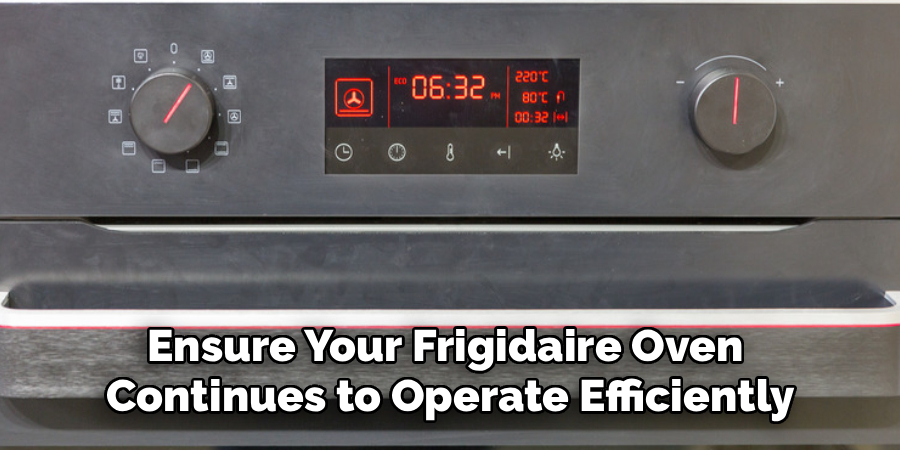
Regular maintenance is essential to ensure your Frigidaire oven continues to operate efficiently. Start by routinely cleaning the interior and exterior surfaces with non-abrasive cleaners to prevent buildup of grease and grime. Check door seals for wear or damage to avoid heat loss, and replace them if necessary. Inspect and clean the heating elements and racks to maintain even cooking performance.
Additionally, clean the vent filters periodically to improve airflow and prevent overheating. Keep an eye on control panel buttons or knobs for proper functionality, and replace defective components promptly. By dedicating time to these simple upkeep tasks, you can extend the lifespan of your oven and ensure consistent cooking results.
Troubleshooting Common Issues
Even with regular maintenance, ovens can occasionally encounter problems. Here are some common issues and how to troubleshoot them:
- Uneven Cooking or Hot Spots
If your food is cooking unevenly, check the oven’s heating elements for damage or wear. Ensure that the oven racks are placed correctly and that the heat is not obstructed by oversized trays or cookware. Using an oven thermometer can also confirm if the temperature matches the settings.
- Oven Not Heating Properly
When an oven fails to reach the desired temperature, inspect the heating elements for visible damage. Additionally, check the thermostat sensor inside the oven to ensure it is not dislodged or touching the oven wall, as this can cause inaccurate readings.
- Faulty Control Panel
If the buttons or knobs on your control panel are unresponsive or malfunctioning, power off the oven and inspect the wiring for any loose connections. Replacing defective parts, such as a worn-out control board or damaged buttons, may resolve the issue.
- Strange Noises During Operation
Unusual noises, such as rattling or humming, could be caused by loose components or a malfunctioning fan. Tighten any loose screws and inspect the fan for obstructions or damage.
- Burning Smell or Smoke
A persistent burning smell or smoke could indicate leftover food debris or grease inside the oven. Clean the interior thoroughly, paying close attention to the heating elements and vents. If the smell persists, inspect the wiring for potential electrical issues.
By addressing these problems promptly and efficiently, you can keep your oven running smoothly and prevent further complications.
Conclusion
Calibrating your Frigidaire oven is essential for achieving consistent, reliable cooking results. By using an accurate oven thermometer, accessing calibration settings, adjusting temperature offsets, and verifying results through repeated testing, you can ensure your oven heats precisely as intended.
Cleaning the oven, inspecting key components like the temperature sensor and heating elements, and maintaining regular checks further support optimal oven performance. Thanks for reading our blog post on how to calibrate a frigidaire oven! We hope you found it helpful and informative.

About
Diane Lo is a distinguished figure in the world of kitchen innovation and culinary design, with over a decade of expertise creating functional and sustainable kitchen environments. Her professional focus lies in merging ergonomic spatial planning with modern culinary technology, fostering kitchen layouts that are both highly practical and aesthetically refined. As the lead expert at Kitchenub, Diane Lo delves into the art and science of kitchen organization, appliance selection, and workflow efficiency, inspiring home cooks and professional designers alike.
Education
Royal Melbourne Institute of Technology (RMIT University) (Melbourne, Australia) Associate Degree in Interior Design and Spatial Planning Focus on sustainable kitchen layouts, user-centric design, and ergonomic efficiency. Gained hands-on experience in high-traffic commercial kitchen modeling and advanced space-saving architecture.
Nottingham Trent University (United Kingdom) Bachelor’s in Product Design and Culinary Architecture (Honors) Specialized in the intersection of kitchen technology and lifestyle design. Participated in major industry collaborations, working with premium appliance manufacturers and cabinetry firms to gain real-world insights into modern kitchen workflows.
Publications and Impact
At Kitchenub, Diane Lo shares her expert insights on kitchen renovation processes, material durability, and strategies for achieving peak culinary productivity. Her writing effectively bridges the gap between professional culinary needs and home design, making it an essential resource for those looking to transform their kitchen into a highly efficient and welcoming heart of the home.