

An outdoor kitchen can transform your deck into the ultimate entertainment space, blending functionality with the beauty of the outdoors. Whether you enjoy hosting summer barbecues or quiet family dinners under the open sky, adding a kitchen to your deck brings convenience and enhances the overall appeal of your home. This guide will take you through how to build an outdoor kitchen on a deck. With the right materials and thoughtful planning, you can create a space that is both practical and a joy to use.
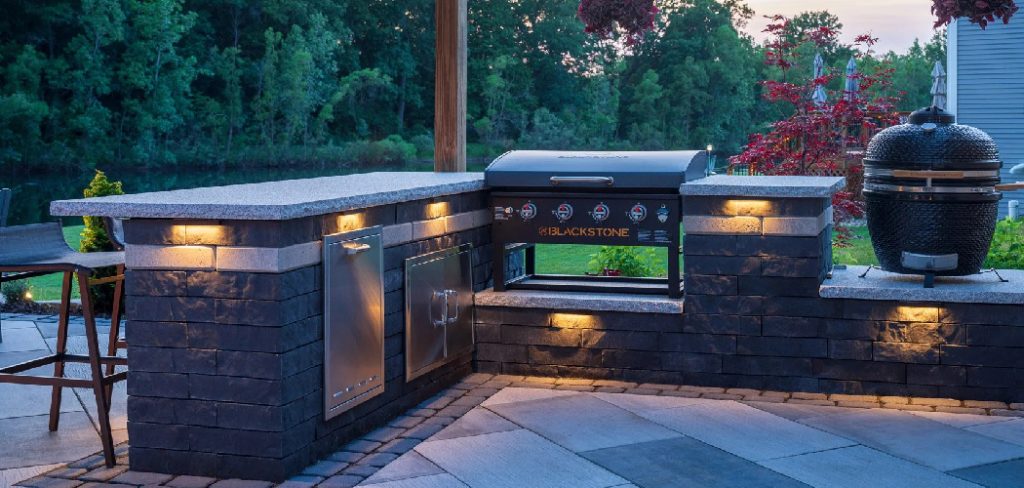
Importance of Checking Deck Stability
Before beginning the construction of an outdoor kitchen on your deck, it is essential to ensure that the deck is structurally stable and capable of supporting the added weight. Outdoor kitchens often involve heavy appliances, countertops, and additional materials that can place significant strain on a deck. A thorough inspection, including checking for rotting wood, loose fasteners, or any signs of damage, is crucial to identify any necessary repairs.
Consulting a professional inspector or contractor can provide added reassurance that the foundation is secure and up to code. Prioritizing deck stability not only ensures the safety of your space but also prevents costly repairs or accidents in the future.
Plan the Layout of Your Outdoor Kitchen
Designing the layout of your outdoor kitchen is a crucial step to ensure it is both functional and aesthetically pleasing. Begin by considering how you intend to use the space and what features are most important to you. For example, think about whether you need a large grill, a sink, a refrigerator, or ample counter space for food preparation. Organize the layout into distinct zones, such as cooking, prep, serving, and dining areas, to streamline the flow of activity.
Ensure there is enough space between appliances and surfaces to allow for comfortable movement and interaction. Additionally, take into account the location of utilities like water, electricity, and gas, as these connections will influence where certain fixtures can be placed. By carefully planning the layout, you can create an outdoor kitchen that is both efficient and inviting for entertaining and everyday use.
10 Methods How to Build an Outdoor Kitchen on a Deck
1. Assess the Structural Integrity of the Deck Before Starting Construction
Before you even begin to sketch out your dream outdoor kitchen, it is imperative to assess whether your existing deck can support the additional weight of kitchen appliances, countertops, cabinetry, and people using the space. Many outdoor kitchens include grills, refrigerators, sinks, and even pizza ovens, all of which are considerably heavy, especially when paired with stone countertops or weather-resistant cabinets. Consult a licensed structural engineer or contractor to evaluate the joists, beams, and footings of your deck to determine its load capacity. Reinforcements may be needed to ensure the structure is safe, especially if your deck is elevated or aged.

2. Design a Practical Layout That Blends Functionality and Aesthetics
A successful outdoor kitchen starts with thoughtful planning and layout design. Consider the classic kitchen work triangle—grill (cooking), sink (cleaning), and prep area (countertop)—to ensure smooth movement between stations. Allocate space wisely to prevent congestion, leaving room for seating, walking paths, and accessory placement. Choose a layout—like an L-shape, U-shape, or galley—that suits your deck’s dimensions and complements the overall look of your home’s exterior. Use design software or work with a kitchen designer who specializes in outdoor settings to visualize the configuration before purchasing materials or appliances.
3. Choose Weather-Resistant Materials Suitable for Outdoor Conditions
The materials you select for your outdoor kitchen must be able to withstand exposure to rain, sun, wind, and varying temperatures. Stainless steel is a popular choice for appliances and cabinetry due to its rust resistance and durability. For countertops, consider using granite, concrete, or tile rated for outdoor use. Avoid wood surfaces unless they are properly sealed and treated for moisture protection. Additionally, composite decking boards or stone veneer can be used for the kitchen structure itself to provide a cohesive, long-lasting finish that complements your existing deck.
4. Install Utility Lines with Professional Oversight
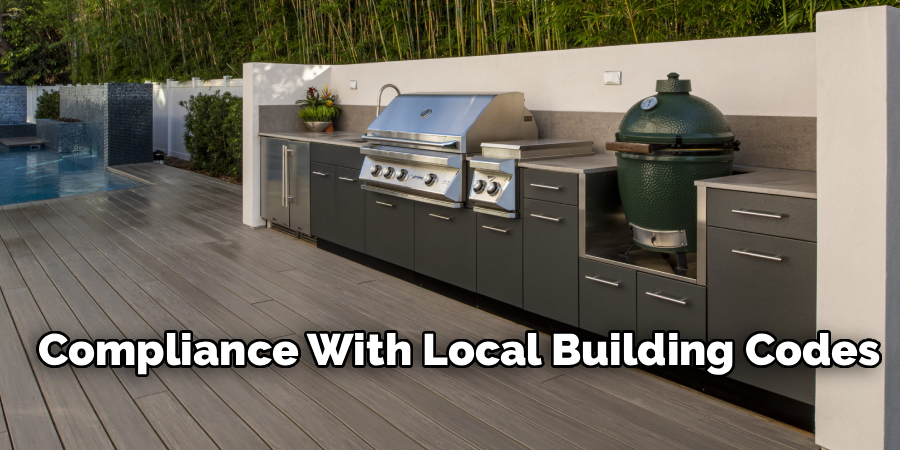
If your outdoor kitchen includes a sink, refrigerator, or gas grill, you’ll need to extend plumbing, electrical, and possibly gas lines to your deck. These utilities must be installed safely and in compliance with local building codes. Hire licensed professionals to ensure each line is correctly routed and safely connected. For electricity, install weatherproof outlets and GFCI protection for safety. Plumbing should be freeze-proof if you live in a colder climate, and gas lines should be securely mounted and tested for leaks. Planning the utility infrastructure early prevents delays and costly changes later in the project.
5. Build a Sturdy and Level Base for Countertops and Appliances
Once the deck has been deemed structurally sound, and utility lines are installed, it’s time to build the framework that will support your countertops and appliances. Construct a solid base using pressure-treated lumber, steel framing, or concrete block—depending on your kitchen’s design and weight requirements. Ensure the base is perfectly level to avoid alignment problems with appliances or counters. This framework should be anchored securely to the deck surface, taking into account any potential for movement due to temperature changes or deck settling.
6. Install Weatherproof Cabinets and Storage Units for Longevity
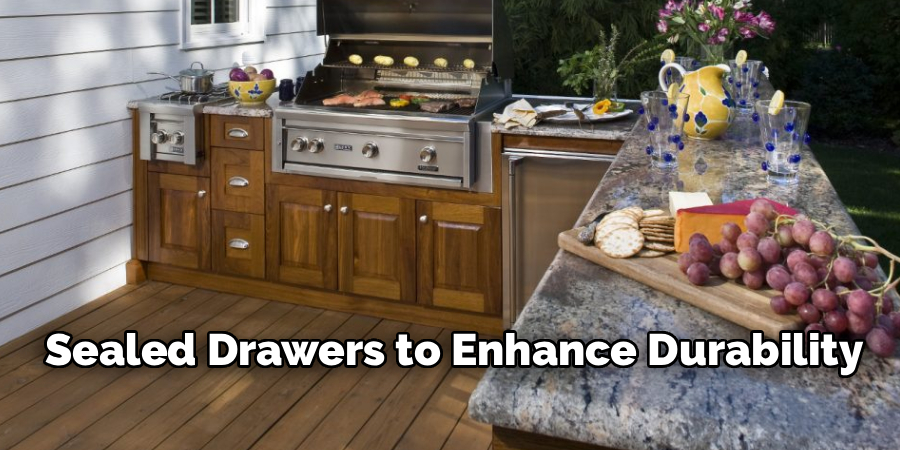
Cabinetry is a vital component of your outdoor kitchen, both for utility and aesthetics. Select cabinets made specifically for outdoor use—typically constructed from stainless steel, marine-grade polymer, or PVC. These materials resist warping, rot, and corrosion, even under constant exposure to humidity and heat. Secure the cabinets to the base structure and provide adequate ventilation for heat-producing appliances. Add soft-close hinges, waterproof gaskets, and sealed drawers to enhance durability and protect the contents inside from insects and moisture.
7. Incorporate Proper Ventilation and Safety Measures for Cooking Areas
Grills, pizza ovens, and cooktops need adequate airflow to function efficiently and safely. Install vent panels in cabinet bases and behind appliances to release built-up heat and prevent fire hazards. Use stainless steel vent hoods or chimney systems to funnel smoke away from seating areas and nearby windows. Position heat-generating units at a safe distance from combustible materials and consider using non-flammable backing panels. Fire extinguishers and a fire-retardant mat under the grill are also wise safety additions for a well-equipped deck kitchen.
8. Add Waterproof Lighting Fixtures for Evening Use
Lighting not only enhances ambiance but also improves functionality and safety during nighttime cooking and entertaining. Incorporate a mix of task lighting, ambient lighting, and accent lighting in your design. Install waterproof LED fixtures under cabinets, above the grill station, and around prep areas. You can also line the deck rails or stairways with solar or low-voltage lights for visibility and mood. Ensure all electrical connections are outdoor-rated and protected with weatherproof housings and GFCI outlets to prevent electrical hazards.
9. Include Shelter or Shade for Year-Round Usability
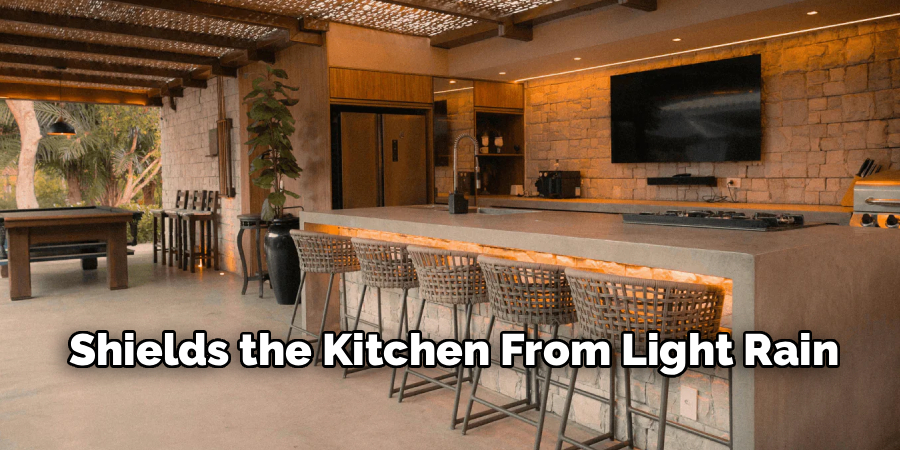
To make your outdoor kitchen comfortable in various weather conditions, consider incorporating some form of cover. A pergola, gazebo, or retractable awning provides shade on sunny days and shields the kitchen from light rain. More permanent structures with polycarbonate roofing or metal panels offer greater protection and allow you to use the space even during inclement weather. Make sure any overhead cover complies with local building codes and does not interfere with venting systems for grills or smoke-producing appliances.
10. Furnish the Space Thoughtfully with Outdoor Dining and Seating Areas
Finally, transform your deck kitchen into a complete outdoor living space by adding appropriate furniture and décor. Choose weather-resistant dining tables, chairs, bar stools, and cushions made from materials like powder-coated aluminum, teak, or synthetic wicker. Incorporate outdoor rugs, throw pillows, and even a small herb garden to create a warm and welcoming environment. Consider installing a sound system, outdoor heater, or television for added entertainment. Design your seating layout with conversation and relaxation in mind to make the most of your deck kitchen.
Troubleshooting Common Issues
When utilizing your deck kitchen, you may encounter a few challenges. Here are some common issues and how to address them:
- Weather Damage to Furniture: Exposure to sun, rain, and wind can wear down outdoor furniture over time. To mitigate this, ensure your furniture is made of durable, weather-resistant materials and consider using protective covers when the kitchen is not in use.
- Pests and Wildlife: Unwanted pests like ants, flies, or even larger wildlife can be drawn to food preparation areas. Keep food tightly sealed, clean up spills promptly, and consider using natural repellents or citronella candles to deter pests.
- Poor Ventilation: Smoke and heat buildup can be an issue in outdoor kitchens, especially those in enclosed or semi-enclosed spaces. Ensure there is proper airflow and consider installing a ventilation hood if necessary.
- Limited Lighting: Insufficient lighting can make evening gatherings difficult. Address this by incorporating string lights, wall-mounted fixtures, or LED pathway lighting to brighten the space.
- Appliance Malfunctions: Outdoor refrigerators, grills, or stoves are subject to wear and tear from exposure to the elements. Regularly clean and maintain your appliances, and consult the manufacturer’s manual for troubleshooting tips or repairs when needed.
By proactively addressing these issues, you can make sure your deck kitchen remains functional, comfortable, and ready for entertaining year-round.
Conclusion
Building an outdoor kitchen on your deck is a rewarding project that extends your living space and adds value to your home. By carefully planning the layout, selecting durable materials, ensuring proper utilities and ventilation, and focusing on both safety and comfort, you can create a functional and stylish cooking area that will serve as a gathering spot for years to come. Thanks for reading our blog post on how to build an outdoor kitchen on a deck! We hope you found it helpful and informative.

About
Diane Lo is a distinguished figure in the world of kitchen innovation and culinary design, with over a decade of expertise creating functional and sustainable kitchen environments. Her professional focus lies in merging ergonomic spatial planning with modern culinary technology, fostering kitchen layouts that are both highly practical and aesthetically refined. As the lead expert at Kitchenub, Diane Lo delves into the art and science of kitchen organization, appliance selection, and workflow efficiency, inspiring home cooks and professional designers alike.
Education
Royal Melbourne Institute of Technology (RMIT University) (Melbourne, Australia) Associate Degree in Interior Design and Spatial Planning Focus on sustainable kitchen layouts, user-centric design, and ergonomic efficiency. Gained hands-on experience in high-traffic commercial kitchen modeling and advanced space-saving architecture.
Nottingham Trent University (United Kingdom) Bachelor’s in Product Design and Culinary Architecture (Honors) Specialized in the intersection of kitchen technology and lifestyle design. Participated in major industry collaborations, working with premium appliance manufacturers and cabinetry firms to gain real-world insights into modern kitchen workflows.
Publications and Impact
At Kitchenub, Diane Lo shares her expert insights on kitchen renovation processes, material durability, and strategies for achieving peak culinary productivity. Her writing effectively bridges the gap between professional culinary needs and home design, making it an essential resource for those looking to transform their kitchen into a highly efficient and welcoming heart of the home.