

Maintaining a clean commercial kitchen floor is essential for ensuring safety, hygiene, and compliance with health regulations. A properly cleaned floor helps prevent slips, trips, and falls, while also reducing the risk of food contamination. Given the high foot traffic and frequent spills in a commercial kitchen, establishing an effective cleaning routine is crucial to keep the environment safe and efficient for staff. This guide explores the key aspects of how to clean a commercial kitchen floor.
Importance of Maintaining a Clean Commercial Kitchen Floor
The significance of maintaining a clean commercial kitchen floor cannot be overstated. A clean floor not only promotes a safe workplace by minimizing the likelihood of accidents caused by slippery or greasy surfaces but also upholds the establishment’s reputation for professionalism and cleanliness.
Furthermore, food safety is directly tied to hygiene standards, and a dirty floor can harbor bacteria, pests, and contaminants that compromise the quality of food prepared in the kitchen. Adhering to health and safety regulations is mandatory in the food service industry, and improper floor maintenance may lead to violations, fines, or even closures.
By investing time and effort into consistent floor cleaning practices, businesses can create a healthier work environment, extend the lifespan of flooring materials, and build trust with customers and inspectors alike.
Types of Commercial Kitchen Floors
Choosing the right flooring for a commercial kitchen is essential for ensuring safety, durability, and ease of maintenance. Here are some common types of commercial kitchen floors:
- Epoxy Flooring
Epoxy flooring is a popular choice due to its seamless surface, which resists water, stains, and chemicals. It is highly durable and slip-resistant, making it suitable for high-traffic kitchens. Additionally, its non-porous nature prevents bacteria buildup, contributing to a more hygienic environment.
- Vinyl Flooring
Vinyl flooring offers affordability and versatility. It is available in various styles and thicknesses, providing a balance of comfort and durability. Commercial-grade vinyl is resistant to grease and moisture, and it requires minimal maintenance. However, it may not be as long-lasting as other options.
- Quarry Tile Flooring
Known for its rugged and durable properties, quarry tile flooring is a classic option in many commercial kitchens. It is slip-resistant, easy to clean, and capable of withstanding high heat exposure. However, its hard surface may be uncomfortable for prolonged standing and can be prone to chipping if heavy items are dropped.
- Rubber Flooring
Rubber flooring is favored for its comfort and slip-resistant properties. It offers excellent cushioning, which reduces fatigue for staff working long shifts. It is also resistant to water and grease, though prolonged exposure to heat or harsh cleaning chemicals may cause wear over time.
- Concrete Flooring
Concrete flooring is a durable and long-lasting option built to endure heavy traffic and equipment. It is resistant to stains and scratches when sealed properly. However, it may require regular sealing to prevent moisture absorption and can be less comfortable for employees due to its hard surface.
Each of these flooring types comes with its own set of advantages and drawbacks. Ultimately, selecting the right option depends on the specific needs and demands of a commercial kitchen.
10 Methods How to Clean a Commercial Kitchen Floor
1. Begin with Clearing the Floor of All Movable Equipment and Debris
The first step in properly cleaning a commercial kitchen floor is to ensure the entire area is clear of any obstructions. Move all portable kitchen equipment, such as racks, mats, trash cans, and floor fans, to a separate area. This not only grants unrestricted access to every part of the floor but also prevents the risk of equipment getting damaged or soiled during cleaning. Once the floor is cleared, manually pick up large debris—such as food scraps, wrappers, or broken pieces of utensils—that could otherwise clog drains or hamper the efficiency of the cleaning process. This method ensures the workspace is primed for deep cleaning.

2. Use a Broom or Dust Mop to Sweep Thoroughly
After the initial clearing, the floor should be swept thoroughly using a stiff-bristled broom or a dust mop. This helps in removing finer particles of dirt, dust, and small food crumbs that remain even after manual debris collection. Focus especially on corners, edges, and under heavy equipment where dirt tends to accumulate unnoticed. Sweeping should be systematic, working from the farthest point of the room toward the drain or exit to minimize resoiling cleaned areas. A well-swept floor prepares the surface for effective wet cleaning and reduces the risk of scratching or grinding in particles during scrubbing.
3. Apply a Degreasing Solution to Break Down Oil and Grease
One of the most persistent issues in commercial kitchen environments is the accumulation of grease on the floor. A commercial-grade degreaser specifically designed for kitchen floors should be liberally applied across the entire surface. These products are formulated to break down stubborn oil and food-based residue that sweeping alone cannot remove. Allow the degreaser to sit for the manufacturer-recommended dwell time, typically 5–10 minutes, giving it ample time to emulsify the grease. It’s important not to let the solution dry on the floor, as this can lead to residue or staining.
4. Scrub the Floor with an Auto-Scrubber or Floor Machine
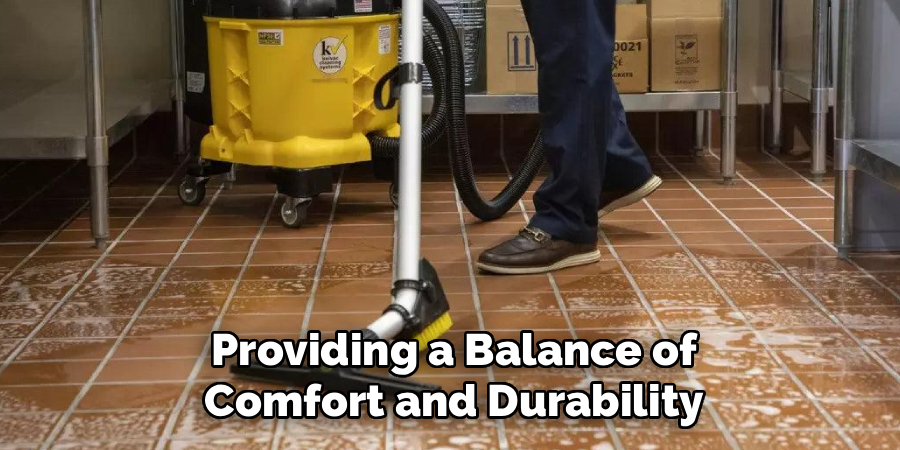
Once the degreasing solution has had time to act, proceed with mechanical scrubbing. An automatic floor scrubber or rotary floor machine fitted with a scrubbing pad or brush can efficiently lift and remove grease and dirt. These machines agitate the cleaning solution into the floor surface, reaching into textured tiles and grout lines where grime often settles. If such equipment is unavailable, a deck brush with firm bristles can be used manually. Focus on high-traffic areas and around workstations where grease buildup is heaviest. This step is crucial for restoring traction to slick surfaces and ensuring deep sanitation.
5. Rinse the Floor with Hot Water to Remove Residue
After the floor has been scrubbed, it should be thoroughly rinsed to remove loosened grime and cleaning agents. Use a mop and bucket filled with hot, clean water or a hose with moderate pressure if the floor has proper drainage. Rinsing is essential not only for hygiene but also to prevent slippery residues left behind by degreasers and detergents. Repeat the rinse as necessary until the water runs clear. Avoid pooling water, as it can seep into cracks or grout lines and encourage mold growth or damage.
6. Disinfect the Floor with an Approved Sanitizing Agent
In a commercial kitchen, sanitation is paramount. After the floor has been cleaned and rinsed, apply a food-safe disinfectant approved by health regulations. This is especially vital in kitchens where raw meat, poultry, or seafood are handled regularly. Use a clean mop or sprayer to apply the disinfectant, ensuring that the entire floor surface is evenly covered. Allow it to sit for the specified contact time—usually five to ten minutes—to effectively kill bacteria, fungi, and viruses. Avoid rinsing after this step unless the product label specifically instructs you to do so.

7. Dry the Floor with Air Movers or Towels
Wet kitchen floors are a major safety hazard, increasing the risk of slips and falls. After disinfecting, expedite the drying process using industrial air movers or high-speed floor fans. Position these at strategic points to promote even airflow and reduce drying time. If fans are not available, use absorbent microfiber mops or clean towels to manually dry the surface. Be thorough in drying corners, grout joints, and beneath heavy equipment, as these are areas where moisture tends to linger and bacteria may thrive. A completely dry floor is the final step in ensuring a safe, sanitary environment.
8. Clean Floor Drains and Grates Concurrently
Often overlooked, floor drains and grates are essential components of the commercial kitchen floor system. During the cleaning process, take time to remove the drain covers and scrub them clean. Pour hot water and a drain-safe cleaner or enzymatic solution down the drains to clear any grease or food residue that might cause odors or clogs. This practice prevents future drainage problems and ensures that wastewater from floor cleaning can exit quickly and cleanly. Neglecting drain maintenance can compromise the entire cleaning process and introduce health code violations.
9. Implement a Regular Cleaning Schedule and Checklist
Consistency is key when maintaining a clean commercial kitchen floor. Develop a strict cleaning schedule that includes daily, weekly, and monthly tasks, assigning responsibilities clearly among the staff. Daily routines should involve sweeping, spot mopping, and disinfecting, while weekly deep cleans should include degreasing and mechanical scrubbing. Monthly tasks can involve inspecting grout, polishing sealed surfaces, and sanitizing hard-to-reach corners. A written checklist helps staff stay accountable and ensures that no step is skipped, contributing to both cleanliness and food safety compliance.

10. Train Staff on Proper Cleaning Protocols and Safety Measures
Finally, all employees involved in cleaning the commercial kitchen floor should be properly trained on cleaning techniques, equipment use, and chemical safety. Training should include how to mix and apply cleaning solutions safely, how to operate floor machines correctly, and what personal protective equipment (PPE) is required during each step. Emphasize the importance of preventing cross-contamination, recognizing hazards like wet floors, and responding to spills promptly. Ongoing education and periodic refresher training ensure that everyone is aligned with best practices and contributes to a clean, safe kitchen environment.
Conclusion
Maintaining a clean commercial kitchen floor is not simply about aesthetics—it’s a fundamental part of health, safety, and operational efficiency. Each method, from proper preparation and degreasing to disinfecting and drying, plays a vital role in creating a hygienic space that complies with food safety standards. Thanks for reading our blog post on how to clean a commercial kitchen floor! We hope you found it helpful and informative.

About
Diane Lo is a distinguished figure in the world of kitchen innovation and culinary design, with over a decade of expertise creating functional and sustainable kitchen environments. Her professional focus lies in merging ergonomic spatial planning with modern culinary technology, fostering kitchen layouts that are both highly practical and aesthetically refined. As the lead expert at Kitchenub, Diane Lo delves into the art and science of kitchen organization, appliance selection, and workflow efficiency, inspiring home cooks and professional designers alike.
Education
Royal Melbourne Institute of Technology (RMIT University) (Melbourne, Australia) Associate Degree in Interior Design and Spatial Planning Focus on sustainable kitchen layouts, user-centric design, and ergonomic efficiency. Gained hands-on experience in high-traffic commercial kitchen modeling and advanced space-saving architecture.
Nottingham Trent University (United Kingdom) Bachelor’s in Product Design and Culinary Architecture (Honors) Specialized in the intersection of kitchen technology and lifestyle design. Participated in major industry collaborations, working with premium appliance manufacturers and cabinetry firms to gain real-world insights into modern kitchen workflows.
Publications and Impact
At Kitchenub, Diane Lo shares her expert insights on kitchen renovation processes, material durability, and strategies for achieving peak culinary productivity. Her writing effectively bridges the gap between professional culinary needs and home design, making it an essential resource for those looking to transform their kitchen into a highly efficient and welcoming heart of the home.