

A galley kitchen, characterized by its narrow layout and parallel counters, can feel cramped and limiting. However, with thoughtful planning and smart design choices, it is possible to create a more spacious and functional cooking area. Expanding a galley kitchen not only improves its practicality but also enhances the overall aesthetic and value of your home. This guide will explore how to expand a galley kitchen, making it a more enjoyable space for cooking and gathering.

Evaluate the Existing Layout and Limitations
Before planning an expansion, it’s essential to evaluate the current layout of your galley kitchen and identify its limitations. Start by analyzing the flow of movement and how efficiently the space is used. Are key areas such as the sink, stove, and refrigerator arranged in a functional work triangle?
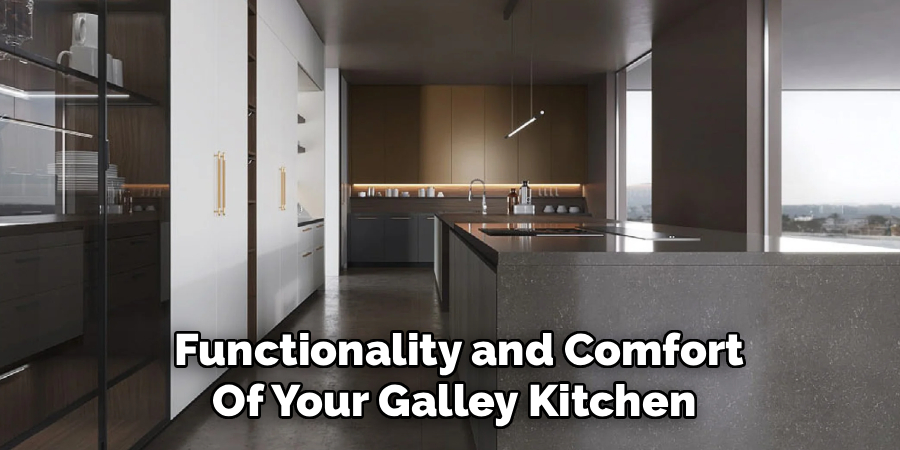
Is there sufficient counter space for food preparation? Additionally, consider storage capacity—are cabinets and drawers adequately meeting your needs, or is clutter an issue? Pay attention to lighting as well, as poor illumination can make the space feel even more confined. By understanding these deficiencies, you’ll gain insight into the necessary changes needed to enhance both the functionality and comfort of your galley kitchen.
10 Methods How to Expand a Galley Kitchen
1. Knock Down a Non-Load-Bearing Wall to Open Up Space
The most impactful way to physically expand a galley kitchen is by removing a non-load-bearing wall that separates it from an adjacent room such as a dining area or living space. Taking down this kind of wall transforms the closed, corridor-like layout into an open-concept design, instantly making the kitchen feel larger and more breathable.
Not only does this improve sightlines and light distribution, but it also allows for better interaction between people in the kitchen and those in adjoining areas. Before proceeding, it’s vital to consult a structural engineer or contractor to ensure the wall is safe to remove. Once cleared, the newfound openness allows for the addition of a kitchen island, breakfast bar, or extra cabinetry along the open side.
2. Extend the Kitchen into an Adjacent Room or Area
If your galley kitchen is adjacent to an underused room—like a pantry, mudroom, or hallway—you can consider repurposing part of that space into the kitchen. Extending the floor plan may involve moving walls, plumbing, or electrical outlets, but the payoff is a more generous work area.
This type of renovation is ideal for homeowners who want to add more cabinetry, counter space, or even appliances. Even a modest extension of a few feet can dramatically enhance storage and workflow, turning a tight galley kitchen into a more functional and aesthetically pleasing zone.
3. Replace Full Upper Cabinets with Open Shelving
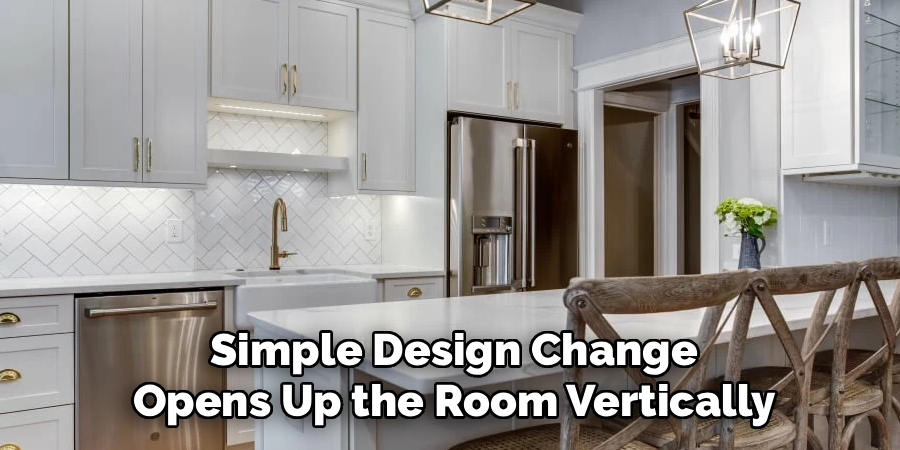
One visual trick to expand a galley kitchen without touching its structure is to replace bulky upper cabinets with open shelving. Upper cabinetry can sometimes crowd the walls, making the kitchen feel more narrow and enclosed.
Open shelves, on the other hand, help break up the wall visually and draw the eye across the room. These shelves can house frequently used items like dishes, mugs, or decorative jars. Keep shelf displays neat and minimal to maintain the illusion of space. This simple design change opens up the room vertically and gives it a more modern, airy feel.
4. Add a Pass-Through Window for Light and Connection
Installing a pass-through window between your galley kitchen and an adjoining room—such as the dining or living room—can be an excellent way to expand both visually and functionally. This opening enhances the sense of space, allows more natural light to enter, and enables easier communication between rooms.
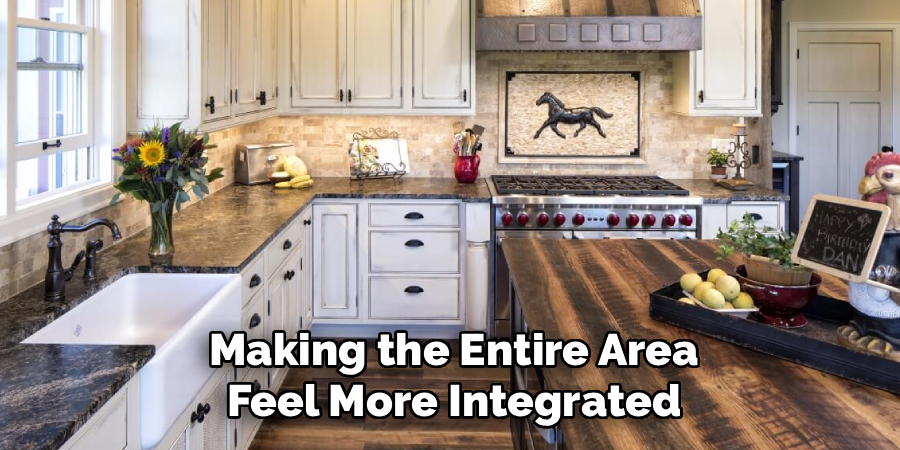
A wide pass-through can even serve as a serving counter or breakfast bar with the addition of a small ledge and stools. This method maintains the kitchen’s structure while dramatically improving openness and flow, making the entire area feel more integrated and expansive.
5. Improve Lighting to Create an Illusion of Space
Lighting has a profound effect on how large or cramped a space feels. In a galley kitchen, enhancing lighting can make a significant difference in creating the illusion of a more expansive environment. Layer different types of lighting: bright overhead fixtures, under-cabinet task lighting, and ambient wall lights. Where possible, maximize natural light by keeping window areas unobstructed or opting for sheer curtains. Recessed lighting is another great choice because it offers a streamlined look and doesn’t crowd the ceiling, thereby making the room feel taller and more open.
6. Use Uniform Flooring and Wall Colors
Continuity in flooring and wall colors helps eliminate visual breaks and makes the kitchen appear longer and more spacious. Use the same or similar flooring material throughout the kitchen and adjoining spaces to create a seamless flow. Light-colored tiles or hardwood planks that run lengthwise can draw the eye forward, emphasizing the length of the kitchen. Similarly, sticking with a neutral or monochromatic color scheme for walls, cabinets, and backsplashes keeps the look cohesive and open. The absence of contrasting tones reduces visual clutter, helping the kitchen feel larger and more unified.
7. Incorporate Glass Elements to Increase Depth
Glass reflects light and allows you to see through objects, which can add a sense of openness and depth to a galley kitchen. Consider replacing some cabinet doors with glass inserts to lighten their visual weight. Another option is to use a glass backsplash, which not only adds shine and elegance but also helps bounce light around the room. If you have a kitchen door leading to another room or outside, opt for a glass-panel door instead of a solid one. These transparent or reflective elements visually expand the space without requiring structural changes.
8. Install Space-Saving Cabinetry and Smart Storage Solutions
Maximizing every inch of available storage helps eliminate countertop clutter, which in turn makes the kitchen feel larger. Choose slim, tall cabinets that reach the ceiling to use vertical space effectively. Pull-out shelves, lazy Susans, and under-sink organizers can optimize tight corners and awkward areas. Integrated appliances or built-in drawer microwaves free up counter space. Additionally, narrow drawer units or toe-kick drawers can be used for storing items like baking trays or cutting boards. These clever storage solutions reduce visual congestion and improve the usability of your kitchen without adding square footage.
9. Use Mirrors or Reflective Surfaces Strategically
Mirrors and other reflective surfaces can dramatically change the perception of space. Adding a mirror along one wall of the galley kitchen—or even mirrored backsplash tiles—can visually double the room’s width. Stainless steel appliances, glossy cabinet finishes, and polished stone countertops also help bounce light, contributing to a more open feel. These reflective materials draw the eye across the room and create a dynamic environment that feels less confining. The key is not to overdo it—one or two reflective elements are enough to make an impact without overwhelming the overall design.
10. Integrate Multi-Functional Furniture or Appliances
In tight galley kitchens, multi-functional features help expand usability without requiring a larger footprint. For example, an integrated rolling island can serve as a prep station, dining area, or storage unit and be tucked away when not in use. Fold-down tables, wall-mounted cutting boards, or collapsible bar counters are other space-saving solutions. Choose appliances that offer dual functions, such as an oven with built-in air fryer capabilities or a microwave-convection combo. By maximizing functionality in a compact layout, you increase the efficiency and usability of your galley kitchen while freeing up more space.
Maintenance and Upkeep
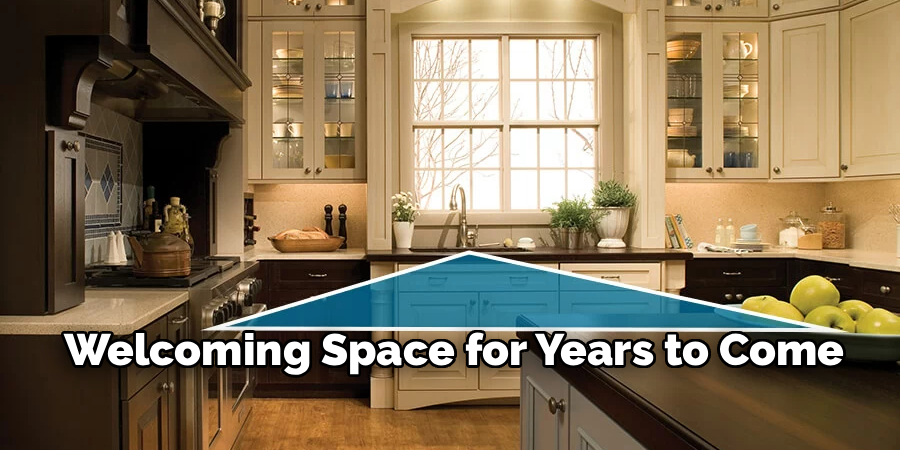
Maintaining a galley kitchen is essential to ensure its long-term functionality and aesthetic appeal. Start by establishing a regular cleaning routine to keep surfaces, appliances, and storage areas in top condition. Wipe down counters, backsplashes, and cabinet doors daily to prevent the buildup of grease and grime. Deep clean appliances, such as the oven, refrigerator, and dishwasher, on a monthly basis to ensure optimal performance. Regularly inspect fixtures like faucets and lighting for signs of wear or damage, addressing issues promptly to prevent further complications. Additionally, optimize your organization by decluttering periodically and keeping storage systems neat and accessible. With consistent maintenance, your galley kitchen will remain an efficient and welcoming space for years to come.
Alternative Methods and Tips
- Maximize Vertical Space: Install wall-mounted shelves or magnetic strips to store commonly used utensils, keeping your countertops free of clutter. Hanging pots and pans can also save valuable cabinet space.
- Utilize Drawer Dividers: To make the most of your limited drawer space, use dividers to separate utensils, spices, or smaller accessories. This helps keep everything organized and easy to find.
- Invest in Multifunctional Appliances: Consider compact appliances that serve multiple purposes, such as a toaster oven with convection settings or an immersion blender for both blending and chopping. These save both counter space and money.
- Light It Up: Brighten your galley kitchen with under-cabinet lighting to create a welcoming ambiance and improve visibility in work areas. LED strips are an energy-efficient and practical choice.
- Smart Storage Solutions: Incorporate pull-out shelves or lazy Susans in cabinets for easier access to items. Over-the-sink cutting boards or foldable counters can provide additional prep space as needed.
By incorporating these tips and considering alternative solutions, you can enhance the functionality and enjoyability of your galley kitchen, making the most of every inch available.
Conclusion
Expanding a galley kitchen doesn’t always mean major demolition or costly renovations. Through a combination of structural adjustments, design enhancements, and clever storage strategies, you can make your kitchen feel more spacious, functional, and inviting. Thanks for reading our blog post on how to expand a galley kitchen! We hope you found it helpful and informative.

About
Diane Lo is a distinguished figure in the world of kitchen innovation and culinary design, with over a decade of expertise creating functional and sustainable kitchen environments. Her professional focus lies in merging ergonomic spatial planning with modern culinary technology, fostering kitchen layouts that are both highly practical and aesthetically refined. As the lead expert at Kitchenub, Diane Lo delves into the art and science of kitchen organization, appliance selection, and workflow efficiency, inspiring home cooks and professional designers alike.
Education
Royal Melbourne Institute of Technology (RMIT University) (Melbourne, Australia) Associate Degree in Interior Design and Spatial Planning Focus on sustainable kitchen layouts, user-centric design, and ergonomic efficiency. Gained hands-on experience in high-traffic commercial kitchen modeling and advanced space-saving architecture.
Nottingham Trent University (United Kingdom) Bachelor’s in Product Design and Culinary Architecture (Honors) Specialized in the intersection of kitchen technology and lifestyle design. Participated in major industry collaborations, working with premium appliance manufacturers and cabinetry firms to gain real-world insights into modern kitchen workflows.
Publications and Impact
At Kitchenub, Diane Lo shares her expert insights on kitchen renovation processes, material durability, and strategies for achieving peak culinary productivity. Her writing effectively bridges the gap between professional culinary needs and home design, making it an essential resource for those looking to transform their kitchen into a highly efficient and welcoming heart of the home.