

Opening a bag of coffee may seem like a simple task, but doing it correctly can help preserve the freshness and flavor of your beans. Whether you’re a seasoned coffee enthusiast or just starting your brewing journey, knowing how to properly open and store your coffee is essential for the best brewing experience. This guide will walk you through the steps of how to open a bag of coffee.
Importance of Proper Technique
Using the proper technique to open a bag of coffee is crucial for maintaining the quality and freshness of the beans. Coffee is highly sensitive to light, air, and moisture, which can quickly degrade its flavor and aroma. By carefully opening the bag and resealing it correctly, you protect the beans from unnecessary exposure to these elements. This ensures that each cup of coffee you brew retains its intended taste profile, providing a more enjoyable experience. Additionally, a proper opening technique minimizes the risk of spilling beans or damaging the bag, making storage easier and more convenient.
Identify the Type of Coffee Bag You Have
Before opening your coffee, it’s important to determine the type of bag you’re dealing with. Coffee bags come in various designs, each with unique features that affect how they are opened. The most common types include:
- Valve-Sealed Bags – These bags often have a one-way valve that allows carbon dioxide to escape while keeping oxygen out. They may be sealed with a tin tie or a resealable zipper.
- Heat-Sealed Bags – These feature a sealed top that requires cutting or tearing to access the coffee inside.
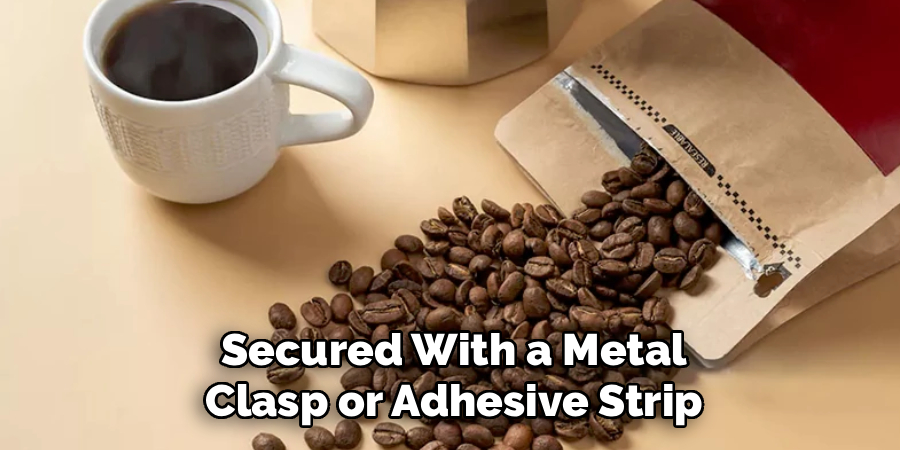
- Folded and Clasped Bags – These bags are typically folded at the top and secured with a metal clasp or adhesive strip.
- Vacuum-Sealed Bricks – These are tightly packed and sealed to preserve freshness, often requiring scissors or a knife to open.
Understanding the type of coffee bag you have will help determine the best method to access your coffee without compromising its quality.
10 Methods How to Open a Bag of Coffee
1. Using the Easy-Tear Notch for a Clean Opening
Most modern coffee bags come equipped with a pre-cut notch along the top seam, designed specifically for easy tearing. This notch allows consumers to open the package neatly without the need for tools. To utilize this method, hold the bag firmly at both sides near the top, placing your thumbs just below the notch. Gently but firmly pull in opposite directions to rip open the seal in a controlled manner. This method is efficient, tidy, and preserves the structural integrity of the bag, which is useful if you plan to reseal it later. Be sure to open it slowly to avoid spilling the contents, especially if the bag is filled close to the brim.
2. Cutting Across the Top with Scissors
For coffee bags that lack a tear notch or if you prefer more precision, scissors are a reliable tool. Simply place the bag on a flat surface and cut a straight line across the top edge, about half an inch below the seam. This method provides a clean edge, reduces the risk of jagged openings, and helps maintain the aesthetic of premium packaging. If the bag includes a ziplock seal or resealable tape, be sure to cut just above it to preserve its function. This approach also works well with vacuum-sealed or foil-lined coffee bags that require a bit more force to open.
3. Using a Sharp Knife for Vacuum-Sealed Bags
Vacuum-sealed coffee bags often require a bit more effort to open, especially those with thick foil or plastic exteriors. Using a sharp kitchen knife, such as a paring knife or utility knife, carefully slice along the top seam of the bag. To avoid damaging the coffee grounds inside, apply gentle pressure and cut just beneath the top edge. This technique is ideal for people who want to preserve as much of the bag as possible for resealing or decorative purposes. Always use a cutting board underneath and maintain caution to prevent injury or spillage.
4. Pulling the String Tie or Paper Strip
Some traditional coffee bags come with a built-in string tie or embedded paper strip sealed into the fold of the packaging. This strip, when pulled, unravels the top of the bag in a clean spiral. To open it correctly, find the end of the string, typically marked or exposed at the top edge. Hold the bag steady and slowly pull the string across. This will cause the seam to unravel, opening the bag without the need for scissors or knives. This old-fashioned method adds a rustic charm and is commonly found in artisanal or specialty coffee packaging.
5. Peeling Back the Adhesive Strip
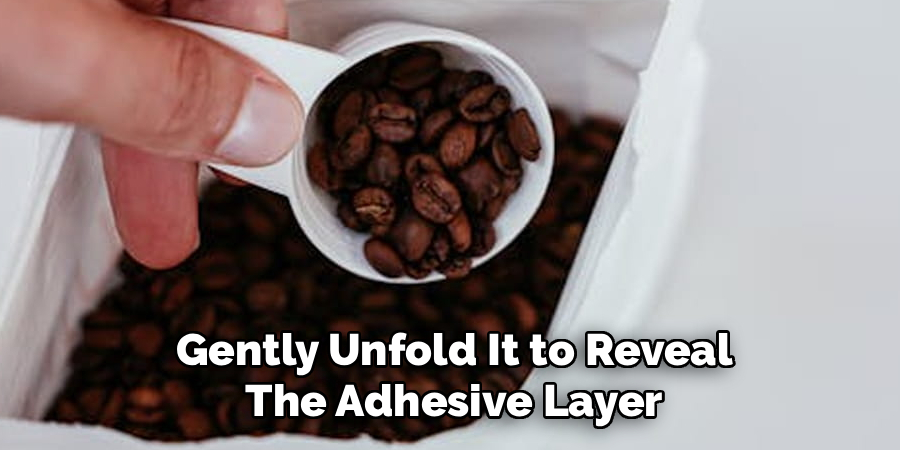
A number of resealable coffee bags come with a pressure-sensitive adhesive strip beneath a folded flap. To open, locate the flap—usually near the top of the bag—and gently unfold it to reveal the adhesive layer. Slowly peel back the adhesive seal to expose the contents. This method is especially helpful if you plan to reseal the bag multiple times, as the adhesive usually retains its stickiness through repeated use. Be cautious not to rip the bag while peeling, and always reseal it after each use to preserve the coffee’s freshness.
6. Cutting Below a Built-In Resealable Zipper
Some modern coffee packaging includes a built-in ziplock-style zipper hidden beneath a sealed top edge. To access it, you must first cut just above the zip track using scissors or a knife. Once opened, you can easily access and reseal the bag using the zipper, which is designed to keep the coffee fresh by reducing exposure to air. This method is excellent for long-term use and helps maintain the full flavor and aroma of your coffee. Always inspect the bag for zipper placement before cutting to avoid severing the mechanism.
7. Tearing Along Perforated Edges
Certain coffee bags are designed with subtle perforated edges that allow for a controlled tear. These edges may be slightly rough or marked with a dotted line indicating the direction of the tear. Hold the bag securely and use your thumbs to guide the tear along the perforated line. This method requires a bit of finesse to avoid uneven tearing but offers a tool-free and tidy opening. It’s most effective on paper or soft plastic packaging, and often used for single-serve or portioned bags of coffee.

8. Using a Bag Opener Tool
A bag opener tool is a small kitchen gadget designed to slice open sealed bags cleanly and safely. These tools typically have a protected blade that glides across the top of the package, cutting through foil or plastic with minimal effort. To use, clamp the opener onto the top of the coffee bag and slide it from one side to the other. This method ensures a neat, straight cut and minimizes the risk of spilling. It’s especially useful for people with arthritis or limited hand strength, offering both convenience and precision.
9. Employing a Rolling Pin or Blunt Object to Break the Seal
In rare cases where the seal on a coffee bag is exceptionally tough, a rolling pin or similarly blunt object can help break the vacuum or adhesive bond. Lay the unopened bag on a sturdy surface and gently roll the pin over the top seam, applying steady pressure. This action can help loosen the seal and allow for easier opening by hand. Be careful not to crush the coffee inside, and only use this method on bags without delicate zip or reseal features.
10. Opening a Tin-Tie Bag by Unfolding and Separating
Many craft coffee roasters use tin-tie bags—paper bags with foldable metal strips at the top. These are among the easiest types to open and reseal. To open, simply unfold the top flap, then pull apart the sides of the bag near the tin tie. This action opens the bag wide while preserving its structure. After scooping your desired amount of coffee, fold the top down again and press the tin ties inward to reseal. This reusable design is popular for both eco-friendliness and ease of use, making it a favored option among coffee connoisseurs.
Alternative Methods and Tips
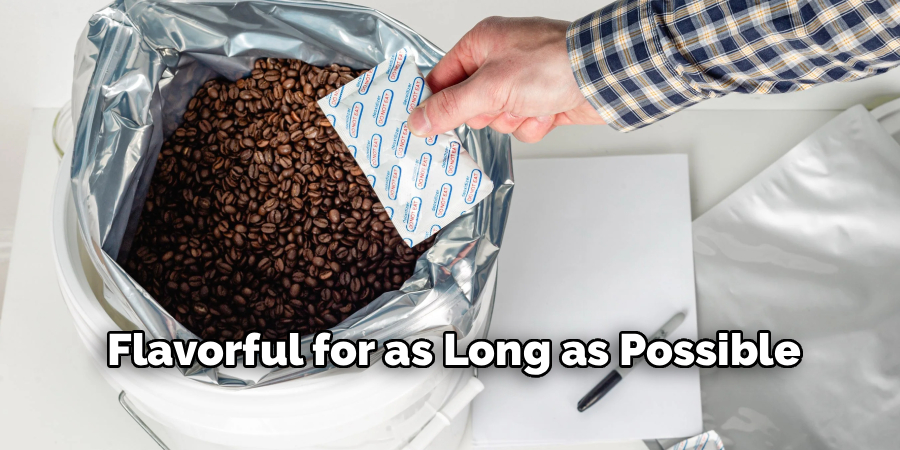
If the bag does not reseal properly, consider transferring the coffee to an airtight container to maintain freshness. Glass jars with rubber seals or specially-designed coffee canisters with one-way valves are excellent options for preserving the flavor and aroma. Additionally, when using the original packaging, always store the bag in a cool, dark place away from direct sunlight and moisture. For optimal results, avoid freezing coffee unless absolutely necessary, as frequent changes in temperature can lead to condensation and degrade the beans. By employing these methods, you can ensure your coffee remains fresh and flavorful for as long as possible.
Conclusion
Opening a bag of coffee might seem like a simple task, but the variety of packaging methods available today means that understanding the correct approach can greatly improve your experience. From tearing along notches to using specialized tools or unraveling traditional ties, each method offers its own blend of practicality and style. Thanks for reading our blog post on how to open a bag of coffee! We hope you found it helpful and informative.

About
Diane Lo is a distinguished figure in the world of kitchen innovation and culinary design, with over a decade of expertise creating functional and sustainable kitchen environments. Her professional focus lies in merging ergonomic spatial planning with modern culinary technology, fostering kitchen layouts that are both highly practical and aesthetically refined. As the lead expert at Kitchenub, Diane Lo delves into the art and science of kitchen organization, appliance selection, and workflow efficiency, inspiring home cooks and professional designers alike.
Education
Royal Melbourne Institute of Technology (RMIT University) (Melbourne, Australia) Associate Degree in Interior Design and Spatial Planning Focus on sustainable kitchen layouts, user-centric design, and ergonomic efficiency. Gained hands-on experience in high-traffic commercial kitchen modeling and advanced space-saving architecture.
Nottingham Trent University (United Kingdom) Bachelor’s in Product Design and Culinary Architecture (Honors) Specialized in the intersection of kitchen technology and lifestyle design. Participated in major industry collaborations, working with premium appliance manufacturers and cabinetry firms to gain real-world insights into modern kitchen workflows.
Publications and Impact
At Kitchenub, Diane Lo shares her expert insights on kitchen renovation processes, material durability, and strategies for achieving peak culinary productivity. Her writing effectively bridges the gap between professional culinary needs and home design, making it an essential resource for those looking to transform their kitchen into a highly efficient and welcoming heart of the home.