

A brick pizza oven is a timeless cooking tool that brings an authentic touch to preparing pizza and a variety of other dishes. Known for its ability to reach high temperatures and deliver an even cook, it creates a perfectly crisp crust and unlocks flavors that conventional ovens cannot replicate. Whether you are an experienced cook or a novice, learning to use a brick pizza oven can elevate your culinary skills and provide a unique dining experience. This guide is designed to help you with how to use a brick pizza oven.
What Is a Brick Pizza Oven
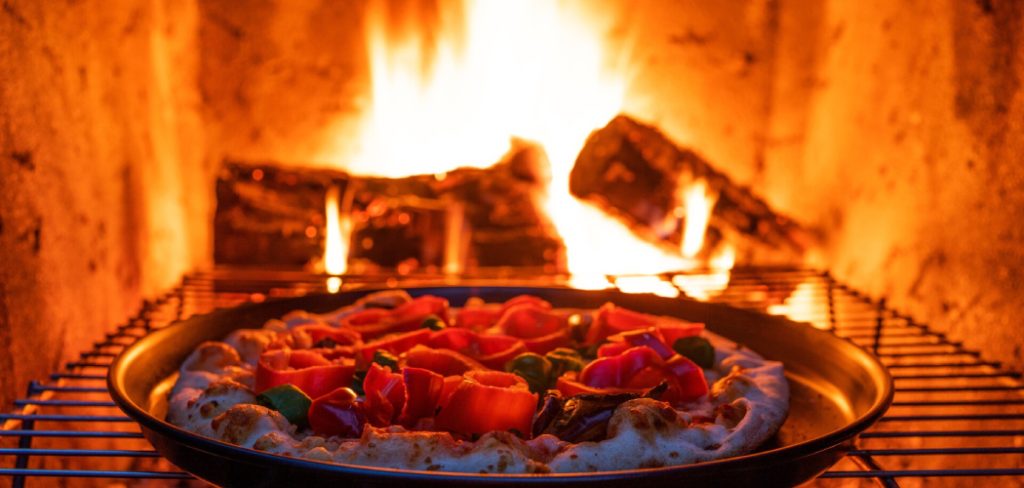
A brick pizza oven is a traditional cooking appliance constructed primarily from bricks, cement, and other heat-resistant materials. It features a dome-shaped design that allows for even heat distribution, making it ideal for baking pizzas, bread, and other dishes. The oven is typically powered by wood, though some modern versions can use gas or electricity, giving users versatile options.
These ovens retain and radiate heat exceptionally well, often reaching temperatures of up to 900°F (482°C), which enables quick cooking times and authentic, flavorful results. The unique design and materials create a distinct smoky taste and perfectly cooked textures, which are difficult to achieve in conventional ovens. Brick pizza ovens have been used for centuries and remain a celebrated tool for both professional chefs and home cooking enthusiasts.
Tools and Materials You’ll Need
Building or using a brick pizza oven requires specific tools and materials to ensure optimal results. Here’s a list of essentials:
- Firebricks: These are heat-resistant bricks specially designed to withstand high temperatures and are crucial for constructing the oven floor and dome.
- Refractory Mortar: Use this heat-resistant mortar to secure firebricks in place and ensure the structure’s durability.
- Insulation Materials: Ceramic boards or blankets are vital for maintaining consistent high temperatures and improving the oven’s efficiency.
- Pizza Peel: A flat, paddle-like tool used to place, rotate, and remove pizzas from the hot oven.
- Infrared Thermometer: This helps check the oven’s temperature to ensure it’s perfect for cooking.
- Wood: Choose hardwoods like oak, hickory, or maple for a slow-burning, high-temperature fire and rich flavors.
- Shovel and Brush: A metal shovel aids in managing coals and wood placement, while a heat-resistant brush is perfect for cleaning ash from the cooking surface.
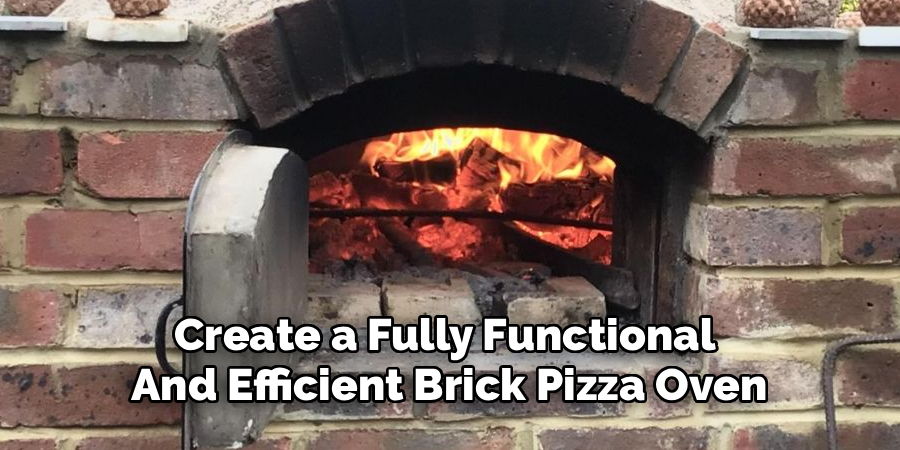
These tools and materials will help you create a fully functional and efficient brick pizza oven, ensuring a satisfying cooking experience every time.
10 Methods How to Use a Brick Pizza Oven
1. Prepare the Oven Area for Safe and Efficient Use
Before you begin cooking, ensure that the oven area is clean, dry, and free of any leftover ash or debris from previous uses. Sweep out any residual soot, burnt wood, or food particles from the oven floor. Check that there is proper ventilation to allow smoke to exit freely through the chimney. Make sure all your tools—such as a pizza peel, heat-resistant gloves, a brush, and a fire poker—are clean and within reach. Proper preparation minimizes the risk of fire hazards and allows for smoother operation throughout the cooking process.
2. Choose the Right Firewood for a Clean, Hot Fire
Selecting the appropriate firewood is critical for building a long-lasting, clean-burning fire. Use well-seasoned hardwoods like oak, maple, ash, or hickory, which burn hot and produce minimal smoke. Avoid softwoods like pine or spruce, which can deposit resin and soot inside your oven. The firewood should be dry and cut to a manageable size that fits easily in the oven. Good-quality wood ensures high heat, clean combustion, and adds subtle smoky undertones to your food without overpowering the flavors.
3. Build and Maintain the Fire in Stages
To use a brick pizza oven correctly, begin by building a small fire at the center of the oven using kindling and fire starters. Once the kindling is burning well, gradually add larger logs to build heat. Let the fire burn for about 45 minutes to an hour, depending on your oven size, until the internal temperature reaches at least 700°F (370°C). As the fire grows, push it to the back or side of the oven to create space for cooking. Maintaining the fire throughout the session helps preserve consistent heat for multiple pizzas.
4. Monitor the Oven Temperature Accurately
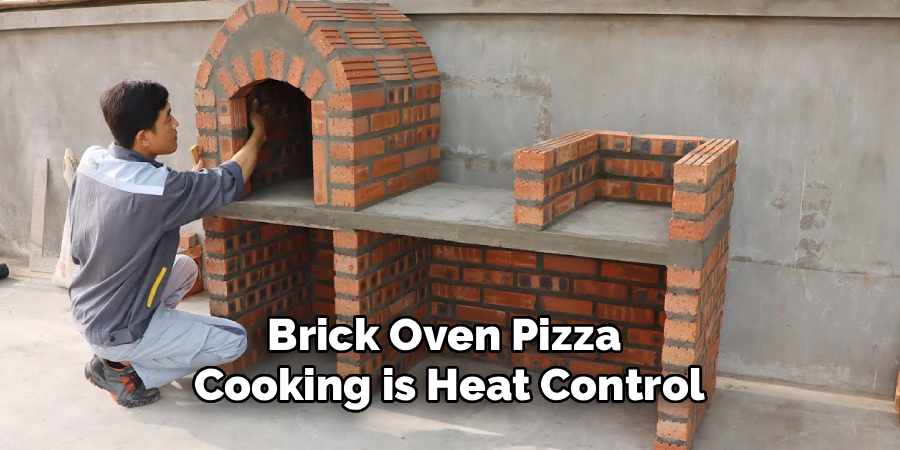
A key factor in successful brick oven pizza cooking is heat control. Use an infrared thermometer to check the oven floor and dome temperatures before placing your pizza inside. The ideal temperature range for cooking pizzas is between 650°F to 900°F (343°C to 482°C), depending on how quickly you want the pizza to cook. Too cool, and the crust will be soggy; too hot, and the crust may burn before the toppings are cooked. Monitoring temperature helps you find the right balance for perfectly baked pizzas.
5. Preheat the Oven Floor Evenly
The brick oven floor must be evenly heated to prevent raw or undercooked bottoms. After pushing the fire to one side, allow the heat to radiate and distribute across the oven floor. Rotate the logs or reposition the fire if certain areas are significantly cooler. You can test the floor by sprinkling a bit of flour—if it blackens quickly, it’s too hot. If it browns gently within a few seconds, the floor is ready. Even heat distribution guarantees that every pizza comes out with a crisp, golden base.
6. Use a Pizza Peel to Place and Rotate the Pizza
A pizza peel is an essential tool for handling pizzas inside a hot brick oven. Dust the peel lightly with flour or cornmeal to prevent sticking, then slide the uncooked pizza smoothly into the oven. Place the pizza near but not directly beside the fire. As the pizza cooks, use the peel to rotate it every 20–30 seconds to ensure an even bake on all sides. The high heat of a brick oven means pizzas cook fast—typically in under 2 minutes—so frequent rotation is necessary.
7. Manage the Flame During Cooking
Even after reaching optimal temperature, maintaining the flame is vital. Keep a small flame alive at the back or side of the oven to continue radiating heat over the pizza as it cooks. This top-down heat helps melt cheese and brown toppings evenly. Add small logs periodically to maintain the flame without overloading the oven or reducing visibility. Controlling the flame ensures that your pizza is well-cooked from top to bottom and avoids the common mistake of undercooked toppings with an overcooked crust.
8. Cook One Pizza at a Time for Best Results
Although a large brick oven can technically accommodate multiple pizzas, it is advisable to cook one at a time unless you’re highly experienced. This allows you to monitor the pizza’s position, rotate it as needed, and manage heat distribution without distraction. Cooking one pizza at a time also helps preserve consistent oven floor temperature and prevents crowding, which can lead to uneven baking. For larger gatherings, prepare your pizzas in advance and cook them in quick succession.
9. Let the Pizza Rest Briefly Before Serving
Once your pizza is golden, bubbling, and cooked to perfection, use the peel to remove it from the oven and place it on a wooden cutting board or wire rack. Allow the pizza to rest for 1 to 2 minutes before slicing. This short resting period helps the cheese set slightly, making it easier to cut cleanly and reducing the risk of burning your mouth. It also allows residual heat to finish cooking the toppings if needed.
10. Clean and Maintain the Oven After Use
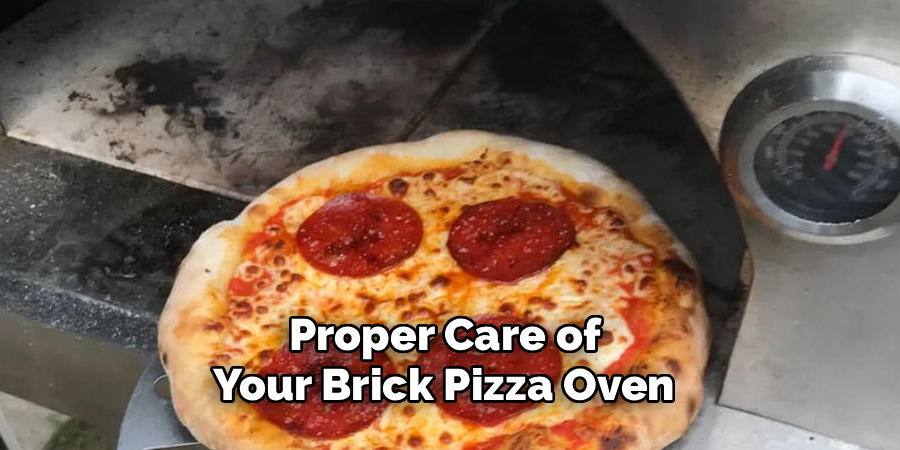
Proper care of your brick pizza oven ensures it performs well for years to come. Once the fire has burned out and the oven has cooled completely, sweep out any remaining ash and debris. Use a brass-bristled brush to gently clean the oven floor. Avoid using water or chemical cleaners, as they can damage the masonry. Periodically inspect the oven dome and chimney for soot buildup and clean as necessary. A clean oven not only improves performance but also prevents smoke and off-flavors from affecting future meals.
Troubleshooting Common Issues
Even with proper maintenance, you may occasionally encounter issues with your brick pizza oven. Here are some common problems and their solutions:
- Uneven Cooking or Hot Spots: If your pizzas are cooking unevenly, ensure the fire is spread evenly across the oven floor. Use a turning peel to rotate your pizza halfway through cooking for consistent results.
- Excess Smoke: Excessive smoke may be caused by using damp or improperly seasoned wood. Always use dry, hardwoods like oak or maple to minimize smoke production. Check that the chimney is clear of obstructions for proper ventilation.
- Difficulty Reaching High Temperatures: If your oven is struggling to reach optimal cooking temperatures, it could be due to improper fire-building techniques. Start with small kindling and gradually add larger pieces of wood as the fire grows. Additionally, ensure the oven is adequately preheated before cooking.
- Cracks in the Oven: Small cracks are common in brick pizza ovens due to thermal expansion. Monitor them to ensure they do not spread or compromise the structure. If larger cracks develop, use a heat-resistant masonry repair kit to address the issue.
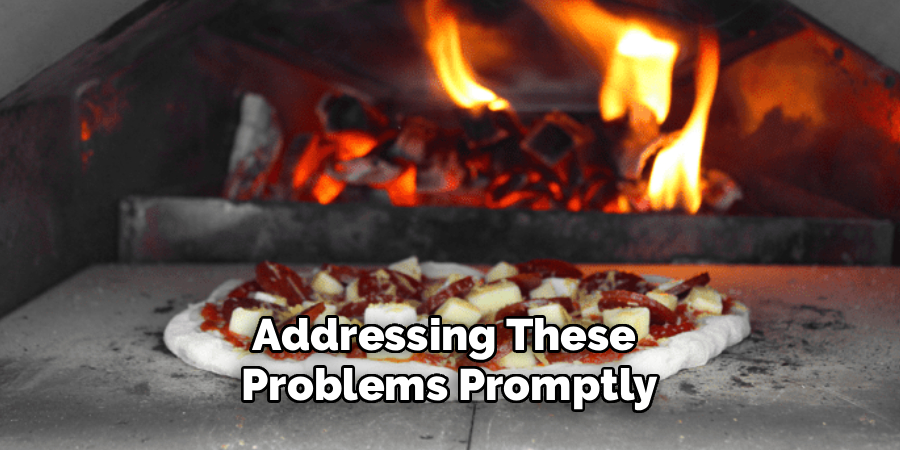
By addressing these problems promptly, you can ensure your brick pizza oven continues to deliver excellent results and enjoyable cooking experiences.
Conclusion
Using a brick pizza oven may seem intimidating at first, but with the right techniques and a bit of practice, it becomes an immensely satisfying way to cook. From building the fire to managing temperature, positioning your pizza, and maintaining the oven, each method plays a vital role in achieving that classic, wood-fired flavor and perfect crust. Thanks for reading our blog post on how to use a brick pizza oven! We hope you found it helpful and informative.

About
Diane Lo is a distinguished figure in the world of kitchen innovation and culinary design, with over a decade of expertise creating functional and sustainable kitchen environments. Her professional focus lies in merging ergonomic spatial planning with modern culinary technology, fostering kitchen layouts that are both highly practical and aesthetically refined. As the lead expert at Kitchenub, Diane Lo delves into the art and science of kitchen organization, appliance selection, and workflow efficiency, inspiring home cooks and professional designers alike.
Education
Royal Melbourne Institute of Technology (RMIT University) (Melbourne, Australia) Associate Degree in Interior Design and Spatial Planning Focus on sustainable kitchen layouts, user-centric design, and ergonomic efficiency. Gained hands-on experience in high-traffic commercial kitchen modeling and advanced space-saving architecture.
Nottingham Trent University (United Kingdom) Bachelor’s in Product Design and Culinary Architecture (Honors) Specialized in the intersection of kitchen technology and lifestyle design. Participated in major industry collaborations, working with premium appliance manufacturers and cabinetry firms to gain real-world insights into modern kitchen workflows.
Publications and Impact
At Kitchenub, Diane Lo shares her expert insights on kitchen renovation processes, material durability, and strategies for achieving peak culinary productivity. Her writing effectively bridges the gap between professional culinary needs and home design, making it an essential resource for those looking to transform their kitchen into a highly efficient and welcoming heart of the home.