

Dehydrating peaches in the oven is a simple and effective way to preserve their natural sweetness and enjoy them year-round. This method allows you to create a healthy, homemade snack with minimal equipment and effort. By removing the moisture from the fruit, you can extend its shelf life while concentrating its flavors, making it a delicious addition to cereals, trail mixes, or desserts. This guide is designed to help you with how to dehydrate peaches in the oven.
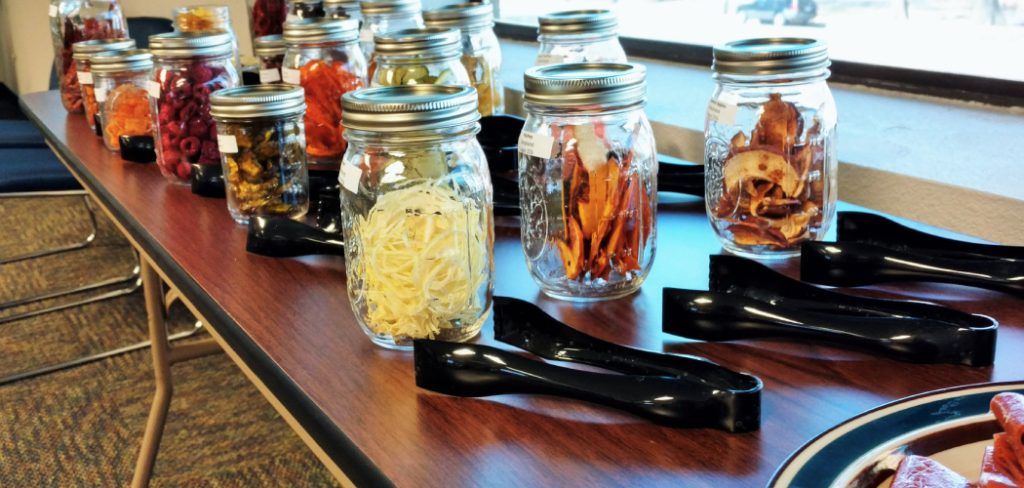
Why Dehydrate Peaches?
Dehydrating peaches provides numerous benefits that go beyond simple preservation. By removing the water content, you prevent the growth of mold and bacteria, allowing the peaches to last much longer compared to fresh fruit. Dehydrated peaches retain their natural sweetness and nutrients, making them a healthy and portable snack option that is free from added sugars or preservatives.
Additionally, dehydrated peaches are versatile in the kitchen—they can be rehydrated for use in recipes like pies and cobblers or enjoyed straight out of the container as a chewy, flavorful treat. This process not only reduces food waste but also ensures you can savor the taste of ripe peaches even outside their growing season.
Tools and Ingredients You’ll Need
To successfully dehydrate peaches at home, you’ll need a few essential tools and ingredients. Here’s a list to get you started:
Tools:
- Sharp Knife – For slicing the peaches evenly.
- Cutting Board – To safely prepare your fruit.
- Dehydrator – A food dehydrator ensures consistent drying, but an oven set to low heat can also work as an alternative.
- Peeler (Optional) – If you prefer skinless dehydrated peaches.
- Airtight Containers or Bags – For storing the dehydrated peaches and maintaining their freshness.
Ingredients:
- Fresh, Ripe Peaches – Choose firm and aromatic peaches for the best flavor and texture.
- Lemon Juice (Optional) – A small amount of lemon juice mixed with water helps prevent browning during the drying process.
Having these tools and ingredients at your disposal will make the dehydration process smooth and efficient, ensuring delicious results every time.
10 Methods How to Dehydrate Peaches in the Oven
1. Select Fully Ripe, Unblemished Peaches
The first and most crucial step in dehydrating peaches is selecting the right fruit. Choose peaches that are ripe but not overripe. A ripe peach should yield slightly to gentle pressure and have a strong, sweet aroma. Avoid fruit that is mushy, has brown spots, or shows signs of mold. Using high-quality peaches ensures your dried slices will be flavorful and safe to consume. Yellow-fleshed peaches are often preferred for dehydration due to their natural sweetness and lower moisture content.

2. Wash and Sanitize the Peaches Thoroughly
Before any slicing begins, it is essential to wash the peaches under cool running water to remove any dirt, pesticides, or residue. If desired, soak them briefly in a solution of one part vinegar to three parts water for natural disinfection. Gently scrub each peach with your hands or a soft brush, especially around the stem where debris tends to hide. Once cleaned, pat them dry with a clean cloth or paper towel. Clean produce reduces the risk of introducing bacteria during the drying process.
3. Peel the Skin for Smoother Texture (Optional)
Although it’s not strictly necessary, peeling the peaches can give your dried slices a softer texture and prevent any bitterness that may come from the skin. To peel them easily, score a small X on the bottom of each peach, then blanch them in boiling water for about 30 seconds. Immediately transfer them into an ice water bath to stop the cooking. The skins should peel off easily with your fingers or a paring knife. If you prefer a rustic finish or want to save time, you can skip this step and dehydrate them with the skin on.
4. Slice the Peaches Evenly for Uniform Drying
After peeling (if desired), cut the peaches in half and remove the pits. Then, slice the halves into ¼ to ⅜-inch thick slices. Keeping the thickness consistent ensures even drying. Thinner slices will dry faster, while thicker ones take longer and may result in chewy centers. Using a mandoline slicer or a sharp knife helps maintain uniformity. Avoid cutting the slices too thick, as they can dry unevenly or remain moist in the middle, increasing the risk of spoilage.

5. Soak in Lemon Water to Prevent Browning
Peach slices are prone to browning due to oxidation. To maintain a bright, appealing color, soak the sliced peaches in a mixture of lemon juice and water (1 tablespoon lemon juice per 1 cup of water) for about 10 minutes. This natural method not only preserves the color but also adds a slight tanginess that enhances the flavor. After soaking, drain the slices and pat them dry to remove excess moisture before placing them in the oven.
6. Use a Wire Rack or Parchment on Baking Trays
To prevent sticking and allow good air circulation, place the peach slices on a wire rack set over a baking sheet or use parchment paper on a flat tray. Avoid overcrowding—space the slices evenly with a small gap between them. This ensures hot air can circulate around each piece, promoting consistent drying. If using parchment, flip the slices occasionally during drying to prevent the bottoms from becoming soggy.
7. Set Oven Temperature to Low and Use the Warm Setting
Dehydration requires low heat to remove moisture gradually without cooking the fruit. Set your oven to the lowest temperature possible, ideally between 135°F to 170°F (57°C to 77°C). If your oven does not go that low, prop the oven door open slightly using a wooden spoon or heat-safe object to let moisture escape and reduce internal temperature. This mimics the effect of a dehydrator and helps prevent burning or uneven drying.
8. Bake Slowly and Rotate Trays Periodically
Drying peaches in the oven can take anywhere from 6 to 12 hours depending on slice thickness and oven temperature. Start checking for doneness after 6 hours. During the drying process, rotate trays every 1 to 2 hours and flip slices halfway through to ensure uniform drying on both sides. The peaches are ready when they are dry to the touch, slightly leathery, and no longer sticky. They should not feel moist but should remain slightly pliable when bent.

9. Cool Completely and Condition Before Storage
Once the peaches are fully dehydrated, remove them from the oven and let them cool completely on the trays. Warm fruit retains residual moisture that can lead to condensation in storage. After cooling, place the dried slices in a loosely sealed jar or container for 7 days, shaking daily. This process, known as “conditioning,” allows any remaining moisture to distribute evenly and helps identify if any pieces are too wet. If condensation appears inside the container, return the peaches to the oven for additional drying.
10. Store in Airtight Containers for Long-Term Use
After conditioning, store the dried peaches in airtight containers, preferably glass jars or vacuum-sealed bags. Keep them in a cool, dark, and dry place, such as a pantry or cupboard. Properly dried and stored peach slices can last for up to 6–12 months. For even longer shelf life, consider storing them in the refrigerator or freezer. Label each container with the drying date to keep track of freshness. Always inspect stored fruit for signs of moisture or mold before eating.
Maintenance and Upkeep
To ensure the longevity and quality of your dried peaches, periodically check the storage containers for any signs of moisture, mold, or pests. If you detect moisture buildup, re-dry the peaches immediately to prevent spoilage. Containers should remain tightly sealed to keep out air and humidity.
Clean the storage jars or bags thoroughly before refilling them with new batches to avoid contamination. Additionally, maintain consistent storage conditions by keeping the temperature stable and avoiding exposure to direct sunlight. Taking these steps will help preserve the flavor, texture, and safety of your dried peaches over time.
Troubleshooting Common Issues
Even with proper storage and preparation, you may encounter some issues with your dried peaches. Here are common problems and solutions to address them:
- Moisture Reappearing in Dried Peaches
If your dried peaches feel sticky or soft, they may have absorbed moisture from the air. To fix this, place them back in the dehydrator or oven at a low temperature for a short period until they are fully dried again.
- Off Odors or Mold Growth
Unpleasant smells or visible mold indicate spoilage, often caused by improper drying or exposure to humidity. Discard the affected peaches immediately, and check the storage conditions. Ensure jars or bags are airtight and stored in a cool, dry place.

- Hard or Overly Dry Texture
If dried peaches become too hard, they may have lost more moisture than desired. You can rehydrate them slightly by placing them in a sealed container with a damp paper towel for several hours, being careful not to over-moisten.
- Infestations or Contamination
If you notice any signs of pests or contamination, such as small insects or debris, discard the affected batch. Thoroughly clean the storage containers and your storage area before replenishing with a new batch of dried peaches.
By addressing these issues promptly and maintaining good storage practices, you can enjoy your dried peaches at their best quality for months to come.
Conclusion
Dehydrating peaches in the oven is an economical and rewarding way to preserve one of summer’s sweetest fruits. With careful attention to preparation, slicing, temperature control, and storage, you can create a delicious, shelf-stable snack that retains the essence of ripe peaches. Each of the ten methods outlined above contributes to successful dehydration, ensuring flavor, texture, and safety. Thanks for reading our blog post on how to dehydrate peaches in the oven! We hope you found it helpful and informative.

About
Diane Lo is a distinguished figure in the world of kitchen innovation and culinary design, with over a decade of expertise creating functional and sustainable kitchen environments. Her professional focus lies in merging ergonomic spatial planning with modern culinary technology, fostering kitchen layouts that are both highly practical and aesthetically refined. As the lead expert at Kitchenub, Diane Lo delves into the art and science of kitchen organization, appliance selection, and workflow efficiency, inspiring home cooks and professional designers alike.
Education
Royal Melbourne Institute of Technology (RMIT University) (Melbourne, Australia) Associate Degree in Interior Design and Spatial Planning Focus on sustainable kitchen layouts, user-centric design, and ergonomic efficiency. Gained hands-on experience in high-traffic commercial kitchen modeling and advanced space-saving architecture.
Nottingham Trent University (United Kingdom) Bachelor’s in Product Design and Culinary Architecture (Honors) Specialized in the intersection of kitchen technology and lifestyle design. Participated in major industry collaborations, working with premium appliance manufacturers and cabinetry firms to gain real-world insights into modern kitchen workflows.
Publications and Impact
At Kitchenub, Diane Lo shares her expert insights on kitchen renovation processes, material durability, and strategies for achieving peak culinary productivity. Her writing effectively bridges the gap between professional culinary needs and home design, making it an essential resource for those looking to transform their kitchen into a highly efficient and welcoming heart of the home.