

Almond flour is a versatile and nutritious ingredient commonly used in baking and cooking, especially in gluten-free and low-carb recipes. Proper storage is essential to maintain its freshness, flavor, and quality over time. Without the right storage techniques, almond flour can spoil quickly due to its natural oils, leading to unpleasant smells and tastes.
Understanding the best ways to store almond flour can help extend its shelf life and ensure it stays fresh for all your culinary needs. In this blog post, we’ll walk you through the steps on how do you store almond flour so that you can get back to using it in no time! So grab your tools, and let’s get started!
What is Almond Flour and Its Popular Uses?
Almond flour is a versatile, gluten-free alternative to traditional wheat flour made from finely ground almonds. Blanched almonds, with the skins removed, are typically used to create this light and finely textured flour. Loved for its subtle nutty flavor and moist yet delicate consistency, almond flour has gained popularity among health-conscious individuals and those with dietary restrictions.
One of the most common uses of almond flour is in baking. It plays a key role in recipes for cookies, cakes, and muffins, providing a moist texture and rich taste. Additionally, almond flour is a staple in making classic French macarons and other delicate pastries.
Beyond sweet treats, it’s often used as a breading replacement in savory dishes, such as crusted fish or chicken, or as a thickener for soups and sauces. With its high nutritional value, including healthy fats, protein, and vitamin E, almond flour also makes a great choice for low-carb and keto-friendly recipes.
Shelf Life of Almond Flour
Almond flour has a limited shelf life due to its high fat content, which can cause it to go rancid over time if not stored properly. When stored in a cool, dry place, such as a pantry, unopened almond flour typically lasts for up to six months past its best-by date. However, for extended freshness, it is recommended to store almond flour in the refrigerator or freezer, where it can last up to a year.
Always store it in an airtight container to prevent exposure to moisture and odors. To check if almond flour has spoiled, look for changes in smell, taste, or texture, as rancid flour often develops an off-putting odor and a bitter taste. Proper storage ensures that almond flour retains its quality and remains safe for consumption.
10 Methods How Do You Store Almond Flour
1. Store Almond Flour in an Airtight Container
The first and most fundamental method to keep almond flour fresh is to store it in an airtight container. Exposure to air accelerates oxidation, causing the oils in almond flour to turn rancid. After opening the original packaging, transfer the flour into a clean, dry container with a tight-fitting lid.
Glass jars, plastic containers, or metal tins with airtight seals are excellent choices. This protects the flour from moisture, contaminants, and odors from other foods, which can also degrade its quality. Always ensure the container is completely dry before adding the flour to prevent clumping or mold growth.
2. Refrigerate Almond Flour for Longer Shelf Life
While almond flour can be stored at room temperature for a limited time, refrigeration significantly extends its shelf life. The cooler temperature slows down the oxidation process and prevents the natural oils in the almond flour from becoming rancid. Place the airtight container in the refrigerator’s main compartment rather than the door to maintain a consistent temperature. Refrigerated almond flour can last up to six months or more.
Before using refrigerated almond flour, allow it to come to room temperature to avoid clumps in your batter or dough.
3. Freeze Almond Flour for Maximum Preservation
For even longer storage, freezing almond flour is highly effective. The freezer’s cold, stable environment halts oxidation and preserves the flour’s freshness for up to a year or more. Transfer the almond flour to a freezer-safe airtight container or heavy-duty resealable plastic bag, removing as much air as possible before sealing.
Label the container with the date of freezing to keep track of freshness. When ready to use, thaw the flour overnight in the refrigerator or at room temperature to avoid condensation that can cause clumping. Freezing is ideal for those who buy almond flour in bulk.
4. Keep Almond Flour Away from Heat and Light
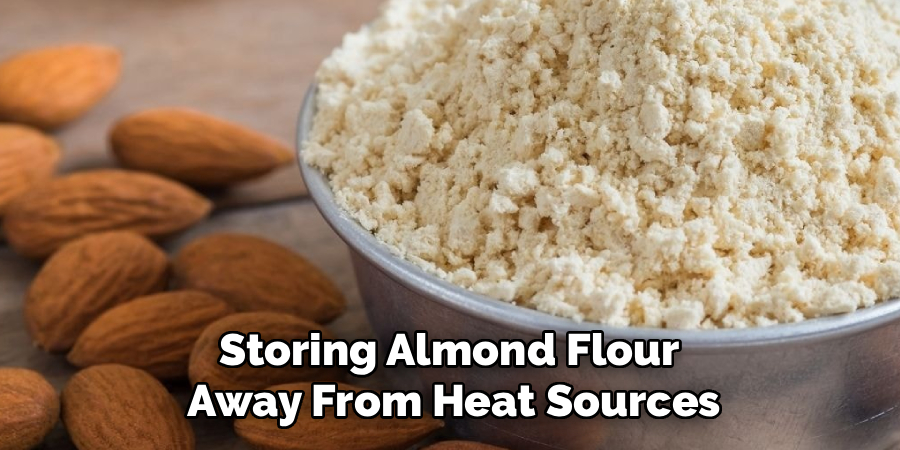
Storing almond flour away from heat sources and direct sunlight is critical. Heat accelerates the breakdown of the oils in the flour, leading to rancidity. Avoid placing your almond flour near ovens, stovetops, or sunny windowsills. Instead, choose a cool, dark cabinet or pantry for room temperature storage if refrigeration isn’t an option.
A stable, cool environment reduces the risk of spoilage and keeps the flavor intact. Even brief exposure to warm temperatures can shorten the flour’s shelf life, so location matters greatly.
5. Use Small Portions to Minimize Exposure
If you frequently use almond flour but want to maintain freshness, consider dividing it into smaller portions for storage. Keep the bulk of your almond flour in the freezer or refrigerator, and transfer only the amount you plan to use within a week or two into a smaller container for everyday use.
This minimizes how often you open the larger container, limiting exposure to air and humidity. By using smaller, manageable portions, you preserve the quality of your main supply while having convenient access to flour when cooking or baking.
6. Avoid Moisture Exposure at All Costs
Moisture is the enemy of almond flour storage. Even a small amount of water can cause clumping, mold growth, and spoilage. When scooping almond flour, always use dry utensils and keep the container sealed tightly immediately after use. Never add wet ingredients directly into the storage container.
If you accidentally expose the flour to moisture, spread it on a baking sheet and dry it in a low oven before returning it to storage. Maintaining a dry environment is essential to keeping almond flour fresh and usable.
7. Label Containers with Dates
Proper labeling is a simple yet often overlooked storage method. Always mark your almond flour containers with the purchase or transfer date to keep track of its age. This helps you use the oldest flour first and avoid using flour that may have gone bad.
Whether stored in the pantry, refrigerator, or freezer, labeling is vital for food safety and quality control. You can also add notes about the brand or grind type (fine or coarse) to help identify the flour quickly during meal preparation.

8. Avoid Cross-Contamination
When storing almond flour, preventing cross-contamination is important, especially if you have allergies or dietary restrictions in your household. Use clean, dedicated utensils for scooping the flour and store it separately from other flours or ingredients to prevent mixing. Contamination can also introduce unwanted bacteria or pests. Keeping almond flour sealed tightly and in a separate, clean container minimizes this risk and maintains its purity and flavor.
9. Use Vacuum Sealing for Bulk Storage
If you purchase almond flour in large quantities, vacuum sealing can be an excellent method to prolong freshness. Vacuum sealing removes air and reduces oxidation, which is the main cause of rancidity.
Portion the flour into vacuum-sealable bags, remove the air using a vacuum sealer, and store the bags in the freezer or refrigerator. This method can extend shelf life significantly beyond typical storage and is perfect for people who buy in bulk or want to keep their almond flour fresh over several months.
10. Regularly Inspect for Signs of Spoilage
Finally, regardless of your storage method, regularly inspect your almond flour for signs of spoilage. Fresh almond flour has a mild, nutty aroma. If it develops a sour or off smell, discoloration, or visible mold, it should be discarded immediately.
Clumping due to moisture or the presence of insects are also signs that the flour is no longer safe or fresh to use. Regular inspection ensures that you use only high-quality almond flour in your recipes and avoid unpleasant flavors or potential health risks.
Safety Considerations
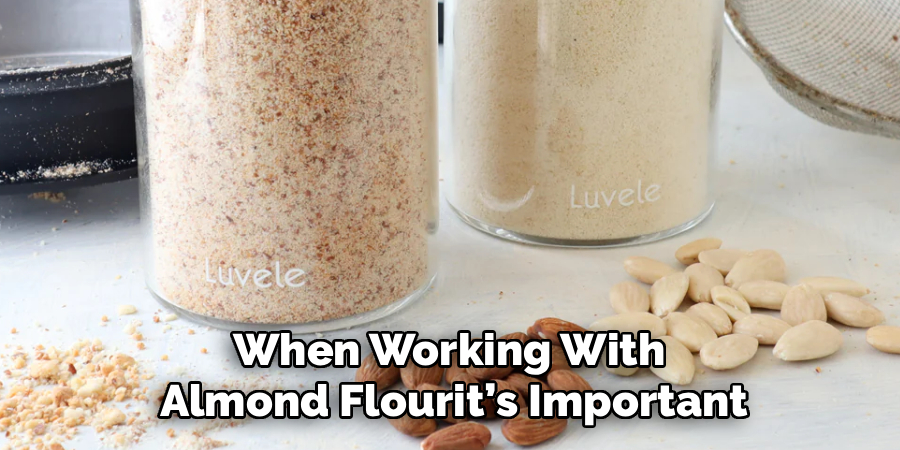
When working with almond flour, it’s important to follow general safety considerations to ensure the quality of your food and to avoid health issues. Always store almond flour in a clean, airtight container to prevent contamination from foreign substances or pests. Make sure your hands, utensils, and preparation surfaces are clean and dry before handling almond flour to avoid introducing bacteria or moisture.
Additionally, if you or anyone consuming your dishes has a nut allergy, always confirm that almond flour is safe to use and ensure there is no risk of cross-contamination with other allergens. By taking these precautions, you can enjoy the versatility of almond flour while keeping health and safety a priority.
Conclusion
Proper storage of almond flour is essential to preserve its delicate flavor, nutritional benefits, and baking qualities. By storing it in airtight containers, refrigerating or freezing for long-term use, and protecting it from heat, light, and moisture, you can extend the shelf life of almond flour significantly.
Portion control, vacuum sealing, and proper labeling add further protection and convenience. Thanks for reading our blog post on how do you store almond flour! We hope you found it helpful and informative.

About
Diane Lo is a distinguished figure in the world of kitchen innovation and culinary design, with over a decade of expertise creating functional and sustainable kitchen environments. Her professional focus lies in merging ergonomic spatial planning with modern culinary technology, fostering kitchen layouts that are both highly practical and aesthetically refined. As the lead expert at Kitchenub, Diane Lo delves into the art and science of kitchen organization, appliance selection, and workflow efficiency, inspiring home cooks and professional designers alike.
Education
Royal Melbourne Institute of Technology (RMIT University) (Melbourne, Australia) Associate Degree in Interior Design and Spatial Planning Focus on sustainable kitchen layouts, user-centric design, and ergonomic efficiency. Gained hands-on experience in high-traffic commercial kitchen modeling and advanced space-saving architecture.
Nottingham Trent University (United Kingdom) Bachelor’s in Product Design and Culinary Architecture (Honors) Specialized in the intersection of kitchen technology and lifestyle design. Participated in major industry collaborations, working with premium appliance manufacturers and cabinetry firms to gain real-world insights into modern kitchen workflows.
Publications and Impact
At Kitchenub, Diane Lo shares her expert insights on kitchen renovation processes, material durability, and strategies for achieving peak culinary productivity. Her writing effectively bridges the gap between professional culinary needs and home design, making it an essential resource for those looking to transform their kitchen into a highly efficient and welcoming heart of the home.