

Compound butter is a versatile and flavorful addition to your kitchen that combines butter with various herbs, spices, or other ingredients. Proper storage is essential to maintain its freshness and taste over time. Whether you make it in advance for cooking or as a topping, understanding the best storage methods will help you understand how to store compound butter.
What is Compound Butter?
Compound butter, also known as flavored butter, is a simple yet elegant combination of softened butter and various flavoring ingredients, such as fresh herbs, garlic, spices, citrus zest, or even sweet additions like honey.
This culinary creation is highly customizable, allowing cooks to tailor it to specific dishes or flavor profiles. It is commonly used to enhance the taste of meats, vegetables, bread, and even seafood, adding a rich burst of flavor with minimal effort. The versatility of compound butter makes it a staple in both home kitchens and fine dining establishments.
Shelf Life of Compound Butter
Compound butter can be stored for a considerable amount of time if handled and stored properly. When kept in the refrigerator, it typically lasts for up to 1-2 weeks, provided it is tightly wrapped or sealed to prevent exposure to air and moisture. For longer storage, compound butter can be frozen, where it remains safe to use for up to 3 months.
To preserve its flavor and freshness, it is recommended to portion the butter into smaller servings before freezing, wrapping each individually in plastic wrap or parchment paper and storing them in an airtight container or freezer bag. Always ensure that the butter is labeled with the preparation date to monitor its shelf life effectively.
10 Methods How to Store Compound Butter
1. Wrap Tightly in Plastic Wrap
One of the most common and effective ways to store compound butter is by wrapping it tightly in plastic wrap. After preparing your butter with herbs, spices, or sweet ingredients, shape it into a log or block using clean hands or parchment paper. Then, roll the butter firmly in a sheet of plastic wrap, ensuring there are no air pockets.
The tighter you wrap it, the better it is protected from moisture loss and odor absorption. This method not only helps preserve the flavor and texture of the butter but also allows for easy slicing when you need to use it. Store the wrapped butter in the refrigerator if you plan to use it within a week or two.
2. Use an Airtight Container
For longer storage or for a neater presentation, placing your compound butter in an airtight container is a reliable method. After forming the butter into portions—whether scooped into balls, packed into ramekins, or pressed into molds—you can transfer them into BPA-free plastic or glass containers with a tight-fitting lid.
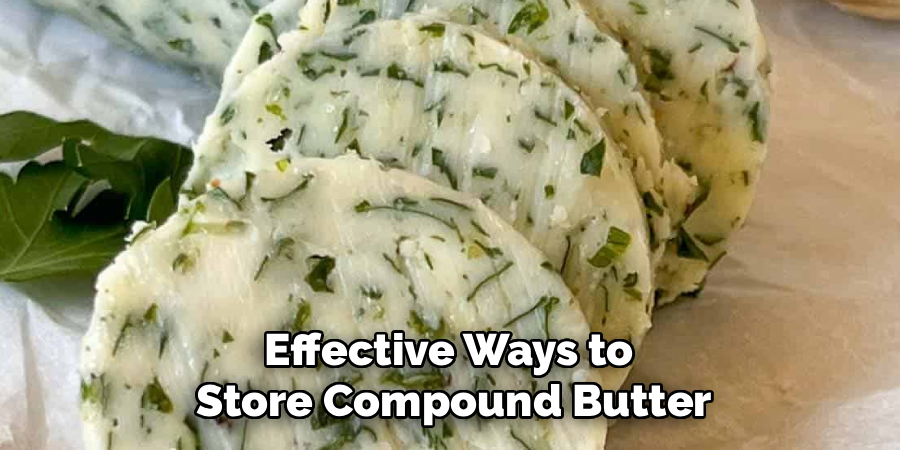
Airtight containers help keep out air and prevent the butter from absorbing surrounding odors in the fridge or freezer. They also offer better stackability and organization, particularly if you make several types of compound butters. Be sure to label each container with the flavor and date of preparation to keep track of freshness.
3. Freeze in Pre-Portioned Slices
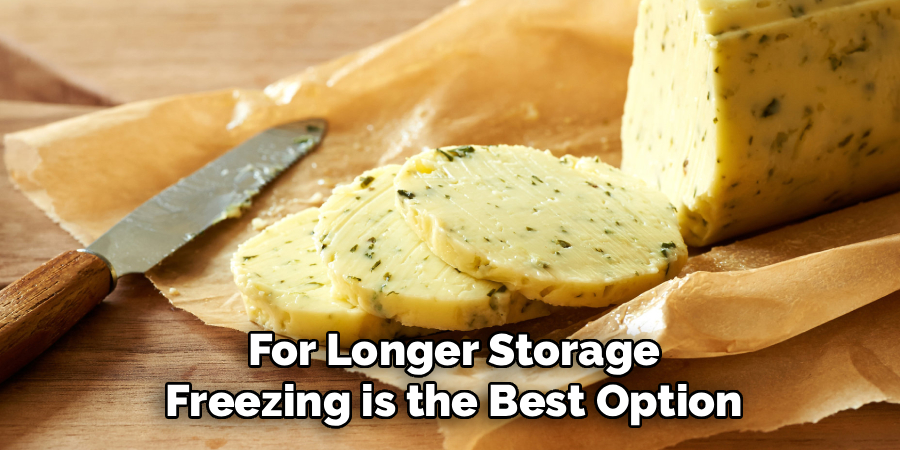
Freezing compound butter in pre-portioned slices is a practical approach for cooks who want convenience and longevity. After shaping the butter into a log and chilling it slightly for firmness, slice it into medallions approximately half an inch thick. Place each slice on a parchment-lined baking sheet and freeze until solid. Once frozen, transfer the slices into a zip-top freezer bag or airtight container.
This method allows you to grab a single slice without thawing the entire log. It’s especially helpful when adding butter to hot dishes like steaks, pasta, or vegetables, as you can place a frozen slice directly onto the food for a flavorful finish.
4. Roll in Parchment Paper
Rolling compound butter in parchment paper is another traditional method that helps preserve freshness while allowing easy storage and serving. After forming the butter into a log, roll it up in parchment and twist the ends to create a tightly sealed package, resembling a wrapped candy. This method provides a barrier against air and light and can be used in both refrigeration and freezing.
Unlike plastic wrap, parchment paper is more durable at varying temperatures and often more environmentally friendly. You can also unroll the butter partially to slice off what you need and then rewrap it without much mess.
5. Store in Silicone Ice Cube Trays
Using silicone ice cube trays is a clever technique for storing small, individual servings of compound butter. Simply spoon the freshly made butter into the compartments of a clean tray and level the tops with a spatula. Cover the tray with plastic wrap or a lid, and place it in the freezer until the butter is firm.
Once frozen, pop out the cubes and store them in a freezer-safe bag or container. This method makes it easy to control portions, especially for meal prep or cooking in smaller households. Additionally, silicone trays are reusable and easy to clean.

6. Vacuum Seal for Long-Term Freezing
If you’re storing compound butter for more than a few months, vacuum sealing is one of the most effective preservation methods. Using a vacuum sealer, place your butter logs or portions in vacuum-safe bags and remove all the air before sealing. This protects the butter from freezer burn and oxidation, which can alter its flavor and texture over time.
Vacuum-sealed compound butter can last for up to a year in the freezer without significant loss of quality. Be sure to label each sealed bag with the contents and date, and store the bags flat to save freezer space.
7. Keep Flavored Butters Separate
When storing multiple varieties of compound butter, it’s essential to keep the flavors separate to avoid cross-contamination. Whether you’re working with garlic herb, honey cinnamon, or sun-dried tomato butters, always use different utensils and packaging for each type. Even in the fridge or freezer, storing them in close proximity without adequate sealing can cause flavors and aromas to mingle.
Use separate containers or wrap each log tightly, and label clearly to avoid confusion later. This method preserves the unique flavor profiles of each butter and ensures they remain distinct and delicious for every intended use.
8. Refrigerate for Short-Term Use
If you plan to consume your compound butter within 5 to 10 days, refrigeration is sufficient. Place the butter in a sealed container or wrap it tightly and store it in the coldest section of your refrigerator. Compound butter remains spreadable when chilled, making it convenient for toast, baked goods, or sautéing.
However, be aware that homemade compound butter contains fresh ingredients like herbs, garlic, or fruit that can spoil faster than plain butter. Monitor for signs of spoilage, such as changes in smell, texture, or color. For maximum safety and flavor, use refrigerated compound butter quickly and avoid leaving it at room temperature for extended periods.
9. Label and Date All Stored Butter
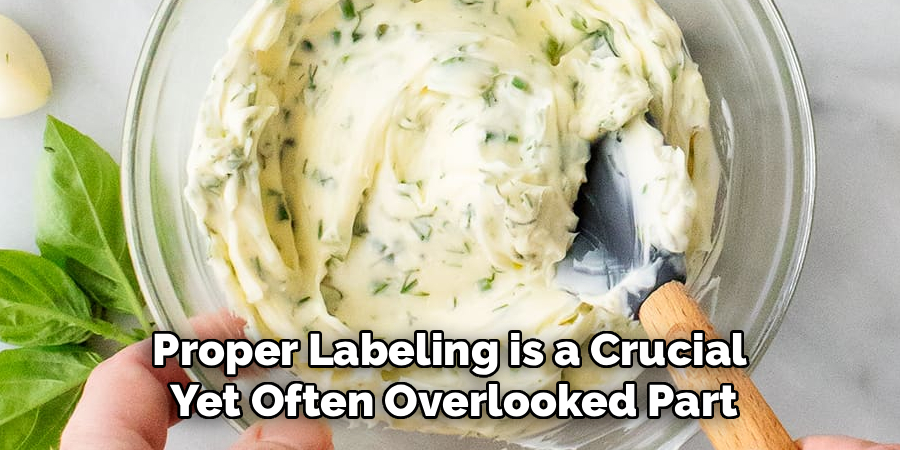
Proper labeling is a crucial yet often overlooked part of storing compound butter effectively. Whether you freeze or refrigerate your butter, always write the contents and preparation date on the container or wrapping. This not only helps you remember what each butter is made from but also allows you to track freshness over time.
Use a permanent marker or waterproof label and be specific—note the flavor (e.g., “Chili-Lime Butter”) and the exact date it was made. This is particularly important if you make compound butter in bulk or experiment with multiple recipes.
10. Soften Only What You Need
To preserve quality, avoid repeatedly softening and chilling your compound butter. Doing so encourages bacterial growth and degrades the texture. Instead, slice off only what you need and leave that portion at room temperature for 10 to 20 minutes until softened. This way, the rest of the butter remains cold and safe.
If you frequently need softened butter for spreading, consider keeping a small serving in a butter dish for daily use and storing the bulk in the refrigerator or freezer. This method ensures optimal safety and prevents waste while keeping your compound butter in its best condition.
Safety Considerations
When handling and storing butter, especially compound butter containing additional ingredients, it’s crucial to prioritize food safety. Always ensure your hands, utensils, and surfaces are clean to prevent introducing harmful bacteria. If your compound butter includes perishable ingredients like fresh herbs, garlic, or cheese, ensure it is refrigerated promptly and consumed within a few days to maintain freshness.
For longer storage, freezing is the best option, as it inhibits bacterial growth and preserves flavor. Never leave butter out at room temperature for extended periods, as this creates an ideal environment for bacterial contamination. By following these safety measures, you can enjoy your butter with peace of mind.
Conclusion
Storing compound butter correctly ensures that the flavors, textures, and nutritional qualities remain intact for as long as possible. Whether you’re using plastic wrap, parchment, airtight containers, or vacuum-sealed bags, the key is minimizing exposure to air, light, and heat. Thanks for reading our blog post on how to store compound butter! We hope you found it helpful and informative.

About
Diane Lo is a distinguished figure in the world of kitchen innovation and culinary design, with over a decade of expertise creating functional and sustainable kitchen environments. Her professional focus lies in merging ergonomic spatial planning with modern culinary technology, fostering kitchen layouts that are both highly practical and aesthetically refined. As the lead expert at Kitchenub, Diane Lo delves into the art and science of kitchen organization, appliance selection, and workflow efficiency, inspiring home cooks and professional designers alike.
Education
Royal Melbourne Institute of Technology (RMIT University) (Melbourne, Australia) Associate Degree in Interior Design and Spatial Planning Focus on sustainable kitchen layouts, user-centric design, and ergonomic efficiency. Gained hands-on experience in high-traffic commercial kitchen modeling and advanced space-saving architecture.
Nottingham Trent University (United Kingdom) Bachelor’s in Product Design and Culinary Architecture (Honors) Specialized in the intersection of kitchen technology and lifestyle design. Participated in major industry collaborations, working with premium appliance manufacturers and cabinetry firms to gain real-world insights into modern kitchen workflows.
Publications and Impact
At Kitchenub, Diane Lo shares her expert insights on kitchen renovation processes, material durability, and strategies for achieving peak culinary productivity. Her writing effectively bridges the gap between professional culinary needs and home design, making it an essential resource for those looking to transform their kitchen into a highly efficient and welcoming heart of the home.