

Cold foam is a delightful addition to beverages like iced coffee, offering a creamy texture and rich flavor without the heaviness of traditional cream. Proper storage is essential to maintain its consistency and freshness, especially if you want to prepare it in advance. This guide will walk you through the best practices for how to store cold foam.

What is Cold Foam?
Cold foam is a frothy, airy topping made from chilled milk or milk alternatives that have been aerated to create a creamy and lightweight texture. Unlike traditional whipped cream, cold foam is created without heavy creams or added sweetness, making it a lighter and subtler option. It pairs perfectly with iced beverages, as it sits delicately on the surface, slowly blending into the drink for a smooth and velvety experience. Cold foam is often flavored with various syrups or spices to add an extra layer of taste to your favorite cold drinks.
What Cold Foam Is Made Of
Cold foam is typically made using nonfat or skim milk, as its lower fat content allows for better aeration and creates the silky, frothy texture that defines it. For added flavor, many recipes include syrups or extracts, such as vanilla or caramel, which are mixed into the milk before aeration. Some variations of cold foam use alternative milks, like almond, oat, or coconut milk, to create a dairy-free option, though the foam texture may vary depending on the fat content and consistency of the milk. Additionally, equipment like a milk frother, blender, or special frothing tools are used to whip air into the liquid, transforming it into the fluffy, cloud-like topping that enhances cold drinks.
10 Methods How to Store Cold Foam
Store Cold Foam Immediately After Preparation
Cold foam begins to break down as soon as it’s made due to the air bubbles collapsing over time. For optimal preservation, transfer the cold foam into a clean, airtight container immediately after preparation. This helps prevent exposure to open air, which accelerates deflation. Choose a container that allows little headspace above the foam to minimize oxygen contact. Keep it refrigerated right away to maintain its chilled temperature and structure. Delays in storing can lead to watery separation and a collapse in volume.
Use an Airtight Glass Jar for Maximum Freshness
Among storage containers, airtight glass jars are often the most reliable for storing cold foam. Glass does not absorb odors or flavors from the refrigerator, which is especially important for preserving the taste of dairy-based foam. Additionally, the transparency of the jar allows you to monitor the condition of the foam without having to open it frequently. Use a jar with a tightly sealing lid, such as a mason jar, and avoid shaking the container, as agitation may deflate the foam prematurely.

Store at the Coldest Part of the Refrigerator
To keep cold foam stable, it must be stored at a consistently low temperature. The coldest section of your refrigerator is usually near the back of the bottom shelf. Avoid placing the container in the refrigerator door, where temperatures fluctuate most due to frequent opening and closing. Sudden temperature changes can accelerate the collapse of the foam’s structure. Keeping the foam at a steady, low temperature (ideally below 40°F or 4°C) helps retain its airy texture for several hours, sometimes up to 24 hours if stored properly.
Add a Small Amount of Stabilizer for Longer Storage
For those who want to store cold foam longer than a few hours, adding a natural stabilizer can significantly enhance its longevity. A pinch of powdered gelatin or xanthan gum—well blended into the milk before frothing—can strengthen the foam’s structure. These agents help maintain the air bubbles in the foam, preventing it from quickly deflating or separating. Be cautious with quantity; too much can alter the taste or create an overly thick texture. This technique is particularly useful for meal preppers or cafés that prepare cold foam in advance.
Avoid Freezing, as It Destroys Foam Texture
While freezing may seem like a potential solution for long-term storage, it is not recommended for cold foam. Freezing causes ice crystals to form, which rupture the foam’s delicate structure. Upon thawing, the foam will lose its airy quality and separate into a watery, curdled mess. Even if you re-froth it, the texture will not return to its original state. Therefore, it’s best to avoid freezing cold foam altogether and focus instead on short-term refrigeration with the proper techniques.
Divide into Single-Serve Portions for Convenience
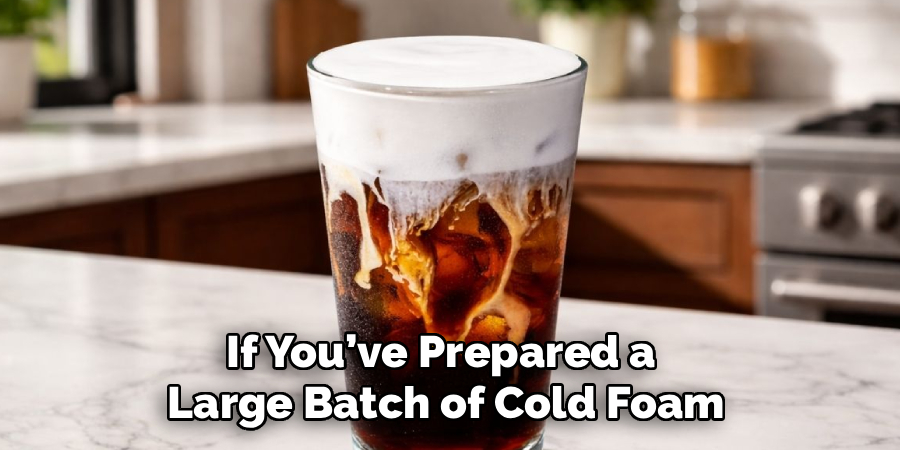
If you’ve prepared a large batch of cold foam, consider dividing it into single-serve portions before storing. Use small containers or shot-glass-sized jars to hold individual servings. This method reduces the need to open and expose the entire batch repeatedly, preserving freshness and preventing cross-contamination. It also makes it easier to grab and use exactly what you need without disturbing the rest. Portioning is a practical choice for busy mornings or entertaining guests with consistent quality in every cup.
Cover with Plastic Wrap If No Lid Is Available
In the absence of a proper lid or airtight jar, you can use plastic wrap as a temporary solution. Press the wrap gently over the surface of the foam to minimize the amount of trapped air. This direct contact layer reduces oxidation and evaporation, both of which degrade foam quality. While this method is not as effective as a sealed container, it’s a quick and accessible alternative that still offers a degree of protection in short-term storage situations.
Re-froth Gently Before Using Stored Cold Foam
Cold foam that has sat in the refrigerator for a few hours may lose some volume or develop slight separation. Before using, you can gently re-froth it using a handheld frother or milk whisk. Stir slowly to avoid breaking down the remaining bubbles. This helps reincorporate any separated liquid and revives the foam’s volume. However, this technique only works if the foam was stored properly and hasn’t broken down completely. Always inspect the foam before reusing and discard if it has an unpleasant smell or appearance.
Label with Date and Time for Safety and Quality
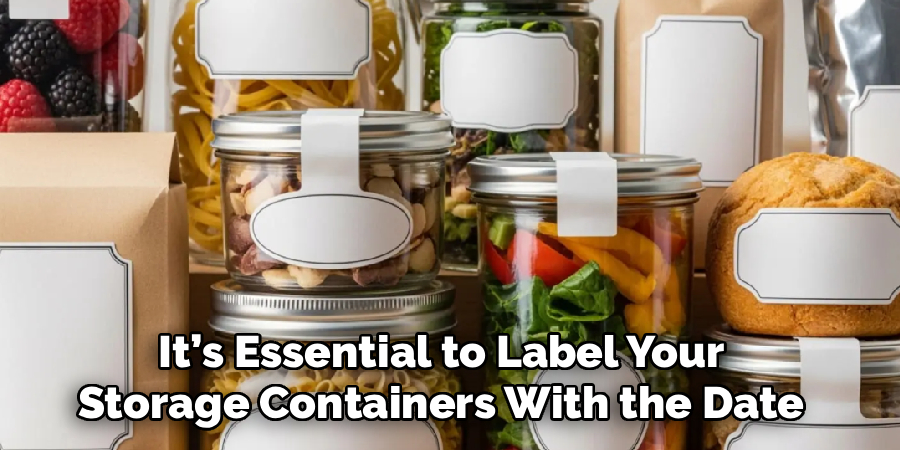
Like all dairy-based products, cold foam has a limited shelf life. It’s essential to label your storage containers with the date and time the foam was prepared. Most cold foams made from skim or nonfat milk remain usable for up to 24 hours if stored correctly, although the best texture is usually within the first 6–8 hours. Accurate labeling helps you track freshness and avoid consuming spoiled or stale foam. This is especially important when prepping in advance or managing multiple containers in the refrigerator.
Clean Storage Utensils and Containers Thoroughly
Hygiene plays a critical role in extending the life of cold foam. Before storing, always ensure that the containers, lids, and any utensils used (frothers, spoons, etc.) are thoroughly cleaned and dried. Residual oils, leftover food particles, or bacteria from previous use can contaminate the foam and cause it to spoil quickly. Use warm soapy water or sanitize with boiling water when possible. Taking this precaution helps preserve the cold foam’s safety, flavor, and texture during its brief storage life.
Troubleshooting Common Issues
When working with cold foam, a few common issues might arise that can affect its quality and usability. Here are some problems and tips to resolve them:
- Foam Not Forming Properly
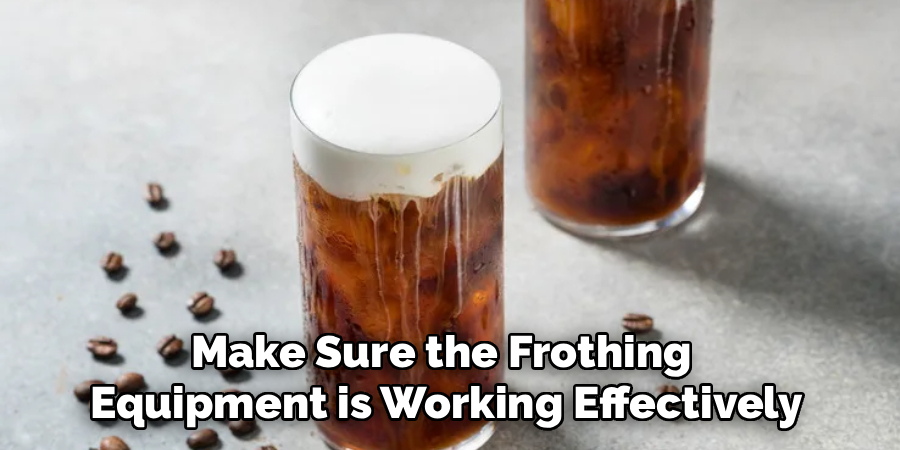
If the foam is too thin or fails to form altogether, it could be due to the type of milk or creamer being used. Ensure that you are using milk with a higher protein content, as it helps create a stable foam. Non-dairy alternatives like oat or almond milk may require specific frothing techniques for better results. Additionally, make sure the frothing equipment is working effectively and is clean.
- Foam Collapsing Quickly
A common issue is foam losing its volume shortly after being prepared. This could occur if the milk is over-heated or over-frothed. Remember, cold foam should ideally be prepared at cool temperatures to maintain its structure. Also, ensure the ratio of liquid to foam is balanced, avoiding overly diluted mixtures.
- Off Taste or Smell
If the foam has an unusual taste or odor, it might be a sign of spoilage or contamination. Always check the freshness of your milk or creamer and ensure that all equipment used is sanitized. Storing milk at the proper temperature is crucial to maintain its quality.
- Foam Separating
If the foam appears to separate into layers quickly, it could be due to improper mixing or the use of incompatible milk additives (like sweeteners or syrups). Mix any additional ingredients thoroughly before frothing to achieve a consistent texture.
By addressing these issues, you can ensure that your cold foam meets the desired standards of texture, flavor, and appearance.
Conclusion
Cold foam is a delightful addition to beverages, but maintaining its quality after preparation requires careful attention to storage methods. By selecting appropriate containers, maintaining low temperatures, avoiding agitation, and incorporating optional stabilizers, you can enjoy fresh-tasting, fluffy foam even hours after making it. Although best consumed shortly after preparation, these ten detailed methods provide practical solutions for extending its shelf life safely and effectively. Thanks for reading our blog post on how to store cold foam! We hope you found it helpful and informative.

About
Diane Lo is a distinguished figure in the world of kitchen innovation and culinary design, with over a decade of expertise creating functional and sustainable kitchen environments. Her professional focus lies in merging ergonomic spatial planning with modern culinary technology, fostering kitchen layouts that are both highly practical and aesthetically refined. As the lead expert at Kitchenub, Diane Lo delves into the art and science of kitchen organization, appliance selection, and workflow efficiency, inspiring home cooks and professional designers alike.
Education
Royal Melbourne Institute of Technology (RMIT University) (Melbourne, Australia) Associate Degree in Interior Design and Spatial Planning Focus on sustainable kitchen layouts, user-centric design, and ergonomic efficiency. Gained hands-on experience in high-traffic commercial kitchen modeling and advanced space-saving architecture.
Nottingham Trent University (United Kingdom) Bachelor’s in Product Design and Culinary Architecture (Honors) Specialized in the intersection of kitchen technology and lifestyle design. Participated in major industry collaborations, working with premium appliance manufacturers and cabinetry firms to gain real-world insights into modern kitchen workflows.
Publications and Impact
At Kitchenub, Diane Lo shares her expert insights on kitchen renovation processes, material durability, and strategies for achieving peak culinary productivity. Her writing effectively bridges the gap between professional culinary needs and home design, making it an essential resource for those looking to transform their kitchen into a highly efficient and welcoming heart of the home.