

Storing artichokes properly is essential to maintain their freshness and flavor. When kept in the right conditions, artichokes can last for several days, ensuring they are ready to use whenever you need them. In this blog post, we’ll walk you through the steps on how to store artichokes in the fridge so that you can get back to using it in no time! So grab your tools, and let’s get started!
How Long Do Artichokes Last in the Fridge
When stored properly, artichokes can stay fresh in the fridge for about 5 to 7 days. To maximize their shelf life, it’s important to avoid washing them before storing, as excess moisture can lead to quicker spoilage. Instead, keep whole and unwashed artichokes in a loose plastic bag or wrap them in a slightly damp paper towel before placing them in the crisper drawer. Regularly check the artichokes for any signs of discoloration, wilting, or soft spots, which may indicate they are past their prime. By following these storage tips, you can make the most out of your artichokes and enjoy their delicious flavor while they’re still at their peak.
Selecting Fresh Artichokes for Storage
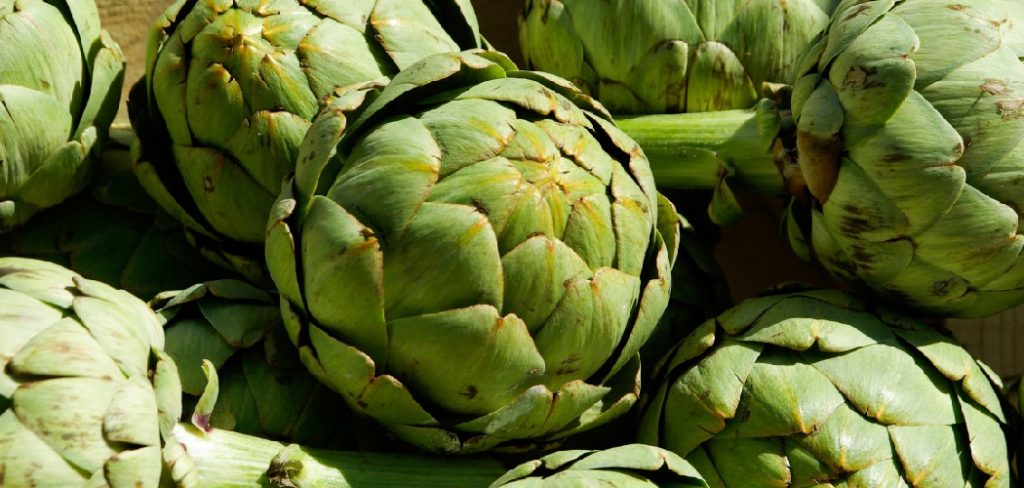
When selecting artichokes for storage, it’s essential to choose ones that are fresh and of high quality. Look for artichokes with tightly closed leaves, as this indicates their freshness. The leaves should also appear vibrant green and feel firm to the touch. Avoid artichokes with dry, brittle, or browning leaves, as these can be signs of aging. Additionally, inspect the stem — a fresh artichoke will have a firm and moist stem, not shriveled or dry. Choosing the right artichokes at the store sets the stage for proper storage and maximizes their shelf life and flavor.
10 Methods How to Store Artichokes in the Fridge
1. Store Unwashed Artichokes in the Crisper Drawer
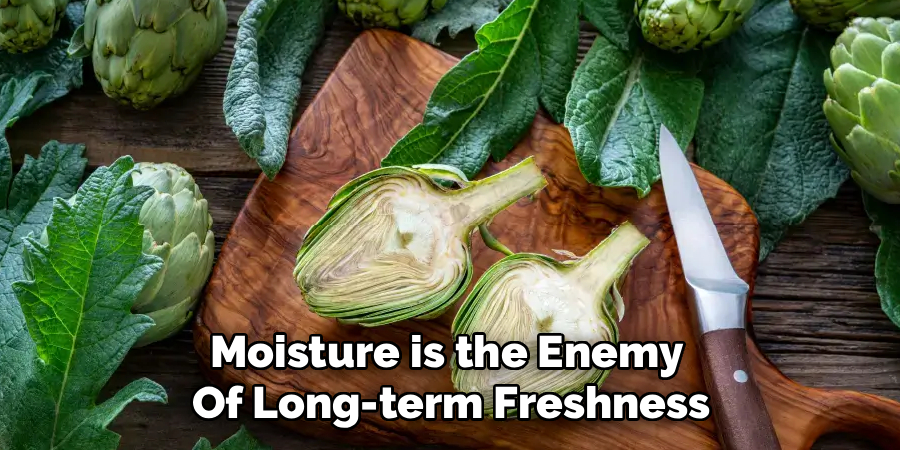
The most straightforward and effective way to store fresh artichokes is to place them unwashed in the refrigerator’s crisper drawer. Moisture is the enemy of long-term freshness, and washing the artichokes before refrigeration can cause them to spoil quickly. Leave them dry and intact, ideally in a breathable produce bag or wrapped loosely in a paper towel to absorb excess humidity. The crisper drawer’s controlled environment helps maintain their firm texture and moisture balance. In this condition, artichokes can typically stay fresh for up to five to seven days.
2. Wrap in a Damp Paper Towel Before Refrigeration
For artichokes that appear slightly dehydrated or have been out at room temperature for a while, wrapping them in a damp (not wet) paper towel before placing them in the fridge can help revive and maintain their freshness. This method supplies gentle moisture without soaking the artichokes, which could lead to mold. Wrap each artichoke individually and place them in an open plastic bag or unsealed container to allow for air circulation. This method works especially well when storing slightly older artichokes that need a hydration boost.
3. Place in a Perforated Plastic Bag
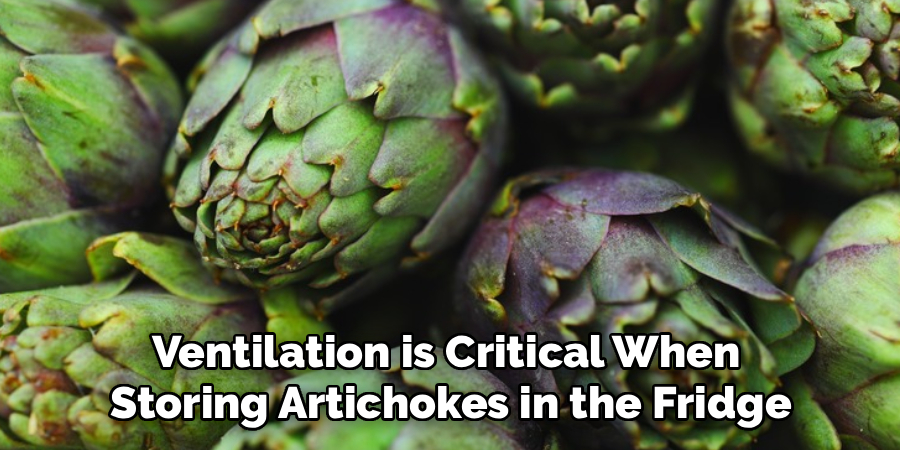
Ventilation is critical when storing artichokes in the fridge. A perforated plastic bag allows airflow while still protecting the vegetable from excessive drying. These bags are commonly found in produce sections or can be made at home by poking small holes in a standard plastic bag. Place the unwashed artichokes inside and store them in the crisper drawer. This method helps prevent condensation buildup inside the bag, which could otherwise speed up decay or promote mold. Proper air circulation ensures a balance between moisture retention and freshness.
4. Use a Reusable Silicone Produce Bag
Eco-conscious consumers may opt to use reusable silicone produce bags with ventilation holes or adjustable seals. These bags are excellent for preserving freshness while minimizing plastic waste. When storing artichokes, it’s best to leave the bag partially unsealed or choose a model with a breathable design. Ensure the artichokes are not stacked too tightly inside the bag to prevent bruising. Reusable silicone bags provide insulation against fridge temperature fluctuations, which is especially helpful in keeping artichokes fresh for longer periods without freezer burn or cold damage.
5. Store Trimmed Artichokes in Airtight Containers
If you’ve already trimmed the artichokes by cutting the stem or removing outer leaves, they will spoil more quickly than whole ones. For such cases, store them in an airtight container lined with a dry paper towel to absorb excess moisture. Keep the container in the vegetable section of the fridge and try to use the trimmed artichokes within three to four days. Since trimming exposes the inner layers to air and microbes, the risk of spoilage increases. Monitor for any browning or sliminess and discard if signs of decay are present.
6. Soak in Lemon Water Before Refrigerating (for Cut Artichokes)
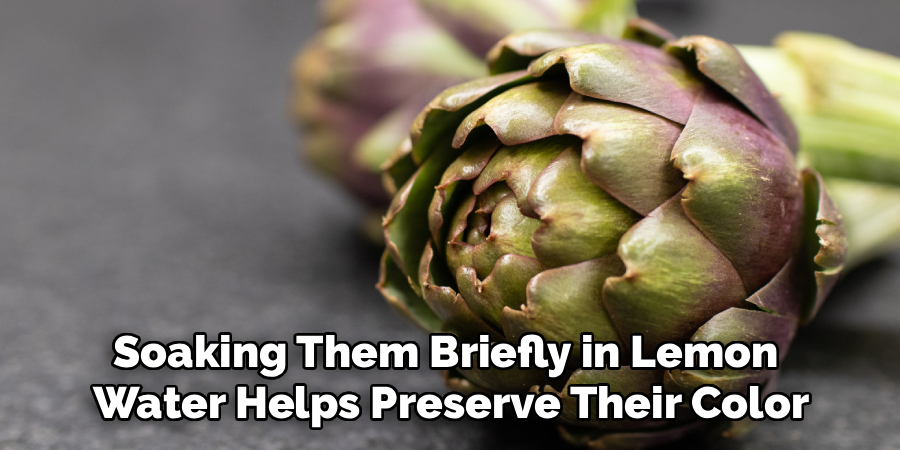
When you must store cut or halved artichokes, soaking them briefly in lemon water helps preserve their color and freshness. Mix cold water with lemon juice (about one lemon per quart of water) and soak the cut artichokes for 3–5 minutes. After draining and patting them dry, store the artichokes in a container lined with paper towels in the fridge. The acid in lemon juice slows oxidation, preventing browning and preserving a fresh appearance. This method is ideal for storing prepped artichokes that you intend to cook in a day or two.
7. Store Cooked Artichokes Separately in the Fridge
If you have already cooked your artichokes—whether steamed, roasted, or boiled—they require a different storage approach. Let them cool to room temperature, then place them in an airtight container. For best results, use a shallow container so that they cool evenly and quickly. Store in the refrigerator for up to three days. Ensure that they are dry before sealing the container to avoid sogginess or bacterial growth. Cooked artichokes can be eaten cold, reheated, or added to dishes like salads or pasta without losing their tenderness.
8. Use a Glass Container with a Tight Lid for Aroma Control
Artichokes have a distinct earthy aroma that can linger in your fridge, especially once they’ve been cooked. To prevent the smell from spreading to other food items, store them in a glass container with a tight-fitting lid. Glass is non-porous and will not absorb odors, unlike plastic containers. Whether storing raw prepped pieces or cooked artichoke hearts, using sealed glass helps maintain their flavor while preserving other items in your fridge from absorbing unwanted smells.
9. Refresh Slightly Wilted Artichokes Before Storing
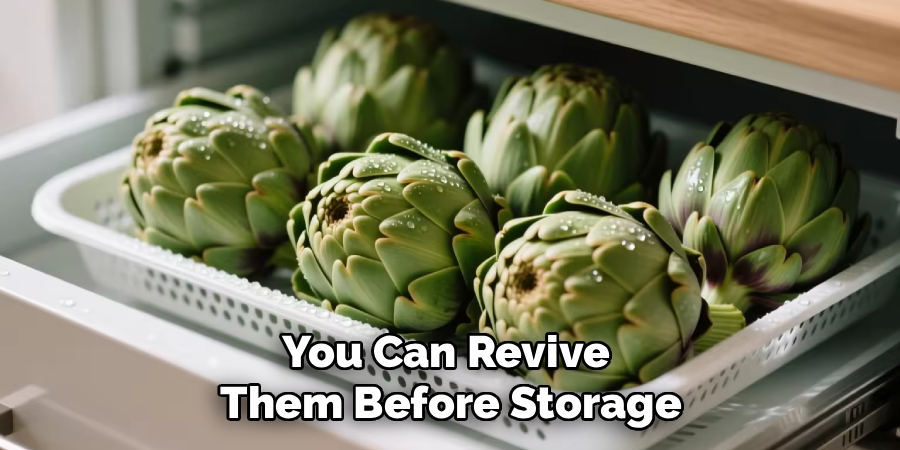
If your artichokes appear slightly wilted before refrigeration, you can revive them before storage. Fill a bowl or deep container with cold water and place the artichokes stem-side down, allowing them to absorb moisture for about 30 to 60 minutes. This method rehydrates the vegetable and restores its firmness. After soaking, dry them gently with a towel, then store them in a perforated plastic or breathable produce bag in the fridge. This refresh technique can extend freshness and improve texture when you’re not cooking them immediately.
10. Label with the Purchase Date for Freshness Monitoring
Regardless of how well you store your artichokes, it’s helpful to label each bag or container with the purchase or storage date. This small habit can help you track how long the artichokes have been in the fridge and avoid using ones that are past their prime. Artichokes typically stay fresh for about five to seven days when stored properly, and labeling ensures that you rotate your produce efficiently. Keeping track of storage time reduces food waste and helps you enjoy the vegetable at peak quality.
Maintenance and Upkeep
Proper maintenance and upkeep of stored artichokes can significantly extend their freshness and quality. Regularly check your artichokes for any signs of spoilage, such as discoloration, soft spots, or an unpleasant odor. If any artichokes show these signs, remove them promptly to prevent spoilage from spreading to others. Additionally, ensure that your refrigerator maintains a consistent temperature of around 32°F to 40°F, as fluctuations can hasten deterioration. For artichokes stored in airtight bags or containers, periodically inspect the packaging to confirm it remains sealed and free of excess moisture, which can lead to mold. By being attentive to these upkeep routines, you can enjoy your artichokes at their best while minimizing waste.
Safety Considerations
When handling and preparing artichokes, it is essential to follow food safety guidelines to reduce the risk of contamination. Always wash your hands thoroughly before and after handling fresh produce, and clean the artichokes under running water to remove dirt or debris. Use a clean cutting board and knife to avoid cross-contamination with other foods, especially raw meat or seafood. If artichokes are not consumed immediately after cooking, refrigerate them within two hours to prevent bacterial growth. Additionally, discard any artichokes that show signs of spoilage, such as an off smell, slimy texture, or excessive discoloration, as consuming spoiled produce can result in foodborne illness. These steps help ensure that your artichokes remain both delicious and safe to eat.
Conclusion
Proper refrigeration methods are key to preserving the quality, texture, and nutritional value of artichokes. By understanding how to wrap, store, and organize them in your fridge using these ten effective methods, you can extend their freshness and reduce spoilage. Thanks for reading our blog post on how to store artichokes in the fridge! We hope you found it helpful and informative.

About
Diane Lo is a distinguished figure in the world of kitchen innovation and culinary design, with over a decade of expertise creating functional and sustainable kitchen environments. Her professional focus lies in merging ergonomic spatial planning with modern culinary technology, fostering kitchen layouts that are both highly practical and aesthetically refined. As the lead expert at Kitchenub, Diane Lo delves into the art and science of kitchen organization, appliance selection, and workflow efficiency, inspiring home cooks and professional designers alike.
Education
Royal Melbourne Institute of Technology (RMIT University) (Melbourne, Australia) Associate Degree in Interior Design and Spatial Planning Focus on sustainable kitchen layouts, user-centric design, and ergonomic efficiency. Gained hands-on experience in high-traffic commercial kitchen modeling and advanced space-saving architecture.
Nottingham Trent University (United Kingdom) Bachelor’s in Product Design and Culinary Architecture (Honors) Specialized in the intersection of kitchen technology and lifestyle design. Participated in major industry collaborations, working with premium appliance manufacturers and cabinetry firms to gain real-world insights into modern kitchen workflows.
Publications and Impact
At Kitchenub, Diane Lo shares her expert insights on kitchen renovation processes, material durability, and strategies for achieving peak culinary productivity. Her writing effectively bridges the gap between professional culinary needs and home design, making it an essential resource for those looking to transform their kitchen into a highly efficient and welcoming heart of the home.