

Keeping your stove clean can feel like a daunting task, especially when it comes to those stubborn, grimy drip pans. Over time, they collect spills, grease, and burnt particles that seem impossible to remove. Fortunately, with a simple household ingredient like vinegar, you can restore your drip pans to their original shine without harsh chemicals or expensive cleaners. This guide will walk you through the steps of how to clean stove drip pans with vinegar.
Importance of Cleaning Stove Drip Pans
Regularly cleaning your stove drip pans is essential for both hygiene and functionality. Over time, grease and grime buildup can not only create unsightly stains but also become a breeding ground for bacteria, posing health risks. Additionally, neglecting to clean your drip pans can lead to unpleasant odors and even affect the efficiency of your stove by causing uneven heating. Maintaining clean drip pans also prolongs their lifespan, saving you money on replacements. Most importantly, a clean cooking environment promotes a better overall cooking experience, ensuring your meals are prepared in a safe and sanitary space.
Safety Precautions Before Cleaning
Before cleaning your drip pans, it’s essential to take proper safety precautions to avoid accidents or damage. Start by ensuring your stove is completely turned off and has had sufficient time to cool down. Handling hot components could result in burns or injuries. If your stove is electric, unplug it from the power source to eliminate the risk of electrical shock. For gas stoves, turn off the gas supply to prevent any accidental leaks. Always use gloves to protect your hands from harsh cleaning agents and wear appropriate clothing to shield your skin. By following these precautions, you can clean your drip pans safely and efficiently.
Tools and Materials Needed
To clean your drip pans effectively, gather the following tools and materials beforehand:
- Dish soap: A mild dish soap to help loosen grease and grime.
- Baking soda: A natural cleaning agent for tackling stubborn stains.
- Vinegar: Useful for breaking down tough residues and adding shine.
- Scrub brush or sponge: For scrubbing away dirt without scratching the surface.
- Microfiber cloth: To wipe and dry the drip pans after cleaning.
- Bucket or sink: For soaking the drip pans during the cleaning process.
- Gloves: To protect your hands from grease and cleaning agents.
Having these items ready will ensure an efficient cleaning process and help restore your drip pans to their original condition.
10 Methods How to Clean Stove Drip Pans with Vinegar
1. Remove the Drip Pans Safely Before Cleaning
Before beginning any cleaning process, safety and proper preparation are essential. Make sure the stove is completely turned off and has cooled down if recently used. Remove the burners’ grates carefully and lift out the drip pans. Inspect them for any large food debris or spills and gently shake off loose crumbs. Removing the drip pans allows for a more thorough cleaning and prevents vinegar or cleaning solutions from coming into contact with the stove’s electrical components, ensuring a safe and effective cleaning process.
2. Rinse Drip Pans to Remove Loose Debris
Once removed, rinse the drip pans under warm running water to loosen crumbs, grease, and food particles. This initial rinse prepares the pans for deeper cleaning, helping to remove superficial residue before applying vinegar. Using warm water softens dried food deposits, making them easier to tackle in subsequent steps. Take care to avoid bending or damaging the pans, especially if they are made from thin metal or have enamel coatings.
3. Prepare a Vinegar Soaking Solution
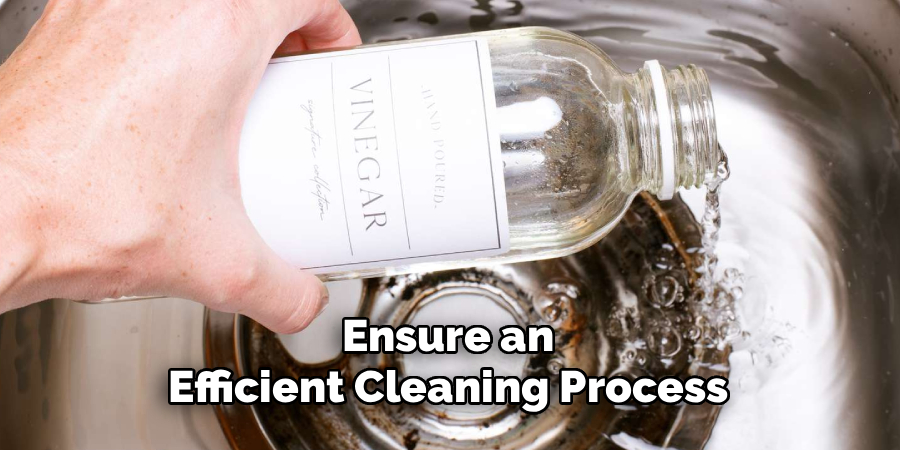
Vinegar is a natural and effective cleaner for grease and baked-on stains. In a shallow basin or sink, mix equal parts of white vinegar and warm water. Ensure that the solution is deep enough to submerge the drip pans completely. Soaking the pans in vinegar helps to break down grease and loosen stubborn stains without the need for harsh chemicals. This method is particularly beneficial for drip pans with accumulated burnt-on food residue.
4. Soak the Drip Pans in the Vinegar Solution
Place the drip pans in the vinegar solution and allow them to soak for at least 15 to 30 minutes. For heavily soiled pans, soaking can extend to an hour or more. During this time, the acetic acid in the vinegar works to dissolve grease, grime, and mineral deposits. If desired, you can periodically swirl the solution gently to enhance penetration and effectiveness. Soaking is a crucial step that reduces the effort required for scrubbing later.
5. Scrub with a Soft Brush or Sponge
After soaking, use a soft brush, sponge, or non-abrasive scrubbing pad to remove loosened grease and residue. Focus on corners, edges, and any burned-on areas. Avoid using steel wool or abrasive pads that can scratch or damage the enamel coating of the drip pans. Gentle scrubbing after vinegar soaking often removes stains with minimal effort, making this step both effective and safe for the pans’ surfaces.
6. Apply Undiluted Vinegar to Stubborn Stains
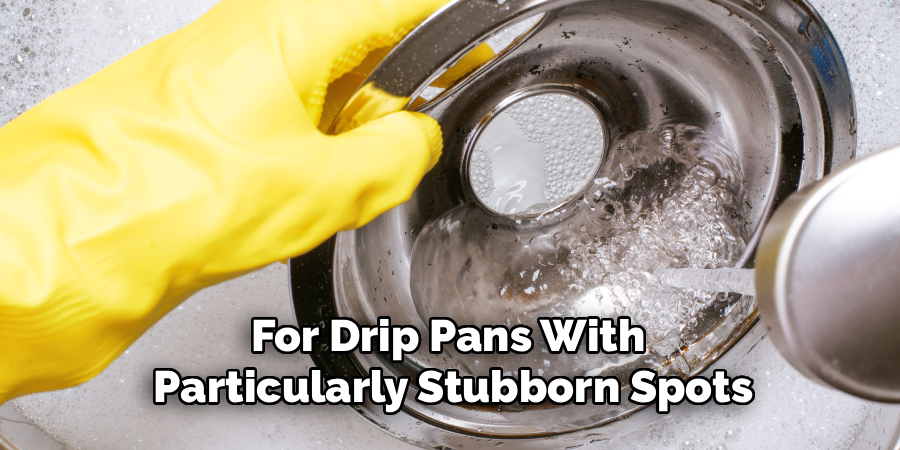
For drip pans with particularly stubborn spots or burnt-on residue, apply a small amount of undiluted white vinegar directly to the affected areas. Let it sit for 5 to 10 minutes to further break down the grease and burnt material. Then, scrub again with a soft brush or sponge. This concentrated vinegar application targets problem areas without harming the pan and enhances the overall cleaning results. Repeat if necessary for the toughest stains.
7. Rinse Thoroughly After Cleaning
Once all grease and stains are removed, rinse the drip pans thoroughly with warm water to remove any remaining vinegar and loosened residue. Proper rinsing is important to prevent lingering vinegar odor and to ensure that no acidic residue comes into contact with your stove during reinstallation. A clean rinse also leaves the pans looking polished and free from streaks, restoring their original appearance.
8. Dry Drip Pans Completely Before Reinstallation
After rinsing, dry the drip pans thoroughly using a clean towel or allow them to air dry completely. Moisture left on the pans can cause rusting, especially on metal drip pans, or create water spots on enamel surfaces. Ensuring that the drip pans are completely dry before placing them back on the stove maintains both hygiene and the longevity of the pans. Proper drying also prevents slipping or instability when the burners are reassembled.
9. Clean the Surrounding Stove Surface
While the drip pans are removed, take the opportunity to clean the stove surface beneath them. Wipe down the area with a cloth dampened with a mixture of vinegar and water or mild dish soap. Removing crumbs, grease, and spills from beneath the burners prevents odors and keeps the stove hygienic. Cleaning the surrounding surface at the same time ensures that the entire cooking area is refreshed and ready for safe and efficient use.
10. Reinstall Drip Pans and Conduct a Final Check
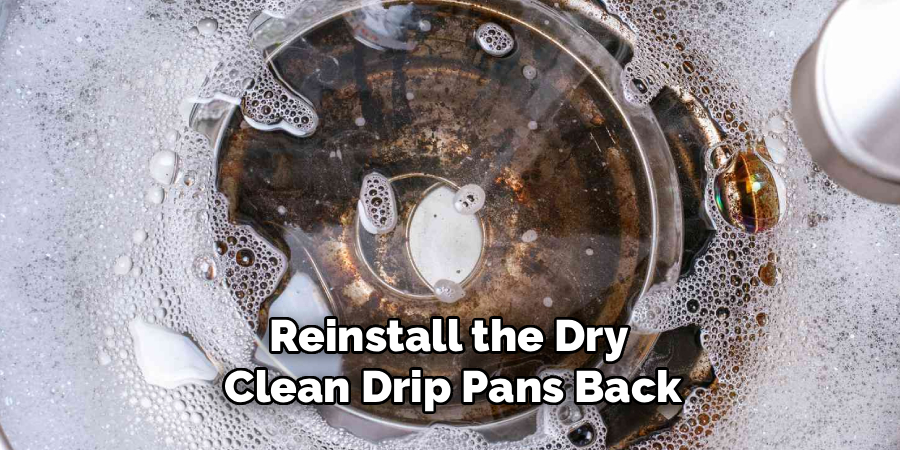
Finally, reinstall the dry, clean drip pans back onto the stove, aligning them properly beneath the burners. Replace the grates and ensure everything sits securely. Conduct a quick check by turning on each burner briefly to confirm that the pans and grates are stable and correctly positioned. Proper reinstallation completes the cleaning process, leaving your stove looking clean, fresh, and ready for use. Regular cleaning using vinegar not only maintains appearance but also prevents the buildup of grime that can affect cooking efficiency.
Maintenance and Upkeep
To keep your stove in optimal condition, regular maintenance is key. Begin by establishing a routine cleaning schedule to prevent excessive buildup of grease and food debris. Wipe down the surface daily with a soft cloth and mild detergent, and conduct a deep clean weekly using appropriate cleaning agents like vinegar or baking soda. Inspect the burners periodically for clogs and clear them with a needle or soft brush to ensure proper gas flow. Additionally, check the connections and seals for any signs of wear or damage, and replace them promptly if needed. By staying proactive with upkeep, you can extend the life of your stove and ensure it continues to perform efficiently and safely.
Safety Considerations
Ensuring safety when using a gas stove is paramount. Always check for gas leaks by inspecting connections and using a soapy water solution to identify bubbles, which may indicate a leak. Never leave the stove unattended while cooking, as unattended flames can lead to accidents. Keep flammable objects, such as dish towels and paper, at a safe distance from the burners to prevent fires.
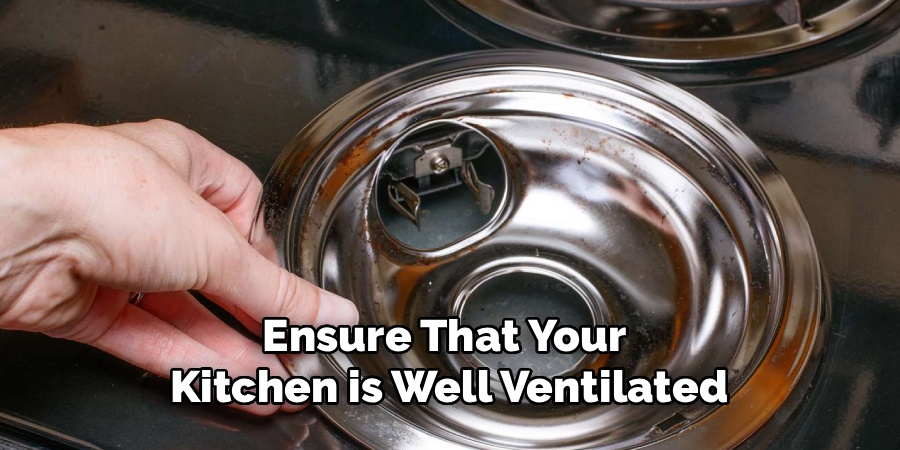
Additionally, ensure that your kitchen is well-ventilated to avoid the buildup of harmful gases like carbon monoxide. Installing a carbon monoxide detector near the kitchen is highly recommended as an added precaution. By adhering to these safety measures, you can minimize risks and maintain a secure cooking environment.
Conclusion
Following these ten methods ensures that your stove drip pans are thoroughly cleaned using a safe, natural, and effective solution. Vinegar effectively dissolves grease, removes burnt-on stains, and leaves the pans hygienic and odor-free. By combining soaking, gentle scrubbing, and careful drying, you can maintain your stove in excellent condition while avoiding harsh chemicals that could damage surfaces or harm the environment. Thanks for reading our blog post on how to clean stove drip pans with vinegar! We hope you found it helpful and informative.

About
Diane Lo is a distinguished figure in the world of kitchen innovation and culinary design, with over a decade of expertise creating functional and sustainable kitchen environments. Her professional focus lies in merging ergonomic spatial planning with modern culinary technology, fostering kitchen layouts that are both highly practical and aesthetically refined. As the lead expert at Kitchenub, Diane Lo delves into the art and science of kitchen organization, appliance selection, and workflow efficiency, inspiring home cooks and professional designers alike.
Education
Royal Melbourne Institute of Technology (RMIT University) (Melbourne, Australia) Associate Degree in Interior Design and Spatial Planning Focus on sustainable kitchen layouts, user-centric design, and ergonomic efficiency. Gained hands-on experience in high-traffic commercial kitchen modeling and advanced space-saving architecture.
Nottingham Trent University (United Kingdom) Bachelor’s in Product Design and Culinary Architecture (Honors) Specialized in the intersection of kitchen technology and lifestyle design. Participated in major industry collaborations, working with premium appliance manufacturers and cabinetry firms to gain real-world insights into modern kitchen workflows.
Publications and Impact
At Kitchenub, Diane Lo shares her expert insights on kitchen renovation processes, material durability, and strategies for achieving peak culinary productivity. Her writing effectively bridges the gap between professional culinary needs and home design, making it an essential resource for those looking to transform their kitchen into a highly efficient and welcoming heart of the home.