

Proper storage of canned food is essential to maintain its quality, safety, and longevity. Whether you’re stocking up for emergencies or managing pantry staples, knowing the correct methods to store canned goods can help prevent spoilage and ensure that the food remains nutritious and flavorful. This guide will provide how to store canned food effectively.
Importance of Storing Canned Food Correctly
Storing canned food correctly is crucial for several reasons. Proper storage prevents the growth of harmful bacteria and keeps the food safe to consume over an extended period. It also helps maintain the nutritional value and flavor of the food, ensuring it remains as beneficial and enjoyable as when it was first canned.
Additionally, correct storage practices protect against potential damage to the cans, such as rust, dents, or leaks, which could compromise the contents. By following proper storage guidelines, you can minimize food waste, save money, and ensure your pantry is stocked with reliable, long-lasting essentials.
Ideal Storage Conditions for Canned Food
To maintain the quality and safety of canned food, proper storage conditions are essential. Canned goods should be stored in a cool, dry environment with temperatures between 50°F and 70°F (10°C to 21°C). Exposure to extreme heat or freezing temperatures can compromise the integrity of the cans and degrade the food inside. It’s also important to keep the cans away from direct sunlight, as prolonged exposure to light can affect the food’s quality over time.
Additionally, organizing your pantry to avoid stacking heavy items on top of cans can prevent dents or damage. Regularly inspecting your canned goods for any signs of rust, swelling, or leakage is another critical step to ensure the contents remain safe for consumption. Following these guidelines will help preserve the freshness and flavor of your canned food while extending its shelf life.
10 Methods How to Store Canned Food
1. Store Canned Food in a Cool, Dry, and Dark Place
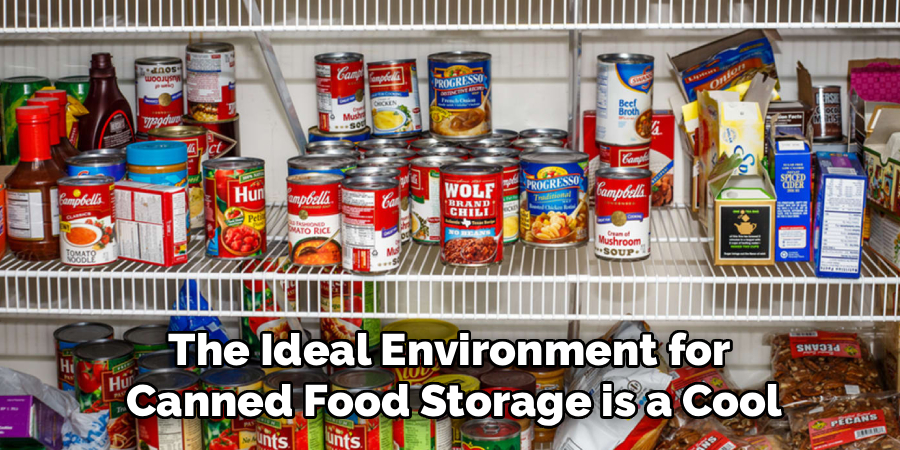
The ideal environment for canned food storage is a cool, dry, and dark location. Excessive heat, moisture, or light can degrade the quality of canned goods over time. Aim to store cans in a pantry, basement, or cabinet away from stoves, heaters, or direct sunlight. A temperature between 50°F and 70°F (10°C to 21°C) is ideal, as higher temperatures can cause cans to swell or compromise their seals. Avoid damp areas, as moisture can lead to rusting, which weakens the can and can lead to contamination.
2. Rotate Your Stock Using the FIFO Method
The “First In, First Out” (FIFO) method is one of the most effective ways to ensure that older canned goods are used before newer ones. Arrange your canned food so that the oldest items are at the front of the shelf and the newest at the back. Each time you add a new item, place it behind the others. This method helps prevent expired goods from accumulating and reduces the chances of waste. Always check expiration or “best by” dates and consume the oldest items first.
3. Avoid Storing Cans Near Chemicals or Cleaning Supplies
It is essential to keep canned food separate from household chemicals, cleaners, and detergents. Many cleaning products release fumes or may spill and leak, and storing canned food nearby could lead to contamination. Even if the cans appear sealed, exposure to strong chemicals could affect the food’s safety and flavor. Designate a specific area solely for food storage and keep it clean and organized to minimize risk.
4. Keep Cans Off the Floor
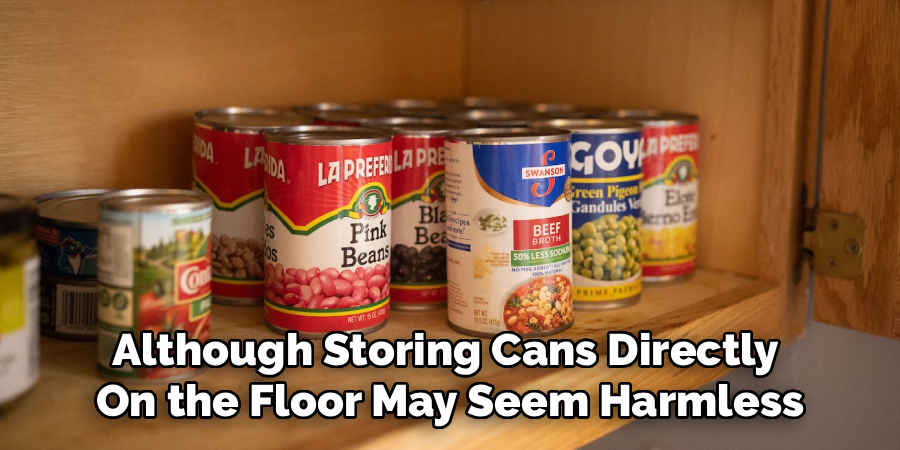
Although storing cans directly on the floor may seem harmless, it’s not advisable. Floors are more susceptible to temperature fluctuations, moisture, and pests. Instead, use shelves, plastic bins, or sturdy wooden platforms to keep cans elevated. This also promotes air circulation around the cans, which helps prevent rust and maintains consistent storage conditions. In addition, it keeps your food more sanitary and less accessible to rodents or insects.
5. Organize by Food Type or Meal Use
For better efficiency and ease of access, group your canned foods by type or usage. Store vegetables, beans, meats, soups, and fruits in separate sections. If you tend to prepare meals from recipes or meal kits, you can also group ingredients together accordingly. This method not only simplifies inventory tracking but also speeds up meal preparation and reduces the time spent rummaging through your pantry.
6. Check for Damaged or Bulging Cans Regularly
Damaged cans can pose a serious health risk. Routinely inspect your canned food for any signs of damage such as dents, bulges, rust, or leaks. A bulging can may indicate the presence of botulism, a dangerous bacterial toxin. Dented cans—especially if the dent is along a seam—may compromise the integrity of the seal. Rusted cans can weaken and allow air to enter, leading to spoilage. Dispose of any questionable cans immediately, even if the contents appear safe.
7. Label Cans with Purchase or Open Dates
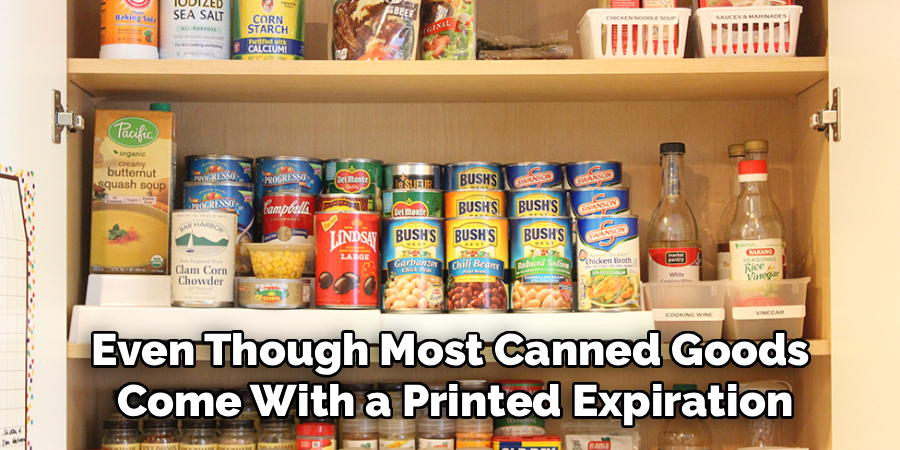
Even though most canned goods come with a printed expiration or best-by date, it can be helpful to write the purchase date on the top or side of the can using a permanent marker. If you open a can and don’t use the entire contents, store the leftovers in a sealed container in the refrigerator and label it with the date it was opened. This practice encourages timely use and reduces food waste, while also ensuring food safety.
8. Use Stackable Can Racks or Dispensers
To maximize space and maintain order, consider investing in stackable can racks or gravity-fed dispensers. These systems are especially helpful in small kitchens or for large households that rely on bulk food storage. Can organizers not only make your pantry look tidier but also make it easier to follow the FIFO system. Choose racks made of metal or heavy-duty plastic for durability, and ensure they fit the size and shape of the cans you commonly store.
9. Store Opened Canned Food Properly
Once a can is opened, never store the leftovers in the original can. Instead, transfer the unused portion into an airtight glass or plastic container and refrigerate it immediately. Storing food in an open can can lead to metallic flavors and bacterial growth. Label the container with the name of the food and the date it was opened, and aim to use refrigerated leftovers within 3–4 days for maximum freshness and safety.
10. Maintain an Inventory Sheet for Emergency Readiness
Keeping a written or digital inventory of your canned food is especially useful in preparing for emergencies. An inventory sheet helps you keep track of what you have, what needs to be used soon, and what needs to be replenished. Record the food type, quantity, expiration dates, and purchase dates. This method is particularly helpful during times of crisis, such as natural disasters or pandemics, when access to grocery stores may be limited. A well-maintained inventory also prevents unnecessary purchases and saves money.
Maintenance and Upkeep
Maintaining an updated inventory requires regular attention to ensure it remains accurate and useful. Set a schedule to review your inventory, ideally on a monthly basis, to check for expired items or products nearing their expiration date. Rotate your stock by using older items first and placing newly purchased items at the back.
This practice, known as “first in, first out” (FIFO), helps prevent waste. Additionally, make it a habit to update the inventory sheet immediately after adding new supplies or using items. Keeping your storage area clean and organized will further assist in easy access and quick assessments of your stock. With consistent upkeep, your inventory will remain an essential tool for efficient and effective food management.
Troubleshooting Common Issues
Even with a well-organized system, you may encounter challenges in maintaining an efficient inventory. One common issue is forgetting to update the inventory sheet, which can lead to discrepancies between the recorded and actual stock levels. To avoid this, set reminders or designate a specific time each week to review and update your records.
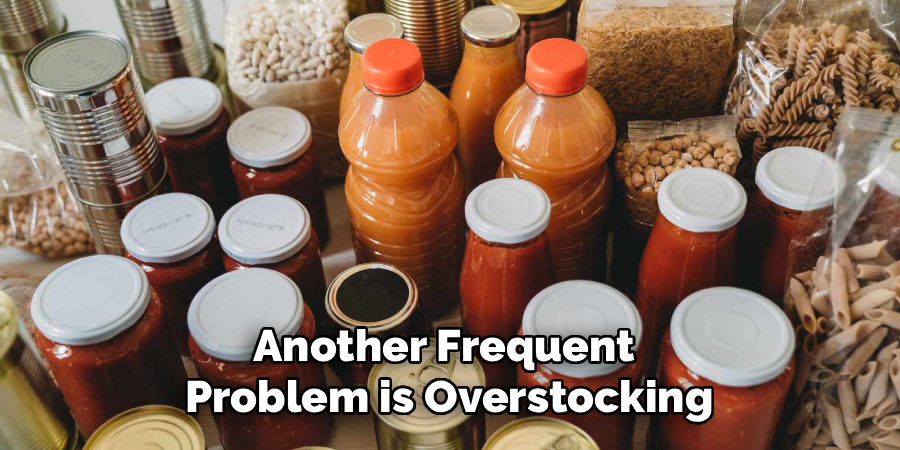
Another frequent problem is overstocking, which can result in expired items and wasted resources. Regularly review your usage patterns to adjust purchasing habits accordingly. Finally, poor organization or cluttered storage areas can make it difficult to locate items quickly. Implement a labeling system and periodically declutter to keep your storage space optimized for accessibility and efficiency. With these solutions in place, you can minimize problems and maintain a streamlined inventory system.
Conclusion
Properly storing canned food is more than just stacking tins on a shelf—it’s about maintaining quality, maximizing shelf life, and ensuring food safety. Each of the ten methods discussed here provides a practical, thoughtful approach to organizing and preserving your canned goods.
From temperature control and damage inspection to strategic placement and inventory tracking, every step plays a vital role in your food storage strategy. Thanks for reading our blog post on how to store canned food! We hope you found it helpful and informative.

About
Diane Lo is a distinguished figure in the world of kitchen innovation and culinary design, with over a decade of expertise creating functional and sustainable kitchen environments. Her professional focus lies in merging ergonomic spatial planning with modern culinary technology, fostering kitchen layouts that are both highly practical and aesthetically refined. As the lead expert at Kitchenub, Diane Lo delves into the art and science of kitchen organization, appliance selection, and workflow efficiency, inspiring home cooks and professional designers alike.
Education
Royal Melbourne Institute of Technology (RMIT University) (Melbourne, Australia) Associate Degree in Interior Design and Spatial Planning Focus on sustainable kitchen layouts, user-centric design, and ergonomic efficiency. Gained hands-on experience in high-traffic commercial kitchen modeling and advanced space-saving architecture.
Nottingham Trent University (United Kingdom) Bachelor’s in Product Design and Culinary Architecture (Honors) Specialized in the intersection of kitchen technology and lifestyle design. Participated in major industry collaborations, working with premium appliance manufacturers and cabinetry firms to gain real-world insights into modern kitchen workflows.
Publications and Impact
At Kitchenub, Diane Lo shares her expert insights on kitchen renovation processes, material durability, and strategies for achieving peak culinary productivity. Her writing effectively bridges the gap between professional culinary needs and home design, making it an essential resource for those looking to transform their kitchen into a highly efficient and welcoming heart of the home.