

Keeping your glass stove top clean and stain-free not only enhances the appearance of your kitchen but also ensures its functionality and longevity. Glass stove tops are sleek and modern but can be prone to stubborn stains from spills, grease, and burnt-on food. With the right approach and tools, removing these stains can be simple and effective, allowing your stove top to maintain its shine and stay in excellent condition. In this blog post, we’ll walk you through the steps on how to get stains off glass stove top so that you can get back to using it in no time! So grab your tools, and let’s get started!
Why Glass Stove Tops Are Prone to Stains
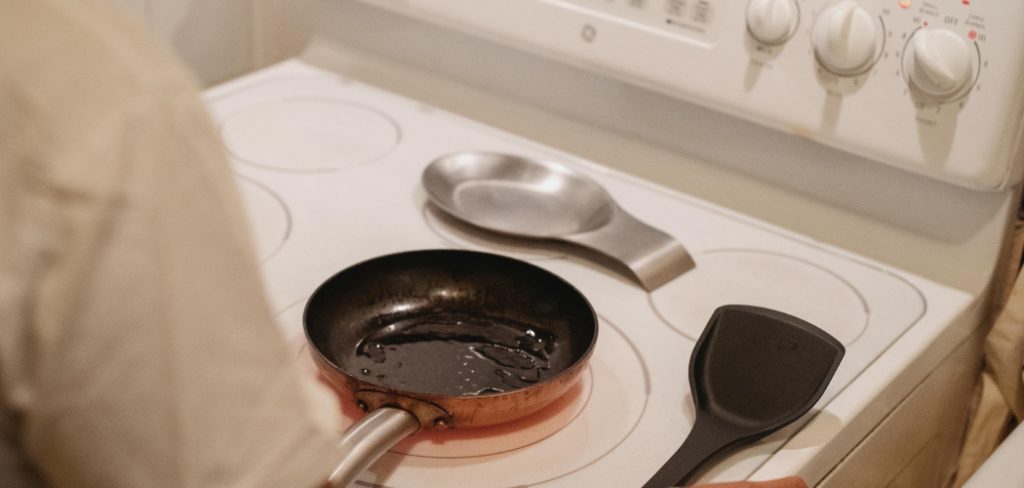
Glass stove tops are prone to stains due to their flat, smooth surface, which makes spilled liquids and food more likely to spread and stick. When cooking, ingredients like oil, sauces, and sugary substances can easily seep onto the surface and quickly heat up, leading to burnt-on residues that are difficult to remove. Additionally, their glossy finish, while aesthetically pleasing, tends to highlight smudges, streaks, and discoloration more visibly. Over time, improper cleaning techniques or abrasive materials can exacerbate these stains, making regular maintenance crucial to preserving the stove top’s appearance.
Safety Precautions Before Cleaning
Before cleaning your stove top, it’s essential to take a few safety precautions to ensure both your safety and the longevity of the appliance. First, always make sure the stove top has completely cooled down to avoid the risk of burns. If the burners or surface were recently in use, give them ample time to cool before starting the cleaning process. Next, disconnect or turn off the power supply if you’re cleaning an electric stove, or ensure the gas supply is properly shut off for gas stoves, to prevent accidental activations.
Additionally, use protective gloves to safeguard your hands, especially if you’re working with chemical cleaners or scrubbing pads. Ensuring proper ventilation, like opening windows or using fans, is also important to prevent inhalation of strong cleaning fumes. Lastly, read the manufacturer’s guidelines for your specific stove model to avoid using cleaning methods or products that could cause damage. These steps will help ensure the cleaning process is safe and effective.
Tools and Cleaning Supplies Needed
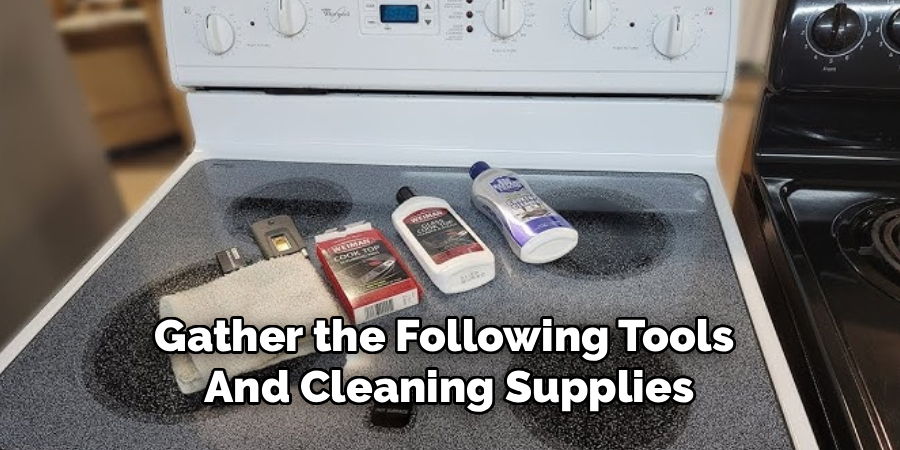
To effectively clean your stove, gather the following tools and cleaning supplies before you begin:
- Soft microfiber cloths – for gentle cleaning and wiping away dirt without scratching surfaces.
- Non-abrasive sponge or scrub pad – ideal for tackling stubborn stains without causing damage.
- Mild dish soap – helps break down grease and grime while being safe for most stove surfaces.
- White vinegar – a natural cleaning agent that effectively removes grease and residue.
- Baking soda – works well as a gentle abrasive for tougher cleaning tasks.
- Stove-specific cleaner – consult your stove’s manual for recommended cleaning products if required.
- Small brush or toothbrush – useful for cleaning hard-to-reach areas, such as knobs and crevices.
- Paper towels or absorbent rags – handy for soaking up moisture or spills during the process.
Having these tools and supplies will ensure you are well-prepared to tackle any cleaning challenges while preserving the integrity of your stove.
10 Methods How to Get Stains off Glass Stove Top
1. Ensure the Stove is Completely Cool
Before attempting to clean any stains on a glass stove top, make sure the surface is completely cool. Glass stove tops are highly sensitive to sudden temperature changes, and cleaning while the surface is hot can cause burns or even crack the glass. Turn off all burners and allow the stove to cool for at least 15–20 minutes after use. Ensuring the surface is cool also allows cleaning agents to work effectively without evaporating too quickly, which is essential for tackling tough stains.
2. Wipe Away Loose Debris
Begin by removing loose crumbs, food particles, or spills from the stove top using a soft cloth or paper towel. This preliminary step prevents you from inadvertently rubbing debris across the glass, which can create scratches. Lightly brushing away particles ensures a cleaner surface and allows cleaning solutions to focus on the stubborn stains rather than general dirt. For areas near the burners, use a soft-bristled brush to reach into crevices without scratching the surface.
3. Use a Mixture of Vinegar and Water
Vinegar is a natural and effective cleaning agent for glass stove tops. Mix equal parts of white vinegar and water in a spray bottle, then spray the solution generously over the stained areas. The acidic nature of vinegar helps dissolve grease, food residue, and water stains. Allow the solution to sit for a few minutes to penetrate the stain, softening it for easier removal. This method is particularly effective for light to medium stains without the need for harsh chemicals.
4. Apply Baking Soda for Tough Stains
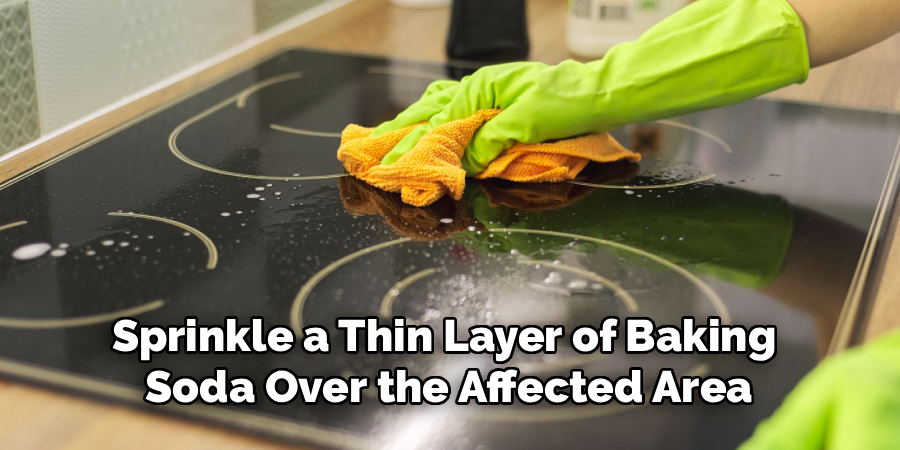
For more stubborn or baked-on stains, sprinkle a thin layer of baking soda over the affected area after spraying vinegar. Baking soda acts as a gentle abrasive that can lift tough residue without scratching the glass. The combination of vinegar and baking soda creates a fizzy reaction that further loosens grease and burnt-on particles. Use a soft cloth or sponge to gently rub the mixture in circular motions, focusing on particularly stubborn spots while avoiding excessive pressure.
5. Use a Specialized Glass Stove Top Cleaner
Commercially available glass stove top cleaners are designed to safely remove stains and residue without scratching the surface. Apply a small amount of the cleaner to the stained areas and follow the manufacturer’s instructions for application. Typically, these products require a short dwell time, after which you can buff the area with a soft cloth or non-abrasive pad. Using a dedicated cleaner is particularly effective for mineral deposits, grease, and discoloration that home remedies may not fully remove.
6. Employ a Razor Scraper for Burned-On Residue
For extremely stubborn, burnt-on stains, a razor scraper designed for glass stove tops can be used with care. Hold the scraper at a low angle and gently scrape away residue, moving in a consistent direction to avoid scratches. Never use a metal scraper that is not specifically designed for glass, as this can permanently damage the stove top. This method is especially useful for hard food spills like sugar, cheese, or thick sauces that have baked onto the surface.
7. Wipe Clean with a Soft Damp Cloth
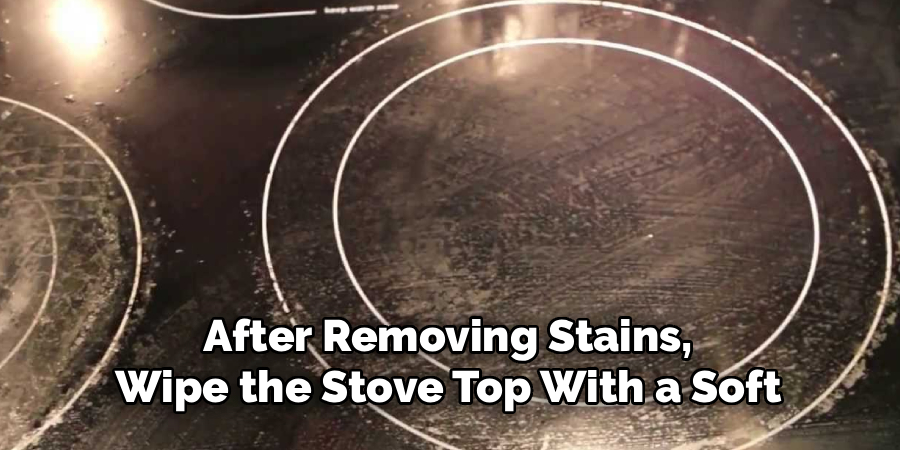
After removing stains, wipe the stove top with a soft, damp cloth to remove any remaining cleaning agents, baking soda residue, or loosened debris. Rinsing the surface thoroughly ensures that no residue is left behind, which can dull the glass or create streaks when dry. Using a clean microfiber cloth or soft sponge prevents scratching and leaves the stove top ready for polishing.
8. Polish with a Dry Microfiber Cloth
Once the surface is clean, use a dry microfiber cloth to buff the glass stove top. Polishing helps remove streaks, enhances shine, and restores the smooth appearance of the glass. For an extra touch, you can use a small amount of vinegar or a specialized glass polish during this step to achieve a streak-free finish. Polishing ensures the stove top looks pristine while maintaining its non-stick and easy-to-clean properties.
9. Regular Maintenance to Prevent Stains
To minimize future staining, establish a routine maintenance schedule for your glass stove top. Wipe the surface after each use to remove spills before they harden and become difficult to clean. Use the vinegar-and-water spray or a damp cloth for light daily cleaning, reserving deeper cleaning with baking soda or specialized cleaners for weekly or monthly care. Regular maintenance prevents buildup, reduces cleaning effort, and extends the life of the stove top.
10. Avoid Harsh Chemicals and Abrasive Materials
Finally, always avoid using harsh chemicals, abrasive pads, or steel wool on a glass stove top, as these can scratch or etch the surface. Stick to gentle solutions like vinegar, baking soda, mild detergents, or commercial glass stove top cleaners. Using soft cloths, sponges, or designated scrapers ensures safe cleaning. Proper technique and careful choice of cleaning agents protect the integrity of the glass while effectively removing stains.
Troubleshooting Common Issues
Even with proper maintenance, glass stove tops can occasionally present challenges. Below are some common issues and simple solutions:
- Burnt-On Residue: For stubborn, burnt-on stains, apply a paste of baking soda and water directly to the area. Allow it to sit for 15 minutes before gently scrubbing with a soft cloth or sponge. A designated glass stove top scraper can also help lift hardened residue without damaging the surface.
- Cloudy or Hazy Surface: Over time, mineral deposits from water or cleaning products may create a cloudy appearance. To restore shine, apply a mixture of equal parts vinegar and water, wiping with a microfiber cloth to remove the haze.
- Scratches: While deep scratches cannot be fully repaired, minor scratches may be less noticeable by gently buffing with a non-abrasive polish designed for glass surfaces. Prevent future scratches by avoiding abrasive materials while cleaning.
- Streaks After Cleaning: If streaks persist, make sure to use a lint-free cloth and avoid over-applying cleaning solutions. Buff the surface with a dry microfiber cloth for a streak-free finish.
By identifying and addressing these common issues, you can ensure your glass stove top remains in excellent condition for years to come.

Conclusion
Maintaining a glass stove top may seem challenging at first, but with consistent care and the proper techniques, it can easily become part of your routine. By addressing scratches, stains, and streaks promptly, and using the appropriate cleaning tools and products, you can preserve its sleek appearance and functionality. Thanks for reading our blog post on how to get stains off glass stove top! We hope you found it helpful and informative.

About
Diane Lo is a distinguished figure in the world of kitchen innovation and culinary design, with over a decade of expertise creating functional and sustainable kitchen environments. Her professional focus lies in merging ergonomic spatial planning with modern culinary technology, fostering kitchen layouts that are both highly practical and aesthetically refined. As the lead expert at Kitchenub, Diane Lo delves into the art and science of kitchen organization, appliance selection, and workflow efficiency, inspiring home cooks and professional designers alike.
Education
Royal Melbourne Institute of Technology (RMIT University) (Melbourne, Australia) Associate Degree in Interior Design and Spatial Planning Focus on sustainable kitchen layouts, user-centric design, and ergonomic efficiency. Gained hands-on experience in high-traffic commercial kitchen modeling and advanced space-saving architecture.
Nottingham Trent University (United Kingdom) Bachelor’s in Product Design and Culinary Architecture (Honors) Specialized in the intersection of kitchen technology and lifestyle design. Participated in major industry collaborations, working with premium appliance manufacturers and cabinetry firms to gain real-world insights into modern kitchen workflows.
Publications and Impact
At Kitchenub, Diane Lo shares her expert insights on kitchen renovation processes, material durability, and strategies for achieving peak culinary productivity. Her writing effectively bridges the gap between professional culinary needs and home design, making it an essential resource for those looking to transform their kitchen into a highly efficient and welcoming heart of the home.