

Keeping your glass stove top clean is essential for maintaining its appearance and functionality. Over time, spills, grease, and food particles can build up, leaving behind stubborn stains and reducing its shine. Fortunately, with the right techniques and tools, cleaning a glass stove top can be a straightforward and efficient process. This guide will walk you through simple steps of how to clean glass stove top.
Why Glass Stove Tops Require Special Care
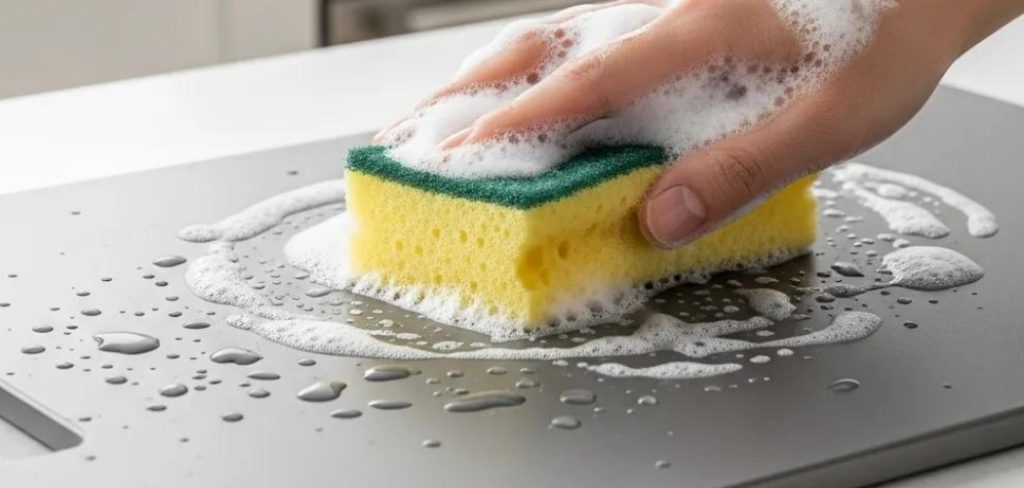
Glass stove tops are designed to be sleek, modern, and highly functional, but they also require special care to maintain their durability and appearance. Unlike traditional burners, glass stove tops are made from a smooth, flat surface of tempered glass or ceramic, which is prone to scratches, discoloration, and damage if not handled properly.
Abrasive cleaning tools or harsh chemicals can mar the surface and compromise the integrity of the material. Additionally, spills and burnt-on residues, if not promptly removed, can become stubborn stains that are difficult to clean without causing damage. By using gentle cleaning methods and taking preventative measures, you can ensure the longevity and pristine look of your glass stove top.
Benefits of Regular Cleaning
Regular cleaning of a glass stove top offers numerous advantages that go beyond simply maintaining its appearance. Firstly, it helps prevent the buildup of grime, grease, and burnt-on food, which can become increasingly difficult to remove over time. This not only saves time and effort in the long run but also protects the surface from potential damage caused by abrasive scrubbing or strong cleaning agents.
Additionally, a well-maintained stove top ensures even heat distribution during cooking, improving efficiency and reducing the risk of discoloration or uneven cooking results. Regular cleaning also promotes hygiene, minimizing the accumulation of bacteria and unpleasant odors that can arise from leftover food residues. By committing to consistent upkeep, you can prolong the life of your glass stove top and keep it functioning optimally for years to come.
Safety Precautions Before Cleaning
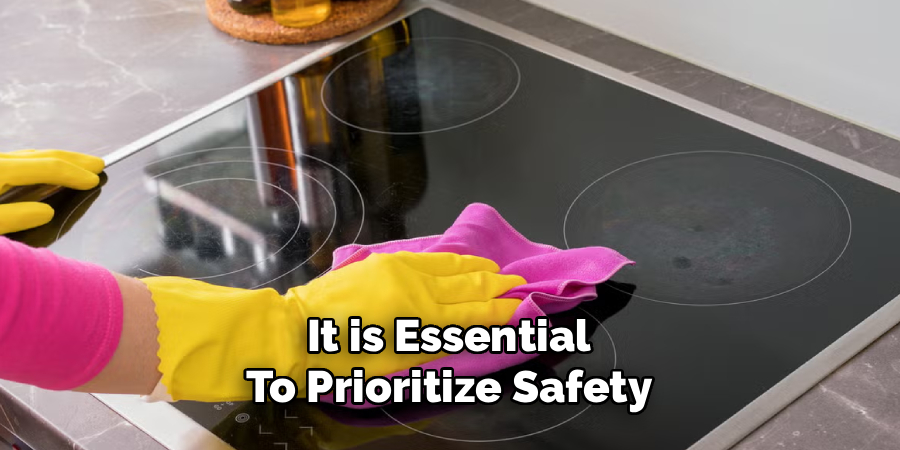
Before starting the cleaning process for your glass stove top, it is essential to prioritize safety. Always ensure that the stove top is completely cool to the touch to avoid burns or injuries. Disconnect the appliance from its power source if possible, especially when performing a deep clean, to prevent accidental activation. Avoid using sharp or metallic objects that could scratch or damage the glass surface. Additionally, make sure you work in a well-ventilated area when using any cleaning products to minimize exposure to fumes. By following these precautions, you can safely clean your glass stove top without risking harm to yourself or the appliance.
Tools and Cleaning Supplies Needed
To effectively clean your glass stove top, you will need the following tools and cleaning supplies:
- Soft microfiber cloths or sponges to wipe away dirt and residue without causing scratches.
- Plastic scraper or razor blade (with caution) to gently remove stubborn, cooked-on stains.
- Dish soap to tackle everyday grime and grease.
- White vinegar or an all-purpose glass cleaner for a streak-free shine.
- Baking soda to create a gentle abrasive cleaner for tough stains.
- Spray bottle for applying cleaning solutions evenly.
- Paper towels or dry cloths for polishing the surface once cleaned.
Having these supplies on hand will ensure you can clean your glass stove top thoroughly and safely.
10 Methods How to Clean Glass Stove Top
1. Ensure the Stove is Completely Cool Before Cleaning
Before beginning any cleaning process, always make sure the glass stove top is completely cool. Glass surfaces are highly sensitive to rapid temperature changes, and cleaning a hot stove can cause burns or even cracks. Turn off all burners and allow the surface to cool for at least 15–20 minutes after use. Working on a cool surface ensures safety and allows cleaning solutions to work effectively without evaporating too quickly, making the stain removal process more efficient.

2. Remove Loose Debris and Food Particles
Begin by removing loose crumbs, food particles, or spills from the stove top using a soft cloth or paper towel. This prevents debris from being rubbed into the glass, which can create scratches during the cleaning process. Lightly brushing away crumbs also prepares the surface for deeper cleaning. For hard-to-reach areas near burners, a soft-bristled brush can help lift debris without damaging the glass, ensuring a smooth and clean base to work on.
3. Use a Mixture of Vinegar and Water for Light Cleaning
A natural and effective cleaning method for glass stove tops is using a vinegar and water solution. Mix equal parts of white vinegar and water in a spray bottle, then spray the mixture over the entire surface. The acidic properties of vinegar help dissolve grease, food residues, and water stains. Allow the solution to sit for several minutes, softening light stains and making them easier to wipe away with a microfiber cloth. This method is ideal for daily or weekly maintenance to keep the stove looking pristine.
4. Apply Baking Soda for Stubborn Stains
For tougher stains or baked-on residue, sprinkle a thin layer of baking soda over the affected areas after spraying vinegar. Baking soda acts as a gentle abrasive, helping to lift grease and stubborn food particles without scratching the glass. The combination of vinegar and baking soda produces a fizzy reaction that further loosens grime. Gently rub the mixture with a soft cloth or sponge in circular motions, paying attention to heavily stained areas while avoiding excessive pressure that could damage the surface.
5. Use Commercial Glass Stove Top Cleaners
Specialized glass stove top cleaners are formulated to safely remove grease, stains, and discoloration without scratching the surface. Apply a small amount of the cleaner to a soft cloth or directly to the stove top, following the manufacturer’s instructions. These products often require a short dwell time, after which you can buff the surface clean. Commercial cleaners are particularly effective for mineral deposits, water rings, and hardened grease that home remedies may struggle to remove, providing a professional, streak-free finish.
6. Employ a Razor Scraper for Burned-On Residue
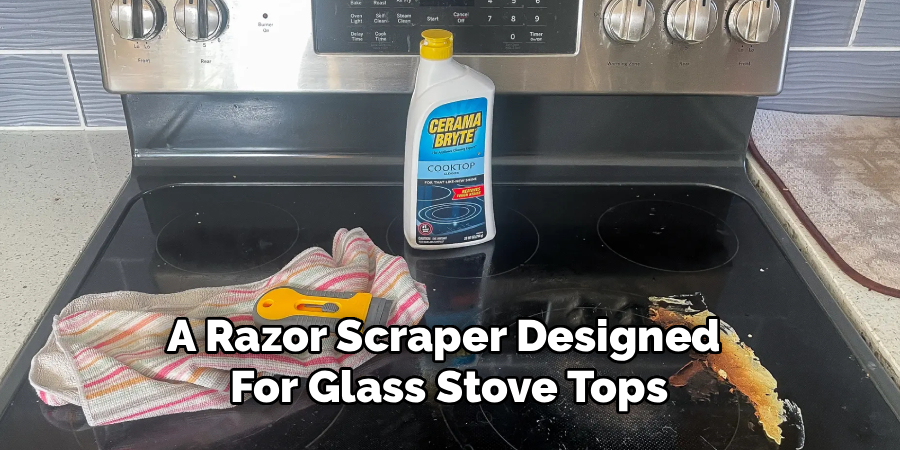
For extremely stubborn, baked-on food, a razor scraper designed for glass stove tops can be very effective. Hold the scraper at a low angle and carefully remove the residue, moving in one direction to prevent scratches. Never use a metal razor that is not specifically intended for glass surfaces, as it can permanently damage the stove. This method is ideal for caramelized sugar, melted cheese, or other thick, burnt substances that cannot be removed by scrubbing alone.
7. Rinse with a Damp Cloth to Remove Residue
After cleaning, wipe the stove top with a soft, damp cloth to remove any leftover baking soda, vinegar, or cleaner residue. Proper rinsing prevents streaks and ensures that no cleaning solution remains, which could dull the glass surface or react with future spills. Using a microfiber cloth or a soft sponge helps avoid scratching while leaving the surface ready for polishing. This step is crucial for achieving a smooth, clean finish.
8. Polish the Glass Stove Top
Once the surface is clean, use a dry microfiber cloth to polish the stove top. Polishing helps remove streaks, enhances shine, and restores the glass to its original, pristine condition. For additional gloss, you can lightly dampen the cloth with vinegar or a commercial glass polish. Polishing not only improves the stove’s aesthetic appeal but also makes it easier to wipe down after future cooking sessions, reducing the effort needed to maintain cleanliness.
9. Maintain Regular Cleaning Practices
To prevent tough stains from forming, establish a routine cleaning schedule. Wipe the stove top after each use to remove spills and prevent them from baking onto the surface. Use the vinegar-and-water spray or a damp cloth for light daily cleaning, reserving deeper cleaning methods with baking soda or specialized cleaners for weekly maintenance. Regular cleaning ensures a spotless stove, prevents residue buildup, and extends the life of the glass surface.
10. Avoid Harsh Chemicals and Abrasive Tools
Finally, always avoid using harsh chemicals, abrasive pads, steel wool, or rough brushes on a glass stove top. These materials can scratch or etch the surface permanently. Stick to gentle cleaning agents such as vinegar, baking soda, mild detergents, or commercial glass cleaners, and use soft cloths or non-abrasive sponges. Using safe tools and techniques preserves the integrity of the glass while effectively removing stains and maintaining a sleek, polished appearance.
Conclusion
Proper care and cleaning of your glass stove top are essential to maintaining its functionality and aesthetic appeal. By understanding the importance of regular upkeep, using the right materials, and employing gentle cleaning techniques, you can prevent damage and extend the lifespan of your appliance. Prioritizing these practices not only keeps your stove top looking pristine but also ensures it continues to serve as a reliable and attractive centerpiece in your kitchen. Thanks for reading our blog post on how to clean glass stove top! We hope you found it helpful and informative.

About
Diane Lo is a distinguished figure in the world of kitchen innovation and culinary design, with over a decade of expertise creating functional and sustainable kitchen environments. Her professional focus lies in merging ergonomic spatial planning with modern culinary technology, fostering kitchen layouts that are both highly practical and aesthetically refined. As the lead expert at Kitchenub, Diane Lo delves into the art and science of kitchen organization, appliance selection, and workflow efficiency, inspiring home cooks and professional designers alike.
Education
Royal Melbourne Institute of Technology (RMIT University) (Melbourne, Australia) Associate Degree in Interior Design and Spatial Planning Focus on sustainable kitchen layouts, user-centric design, and ergonomic efficiency. Gained hands-on experience in high-traffic commercial kitchen modeling and advanced space-saving architecture.
Nottingham Trent University (United Kingdom) Bachelor’s in Product Design and Culinary Architecture (Honors) Specialized in the intersection of kitchen technology and lifestyle design. Participated in major industry collaborations, working with premium appliance manufacturers and cabinetry firms to gain real-world insights into modern kitchen workflows.
Publications and Impact
At Kitchenub, Diane Lo shares her expert insights on kitchen renovation processes, material durability, and strategies for achieving peak culinary productivity. Her writing effectively bridges the gap between professional culinary needs and home design, making it an essential resource for those looking to transform their kitchen into a highly efficient and welcoming heart of the home.