

An electric griddle is a versatile kitchen tool that helps you prepare everything from breakfast pancakes to savory grilled sandwiches without the need for multiple cookware. However, keeping your griddle clean is essential for maintaining its performance and ensuring the safety of the food you cook on it. If you’ve been wondering how to clean an electric griddle effectively, this guide will walk you through every step in detail, making it easy for beginners and seasoned chefs alike to master the process.
Start by unplugging the griddle and allowing it to cool completely before cleaning. Using a scraper or soft spatula, gently remove any leftover food particles or grease from the surface. Avoid using sharp tools that could scratch or damage the non-stick coating. Next, take a damp cloth or sponge with warm, soapy water and thoroughly wipe down the griddle’s surface.
Be sure not to immerse the appliance in water if it’s not designed to be fully submerged. Once cleaned, use a clean, dry cloth to wipe off any remaining moisture. For stubborn stains, a mixture of baking soda and water can be applied to the surface and gently scrubbed with a soft sponge. Regular maintenance ensures your griddle stays in excellent condition, ready for your next culinary creation.
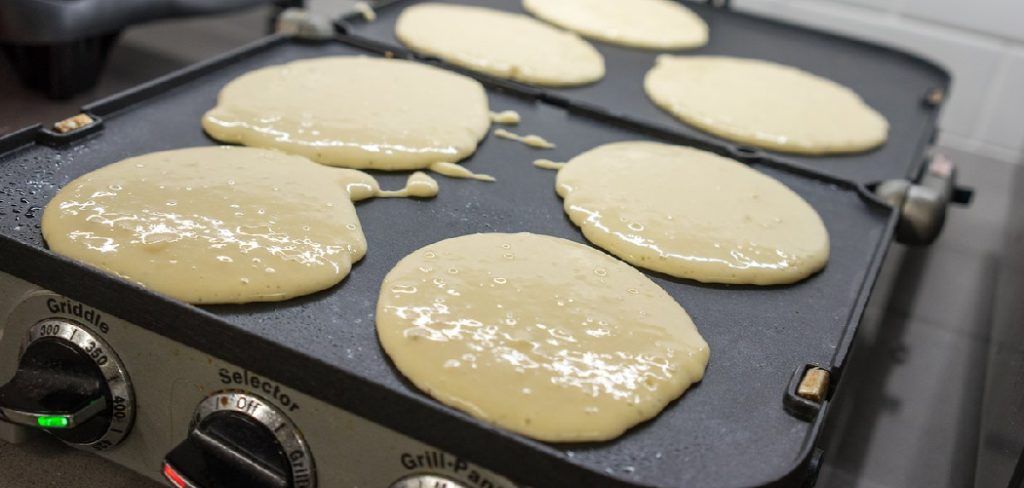
Why Cleaning Your Electric Griddle Matters
A clean electric griddle isn’t just about appearances; it impacts food safety, cooking efficiency, and the lifespan of your equipment. Over time, food particles, grease, and burnt residues can build up on the griddle’s surface, causing uneven heating and potentially transferring unwanted flavors to your food. If left unchecked, grime can also damage the nonstick coating, forcing you to replace your griddle sooner than anticipated.
Regular cleaning ensures that your griddle remains a safe and hygienic cooking surface. It prevents harmful bacteria from growing on food debris while also maintaining the integrity of the nonstick coating—critical for achieving flawless pancakes, burgers, and more. Plus, a well-maintained griddle uses energy more efficiently, saving you both time and money in the kitchen.
Step-by-Step Guide: How to Clean an Electric Griddle
Cleaning an electric griddle might seem daunting at first, but it’s a straightforward process when broken into manageable steps. Follow these detailed instructions to keep your griddle in top condition.
Step 1: Unplug the Griddle and Allow It to Cool
Before you begin cleaning, make sure to unplug the electric griddle from the outlet to avoid accidents. Allow the surface to cool completely before handling it. Cleaning while the griddle is still warm can lead to burns or damage the nonstick coating. Patience is key here—rushing this step could create more problems down the line.
Step 2: Remove Any Loose Debris
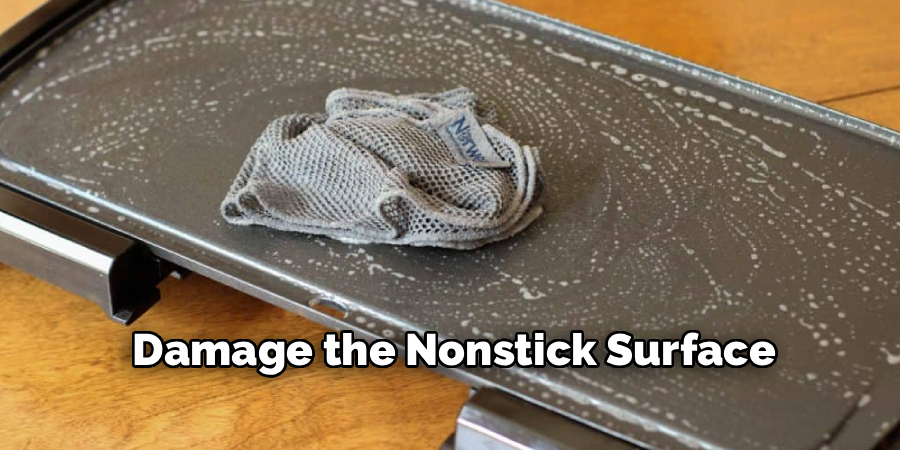
Once the griddle has cooled, use a soft spatula or a dry paper towel to scrape away any loose food particles. Make sure not to use metal tools, as these can scratch and damage the nonstick surface. Focus on lifting grease and food remnants gently to preserve the coating.
Step 3: Wipe Down the Surface
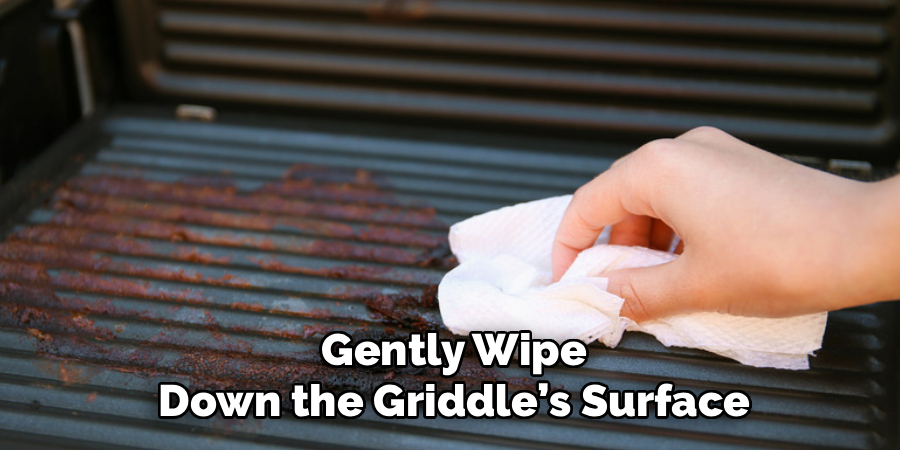
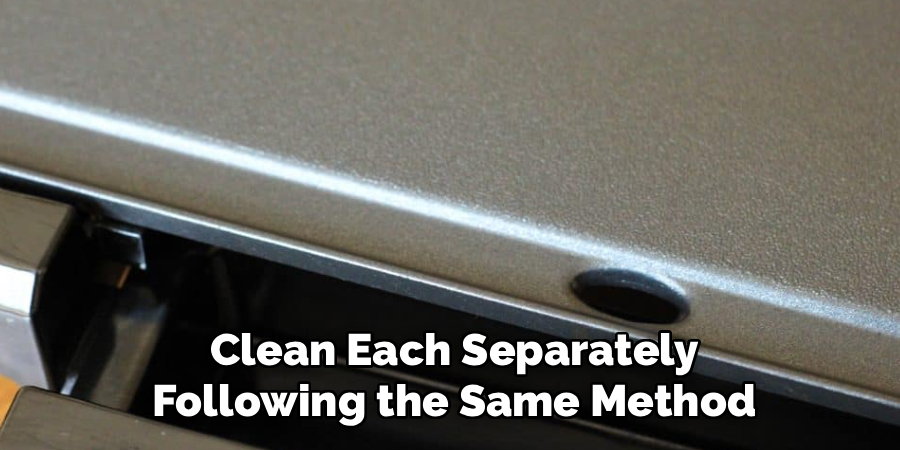
Dampen a soft cloth or sponge with warm water and gently wipe down the griddle’s surface. For stubborn spots, a few drops of dish soap can help break up the grease. Always use light pressure to avoid damaging the nonstick finish. If the griddle has removable plates, detach them and clean each separately following the same method.
Step 4: Tackle Stuck-On Grease
If grease or burnt food stains are stuck, sprinkle a small amount of baking soda over the affected area. Then, dampen a cloth with warm water and use it to scrub gently in a circular motion. The mildly abrasive nature of baking soda helps lift grime without scratching the surface. Rinse with clean water and repeat if needed.
Step 5: Clean the Drip Tray
Most electric griddles come with a removable drip tray to catch excess grease. Remove the tray and dispose of the contents in the trash. Wash the tray with warm soapy water, then rinse and dry it completely before reinserting it into the griddle.
Step 6: Address the Edges and Exterior
Don’t forget to clean the edges and outer surfaces of the griddle. These areas can accumulate grease splatters and dirt over time. Use a damp cloth soaked in warm, soapy water to wipe them down, then dry thoroughly to prevent moisture from seeping into the unit.
Step 7: Allow the Griddle to Air Dry
After cleaning, leave the griddle out to air dry completely. Ensure no water is left on the nonstick surface or inside the unit, as this could lead to rust or electrical issues. Placing the griddle on a clean, dry towel can help absorb excess moisture.
Step 8: Reassemble and Store Properly
Once the griddle is thoroughly dry, reattach any removable components like the drip tray or heating element. Store the appliance in a cool, dry place to protect it from dust and grease buildup until its next use.
Step 9: Perform Regular Maintenance
To minimize heavy cleaning sessions, wipe your griddle down lightly after each use. Regular maintenance helps prevent food residue and grease from hardening and ensures that the cleaning process is smooth and trouble-free each time.
Step 10 (Optional): Deep Clean Occasionally
For thorough maintenance, consider giving your griddle a deep clean every few months. This involves disassembling the unit, if possible, and scrubbing every removable part with warm, soapy water. Make sure all elements are dried completely before reassembly.
User Cleaning Experiences
Many users have shared their own tips and experiences when it comes to cleaning their griddles efficiently. One common suggestion is to use a mixture of vinegar and water for cleaning stubborn stains, as it helps break down grease without being harsh on the surface. Others recommend using a plastic scraper immediately after cooking to easily remove food residue before it hardens. Additionally, some users find that applying a thin coat of oil after cleaning prevents rust and keeps the griddle seasoned for future use. By incorporating these proven methods, maintaining a clean and functional griddle becomes a simpler and more effective process.
Additional Tips for Maintaining Your Electric Griddle
- After each use, wipe the griddle with a clean cloth or paper towel to remove any food particles or grease.
- If your griddle has removable parts, such as a drip tray or heat control probe, make sure to wash them separately and let them dry completely before reassembling.
- For tougher stains or build-up on the surface of the griddle, you can use a mixture of baking soda and water to create a paste. Apply it to the affected area and let it sit for a few minutes before scrubbing with a soft sponge or brush.
- Avoid using abrasive cleaners or scouring pads on your electric griddle as they can scratch the surface and damage the non-stick coating.
- Once your griddle is clean, make sure to dry it off thoroughly with a clean cloth or paper towel before storing it away. This will prevent any rusting or corrosion from forming on the metal parts.
- Store your electric griddle in a cool, dry place to avoid any potential moisture build-up that could lead to mold or rust.
Frequently Asked Questions
How Often Should I Clean My Electric Griddle?
You should clean your electric griddle after every use to prevent food particles and grease from hardening on the surface. For occasional, thorough cleaning, aim for every one to three months, depending on how frequently you use the appliance.
Can I Submerge My Electric Griddle in Water?
Most electric griddles are not designed to be fully submerged in water due to their electrical components. Always refer to the manufacturer’s manual for specific cleaning instructions. Typically, you should stick to wiping the surface and cleaning removable parts separately in warm, soapy water.
What Cleaning Tools Should I Avoid?
Avoid using abrasive sponges, steel wool, or sharp tools on your electric griddle. These can scratch or damage the nonstick coating, reducing its effectiveness over time. Stick to soft sponges, microfiber cloths, or non-abrasive scrubbers for safe cleaning.
Why Is My Griddle Sticky After Cleaning?
If your griddle feels sticky after cleaning, residue from grease or soap may not have been fully rinsed off. To fix this, wipe the surface with a cloth dampened in clean, warm water, and air dry thoroughly before storing.
Can I Use Vinegar to Clean My Electric Griddle?
Yes, vinegar is a natural degreaser and can help remove tough stains. Mix equal parts white vinegar and water, apply it to the surface using a damp cloth, and gently scrub. Make sure to rinse with clean water to avoid leaving a vinegar smell behind.
Conclusion
Cleaning your electric griddle doesn’t have to be an overwhelming chore. With the right approach, you can keep your appliance in top condition, ensuring it serves you well for years to come. By following these step-by-step instructions, you’ll not only improve the taste and safety of your food but also extend the lifespan of this versatile kitchen tool.
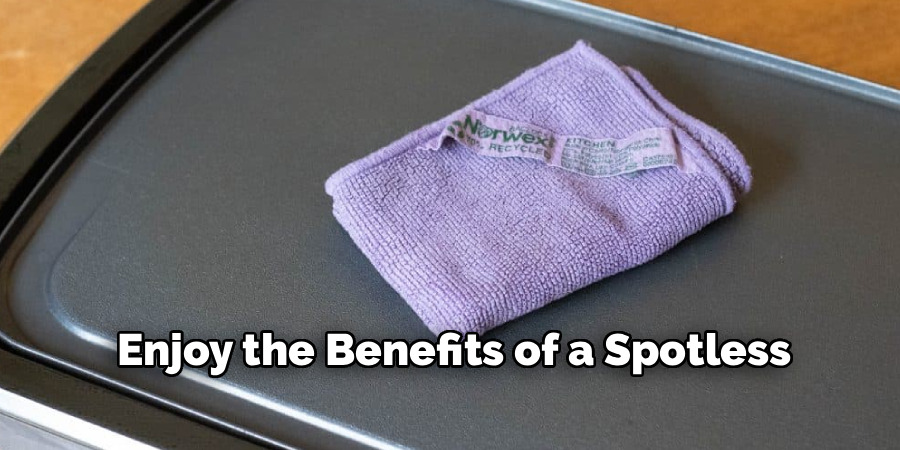
Now that you know how to clean an electric griddle, why not give it a try? Regular cleaning and maintenance will make all your meal preparations smoother and ensure every dish tastes its best. Get started today and enjoy the benefits of a spotless, well-maintained griddle!

About
Diane Lo is a distinguished figure in the world of kitchen innovation and culinary design, with over a decade of expertise creating functional and sustainable kitchen environments. Her professional focus lies in merging ergonomic spatial planning with modern culinary technology, fostering kitchen layouts that are both highly practical and aesthetically refined. As the lead expert at Kitchenub, Diane Lo delves into the art and science of kitchen organization, appliance selection, and workflow efficiency, inspiring home cooks and professional designers alike.
Education
Royal Melbourne Institute of Technology (RMIT University) (Melbourne, Australia) Associate Degree in Interior Design and Spatial Planning Focus on sustainable kitchen layouts, user-centric design, and ergonomic efficiency. Gained hands-on experience in high-traffic commercial kitchen modeling and advanced space-saving architecture.
Nottingham Trent University (United Kingdom) Bachelor’s in Product Design and Culinary Architecture (Honors) Specialized in the intersection of kitchen technology and lifestyle design. Participated in major industry collaborations, working with premium appliance manufacturers and cabinetry firms to gain real-world insights into modern kitchen workflows.
Publications and Impact
At Kitchenub, Diane Lo shares her expert insights on kitchen renovation processes, material durability, and strategies for achieving peak culinary productivity. Her writing effectively bridges the gap between professional culinary needs and home design, making it an essential resource for those looking to transform their kitchen into a highly efficient and welcoming heart of the home.