

Charcoal grilling is loved for its ability to infuse food with smoky, mouthwatering flavors. However, if the smoke becomes excessive, it can turn an enjoyable cooking experience into an annoying or hazardous one. Learning how to reduce smoke charcoal grill problems is essential for anyone who values good food, clean air, and a pleasant outdoor cooking environment. Fortunately, controlling smoke from your charcoal grill is easier than you might think, even if you’re a beginner.
This guide will walk you through practical steps to minimize grill smoke while preserving the authentic barbecue taste you’re after. Whether you’re troubleshooting for the first time or looking to refine your technique, you’ll finish this article ready to tackle your next cookout with confidence.
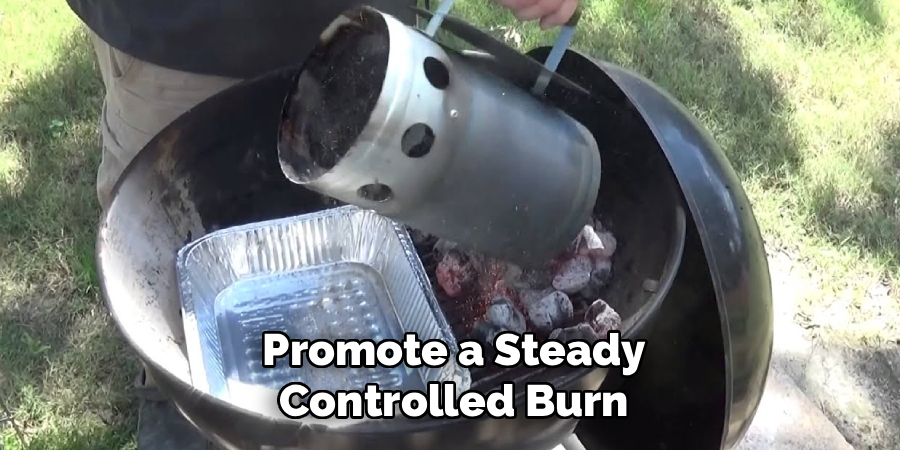
One of the key factors in reducing smoke is managing the airflow in your grill. Start by ensuring the grill’s vents are clean and functioning properly. Open vents allow oxygen to feed the coals and promote a steady, controlled burn, while partially closed vents can help regulate the temperature without smothering the fire.
Additionally, using high-quality charcoal and avoiding lighter fluid will greatly reduce the amount of excess smoke. Opt for natural lump charcoal, as it burns cleaner compared to briquettes with fillers or additives. By focusing on proper airflow and fuel selection, you can achieve a cleaner grilling experience without compromising on flavor.
Why Is Reducing Smoke from a Charcoal Grill Important?
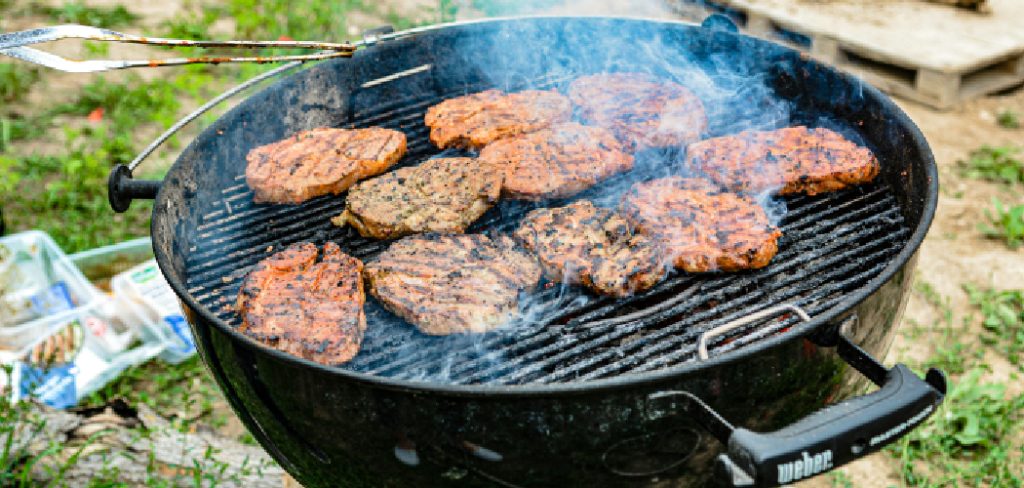
A smoky charcoal grill can seem like a trivial annoyance, but it’s actually an issue with significant consequences. For one, excessive smoke makes the cooking process more uncomfortable, leaving you to battle watery eyes and lingering unpleasant smells. Smoke can also negatively affect food flavor—sooty or bitter tastes are sure signs that something’s gone wrong.
More importantly, heavy smoke production could result from incomplete combustion, which might release harmful pollutants that are bad for both your health and the environment. Understanding how to reduce smoke charcoal grill helps you master grilling while keeping your food, your guests, and the planet happier and healthier.
Step-by-Step Guide: How to Reduce Smoke Charcoal Grill
Step 1: Start With Quality Charcoal
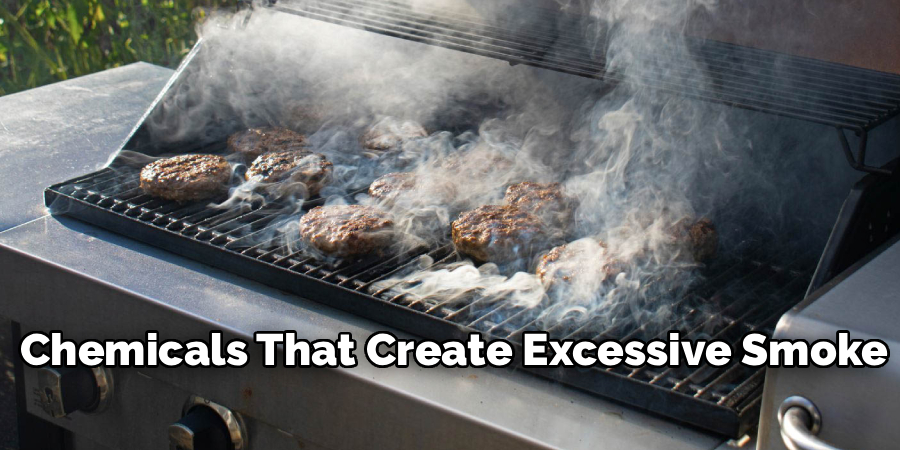
The type of charcoal you use directly impacts the amount of smoke your grill produces. Opt for premium briquettes or natural hardwood lumps. Lower-quality charcoal often contains fillers and chemicals that create excessive smoke and unpleasant odors when burned. Invest in good-quality fuel to cut down on smoke right from the beginning of your grill session.
Step 2: Use Only Dry Charcoal
A common mistake is using damp charcoal, which smokes heavily as it burns off the moisture. Always store your charcoal in a dry, airtight container to keep it moisture-free. If you suspect your coals are damp, allow them to dry completely before lighting the grill. This simple step significantly reduces unwanted smoke.
Step 3: Preheat Your Grill Properly
Many smokers struggle because they start grilling before the coals are fully lit. To minimize smoke, allow your charcoal to heat until it forms a light gray ash coating. This indicates that the coals are burning efficiently, producing less smoke. Be patient—waiting an extra ten minutes can make all the difference.
Step 4: Manage Your Ventilation
Proper airflow is essential for controlling smoke. Check to ensure your grill’s vents are open and functioning correctly. Closing the vents too much can suffocate the fire, leading to incomplete combustion and increased smoke. By mastering vent adjustments, you’ll keep your fire efficient and your grill smoke-free.
Step 5: Avoid Grease Build-up
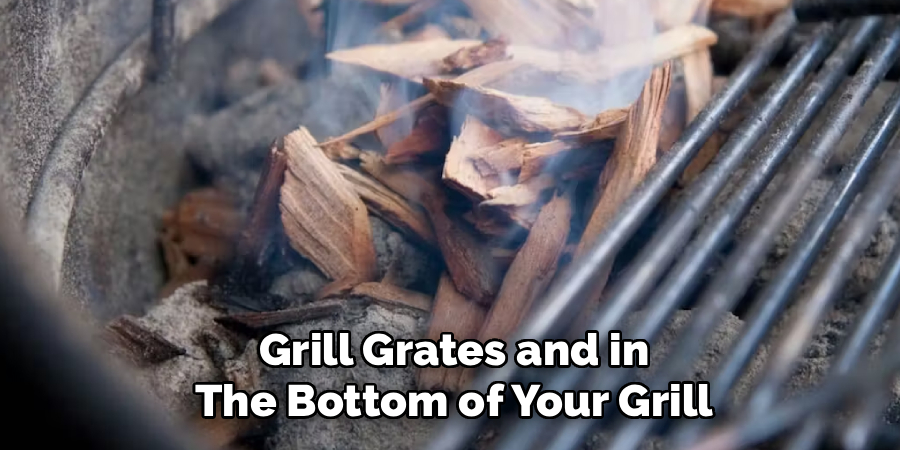
One of the leading causes of smoke is grease dripping onto hot coals. Over time, grease accumulates on the grill grates and in the bottom of your grill. Regularly cleaning your grill prevents excessive flare-ups and smoke caused by burning fat. If you’re grilling fatty meats, try using a drip pan to catch grease before it hits the charcoal.
Step 6: Limit the Use of Liquid Starters
Lighter fluid and similar liquid starters often contain chemicals that release harmful smoke as they burn. Instead, use a chimney starter or natural fire starters to light your charcoal. These methods eliminate chemical-heavy smoke and offer a more controlled ignition process.
Step 7: Grill With the Lid On
Grilling with the lid off increases the chance of grease flaring up and producing smoke. Keeping the lid closed not only traps heat but also reduces oxygen levels, which limits the combustion of grease and moisture. Monitor your grill through the vents or lift the lid briefly rather than leaving it open throughout cooking.
Step 8: Choose Your Wood Wisely
If you add woodchips for additional flavor, use them sparingly. Excessively wet or oily wood creates dense, sour smoke. Stick to dry, seasoned hardwoods like oak or hickory to enhance flavor without overwhelming your grill with smoke. Avoid greenwood or softwoods like pine, as they produce too much resin and smoke.
Step 9: Avoid Overloading the Charcoal
Overloading your grill with too much charcoal produces a more intense fire than necessary, resulting in higher levels of smoke. Instead, use just enough charcoal to create an even bed of heat. Proper fuel management helps maintain better control over smoke levels while still cooking your food perfectly.
Step 10: Maintain The Grill Regularly
Regular maintenance is vital for avoiding buildup that contributes to smoke issues. Ash and grease should be removed after every use to maintain optimal airflow and combustion. A clean grill not only reduces smoke but also extends its lifespan and enhances your overall grilling experience.
Barbecue Cleaning Techniques
Proper cleaning techniques are essential to keep your barbecue in excellent condition and to ensure every meal is grilled to perfection. Start by allowing the grill to cool down slightly after use, but while it’s still warm enough to loosen any residue. Use a stiff wire brush to scrub the grates, removing charred food particles and grease.
For stubborn buildup, a mixture of warm water and mild dish soap can be applied with a sponge or grill-specific cleaning pad. Don’t forget to clean beneath the grates by emptying the drip tray or grease pan. Regularly check and clean the burners and vent holes to prevent blockages that can affect performance.
For a deeper clean, soak removable parts in soapy water before scrubbing and rinsing thoroughly. Always finish by drying all components to prevent rust. A little effort after each barbecue session goes a long way in preserving your grill’s functionality and flavor quality.
FAQ Section
How Can I Stop My Charcoal Grill From Smoking Too Much?
To reduce excessive smoke, begin by using high-quality, dry charcoal and preheating it until covered by a light gray ash. Keep the grill vents open to maintain proper ventilation and clean both the grates and the collecting chamber regularly to prevent grease from flaring up. Simple practices like using less wood and placing a drip pan under fatty foods will also help.
Why Does My Charcoal Grill Produce a Bitter Smoke Flavor?
Bitter flavors often indicate incomplete combustion. This can happen if you start grilling when the charcoal is still lighting or if there are chemicals in the charcoal or lighter fluid. Solve this by using natural, chemical-free fuel sources and waiting until the coals turn ashy before grilling.
Can Wet Charcoal Increase Smoke Levels?
Yes, moisture in charcoal increases smoke levels significantly. Wet coals struggle to burn properly and release additional steam and soot. To prevent this, always store your charcoal in airtight containers and ensure that it’s dry before lighting.
Should I Clean My Charcoal Grill After Every Use?
Absolutely. Cleaning after every use removes accumulations of ash, grease, and leftover food that can cause excessive smoke. Even a quick scrub of grill grates and emptying the ash catcher enhances airflow and reduces smoke during your next barbecue.
What Type of Foods Are Most Likely to Cause Smoke?
Fatty meats like pork belly, burgers, and chicken thighs tend to drip grease onto the coals, leading to smoke. High-sugar marinades can also contribute to excess smoke due to caramelization. To limit this, consider trimming fat or using drip pans and avoiding sugary sauces until late in the cooking process.

Conclusion
Excessive smoke can dampen your grilling experience, but resolving this issue is within reach with proper techniques and maintenance. By following steps such as using dry charcoal, managing vents, and cleaning your grill regularly, you can learn how to reduce smoke charcoal grill problems effectively.
Grilling is about more than food—it’s about the atmosphere, the joy of cooking outdoors, and the smiles of everyone sharing a meal. Take these tips to heart and ensure your next barbecue is as delightful for your guests as it is smoke-free. Now, fire up that charcoal while keeping your skies clear! From selecting high-quality charcoal to managing vents and cleaning your grill regularly, these simple steps can significantly reduce smoke production.
Remember that grilling is about more than just cooking food; it’s about creating a warm and inviting atmosphere for everyone to enjoy. So next time you fire up your charcoal grill, keep these tips in mind and impress your guests with delicious food without the unwanted smoke. Happy grilling! Additional content can also include

About
Diane Lo is a distinguished figure in the world of kitchen innovation and culinary design, with over a decade of expertise creating functional and sustainable kitchen environments. Her professional focus lies in merging ergonomic spatial planning with modern culinary technology, fostering kitchen layouts that are both highly practical and aesthetically refined. As the lead expert at Kitchenub, Diane Lo delves into the art and science of kitchen organization, appliance selection, and workflow efficiency, inspiring home cooks and professional designers alike.
Education
Royal Melbourne Institute of Technology (RMIT University) (Melbourne, Australia) Associate Degree in Interior Design and Spatial Planning Focus on sustainable kitchen layouts, user-centric design, and ergonomic efficiency. Gained hands-on experience in high-traffic commercial kitchen modeling and advanced space-saving architecture.
Nottingham Trent University (United Kingdom) Bachelor’s in Product Design and Culinary Architecture (Honors) Specialized in the intersection of kitchen technology and lifestyle design. Participated in major industry collaborations, working with premium appliance manufacturers and cabinetry firms to gain real-world insights into modern kitchen workflows.
Publications and Impact
At Kitchenub, Diane Lo shares her expert insights on kitchen renovation processes, material durability, and strategies for achieving peak culinary productivity. Her writing effectively bridges the gap between professional culinary needs and home design, making it an essential resource for those looking to transform their kitchen into a highly efficient and welcoming heart of the home.